Published: 30 October 2026 | Author: Karl Huang, XinjiangAttractions Editorial Team
This Beijing travel guide is built from four separate trips I have taken since 2019, each for a different reason: a work conference, a winter break, a long layover that stretched, and two slow weeks with family. I have waited in the August crush at the Forbidden City and cycled empty hutong lanes at 7 a.m. in November. What follows is the version I wish I had before the first flight, written for people who want the real city rather than a list of postcard spots.
Beijing Travel Guide: Quick Reference
| Best for | Imperial history, architecture, food, national transit hub |
|---|---|
| Airports | Capital (PEK) north; Daxing (PKX) south |
| City transit | Subway (27 lines), buses, DiDi ride apps |
| Peak season | April to May, September to October |
| Low season | January to February (cold, thin crowds) |
| First visit | 3 to 5 days |
| Payment | Chinese yuan; Alipay and WeChat Pay dominate |
What Beijing Actually Feels Like
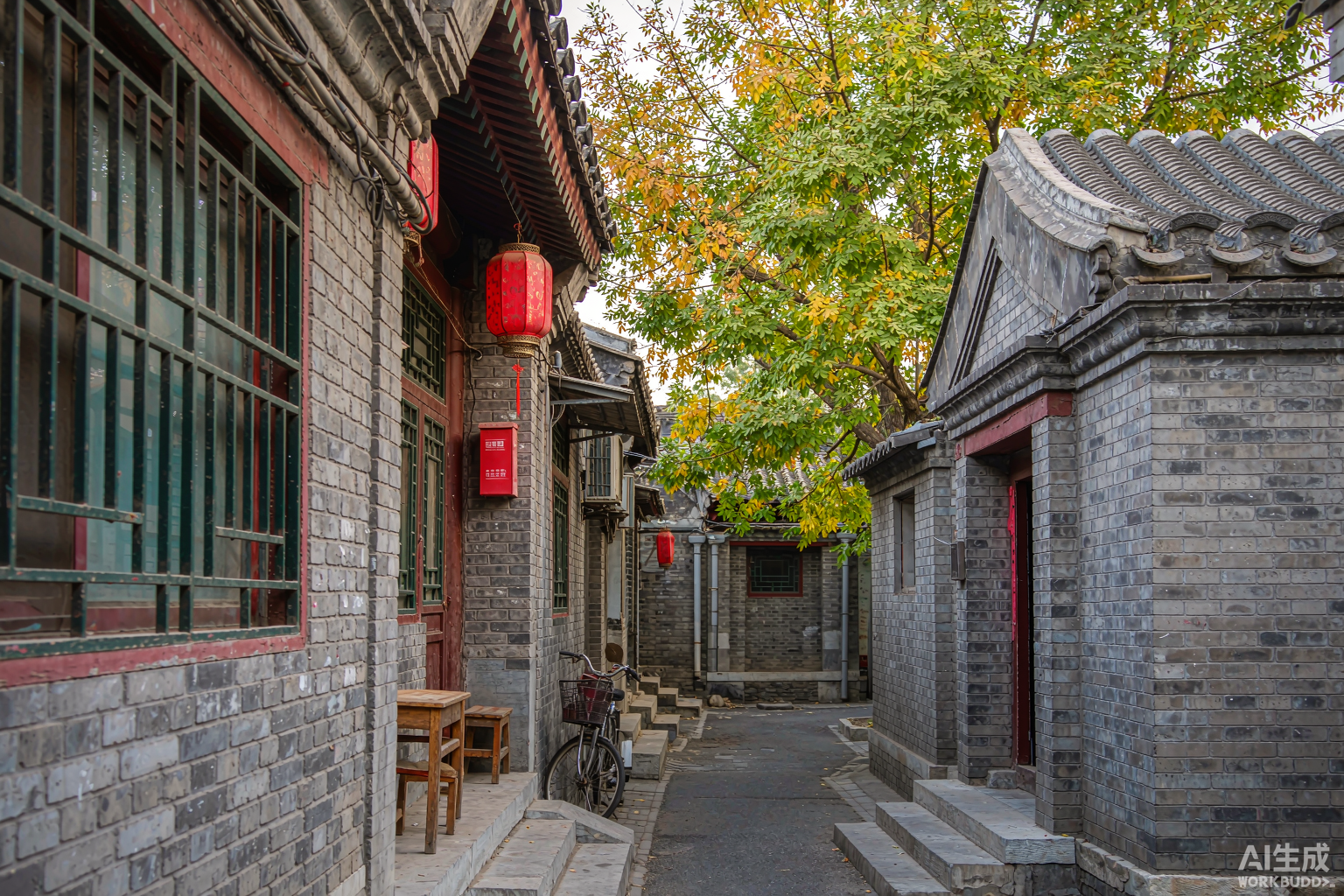
People picture Beijing as a grey, boxy capital of wide avenues. The parts that stay with me are smaller. On my second trip I rented a bike near the Drum Tower and rode south until the lanes narrowed and a man was repotting chrysanthemums outside a courtyard home. A neighbor pressed a warm chestnut into my hand without a word. That ten minutes told me more about the place than any monument.
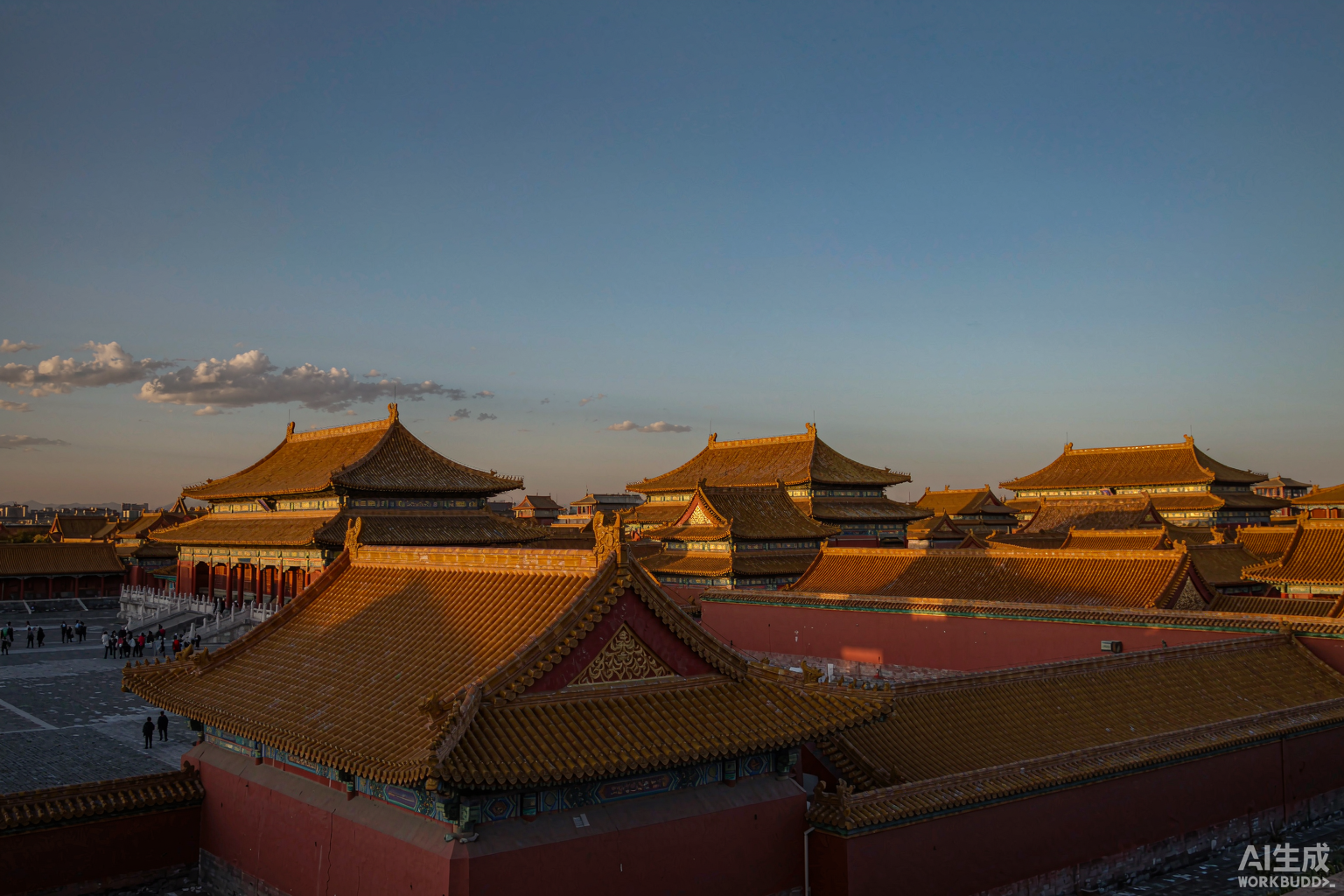
The imperial sites are unavoidable and worth it, but the everyday texture — morning tai chi in a park, the smell of roasted sesame oil drifting from a lane, the way low autumn light hits the grey brick — is what makes the city land. I now build each day around one major sight and keep the edges loose, because the unplanned hour is usually the best one.
Getting to and Around Beijing
Most international visitors arrive at Beijing Capital International Airport (PEK). A growing number of long-haul and many Asian routes now use the newer Daxing (PKX) south of the city, so check your terminal before booking the transfer. The Airport Express from PEK reaches Dongzhimen in about 25 minutes; a metered taxi or DiDi ride runs 45 to 70 minutes depending on traffic and costs far less than the limo quotes inside arrivals.
From other Chinese cities, the high-speed rail is the move. The train from Shanghai takes around 4.5 hours, from Xi’an about 4 hours, and both drop you at central stations linked to the subway. Inside Beijing, the subway is the workhorse: 2 to 10 yuan a ride, English signage, and it dodges the ring-road jams that pile up at rush hour. Use Alipay’s transit code on your phone and you skip ticket machines. For Great Wall day trips, take the suburban rail to Badaling or a licensed coach; ignore the touts outside stations selling “private” buses.
Getting around on two wheels is underrated here. Dockless bikes from Meituan and Hello are everywhere inside the Second Ring; unlock them through the Alipay mini-program and you can ride the hutong edges for almost nothing, which is exactly how I found the chestnut man. For point-to-point rides, DiDi works like Uber and shows an upfront price in yuan, so there is no negotiating and no surprise at the end. At the airports, the official Airport Express is the cheapest and fastest link to the subway; a ranked taxi is fine if the meter runs, but wave off anyone who approaches you inside the arrivals hall offering a special fare or a cheaper ride.
Best Time to Visit Beijing
Spring (April to May) and autumn (September to October) are the comfortable windows. The air is clearer, the light suits photography, and the ginkgo trees turn the temple grounds gold in late October. Summer is hot, humid, and crowded; winter is dry, bitterly cold, and sees the fewest tourists plus the best hotel rates. The Forbidden City under fresh snow is a memory I still return to.
If you want the Wall without the scrum, target a weekday in late September or early November. I once had a long stretch of Mutianyu nearly to myself on a Tuesday in early November: cold hands, clear views, no queues. That is the version worth planning for.
Where to Stay in Beijing
First-timers should base themselves inside or just outside the Second Ring Road. Wangfujing and Qianmen put you within walking distance of the Forbidden City and onto the subway fast; the Lama Temple and Gulou area suit travelers who want nightlife and hutong walks. If you would trade a short commute for character, a restored courtyard hotel in Beijing’s old lanes is hard to beat — I break down the best options in a separate guide.
Wherever you book, check the nearest subway station on a map, not just the district name. “Chaoyang” covers a huge area; two hotels a few kilometers apart can mean a 40-minute difference in your daily travel time, and Beijing is too spread out to shrug that off.
What to Eat
Start with Peking duck, but skip the tourist palaces and find a local spot where the pancakes are paper-thin and the fat renders clean. Zhajiangmian — noodles with fermented bean paste — is the everyday staple I ate most on my last trip: cheap, filling, and on every corner. For breakfast, a jianbing (savory crepe) from a street cart beats any hotel buffet, and a string of tanghulu (candied hawthorn) costs almost nothing.
The Forbidden City has no food inside, so eat before or after. The hutongs around the Drum Tower hide small restaurants where a full hotpot for two costs less than a single duck dinner downtown. Luzhu and chaogan are the local comfort foods worth trying if you want something beyond the famous dishes.
On food, two memories stay with me. One winter I ate hotpot in a Gulou basement with a local friend who ordered for the table, tripe and lotus root and a broth that started mild and ended fierce, and the bill for three people was less than a single duck dinner elsewhere. The other is a duck meal where the chef carved at the table and the leftover fat went into a noodle soup we finished standing up. Both beat the famous-name restaurants for value, and both came from following locals rather than a list.
Practical Tips That Save Time
Book Forbidden City tickets online before you fly; same-day tickets sell out in peak season and there is no gate sale. Carry your passport — it is checked at major sights and sometimes at hotel check-in. Download a maps app that works in China (Gaode or Amap) because Google Maps is unreliable here. Keep some small cash; a few temple kiosks and hutong shops still prefer it.
The city is enormous, so group sights by district. Trying to do the Summer Palace, the Wall, and the Forbidden City in one day means more time in transit than at any of them. I also check the daily air-quality index on my phone during winter and shift outdoor plans accordingly.
Before you fly, set up the apps and payment you will need, because the internet here works differently from home and some services you rely on may not load as expected. Install a maps app that functions in China, link a payment method if you can, and save offline copies of your hotel address and a few key phrases. None of this is hard, but doing it on arrival, tired and on hotel Wi-Fi, is far harder than doing it on the sofa a week earlier.
A 3-Day Beijing Itinerary
Day 1: Tiananmen Square early, then the Forbidden City (allow 3 to 4 hours), and Jingshan Park for the overlook at the north gate. Evening walk through Qianmen or the hutongs near Gulou.
Day 2: Mutianyu section of the Great Wall — arrive at opening to beat the buses. Back in town, the Lama Temple in the late afternoon, then dinner in the lanes.
Day 3: Summer Palace in the morning, then the 798 art district or a food crawl on Guijie. Save the National Museum if your interest runs historical; it is easy to spend half a day there.
Frequently Asked Questions
Is Beijing safe for tourists? Yes. Violent crime against visitors is rare. The main risks are pickpockets in crowded transit and overpriced “tea ceremony” or “art student” scams near the major sites. A firm no ends almost all of them.
Do I need a visa? It depends on your nationality. Many travelers use the 144-hour visa-free transit when flying through Beijing; rules shift, so confirm with the embassy before booking.
How many days are enough? Three full days covers the headline sights; five lets you add the Summer Palace, a Wall day, and a slower hutong morning without rushing.
Can I visit the Great Wall on my own? Yes. Mutianyu and Badaling are reachable by public suburban rail or coach. Jinshanling is better for serious walkers and has fewer crowds but limited transit, so a driver makes sense there.
Disclaimer: This guide reflects my personal visits and was accurate at the time of writing. Prices, visa rules, and opening hours change. Confirm critical details with official sources before you travel, and travel insurance is always worth the cost.