Published: August 12, 2026 | Author: Karl Huang
Most travellers blow through Karamay on the way to somewhere else. I almost did too, until a night parked by the Karamay River changed my mind. This Karamay travel guide comes from three separate trips I made between 2019 and 2025: driving in from Urumqi, walking the Black Oil Hill seepages, and spending a gusty afternoon among the eroded cliffs of the Urho Ghost City. If you want the polished brochure version, look elsewhere. What follows is what I actually learned on the ground, including the bits I got wrong.
Karamay is a working oil town in northern Xinjiang, built on top of one of China’s first large petroleum fields. The name is Uyghur for “black oil,” and on some mornings you can still catch the refinery smell drifting across the boulevards. What keeps me returning is the contrast: a gritty, modern city of wide streets and a manicured riverfront, ringed by some of the strangest geology in the country.
Quick Reference: Karamay at a Glance
| Aspect | Details |
|---|---|
| Region | Northern Xinjiang, in the Junggar Basin |
| Best time | May to early October; September is calmest |
| Getting in | Karamay Airport; ~4-hour drive from Urumqi; train available |
| Main sight | Urho Ghost City (Wuerhe), about 100 km from downtown |
| Typical stay | 1 full day (city + Ghost City), 2 with Ailik Lake |
| Local food | Big-plate chicken, laghman, grilled fish, pilaf |
First Time in Karamay: What Actually Stuck With Me
The thing nobody warned me about was the wind. My first visit landed in late April, and gusts off the Junggar plain rattled the hotel windows hard enough to wake me at 3 a.m. Locals shrugged; they call this corridor one of the windiest in China, and the whole city is built to lean into it. By midday the same wind had scrubbed the sky flat and photographic, and the light over the northern Junggar Basin went long and clean.
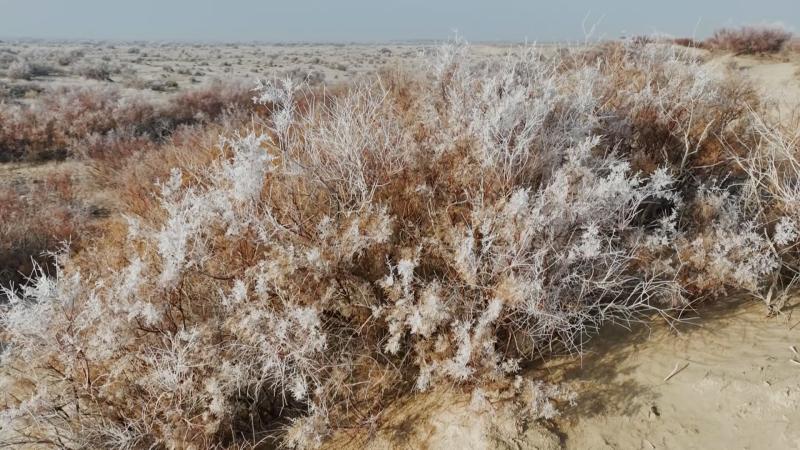
I spent a morning at Black Oil Hill (Heiyoushan), where crude oil still seeps slowly from the ground into dark, tarry pools ringed by wooden walkways. It is less a “sight” than a frank reminder of why this city exists. A few kilometres away stands the original No. 1 well, drilled in 1955, now preserved behind a small plaza with the old derrick rebuilt on top. Standing there, I finally understood the scale of the place in a way the museum pamphlets never managed.
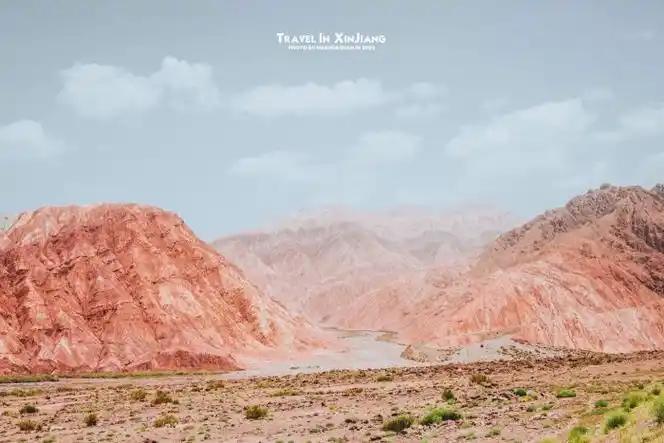
The real payoff is the Urho Ghost City, and I made the classic mistake of arriving at noon on my first attempt. The plateau baked, the light was flat, and the mudstone towers looked like nothing so much as a construction site. I came back at 5 p.m. the next day and stayed until the sun leaned west and turned the cliffs red and gold. The Yadan formations, wind-carved over millennia, take on faces if you stare long enough. The local name, “Ghost City,” comes from the whistle the wind makes squeezing through the narrow gaps between the towers; on a gusty evening it really does sound like something moving out there. Bring a windbreaker even in summer, because the exposed ground drops temperature fast once the sun slips.
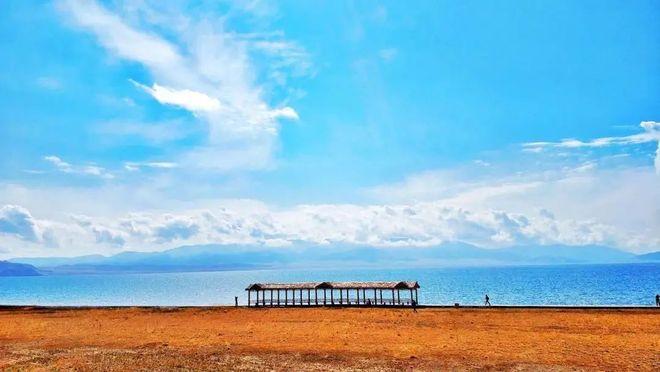
Between the city and those cliffs lies Ailik Lake, a shallow freshwater sheet in the Gobi that I almost skipped and then regretted nothing about visiting. In autumn the reeds pull in migratory birds, and the road out passes row after row of white wind turbines, the other half of Karamay’s identity after oil. I pulled over once to let a sandstorm-front roll past, and the contrast of ancient desert and modern energy, side by side, felt like the whole story of the place in a single frame.
Karamay Travel Guide: Getting There and Around
Karamay has its own airport (Karamay Guhai, code KRY) with daily flights to Urumqi and a handful of seasonal routes farther afield. Landing there is its own small experience: the terminal is compact, the taxi rank is orderly, and the 30-minute ride into the centre passes the first pumpjacks nodding in the dirt, a reminder of what put this town on the map. The train is slower but comfortable, and the road run from Urumqi is roughly 310 km, taking about 3.5 to 4 hours by car along good highway. If you are building a longer loop, our how to get to Xinjiang overview covers the flight and rail picture, and the self-drive Xinjiang piece explains what the highways are actually like once you leave the city.

One detail worth knowing before you plan: the famous Duku Highway begins in Karamay’s Dushanzi District, about 140 km south of the city centre. Plenty of travellers start the Duku from there without realising the connection. If you are doing that road, treating Karamay as your northern base works better than most people expect.
Best Time to Visit Karamay
Spring (April to May) is windy and dust-prone; I would not plan a first trip then. Summer is hot, with daytime highs regularly around 35°C and occasional spikes toward 40°C, but the low humidity makes it bearable, and the Ghost City sunsets are superb. Autumn, especially September, is the sweet spot: cool, clear, and calm. Winter is brutally cold, often below −20°C, but eerily beautiful if you are equipped for it. For the region-wide picture, our best time to visit Xinjiang guide breaks it down month by month.
Where to Stay
Karamay is a business-and-industry city, so the hotel stock is practical rather than charming: clean mid-range chains clustered around the centre and along the Karamay River. I have stayed near the riverfront twice and liked being able to walk out to the evening fountain show without hailing a cab. For the Ghost City, most visitors stay in Karamay city and drive out; Urho District has a few quieter options if you want to catch sunrise on the cliffs. The nearby garden city of Shihezi makes an easy add-on if you are heading east.
What to Eat in Karamay
You eat well here, partly because the oil workforce expects it and partly because the noodle culture runs deep. The standout is big-plate chicken (dapanji) with local potatoes and wide hand-pulled noodles underneath. I found a hole-in-the-wall near the old market on my second trip, ordered it on a hunch, and still think about it. Laghman, grilled mutton skewers, and pilaf (zhuafan) turn up on every corner, and the flatbread (naan) pulled hot from the tandoor makes a cheap, addictive snack between meals. Out at Ailik Lake, ask about grilled freshwater fish; the version I had, crisp-skinned and plain, beat anything fancy I ate in the city. Don’t skip the night market along the river either. I ate a late bowl of laghman there on my last trip, watching the fountain pulse to a Mandarin pop song, and it was the most ordinary and most memorable meal of the week. Vegetarians get by on noodle and bread dishes but should lower expectations for variety.
Practical Tips Before You Go
- Wind is the headline hazard. Pack a proper jacket even in July.
- The Ghost City has a separate ticket and is far cheaper, and far less crowded, in the late afternoon than at midday.
- Fill the fuel tank before leaving the city; services thin out fast toward Urho and Ailik Lake.
- Carry some cash for small stalls. The riverfront night market can be patchy on card readers.
- Sunscreen and lip balm are non-negotiable in the dry basin air.
- Mobile coverage is solid in the city and on the main road to Urho, but patchy deep in the Yadan loops.
A One-Day Karamay Itinerary
Morning: Black Oil Hill and the No. 1 well plaza (about 2 hours). Late morning: walk the Karamay River and the riverside museum (1.5 hours). Lunch: dapanji near the old market. Early afternoon: drive to Urho Ghost City, allowing roughly 1.5 hours each way. Late afternoon to sunset: walk the Yadan loops and photograph the cliffs (2 to 3 hours). Dinner: back in the city for grilled fish or skewers. If you have a second day, swap the Ghost City for Ailik Lake and the surrounding wind farms.
Frequently Asked Questions
Is Karamay worth visiting on its own? Yes, but treat it as a 1 to 2 day stop rather than a week-long destination. It pairs naturally with the Duku Highway or a broader northern Xinjiang loop.
Do I need a guide for the Ghost City? No. The site has boardwalks and marked loops. A local guide adds folklore about the rock shapes, which is fun but optional.
Can I visit in winter? You can, and the frozen basin is striking, but some facilities around the Ghost City scale back. Confirm before you go.
How long from Urumqi by train? Roughly 5 to 6 hours. The drive is faster at 3.5 to 4 hours if you have a car.
Disclaimer
This guide reflects my personal visits and was last refreshed in August 2026. Opening hours, ticket prices, flight schedules, and road conditions in Xinjiang change often, and weather or administrative closures can appear with little notice. Always confirm current details with official sources and your accommodation before you travel. Nothing here is formal travel advice, and I take no responsibility for disruption to your plans.
About the Author
Karl Huang is a travel writer who has covered Xinjiang on and off for several years, with a particular soft spot for its industrial fringe towns and desert geology. He prefers slow road trips, local noodle shops, and the unglamorous hours of the day most tourists sleep through. He can be reached through the Xinjiang Attractions editorial desk.