Published: August 21, 2026 | Author: Karl Huang
Most foreign travelers have never heard of Tumxuk, and that is precisely why I keep recommending it to people who have already done the big Xinjiang hits. Tumxuk (图木舒克) is a county-level city on the western rim of the Tarim Basin in southern Xinjiang, where a narrow belt of irrigated farmland runs right up against the Taklamakan Desert. I first rolled through in late October, coming off the Kashgar–Hotan road, and what caught me was the contrast: brand-new apartment blocks and a tidy grid of streets, sitting on ground that was a Silk Road stop more than a thousand years ago. This write-up comes from that drive and from conversations with farmers and a retired teacher who have lived through the city’s short life. I am not going to sell it as the next headline destination. I will tell you what is actually there, what is worth your time, and what is not.
A Quick Reference for Tumxuk
| Item | Detail |
|---|---|
| Location | Western Tarim Basin, southern Xinjiang |
| Administration | Xinjiang Production and Construction Corps, 3rd Division |
| City status | Approved 2002, formally established 2004 |
| Nearest airport | Kashgar (KHG), roughly 160 km north |
| Best months | April–May and October–November |
| Famous for | Poplar forests, red dates, Silk Road Buddhist ruins |
| Local languages | Mandarin widely used; Uyghur common in markets |
What It Feels Like to Arrive
When we drove in from Kashgar, the highway ran dead straight for what felt like an hour, flanked first by plowed cotton fields and then by single-file rows of poplars that someone had planted as windbreaks. The city itself is compact. You notice the regimented blocks first: wide roads, low buildings, and orchards of date trees that in autumn carry a deep red fruit. A retired teacher we met over tea explained that the whole place was farmland and scattered settlements until the early 2000s, when the XPCC 3rd Division pulled it together into a city. He laughed when I called it a boomtown. “We call it building from the desert,” he said, and the phrase stuck with me. Tumxuk is genuinely raised on reclaimed oasis, and you can feel the planning in the street grid and the canal lines that feed every field.
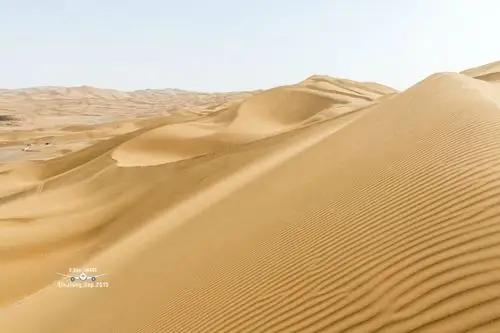
The desert is not a backdrop here; it is the neighbor. On the southern side of town the fields simply stop and the sand begins. We pulled over at a spot where a half-finished windbreak gave way to low dunes, and the silence was total except for the wind. If you have only seen Xinjiang as mountains and lakes, this edge-of-the-world flatness is its own kind of experience, and it explains why water and shade matter so much in local life.
Why the Ground Under Tumxuk Is Old
For all its newness, Tumxuk sits on one of the southern Silk Road’s quieter archaeological stories. The area supported Buddhist communities roughly between the 5th and 7th centuries, and local ruin sites, mounds, fallen stupas, and bits of monastic wall still turn up in the fields. Archaeologists have documented several ruin groups around the present city, some showing the Gandhara-influenced style common to this stretch of the route. None of it is a polished museum. You will not find ticket offices or roped paths. What you will find, if you ask the right local and go with respect, is the clear sense of a place that was spiritually important long before it was a city, and a landscape where the Yarkand River once made a green corridor through the sand.
If standing Buddhist remains are what draw you, the Mor Pagoda site outside Kashgar is far easier to reach and better documented, and it makes a natural pairing with a Tumxuk trip.
How to Reach Tumxuk
Treat Kashgar as your gateway. There is no airport in Tumxuk, and the nearest one with regular flights is Kashgar (KHG), about 160 km north. From Kashgar you have two realistic options, and I have used both.
The train is the one I prefer. The Kashgar–Hotan railway, completed in the early 2010s, has a stop at Tumxuk, and the ride is under two hours, cheap, and a calm way to watch the oasis give way to sand. Trains are not frequent, so check the day’s schedule and buy at the Kashgar station rather than assuming you can hop on. Buses and shared cars also run the G3012 expressway and the older G315, and the drive takes roughly two and a half hours with stops. The bus is slower but leaves from the long-distance station on a looser timetable and drops you closer to the center.
Once you are in town, everything is close enough to reach on foot or by a short taxi ride. We did not need a car inside the city, but if you want the outlying poplar belts and the ruin fields, arrange a driver through your hotel, because public transport thins out fast past the city limits.
If you are already thinking about a longer desert crossing, the Tarim Desert Highway starts not far to the east and is the most dramatic way to experience the Taklamakan itself.
When to Visit Tumxuk
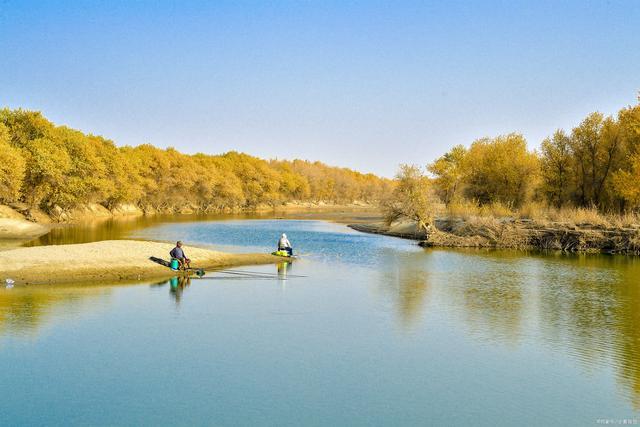
Two windows work, and I would not try for a third. Spring, roughly April into May, brings apricot blossoms, fresh green on the poplars, and milder temperatures before the heat sets in. The orchards are busy and the light is clean. Autumn, from October to early November, is my favorite: the Populus euphratica groves go gold, the red-date harvest is on, and the air turns soft and dry.
Skip deep summer if you can. Daytime temperatures push past 38°C and the sun is relentless on the open plain, with little shade outside the windbreaks. Winter is cold and very quiet, with little going on for a visitor. Spring also carries the region’s dust season, when wind off the desert can throw up a brown haze for a day or two, so pack a scarf and do not plan photography around those days.
Where to Stay
Be realistic: Tumxuk is not a resort town. What you get is a small set of mid-range hotels and XPCC guesthouses, clean and functional, usually with Wi-Fi and a hot shower but rarely with English-speaking staff. We stayed in a block near the main square and paid a modest rate for a large room, roughly what you would spend in a small county town anywhere in the region. Book ahead only during a holiday week; otherwise you can usually walk in. If you want comfort and choice, base yourself in Kashgar and do Tumxuk as a long day trip or a single overnight, which is what most independent travelers do.
What to Eat
The food is the easy highlight, and it is the part I would travel for again. The 3rd Division farms red dates, walnuts, and apricots, and the markets sell them dried and fresh at prices that made me regret not bringing a bigger bag. Sit-down meals are standard southern Xinjiang fare: laghman (hand-pulled noodles), polu (rice with carrot and lamb), samsa (baked meat pastries), and charcoal kebabs off the street braziers in the evening. Naan comes warm from the tandir ovens, and a walnut pastry from one stall near our hotel was the best thing I ate that week.
A small night market near the bus station does a steady trade after dark. We ate there both nights and never spent much, and the red-date tea a vendor pressed on us was the kind of small kindness you remember. If your route runs east, Yuli County’s poplar forests show a different side of the same Lop-country landscape and the people who live among it.
Practical Tips Before You Go
- Bring some cash. Cards work in hotels, but small food stalls and rural drivers often want paper money.
- Download offline maps. Signal is fine in town and patchy at the ruin fields and the desert edge.
- Time the poplars. Check the Xinjiang autumn foliage calendar so you do not miss the gold by a week.
- Ask before entering any ruin or farmland. Much of it is active agriculture or restricted, and a local guide saves you trouble.
- Carry water and sun protection even in spring. The dryness sneaks up on you faster than the heat does.
A Simple Two-Day Plan
Day 1: Morning train or bus from Kashgar. Drop bags at the hotel, walk the central blocks, visit the local museum if it is open, and eat laghman and kebabs at the night market in the evening.
Day 2: Hire a driver for the poplar belts and the southern desert edge at first light. Buy red dates at the market, photograph the windbreak rows, and roll back to Kashgar by late afternoon.
Tumxuk is not the only young city the Corps has raised on reclaimed Tarim land. Aral, another young Tarim Basin city, followed a similar path further east and makes an interesting comparison if you are tracing how this region was settled in living memory.
Frequently Asked Questions
Is Tumxuk worth visiting on a first trip to Xinjiang?
Not as a standalone stop. Pair it with Kashgar, which has the transport, the old city, and the hotels. Tumxuk rewards travelers who already have the basics covered and want something unglamorous and real.
Can I see the Buddhist ruins on my own?
They are scattered and unofficial. Going with a local who knows the spots is the realistic way, and always ask permission before walking onto farmland or near any mound.
Is it safe?
The region is calm and the city is quiet at night. The bigger practical issues are heat, dust, and thin tourist infrastructure, not personal safety.
When are the poplars gold?
Usually late October into early November, but it shifts with the year’s weather, so confirm close to your travel dates.
A Note on Expectations
This is not a polished tourist town, and I have not dressed it up to be one. Sites may be closed, trains may be full during holidays, and English is rare. The information here reflects my own visit and standard regional conditions, but schedules and access change. Confirm transport and any site openings through your hotel or a local contact before you commit to the trip, and travel with the flexibility that a small oasis city asks of you.
About the Author
Karl Huang is a travel writer focused on Xinjiang and western China, with years of on-the-ground reporting across the Tarim Basin and the Pamirs. He writes practical, first-hand guides for independent travelers and contributes to several regional travel publications.