Published: August 13, 2026 | Author: Karl Huang
Most visitors who land in Xinjiang have never heard of Yuli. They build their routes around Kashgar, Kanas, and the Turpan basins, and they drive straight past a narrow county where the Tarim River bends out of the desert and a small community of river people kept their old habits alive long after the maps stopped showing them. Search “Yuli Xinjiang” and you get a thin, confusing set of results, which is part of the appeal if you like places that haven’t been packaged yet.
I have driven into Yuli County (尉犁县) three times now. The first was a cold March morning when I left Korla before the sun cleared the river bluffs; the most recent was late October, chasing the week when the roadside poplars turn the color of old brass. Every trip taught me something the guidebooks get wrong. This guide is built from those drives, a lot of grilled fish eaten on poplar sticks, and several long afternoons with villagers who remember the fishing life better than any plaque does.
Yuli County at a glance
| Item | Detail |
|---|---|
| Location | Northeast rim of the Tarim Basin, Bayingol Mongol Autonomous Prefecture |
| Nearest hub | Korla (about 50 km north; airport + railway) |
| Signature sight | Luoburen Cunzhai (Lop People Village) |
| Best season | Late April–May for comfort; mid-Oct–early Nov for poplar color |
| Main river | Tarim River (China’s longest inland river) |
| Suggested stay | Base in Korla, 1 day for Yuli; 2 days with Luntai |
What the Lop People Village actually is
When we pulled into the Luoburen Cunzhai, the first thing I noticed was the quiet. No call to prayer, no loudspeaker tours, just the wind moving through the reeds along the Tarim. The village is a working museum of the Lop (罗布) people, a river-bound group who lived for centuries along the Tarim and around the now-dry Lop Nur lake. They fished with nets, hunted wild boar and waterfowl, and travelled the water in kapen — narrow boats hollowed from a single poplar trunk. Their houses were frames of poplar wood packed with reed and mud, low and cool, built to survive a land with no timber except the river’s own trees.
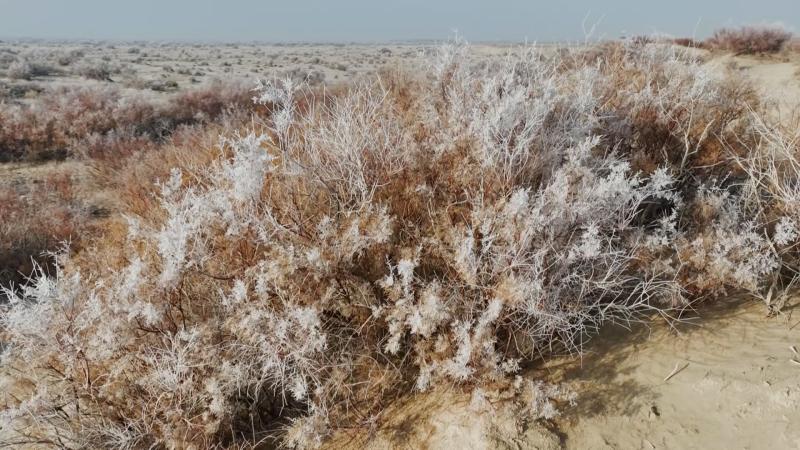
The reconstructed village keeps a cluster of those houses, a small museum with dugout boats and reed fish traps, and a line of open grills where the signature dish is cooked the old way. Stand by the riverbank in the morning and you can still see why these people stayed: the water draws birds, the poplars shade the bank, and the desert behind holds its breath.
The kapen boats deserve a paragraph on their own. I watched one being dragged to the water by two men who treated it like a relative. A single poplar log, charred on the inside to hollow it, smoothed by generations of use, light enough for one person to carry but steady enough to hold a standing fisherman and his net. The Lop fished the Tarim’s bends for carp and a native catfish, working at dawn before the heat, and they read the river’s mood the way a sailor reads the sea. When the Lop Nur lake dried in the late 20th century, the fishing life moved inland to the Tarim’s lower reaches, and then largely ended as younger people left for Korla and the cities. The village keeps the memory on display, but the living practice is thin, which is why talking to the old guides matters more than reading the panels.
One thing I’d tell any first-timer: hire the local guide at the gate. The English signage is thin, and the best stories — about the last Lop elders, about how the lake vanished, about which fish ran in which month — come out only when someone sits with you and talks. We paid a modest fee, and the hour we spent was worth more than the rest of the afternoon combined.
Getting to Yuli Xinjiang
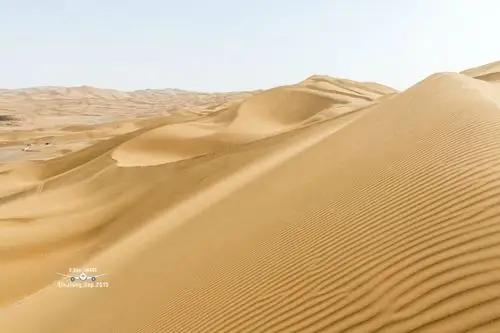
Yuli has no airport of its own, and that is the point. You go through Korla, the prefectural capital, which has an airport with daily flights from Urumqi and a handful of other cities, plus a railway station on the Golmud–Korla line. From Korla it is a straight run south on the G218, roughly 50 to 70 km depending on which gate you use, and the drive takes about an hour through flat farmland that gives way to scrub and then open desert. A hired car or a rideshare from Korla is the realistic option; public buses run but on loose schedules that don’t suit a tight plan.
If you are on a longer southern loop, the G218 continues south toward Ruoqiang and the Tarim Desert Highway is a logical add-on to the west, putting Yuli on a natural Korla–Luntai–Aksu arc.
When to go
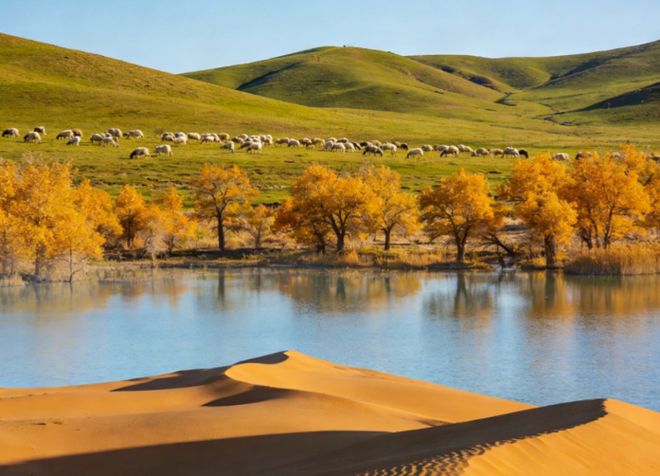
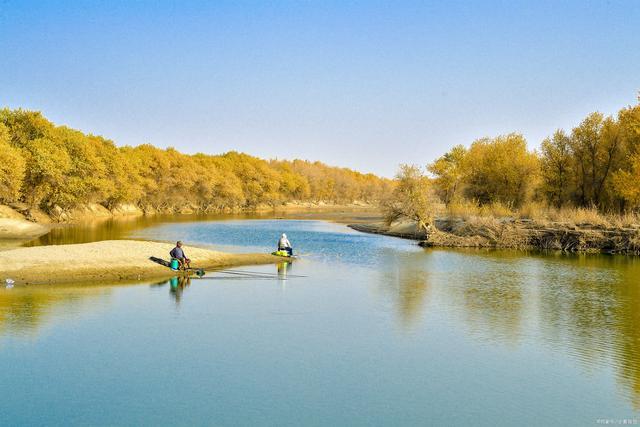
I have now been in three seasons, and I’d rank them this way. Spring (late April to May) is the easiest: days sit in the low 20s, the wind is manageable, and you’ll have the village almost to yourself. The catch is the occasional sand-laden gale, so pack a scarf and flexible plans. Autumn (mid-October to early November) is the pretty one — the riverside poplars go gold for maybe two weeks, and the light on the desert is the reason people drag camera bags out here. Summer is harsh: temperatures press past 40°C, the midday sun is dangerous, and I wouldn’t plan anything but early-morning walks. Winter is empty and cold but strangely peaceful if you have the right clothes.
Where to stay
I base myself in Korla and treat Yuli as a day trip. Korla has the full range, from clean budget hotels near the bus station to four-star towers with heating and a proper breakfast. Staying in Korla also means you can pair the Lop village with the city’s own sights and eat better at night. Yuli county town has a few basic hotels if you want to be first at the gate, and there are simple guesthouses and desert camps near the village, but the comfort and food are a step down. For a first visit, sleep in Korla.
What to eat
The Lop people’s calling card is grilled fish — whole river fish split, threaded on a poplar stick, and cooked over open coals until the skin cracks. It tastes of smoke and the river, and it is nothing like the battered fish you get in coastal cities. The first time I ate it, I burned my lip on the skin and didn’t care. We sat on low stools by the water while a villager turned the sticks, and a child ran past with a net shaped like the ones in the museum. That hour is the whole reason I came back. Order it with Lop Nur stories from your guide on the side.
Around the village and in Korla, the rest of the table looks like southern Xinjiang: lamb roasted on tamarisk branches, hand-pulled laghman, oily pilaf with carrot and raisin, and flat naan pulled fresh from the tandoor. Ask for robuma tea (罗布麻茶), a local herbal brew the Lop people drink; it’s mild and a nice break from sweet sodas. In Korla, the fragrant pears are the souvenir worth carrying.
Practical tips
- The desert edge is no joke. Bring a hat, sunglasses, a liter of water per person, and sunscreen even in spring.
- Mobile payment (WeChat/Alipay) works in Korla and Yuli town; carry some cash for the village stalls and grills.
- Tickets for the Lop People Village cover several zones; check the current price and opening hours at the gate or on the county tourism line before you go, as they shift by season.
- Go early. The light is better and the wind tends to pick up after noon.
- If poplars are your real goal, pair this with Luntai’s poplar forest to the west, which holds the larger stands.
A two-day plan from Korla
Day 1: Morning flight or train into Korla. Settle in, walk the Peacock River park, and eat pears and laghman in the evening. Day 2: Leave Korla at 8 a.m., reach the Lop People Village by 9:30, hire the guide, walk the houses and museum, grill fish for lunch by the river, then drive the G218 south a short way to feel the desert before returning to Korla for the night. If you have a third day, push west to Luntai for the bigger poplar forest, or north onto the desert highway. Ruoqiang, further south, makes a longer loop for the truly curious.
FAQ
Is Yuli worth visiting if I only have a week in Xinjiang? If your week is Kashgar-Kanas-Turpan, probably not. But if you’re already in the south and want something unhurried and a little strange, it’s a half-day that sticks with you.
Do I need a permit? The village and county are open to foreign visitors without a special permit beyond standard Xinjiang entry rules; the deeper Lop Nur wilderness is a different matter and needs arrangement.
Can I see the Lop people themselves? The village is partly performed for visitors, but the guides and some residents are Lop by heritage and speak openly about the culture. Treat it as living heritage, not a theme park.
How long is the poplar color good? About two weeks in late October to early November, and it moves with the weather, so call ahead if it’s the reason you’re coming.
Disclaimer
This guide reflects my visits between 2024 and 2026. Opening hours, ticket prices, flight schedules, and road conditions in this part of Xinjiang change, and the Lop Nur wilderness has access rules that shift with the season. Confirm details with the Korla or Yuli tourism offices and your embassy’s travel advice before you go. I was not paid by any operator named here, and I’ve noted where my own experience may not match yours.