Published: August 21, 2026 | Author: Karl Huang
Most travellers heading for Kanas never spend a night in Beitun, and that is exactly the reason we came to like it. Beitun sits at the very top of Xinjiang, where the Irtysh River swings north and the road into the Altai mountains begins. We used it as a base for four nights while exploring the north, and a town that looked on the map like a quiet garrison turned out to be the most sensible place in the region to sleep, eat, and regroup before the long drives ahead.
This guide is built from that trip. It covers how to get in, when to go, where to stay, what to eat, and a realistic stopover plan. We also say plainly what Beitun is not — a working river town rather than a postcard scenic spot — so you can decide if it earns a place on your route.
| At a glance | Detail |
|---|---|
| Best for | Quiet base, cold-water river fish, gateway to Kanas and Koktokay |
| Location | Altay Prefecture, far northern Xinjiang; at the meeting point of the Irtysh and Burqin rivers |
| Getting there | Train to Beitun Station; or fly to Altay (AAT) or Kanas (KJI) airport, then drive |
| Best months | June–August for green, late September–early October for autumn colour, December–February for ice |
| Local signature | Irtysh pike and other cold-water fish, willow-flower tea |
| Typical stay | 1–2 nights as a stopover |
What We Found in Beitun
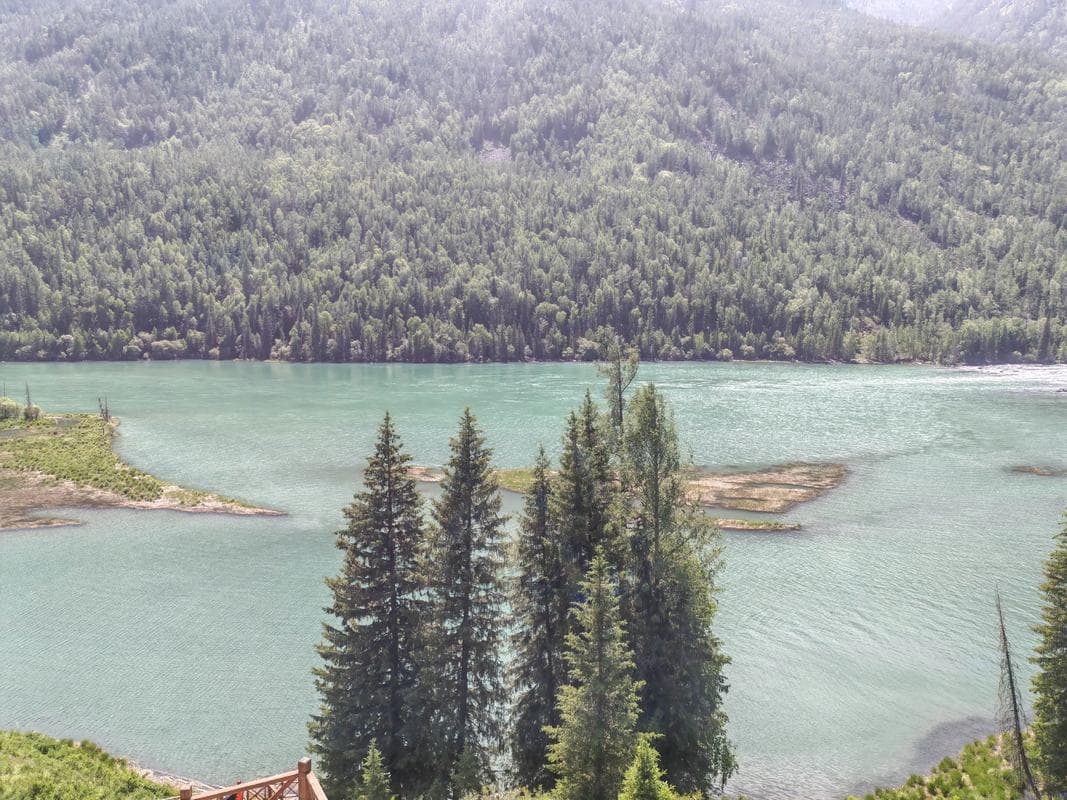
We rolled in on the evening train from Urumqi and walked straight out of the station into a grid of wide, empty boulevards. The first surprise was the river. The Irtysh here is broad and slow, and a concrete embankment runs along it where local families ride bikes after dinner. We had pictured a frontier outpost; instead we found a tidy, low-rise city of maybe 100,000 people, built in neat blocks by the Xinjiang Production and Construction Corps.
The name itself tells the story. “Beitun” means northern garrison, and the place grew from a 1950s Corps settlement into a county-level city in 2011. You can still feel that planning in the straight streets and the quiet. What won us over was the food and the ease of moving on. From Beitun we reached Burqin in under an hour, and from there the whole Kanas corridor opened up.
One evening we ordered the local pike — gouyu in Chinese, a toothy predator pulled from the cold Irtysh — grilled whole with cumin. It tasted cleaner and firmer than any river fish we had tried further south. That single meal is why we tell people to stop here rather than blow past on the way to the famous lakes.
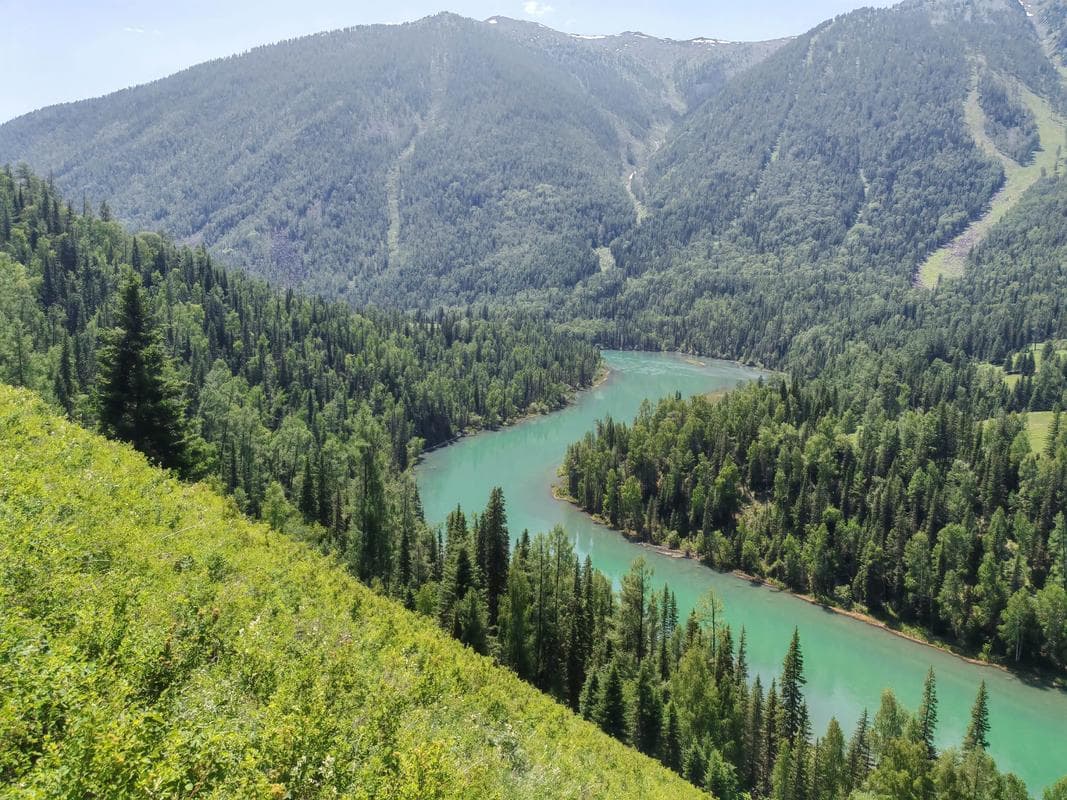
How to Reach Beitun
Beitun has its own railway station, Beitun Station, on the line that runs from Urumqi up through the north. The ride from Urumqi takes roughly ten to twelve hours by conventional train, which is why most visitors prefer to fly and rent a car. The nearest airports are Altay (AAT), about 50 km south of the city, and Kanas Airport (KJI), which sits closer to Burqin and the lake country. From either airport a hired car or a pre-booked transfer gets you to Beitun in roughly an hour.
If you are already touring the north by road, Beitun is a natural hinge. It connects west to Burqin and the Jiadengyu gateway into Kanas, south to Fuyun and the Irtysh Grand Canyon, and north toward the border counties such as Jeminay. Buses run regularly to Burqin; from there shared vans and tours continue to Kanas and Hemu.
When to Go
We have come to think of Beitun as a three-season town, each with a different job. Summer, from June to August, is the comfortable base-camp window: long daylight, green riverbanks, and easy driving. Late September into early October is the famous one, when the poplars and larch around the Altai turn gold and the Kanas area fills with photographers. If you come then, book every bed and every transfer well ahead.
Winter is the wild card. The Irtysh freezes solid and temperatures drop past minus thirty Celsius. Roads can close without warning. We would only recommend the deep-winter version to travellers who actually want the ice and snow, not to anyone just passing through.
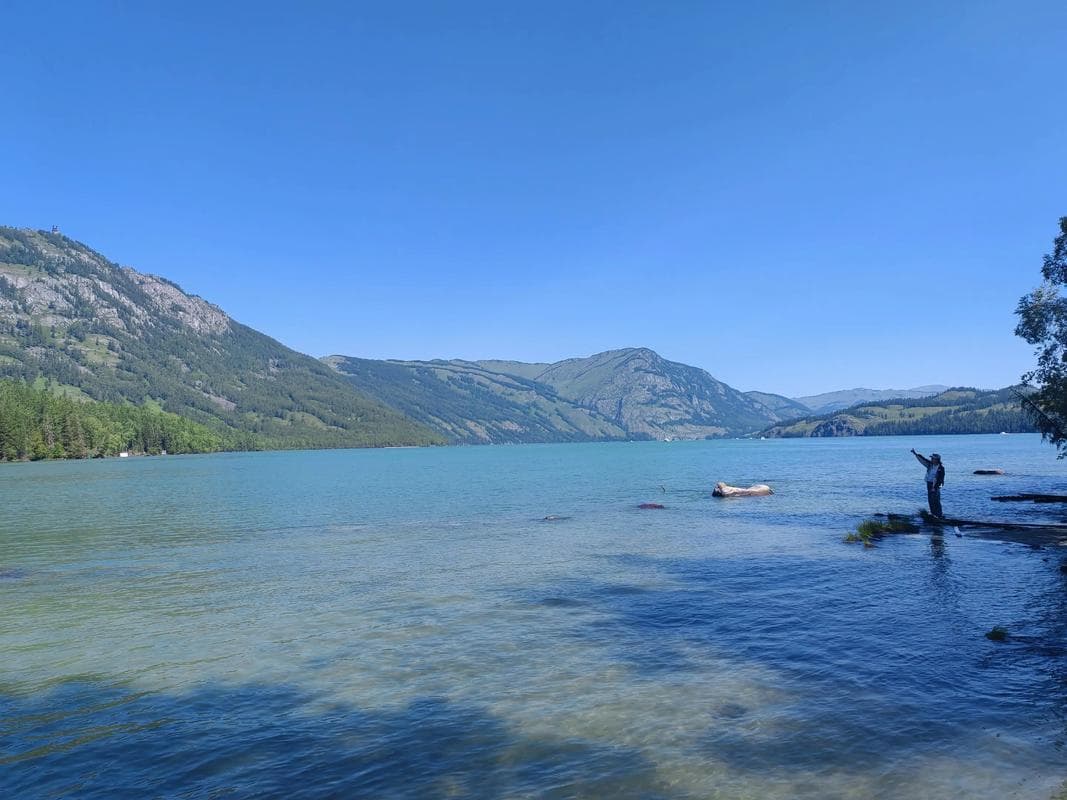
Where to Stay
Beitun is not short on beds. Around the station and along the main drag you will find a mix of Corps-run guesthouses, mid-range Chinese chain hotels, and the occasional newer business hotel with decent heating and reliable hot water. Nothing here is luxurious, and that is the point. We paid modest rates for a clean room, a good breakfast, and a parking spot for our driver.
Book ahead for the October peak. Outside that window you can usually walk in and negotiate a lower price, especially for multi-night stays. If your plan is to wake early for a Kanas run, staying in Beitun beats staying in crowded Burqin, because you start the morning already on the right side of the traffic.
What to Eat in Beitun
The kitchen is the real reason to pause. The Irtysh is one of the few places in China where you can eat true cold-water river fish — pike, perch, and a local white fish — usually grilled, braised with tofu, or made into a sour soup. Look for the words ejin yu (Arctic river fish) on the menu and order without hesitation.
The other local curious specialty is willow-flower tea, liuhua cha, made from the catkins of a particular riverside willow. It is mild, faintly sweet, and nothing like the green tea you drank in the south. Round out a meal with Kazakh-style dairy — dried curds, salty butter tea — plus the usual Xinjiang staples: zhua fan pilaf, kao baozi baked buns, and dapan ji chicken stew. If you want the village angle on the north, our comparison of Hemu and Baihaba covers the Tuva food traditions further up the valley.
Things to Know Before You Go
Beitun sits at low elevation, around 500 meters, so altitude sickness is not a concern — unlike the mountain passes deeper in the Altai. Carry your passport at all times. This is a border region, and checkpoints between towns are normal; hotels will register you on arrival. Mobile payment through Alipay or WeChat works almost everywhere, but keep a little cash for small roadside stalls and the occasional taxi that prefers it.
Even in July the nights are cool, so pack a light jacket. Mandarin gets you through most transactions, though you will hear Kazakh and Uyghur in the markets. If you are weighing the north against the other famous corner of the region, our piece on Ili versus Altai lays out the trade-offs plainly.
A 3-Day Beitun Stopover
Day 1. Arrive by train or flight, check in, and walk the river embankment at dusk. Dinner is grilled Irtysh pike and a pot of willow-flower tea.
Day 2. Drive to Burqin (under an hour), spend the late afternoon at the Coloured Beach, and return to Beitun for the night. This avoids the inflated hotel prices inside the scenic zones.
Day 3. Head south to Fuyun for the Irtysh Grand Canyon, a granite gorge cut by the same river that runs past your hotel. Back to Beitun, then onward to Kanas or Altay the next morning.
Frequently Asked Questions
Is Beitun worth visiting on its own? As a destination, no — it has no headline scenic spot. As a base for the Altai, yes, because it is cheaper, calmer, and better placed than the busy towns inside the tourist zones.
How far is Beitun from Kanas? Roughly 230 km, about a four-hour drive via Burqin and Jiadengyu. Most people do it as an early start rather than a day trip.
Can I actually see the Irtysh River in town? Easily. The embankment path runs right along it, and several restaurants front the water.
Do I need a border permit? Beitun itself does not require one, but some areas closer to the Kazakhstan and Mongolia borders do. Keep your passport handy and ask your hotel or driver before detouring north.
Disclaimer
Travel conditions in northern Xinjiang change with the season, the weather, and local policy. Train times, flight schedules, border rules, and opening hours described here reflect our visit in 2026 and may shift. Before you travel, confirm transport and any permit requirements through official channels such as China Railway (12306) and the Xinjiang tourism authorities. This article is independent travel writing, not an official notice, and we are not responsible for changes beyond our control.
About the Author
Karl Huang is a travel writer who has spent several seasons on the road across Xinjiang, from the Tarim Basin to the Altai. He focuses on practical, first-hand guidance for independent travellers and writes for Xinjiang Attractions. He has personally travelled the routes described in this article.