Published: August 17, 2026 | Author: Karl Huang, Xinjiang Attractions Editorial Team
People usually arrive in the Kanas region with one free night and one hard question: Hemu or Baihaba? We have made that call four times now, in three different seasons, and the answer changed each time depending on who we were travelling with. This Hemu vs Baihaba comparison is not a neutral list of features. It is the decision framework we actually use when a reader messages us at 11pm from a hotel in Burqin asking which shuttle to book in the morning.
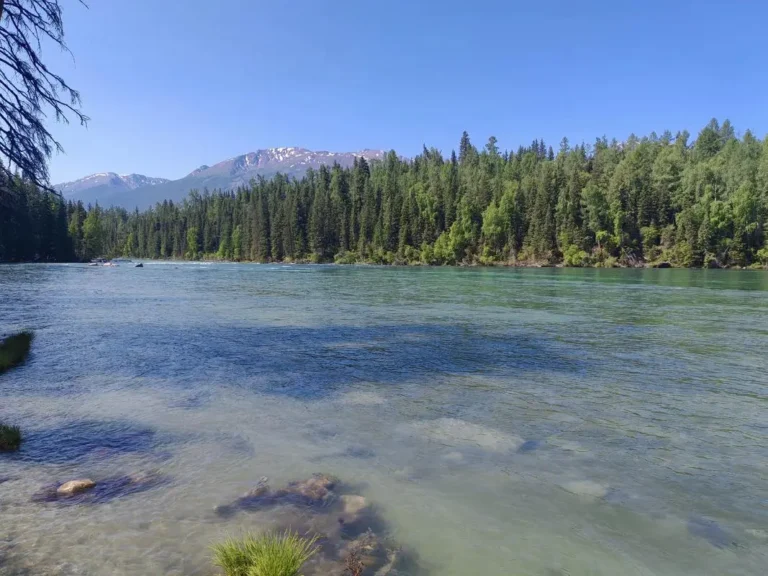
Both are Tuva villages in the Altay region of northern Xinjiang, both are built from stacked logs, and both photograph beautifully in autumn. The differences that matter are less about scenery and more about paperwork, bed supply, and how much quiet you are willing to pay for in travel hours.
Quick Reference: Hemu vs Baihaba at a Glance
| Factor | Hemu (禾木) | Baihaba (白哈巴) |
|---|---|---|
| Location | Northeast of Kanas Lake, Burqin County | Northwest of Kanas, on the Kazakhstan border |
| Border permit | Not required | Required (border zone) — check current rules |
| Access | Shuttle from Jiadengyu transfer centre | Shuttle from Kanas or Jiadengyu, plus checkpoint |
| Time from Kanas Lake | Roughly 1.5–2 hours by shuttle | Roughly 1.5–2.5 hours including the checkpoint |
| Bed supply | Large: hostels to boutique log cabins | Small: mostly family guesthouses |
| Evening atmosphere | Busy lanes, cafés, bonfire shows | Very quiet, most lights out by 10pm |
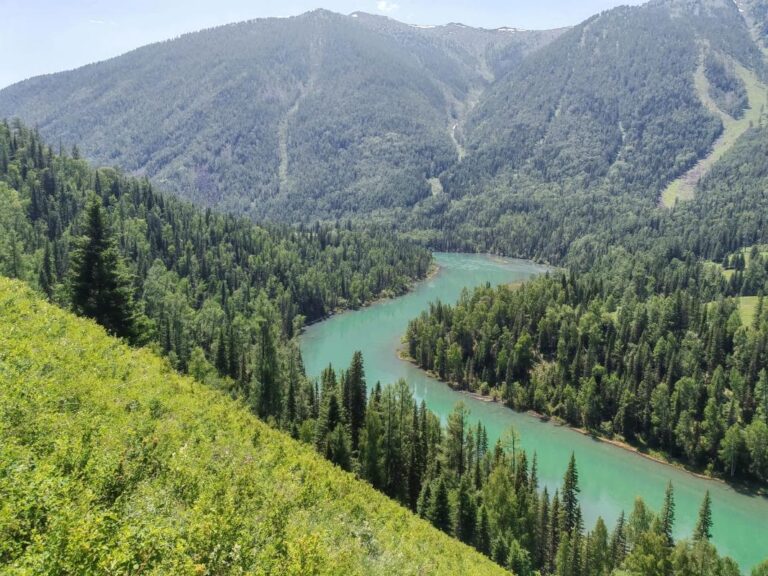
| Signature shot | Morning mist over the village from the ridge | Wooden houses framed by birch and border ridges |
| Altitude | Both roughly 1,100–1,700 m; no altitude problems for most visitors | |
| Best for | First-timers, families, one-night stops | Slow travellers, photographers, repeat visitors |
What Each Village Felt Like When We Stayed
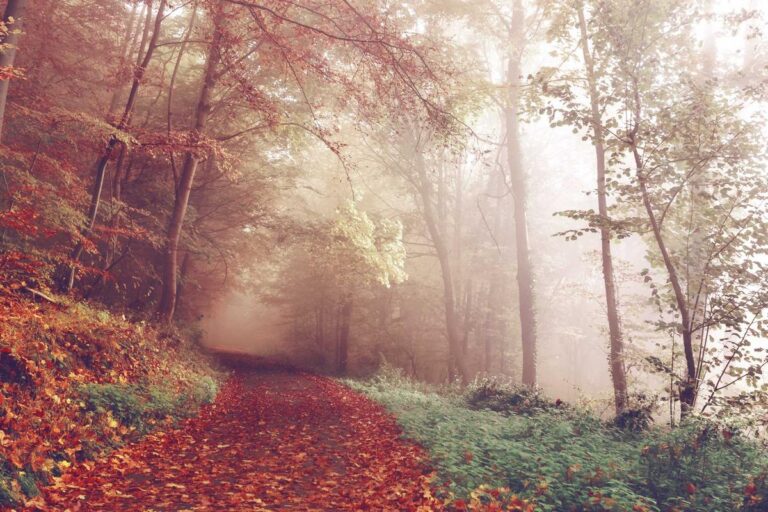
Our first Hemu night was late September 2023. We reached the ridge above the village at 6:40am, earlier than we needed to, and stood behind maybe sixty other people with tripods. Mist rose off the Hemu River in slow sheets, chimney smoke started to lift, and for about twenty minutes the valley did exactly what the photos promise. Then the light flattened, the crowd dissolved, and we walked down into a village that was already selling coffee and renting horses. That combination is the honest version of Hemu: a genuinely old Tuva settlement that now runs a working tourism economy on top of itself.
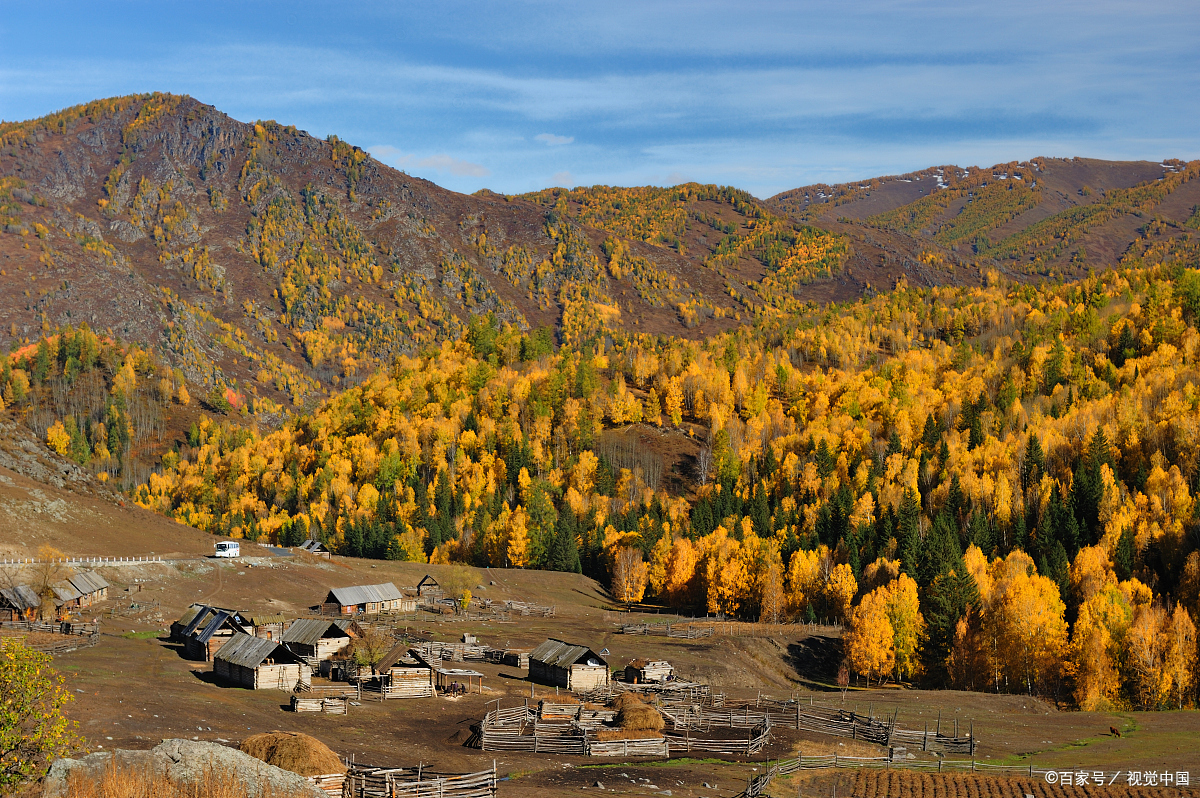
Baihaba, which we visited in June 2024 and again in early October 2025, works differently. The last stretch of road passes a border checkpoint where an officer photographed our permits and matched them against ID, a process that took eleven minutes and would have taken longer without documents in order. On the far side, the village was noticeably smaller and older-looking, with fewer concrete additions and cows walking the main lane at dusk. Our guesthouse owner served dinner at 7:30 because that was when dinner happened, not because a menu said so. By 9:30pm the only sound outside was a dog and the generator down the hill.
If you want one sentence: Hemu gave us better photographs of a village, and Baihaba gave us a better evening inside one.
The Permit Question That Decides Most Itineraries
Baihaba sits inside a border zone, so visitors generally need a border permit (边防证) in addition to the Kanas scenic area ticket. Permits are usually arranged in Burqin town or at the Jiadengyu area before you head in, and guesthouse owners routinely help with the process. Rules for foreign passport holders have changed more than once in recent years, and enforcement can differ between checkpoints and seasons. Confirm your own situation with the local Public Security Bureau, your guesthouse, or a licensed agency before you commit to a booking. Bring your physical passport, not a photo of it.
Hemu has no such requirement. For a traveller with two nights in the region and no appetite for administrative risk, that alone often settles the question. We have also seen the reverse: readers who deliberately chose Baihaba precisely because the permit filters out casual day-trippers.
Getting There: The Routes We Have Used
Nearly everyone reaches both villages through the same funnel. You fly or drive to Kanas Airport or Burqin, then move through the Jiadengyu transfer centre, where private cars are parked and green shuttles take over. From there the two villages split in different directions.
For Hemu, the shuttle climbs a valley road with several viewpoints, and the ride is short enough that we have done it on a stiff schedule after a morning at Kanas Three Bays. For Baihaba, plan the transfer as a half-day commitment rather than a hop, and add buffer for the checkpoint. Drivers occasionally hold departures until vehicles fill in shoulder season, which is a real risk if you are trying to catch a flight the same evening.
Either way, we recommend basing one night in Burqin at the start or end. It breaks up a long driving day and gives you a reliable ATM, a pharmacy, and a proper fish dinner before you head into the mountains.
Season by Season: Which Village Wins When
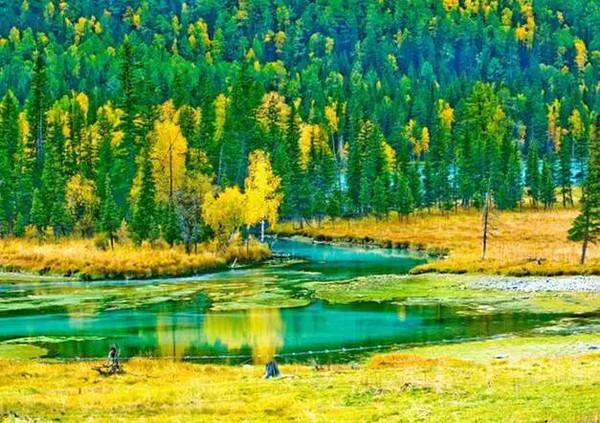
Mid-September to mid-October is when both villages look their best, as the birch and larch turn and morning mist becomes reliable. In that window Hemu gets crowded enough that ridge viewpoints fill before sunrise and rooms sell out weeks ahead. Baihaba stays busy but manageable, which is why our October 2025 trip favoured it.
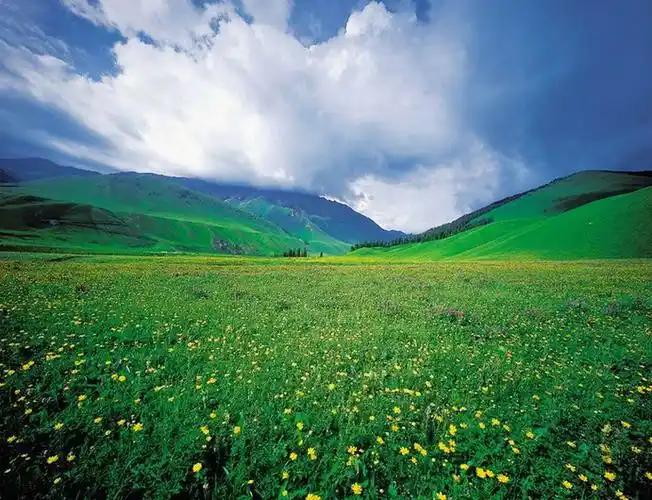
Summer flips the logic. In July and August the grass is green, wildflowers are out, and Hemu’s larger bed supply absorbs the domestic holiday crowd better than Baihaba’s handful of guesthouses. If you are travelling in peak summer without an advance booking, Hemu gives you far better odds of finding a bed at a sane price.
Winter is a specialist trip. Hemu has become a genuine snow destination, reached by snowmobile or horse sledge when the road is buried, with heated log cabins and skiers in the lanes. Baihaba in deep winter is far more restricted, and access is often closed or heavily limited. Check conditions before planning any November-to-March visit to either place, and read our notes on regional weather in the Ili vs Altay breakdown if you are still choosing a corner of Xinjiang.
Where We Slept, and What It Cost
Hemu has the deeper market by a wide margin. We have stayed in a dormitory bunk for very little, and in a renovated log cabin with underfloor heating and a glass wall facing the valley for roughly five times that. Hot water was consistent in the mid-range places. Wi-Fi worked well enough for messaging and poorly for anything else.
Baihaba’s inventory is mostly family-run guesthouses with a handful of rooms each, and quality varies more between neighbours than it does between price brackets. Our June room had a shared bathroom down a wooden corridor and a wood stove the owner lit for us without being asked. Book ahead in autumn, because the village genuinely runs out of beds. Expect basic plumbing and occasional power interruptions in either village during storms.
For a fuller breakdown of rooms and prices in each place, our dedicated guides go deeper: Hemu Village travel guide and Baihaba Village travel guide.
Food: Similar Kitchens, Different Service
Both villages cook from the same regional pantry. Expect hand-pulled noodles, mutton, dumplings, milk tea with salt, dried curd, and freshwater fish trucked up from the lakes. Hemu adds an outer layer of tourist dining: barbecue skewers on the main lane, a few cafés doing passable espresso, and restaurants with photo menus and English fragments.
Baihaba has almost none of that. You eat where you sleep, usually a set family dinner at a fixed hour. We ate better on average in Baihaba and had more choice in Hemu, which is a trade rather than a ranking. Vegetarians should flag their needs when booking in either village, because improvising at 8pm in a four-room guesthouse rarely goes well. Carry cash; mobile payment is common but coverage drops out.
Practical Tips From Our Visits
- Sunrise beats sunset in both. Mist forms after cold nights and burns off within half an hour, so be on the viewpoint 30 minutes before official sunrise.
- Shuttle tickets are a bottleneck, not the entrance ticket. Ask your guesthouse the previous evening about first-departure times.
- Drone rules vary and change. Baihaba’s border location makes flying there a bad assumption. Ask on the ground and accept the answer.
- Cold nights year-round. We used a fleece in July. In October we wanted gloves before dawn.
- Photograph people only with permission. These are lived-in homes, and residents are not part of the scenery.
- Charge everything when you have power. Outlets are limited in older guesthouses.
A 4-Day Loop That Includes Both
If your schedule allows, stop choosing and do both. This is the routing we recommend most often:
Day 1: Arrive Kanas Airport or Burqin. Sort your Baihaba permit in town. Sleep in Burqin.
Day 2: Enter through Jiadengyu, spend the afternoon at Kanas Lake and the bays, then transfer to Baihaba for the night.
Day 3: Early walk through Baihaba, then transfer to Hemu by mid-afternoon. Scout the ridge trail before dinner.
Day 4: Sunrise from the Hemu viewpoint, breakfast, shuttle out to Jiadengyu and onward.
Doing it in this order matters. Baihaba first means you are not tempted to skip it after Hemu has already delivered the postcard, and it puts the harder logistics on a day when you are fresh.
Frequently Asked Questions
If I only have one night, which should I pick?
Hemu. The permit is one less variable, transfers are shorter, and the sunrise viewpoint is the region’s strongest single sight.
Is Baihaba worth the extra paperwork?
For a second visit or a slow trip, yes. For a rushed first visit, the permit and transfer time usually cost more than the added quiet is worth.
Can foreign travellers visit Baihaba?
Many do, but requirements for foreign passport holders have shifted and can vary by checkpoint. Verify with local authorities or a licensed operator shortly before you travel rather than relying on older blog posts.
Which village is better for photography?
Hemu for the classic valley-and-mist composition. Baihaba for architecture, animals, and daily life without crowds in frame.
Do I need a guide?
No, both are walkable and signposted enough. A driver or guesthouse contact helps most with permits and shuttle timing.
How many nights should I budget for the wider area?
Three nights minimum for Kanas plus one village. Four to five if you want both villages without rushing.
Disclaimer
Details in this article reflect our own visits between 2023 and 2025 and were reviewed in August 2026. Ticket prices, shuttle schedules, permit procedures, and winter access rules in the Kanas area change frequently and can differ by season and nationality. Treat everything here as planning guidance, and confirm current requirements with official scenic area channels, local authorities, or your accommodation before travelling. We do not receive commission from any guesthouse or operator mentioned.
About the Author
Karl Huang writes for the Xinjiang Attractions editorial team and has travelled the Altay region across four separate trips, including autumn 2023, summer 2024, and autumn 2025. He has stayed overnight in both Hemu and Baihaba, cleared the Baihaba border checkpoint twice, and spends most of his research time on practical access questions: permits, shuttle timings, and where the bed supply actually runs out. Questions or corrections from recent travellers are welcome and are used to update our guides.