Published: August 14, 2026 | Author: Karl Huang
When I first planned a rail trip across Xinjiang, I assumed booking Xinjiang train tickets would be the easy part. It wasn’t. The booking site asks for a Chinese ID number by default, station boards mix English and pinyin, and the one time I trusted a forum screenshot, the gate spat my passport straight back out. After five separate trips and close to forty train segments in the region, I’ve built a routine that hasn’t let me down since. This guide comes from those trips, not from a translated help page.
If you’re here because you’re not sure a foreign passport can even board a Chinese train, the answer is yes. The rest, including the small errors that cost me a morning, is below.
Quick Reference: Xinjiang Train Tickets at a Glance
| Question | Short answer |
|---|---|
| Can foreigners buy online? | Yes. Use the 12306 app with a passport, or book through Trip.com. |
| How far ahead? | Usually 15 days. Holiday routes sell out within hours of opening. |
| Which ID? | Your passport, with the name entered exactly as printed. |
| E-ticket or paper? | Major stations scan your passport at the gate. Carry the paper slip as backup. |
| Main hub? | Urumqi. The Lanxin high-speed line reaches Hami and Turpan; sleepers run deep south. |
| How do you pay? | Alipay, WeChat Pay, or a card. Our Xinjiang money guide covers setup. |
Most of what you need fits in that table. The sections after it explain the parts that actually trip people up.
What Booking Actually Felt Like
I’ll be honest about the first failure, because it’s the most common one. On my second trip I tried to buy train tickets in Xinjiang through a reseller a hostel owner had recommended. The booking “confirmed,” the money left my account, and then nothing appeared in the 12306 system. I spent a frantic two hours at the Urumqi station counter before a patient clerk explained that the reseller had never completed the real reservation. Since then I only book where the ticket shows up under my own passport in the official app.
The moment it clicked was on a cold March morning in Turpan. I’d added my passport to 12306 the night before, picked a hard sleeper to Hami, and paid with Alipay in about four minutes. At the gate I held my passport to the reader, the barrier lifted, and I walked straight to the platform. No queue, no explanation, no worry. That single success is why I keep telling people to do it properly the first time.
How to Buy Xinjiang Train Tickets
There are two paths that work reliably for a foreign passport, and I’ve used both more times than I can count.
The first is the official 12306 app and website. Download it before you fly, because registration asks for your passport number, nationality, and the exact spelling of your name. Add yourself as a passenger in the contacts section, then wait for verification to clear. That step usually takes a day but once stalled for three on a trip of mine, so don’t leave it for the station. Once verified, search by city pair, pick a class, and pay. Alipay and WeChat Pay are the smoothest if you’ve set them up; our Xinjiang money guide walks through getting those working. A Chinese SIM helps the app push notifications, and our SIM card guide covers which one to buy. For anyone nervous about the interface, 12306 for foreigners looks intimidating at first, but the booking flow is the same five taps every time.
The second path is Trip.com, the international face of Ctrip. It lists the same trains, accepts foreign cards, and handles the passport detail in English. The trade-off is a small service fee and occasionally slower ticket issuance. I use Trip.com when I’m still outside China and want a seat locked in before I land, then switch to 12306 for changes once I’m on the ground.
One thing that surprises first-timers: stations run ID checks at the entrance, not just at the gate. Bring your passport every time, even for a short hop. Security is routine but thorough, and a missing document is the fastest way to miss your train.

The Routes Worth the Ride
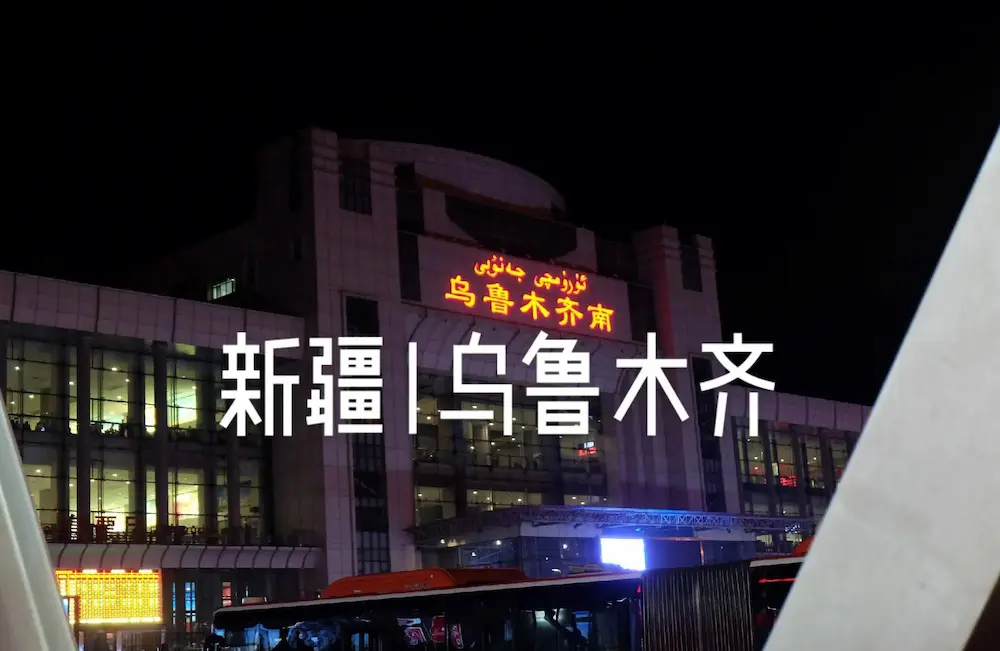
Urumqi is the hub, and almost everything leaves from there. The Lanxin high-speed line is the comfortable option: Hami is about three hours away, Turpan under two. These G- and D-class trains are clean, quiet, and punctual, and they let you skip a long highway drive. I once watched the desert give way to snow-fed rivers through that window and understood why people call the ride itself a highlight.
For the longer, more memorable journeys, take a sleeper. The Urumqi–Kashgar run is roughly 24 hours and crosses the edge of the Taklamakan into the old Silk Road heartland. I’ve written a separate piece on berth types and what a night on the train is actually like if you want to pick the right bunk before you pay. Yining, Korla, Aksu, Hotan, and Altay all sit on the sleeper network, which means you can cross the whole region without a single flight.
If you’re building a route, think hub-and-spoke: fly or take the HSR into Urumqi, then use sleepers to reach the far corners. It’s slower than driving, but you watch the country change through the glass and arrive rested instead of stiff.

Where to Stay Before an Early Departure
Trains in Xinjiang often leave at awkward hours. The 08:00 HSR to Hami is easy; a sleeper leaving at 21:30 means you’ll want to be near the station the night before. I’ve learned to book a hotel within a 15-minute taxi of Urumqi station when I have a pre-08:00 departure, because the city is quiet that early and ride apps thin out. Not every hotel accepts foreign guests, so check before you pay. Our guide to hotels that register foreigners saved me from one canceled booking.
Eating on the Train and at the Station
Long-distance sleepers have a dining car, but the food is basic and the menu rarely changes. I pack a mix from a station convenience store: bottled water, nuts, and whatever flatbread I can grab at the Urumqi bazaar before departure. Every carriage has a boiling-water dispenser, so instant noodles and tea are easy, and that dispenser alone has saved me on more than one delayed arrival. At bigger stations like Urumqi and Kashgar there are real restaurants inside the secure area, so arrive with time to spare if you want a hot meal. On the HSR you can order a boxed lunch to your seat through the app, though the selection is limited and the English interface is rough.
Practical Tips I Wish I’d Known
- Verify your passport in 12306 before you need it. Verification is not instant, and a pending status blocks booking.
- Match the name field character for character with your passport. A missing middle name is enough to block boarding.
- Book sleepers the moment the window opens on holiday routes. Spring Festival and the October holiday clear out fast.
- Arrive 40 minutes early at minimum. Stations in Xinjiang add a security scan on top of the gate check.
- Keep the paper ticket if the conductor prints one. Some carriages still ask for it mid-ride.
- Screenshot your booking QR and the station name in both English and pinyin. Reception drops for long stretches past the oasis towns, and a camera translate of signs beats a dead connection.
A Five-Day Train-Based Itinerary
This is the loop I’d hand a friend who has a week and wants the region without a car.
Day 1: Fly into Urumqi, verify 12306, and walk the International Bazaar to stock up on snacks. Day 2: Morning HSR to Turpan (under two hours); see the ruins and the grape valleys. Day 3: Return to Urumqi and board an evening sleeper to Kashgar. Day 4: Arrive Kashgar, rest, and explore the old town on foot. Day 5: Fly or take the sleeper back, depending on your flight home. For a tighter version of this, our Xinjiang budget guide breaks down where the train saves you money versus a flight.
Frequently Asked Questions
Can I use a foreign card on 12306 directly? Not reliably. Alipay, WeChat Pay, or Trip.com handle foreign cards better. The official app prefers domestic payment methods.
Do I need a Chinese phone number? For 12306 registration a number helps but isn’t always required; Trip.com needs only an email. A local SIM still makes the trip smoother day to day.
Will my passport work at the gate? At Urumqi, Kashgar, and most major stations, yes. Hold it to the reader and walk through. Smaller stops may route you to a staffed lane, which is slower but works fine.
Is it cheaper than flying? Usually, for the long southern routes, and you save a night of hotel. The HSR is priced close to a budget flight but far more comfortable.
Can I choose my seat or berth? On HSR you can pick a window or aisle; on sleepers the system assigns a berth, and you can sometimes swap with a neighbour once onboard. Lower bunks cost a little more and are easier on the knees.
Can I change or refund? Yes, inside the app, with a fee that grows as departure nears. Refunds to a foreign card through Trip.com take longer than to Alipay.
Disclaimer
This guide reflects my own travel experience and was accurate at the time of writing. China’s rail rules, the 12306 app, and visa and ID policies change. Always confirm the current booking window, accepted documents, and any travel restrictions on the official 12306 site or with your embassy before you travel. I’m a traveller sharing what worked for me, not an official source, and I can’t be held responsible for missed trains or rule changes.
About the Author
Karl Huang has spent several years writing practical travel guides for visitors to western China. He has ridden trains across most of Xinjiang’s network, from the Lanxin high-speed line to the long southern sleepers, and focuses on the small, real-world details that official pages skip. When he’s not on a platform somewhere, he’s updating these guides from what he learns on the next trip.