Published: June 29, 2026 | Updated: June 29, 2026 | By: Xinjiang Attractions Editorial Team
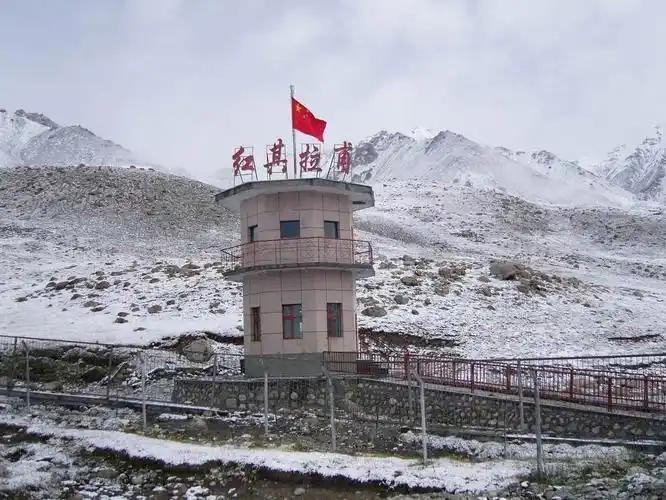
Why you can trust this guide: Our team has personally traveled to Xinjiang’s high-altitude regions multiple times, including the Pamir Plateau (3,600m+), Tashkurgan (3,100m), and bayinbuluke (2,500m). We’ve experienced altitude sickness firsthand and consulted with local doctors in Kashgar and Urumqi to bring you accurate, practical advice.
Quick Reference: Xinjiang Altitude Sickness at a Glance
| Aspect | Key Info |
|---|---|
| Risk starts at | 2,500m (8,200 ft) |
| High-risk areas | Tashkurgan (3,100m), Pamir Plateau (up to 4,900m), Bayinbuluke (2,500m) |
| Most common symptoms | Headache, nausea, dizziness, fatigue |
| Prevention meds | Acetazolamide (Diamox), started 24h before ascent |
| Emergency descent | Drop at least 500m immediately if severe symptoms appear |
| No-fly altitude | Avoid flying directly into areas above 3,500m if possible |
Our Personal Experience on the Pamir Plateau
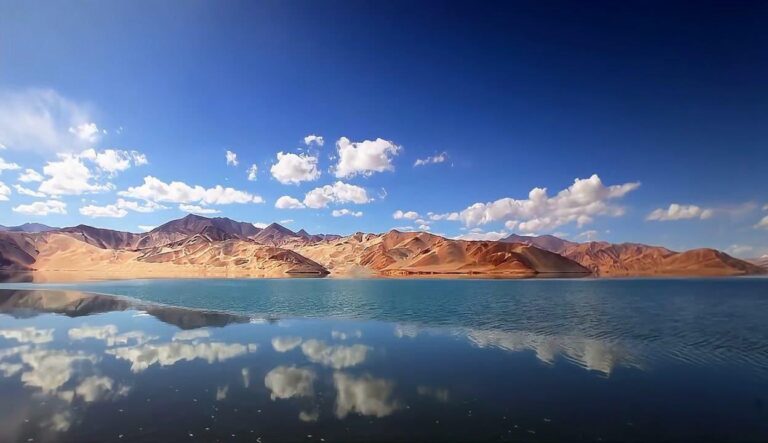
When we first traveled from Kashgar (1,280m) to Tashkurgan (3,100m) by road, we made the classic mistake: driving straight up without acclimatization. By the time we reached the White Sand Lake at 3,300m, one of our team members had a throbbing headache and couldn’t finish their lunch. That night in Tashkurgan, sleep was difficult — every time we dozed off, we’d wake up gasping for air. It was our first real encounter with Xinjiang altitude sickness, and it taught us a hard lesson about respecting the mountains.
On a later trip, we spent two nights in Upal (2,200m) before continuing to Tashkurgan. The difference was remarkable. We still felt mildly breathless walking upstairs, but the debilitating headache never came. That experience shapes every recommendation in this guide.
Understanding Altitude Sickness in Xinjiang
Altitude sickness — medically known as Acute Mountain Sickness (AMS) — occurs when your body cannot get enough oxygen from the air at high elevations. Xinjiang’s diverse terrain means you can encounter this risk in several popular destinations, often without expecting it.
Which Areas in Xinjiang Are High-Altitude?
- Kashgar & Urumqi: ~1,200–1,400m — safe for everyone
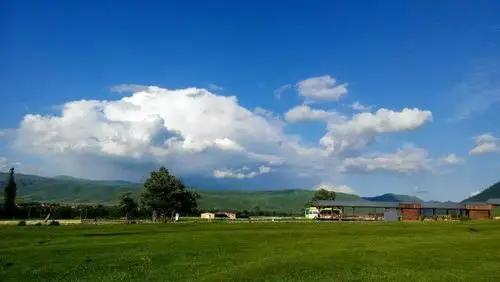
- Bayinbuluke Grassland: ~2,500m — mild risk for sensitive individuals
- Nalati Grassland: ~2,300m — generally safe
- Tashkurgan Town: ~3,100m — moderate risk, acclimatization recommended
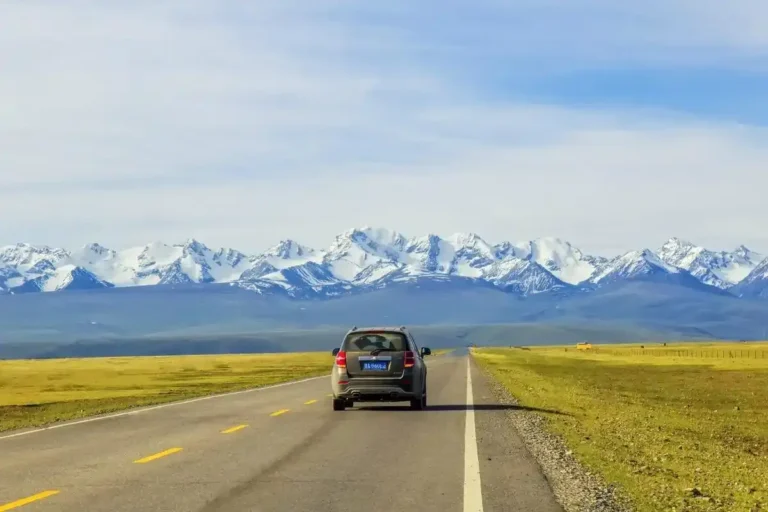
- Pamir Plateau (Karakorum Highway): 3,500–4,900m — high risk, acclimatization essential
- Kunjerab Pass (border): 4,693m — very high risk, day-trip only from Tashkurgan
If you’re planning to visit Tashkurgan and the Pamir Plateau, this guide is essential reading.
Symptoms: How to Recognize Altitude Sickness
Symptoms typically begin 6–12 hours after reaching altitude. They can be mild or life-threatening, so knowing the difference is critical.
Mild AMS (can usually continue trip with caution)
- Headache (the most common symptom)
- Nausea or loss of appetite
- Fatigue or weakness
- Dizziness
- Difficulty sleeping
- Mild shortness of breath
Severe AMS / HACE / HAPE (medical emergency — descend immediately)
- Severe headache that doesn’t respond to painkillers
- Vomiting repeatedly
- Confusion or difficulty walking (ataxia) — sign of HACE (brain swelling)
- Blue lips or fingernails (cyanosis)
- Coughing, especially pink/frothy sputum — sign of HAPE (fluid in lungs)
- Extreme fatigue, can’t complete simple sentences
Rule of thumb: If you can’t walk in a straight line heel-to-toe, or if a companion seems confused, descend immediately. Do not wait for morning.
Prevention: Before You Go
1. Acclimatize Gradually
The golden rule: don’t go up more than 500m of sleeping elevation per day once above 3,000m. Spend at least two nights at an intermediate elevation.
Recommended acclimatization route to the Pamir Plateau:
- Day 1–2: Urumqi (800m) or Kashgar (1,280m) — arrive and rest
- Day 3: Upal Town (2,200m) — sleep here
- Day 4: Continue to Tashkurgan (3,100m)
2. Medication: Acetazolamide (Diamox)
Acetazolamide is the standard preventive medication. It speeds up acclimatization by increasing breathing rate.
- Dosage: 125mg twice daily (adult)
- When to start: 24–48 hours before ascent
- When to stop: Continue for 2 days at altitude, or until descent
- Side effects: Tingling in fingers/toes, increased urination, mild taste alteration
- Allergy warning: Do NOT take if allergic to sulfa drugs
Important: Consult your doctor before traveling. Acetazolamide is a prescription medication in most countries.
3. What to Avoid
- Alcohol: Avoid completely for the first 48 hours at altitude. It worsens dehydration and masks symptoms.
- Heavy meals: Eat light, carbohydrate-rich meals. Your digestive system works slower at altitude.
- Strenuous exercise: No running or heavy exertion on your first day at altitude.
- Sleeping pills: Never take sleep aids at altitude — they suppress breathing further.
4. Hydration
Drink 3–4 liters of water per day at altitude. The air is dry and cold, and you lose moisture rapidly through breathing. A good test: your urine should be pale yellow.
Treatment: What to Do If You Get Sick
Mild Symptoms
- Stop ascending. Do not go higher until symptoms improve.
- Rest. Spend an extra day at the same elevation.
- Hydrate. Drink water and electrolyte drinks.
- Pain relief. Ibuprofen or paracetamol/acetaminophen for headache.
- Mild activity. Light walking is fine; complete bed rest is not necessary.
Severe Symptoms (HACE/HAPE)
- Descend immediately. Go down at least 500–1,000m. This is the only definitive treatment.
- Oxygen. Use supplemental oxygen if available (available in Tashkurgan town clinics).
- Dexamethasone. A prescription steroid that reduces brain swelling in HACE. 8mg first dose, then 4mg every 6 hours. (Requires medical supervision.)
- Nifedipine. For HAPE treatment. (Requires medical supervision.)
- Evacuate. Severe cases need hospital care in Kashgar or Urumqi.
Where to Get Help in Xinjiang
- Kashgar: Kashgar Prefecture People’s Hospital (喀什地区人民医院) — has experience treating altitude sickness patients. Emergency: 120.
- Tashkurgan: Tashkurgan Tajik Autonomous County People’s Hospital (塔什库尔干塔吉克自治县人民医院). Basic altitude sickness treatment available. Oxygen available at some hotels.
- Urumqi: Xinjiang Medical University First Affiliated Hospital (新疆医科大学第一附属医院) — best-equipped for severe cases.
For general health precautions before your trip, also read our Xinjiang travel tips guide.
High-Altitude Destinations: Detailed Advice
Tashkurgan (3,100m)
Most travelers arrive by road from Kashgar (a 6–7 hour drive). The gradual ascent makes this route preferable to flying. If you have a history of altitude sickness, spend a night in Upal or Bulunkou (2,200–2,700m) before continuing.
Hotels in Tashkurgan vary in quality. Some offer oxygen concentrators in rooms — book in advance and ask specifically for this. The Torugart Pass guide also covers high-altitude border crossing considerations.
Pamir Plateau (Karakorum Highway)
The KKH reaches 4,900m at the Kulma Pass (if crossing into Tajikistan) or similar elevations at various points. Day trips from Tashkurgan are possible, but don’t sleep above 4,000m unless you’re well-acclimatized.
Bayinbuluke Grassland (2,500m)
Lower than Tashkurgan but still high enough for mild symptoms. The main issue here is that many visitors arrive by bus directly from lower elevations as part of a tour group. If you’re prone to altitude sickness, ask your guide to take it slow.
Packing for High-Altitude Travel in Xinjiang
- Acetazolamide (Diamox): Prescription required — get it at home before traveling
- Ibuprofen/Paracetamol: For headache relief
- Oral rehydration salts: Helpful if nausea leads to vomiting
- Thermal layers: Temperatures drop sharply at night above 3,000m, even in summer
- Sunscreen (SPF 50+): UV intensity increases ~4% per 300m of elevation
- Lip balm: The air is extremely dry
- Portable oxygen canister: Available in Kashgar pharmacies; useful for mild relief but not a treatment for severe AMS
Sample Itinerary: Gradually Acclimatizing to the Pamir Plateau
This 5-day route minimizes altitude sickness risk while maximizing sightseeing:
- Day 1: Arrive in Kashgar (1,280m). Rest, hydrate, light sightseeing in the old city.
- Day 2: Kashgar — visit Id Kah Mosque and the Sunday Market. Take it easy.
- Day 3: Drive to Upal (2,200m). Sleep here. Start Acetazolamide if using it.
- Day 4: Drive to Tashkurgan (3,100m) via White Sand Lake and Karakul Lake. Arrive afternoon, rest.
- Day 5: Tashkurgan — visit Stone Fortress, then drive toward Khunjerab Pass (day trip only, don’t sleep at high pass). Return to Tashkurgan.
Frequently Asked Questions
Can I fly directly into high-altitude areas?
There is no commercial airport above 3,000m in Xinjiang. The closest high-altitude destinations (Tashkurgan) require road travel from Kashgar Airport (1,400m). This is actually helpful — the gradual road ascent gives you time to acclimatize.
Is altitude sickness worse for older people?
Not necessarily. Fitness level and age are not strong predictors. Young, fit people sometimes get worse AMS because they ascend faster and exert themselves more. However, underlying heart or lung conditions do increase risk.
Can children get altitude sickness?
Yes. Children are equally susceptible and may not be able to describe their symptoms. Watch for unusual fussiness, loss of appetite, or refusal to eat. The same prevention rules apply.
Does Diamond (diamox) work for everyone?
It helps most people but is not 100% effective. Some people also cannot take it due to sulfa allergies. Discuss alternatives with your doctor — Ibuprofen taken regularly for the first 24 hours at altitude may help some people (studies are limited).
Will I get altitude sickness in Urumqi?
Almost certainly not. Urumqi is at ~800–900m, which is too low for AMS. The same applies to most of the northern Xinjiang destinations like Kanas and Hemu (around 1,300–1,500m).
Is it safe to take altitude sickness medication with other meds?
Acetazolamide can interact with some drugs. Tell your doctor about all medications you take. Don’t combine it with high doses of aspirin without medical advice.
Disclaimer
Medical Disclaimer: This article is for informational purposes only and does not constitute medical advice. Altitude sickness can be life-threatening. Always consult your doctor before traveling to high altitudes, especially if you have heart, lung, or blood conditions. The information in this guide is based on our team’s personal experience and widely accepted medical guidelines, but individual cases vary. In a medical emergency, call 120 (China emergency number) or go to the nearest hospital immediately.
About the Author
Xinjiang Attractions Editorial Team
Our team has been researching and writing about Xinjiang travel since 2024. We’ve collectively spent over 200 days on the road across Xinjiang — from the streets of Urumqi to the high passes of the Pamir Plateau. This guide draws on direct experience, consultations with local medical professionals in Kashgar, and internationally recognized altitude medicine guidelines (WMS, UIAA).
Have questions about high-altitude travel in Xinjiang? Contact us here.