Published: August 29, 2026 | Author: Karl Huang
Why this Xinjiang marathon guide comes from the ground, not Google
Most travel blogs list Xinjiang as a place to drive through, not a place to race in. I went the other way. Between 2018 and 2023 I made three separate trips specifically to take part in or report on running events there, and each one taught me something the brochures left out. A Xinjiang marathon is rarely a slick big-city production. It is usually a community race on a course that doubles as a postcard, run by people who care more about the landscape than the timing chips.
This article is built from those trips: the cold I felt at a lake start line, the small-town logistics that almost tripped me up, and the altitude that flattened my pace on the final climb. I have also linked to our deeper guides on the best time to visit and altitude sickness where they matter most.
At a glance: the races worth building a trip around
| Race | Typical setting | Elevation | Season |
|---|---|---|---|
| Sayram Lake Marathon | Loop around a high alpine lake | ~2,071 m | Aug–Sep |
| Kanas Marathon | Forest, river and village roads | ~1,300–1,500 m | Sep–Oct |
| Urumqi Marathon | City boulevards and park paths | ~800 m | Spring / autumn |
| Ili grassland half | Meadows near Yining | ~650–900 m | Apr–May |
| Turpan themed runs | Desert edge, below sea level | ~−100 m | Summer |
Dates move year to year, and some events pause for a season. Treat the table as a planning map, then confirm the current edition with the organizer before you book flights.
The Xinjiang marathon calendar: which races to aim for
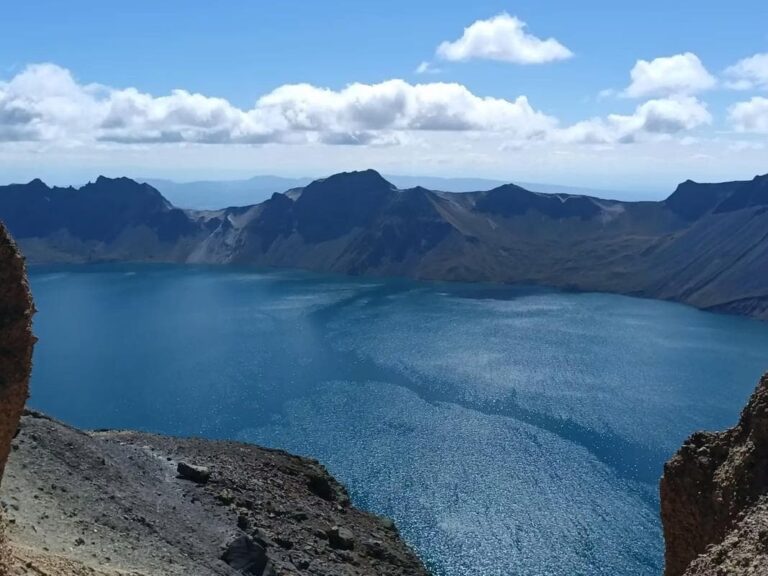
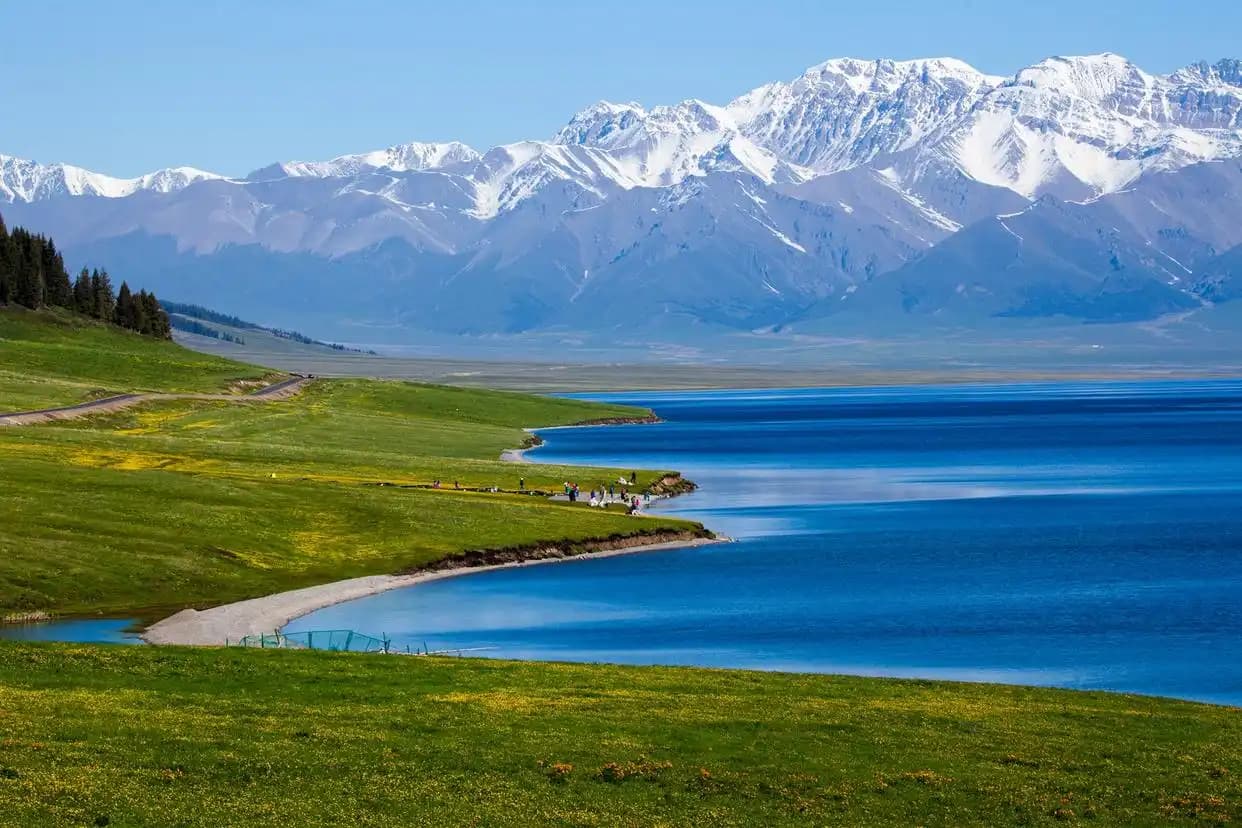
The standout is the Sayram Lake Marathon. Sayram sits at about 2,071 metres, which makes it one of the highest road marathons in the country. The course runs close to the water, and on a clear morning the surface is flat steel-blue with snow on the distant ridges. I have stood at that start line in a jacket I later stuffed into my waistband, because the sun comes up fast and the wind does not let up.
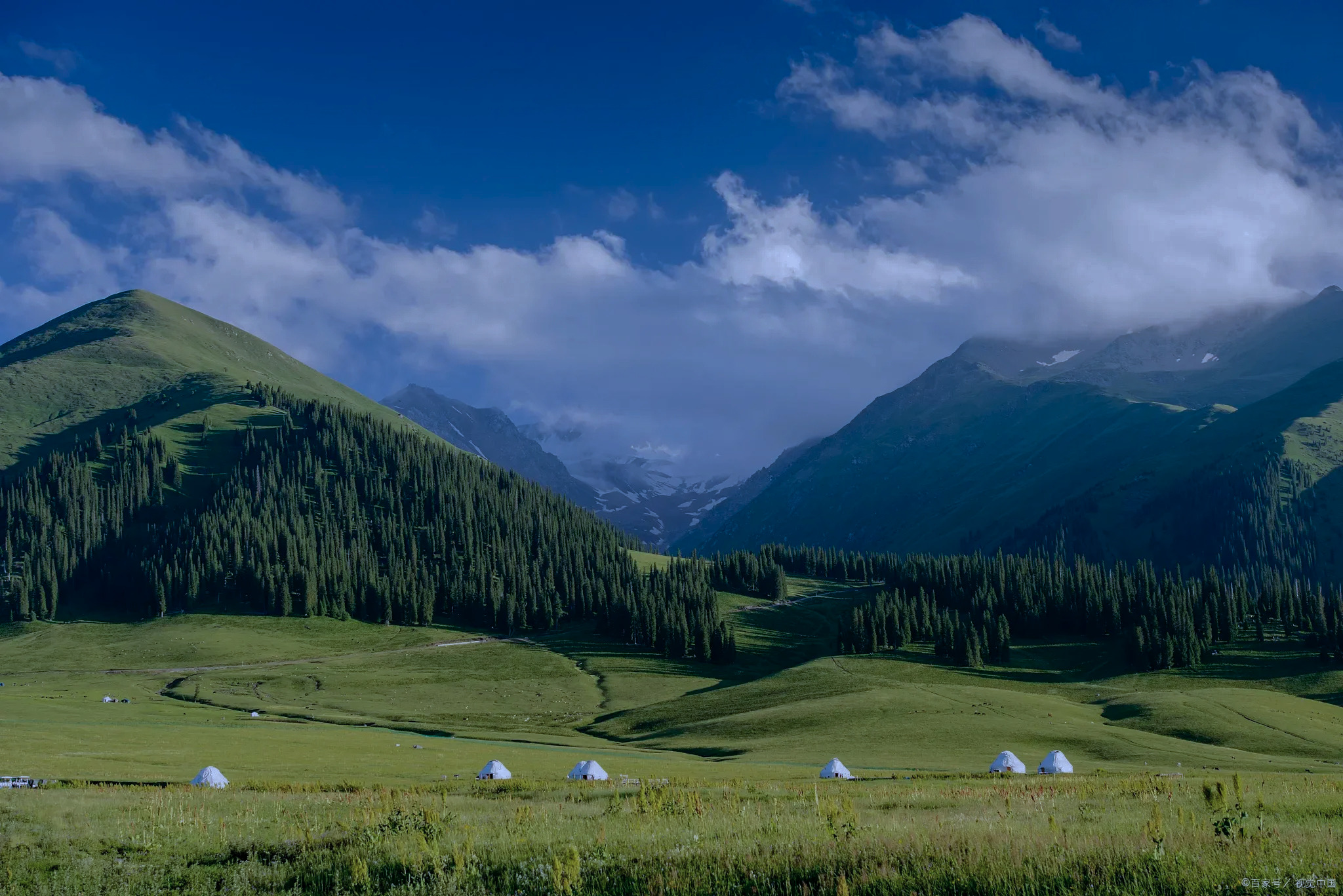
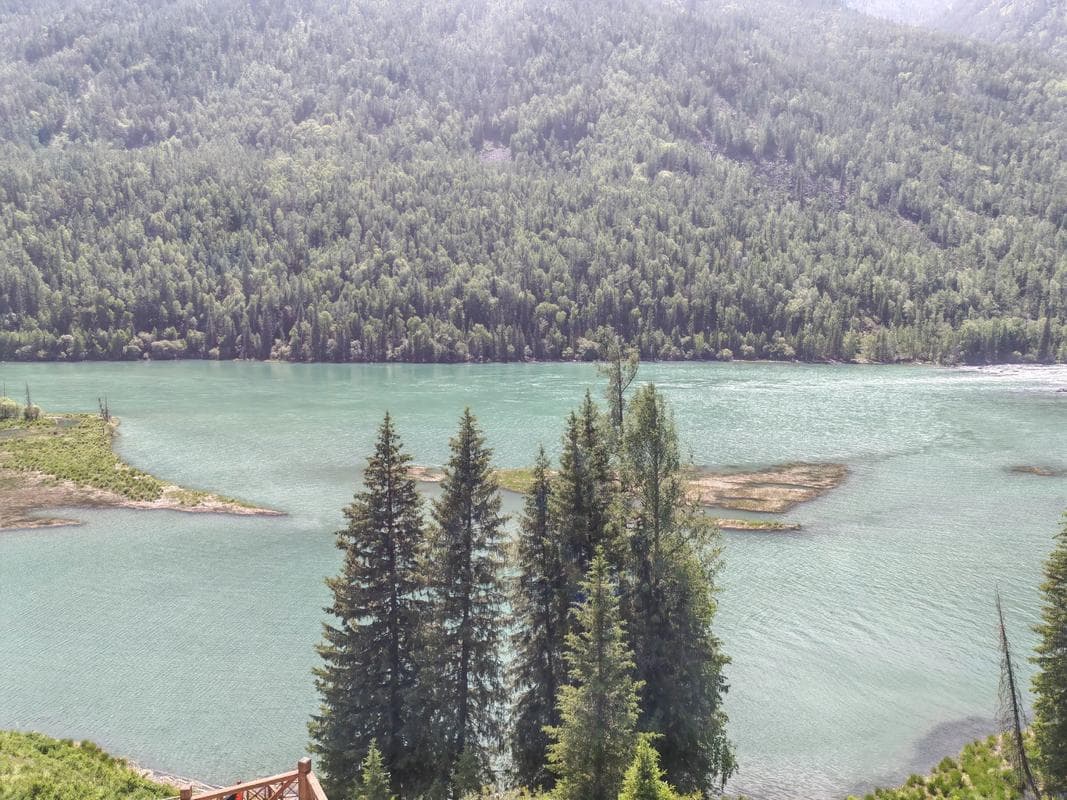
The Kanas Marathon is the autumn one. It threads through birch forest and along the river that drains the lake, and the air smells of wet wood. Kanas is far north and books out completely in October, so the race doubles as your excuse to secure accommodation you could not otherwise get.
In the cities, the Urumqi Marathon is the most accessible for a first-timer. It is lower, better supported, and you can fly in, race, and fly out without a multi-day road trip. The Ili grassland half marathons around Yining are the prettiest spring option: I went in late April once and the apricot slopes were still pink when the gun went off. The Turpan runs are the opposite extreme, a heat challenge on a course that dips below sea level.
What it actually feels like at the start line
When we drove out to Sayram Lake the morning of the race, the temperature was close to freezing and the car windows were fogged on the inside from four sleep-deprived runners. We found the staging area sparse but calm: a row of tents, a loudspeaker in two languages, and an aid station already pouring hot water into paper cups. The thin air was the real opponent. My GPS watch showed a heart rate I normally only hit on a hard interval, and I was just jogging to the start banner.
That is the part no calendar tells you. Above 2,000 metres your usual pace is a lie. Whatever you train at home, add 20 to 40 seconds per kilometre in your head and you will enjoy the course instead of fighting it. We found the volunteers genuinely helpful, handing out not just water but dried apricots and the kind of encouragement that works when your lungs are burning.
Getting to the start
Almost every Xinjiang race funnels through Urumqi. Diwopu International Airport has direct flights from most major Chinese cities, and from there the high-speed rail reaches lots of race towns. For Sayram, you fly or train to Urumqi and then take a bus or car west toward Bole, the town nearest the lake; the lake itself has almost no lodging, so most runners sleep in Bole and transfer on race morning. For Kanas, you fly to Urumqi and connect to Burqin or take the long road via the Ili Valley if you want to turn the trip into a tour. Our Sayram Lake guide covers the transfer in detail.
Inside the cities, race-day transport is simple: taxis and ride apps run early, and the start lines are usually at a park or plaza reachable before dawn. Book your airport transfer the night before, because race mornings are chaos and drivers are scarce.
Best time of year to race
If altitude and cold scare you, aim for the Ili grassland half in spring or the Urumqi Marathon in autumn. The weather is mild and the fields are green. If you want the iconic shots, go for Sayram or Kanas in autumn: the light is clean, the skies are stable, and the trees turn on schedule. Summer is for the Turpan heat runs and the high meadows, but pack for 30-degree swings between noon and midnight.
One honest warning: winter races exist, but road conditions and closed mountain passes make them a gamble. I would not plan an international trip around a January event unless you already know the region.
Where to sleep before race day
Urumqi and Yining have enough hotels that you can book late. Sayram and Kanas are the problem. For Sayram, Bole is your base, and rooms there sell out on race weekend, so book the moment you register. For Kanas, the village lodges inside the scenic area are the only sensible option, and they are pricey and scarce in October. I made the mistake of waiting once and ended up an hour away with a 4 a.m. wake-up. Our Kanas guide lists the lodging zones so you can pick the right one.
Budget tip: the smaller grassland races near Yining often have homestays at a fraction of the hotel price, and the hosts will feed you laghman at 9 p.m. when nothing else is open.
What to eat, and when
The night before a race, resist the obvious: the mutton leg is delicious and heavy. I ate polo (rice with carrot and lamb) and a bowl of laghman, then stopped eating three hours before bed. On race morning a naan with a little jam and sweet tea settled my stomach better than any imported gel.
On the course, Xinjiang aid stations surprise people. Besides water you will find sliced melon in summer, hot water in the mountains, and sometimes grapes near Turpan. The dried fruit is real fuel, not a gimmick, and I started carrying a small bag of apricots after the Sayram run left me low at kilometre 30.
Practical tips I wish someone had given me
- Acclimatize. For any race above 1,500 metres, arrive at least two nights early. Sleep high, train low and easy.
- Sun and wind. The UV at altitude is brutal even on a cool day. Wear a cap and sunscreen you trust.
- Cash. Small towns and race villages do not always take cards. Carry a few hundred yuan.
- Payments. Set up Alipay or WeChat Pay before you leave home; foreign cards are awkward at the start line.
- Register early. Caps are small, often a few hundred to a couple of thousand. The good races fill within days.
- Connectivity. A local SIM helps with ride apps and last-minute course changes; sort it before race week.
A 7-day race-focused itinerary
This is the loop I would run again. Day 1: fly into Urumqi, easy shakeout jog along the river park. Day 2: high-speed train to Yining, walk the blue-doored old town. Day 3: drive to a grassland half start, race, recover with tea. Day 4: transfer east toward Sayram, sleep in Bole. Day 5: Sayram Lake Marathon, then soak and eat. Day 6: long drive or flight back via Urumqi. Day 7: fly out, or extend north to Kanas if autumn dates line up.
If your target is Kanas instead, swap the Ili leg for a Burqin base and add two buffer days, because the northern road is slow and weather-dependent.
Frequently asked questions
Do I need a special permit to run? Most city and lake races are open to foreign visitors, but events near border zones (the Pamir, Khunjerab side) may require advance permits. Check with the organizer and your embassy notice.
How bad is the altitude, really? Sayram at 2,071 m is manageable if you arrive early and slow down. Kanas is gentler. Treat any race above 2,000 m as a long effort, not a PB attempt.
Can I bring my family? Yes. The Ili grassland halves and Urumqi event have fun runs and kids’ distances. Turpan heat runs are not for small children.
How do I register from abroad? Through the official race website or a Chinese running app. Have your passport details ready; some sites need them at sign-up.
What if the weather breaks? Mountain races delay more than they cancel. Build a rest day into your plan so a postponed start does not wreck your flight.
Disclaimer
This guide reflects races I attended between 2018 and 2023 and general travel conditions in Xinjiang. Event dates, permits, entry rules and course details change year to year and can shift with weather or local policy. Always confirm the current edition, entry requirements and travel advisories with the official organizer and your government before booking. I am not a coach; the training notes are personal experience, not medical advice. Race within your ability and consult a doctor for altitude plans.
About the author
Karl Huang is a travel writer who has covered Xinjiang’s roads, trails and start lines since 2018. He focuses on practical, first-hand guidance for independent travellers and has filed reports from Urumqi, Yining, Sayram Lake and Kanas. When he is not chasing a finish line, he writes the destination guides published across this site.