Published: September 28, 2026 | Author: Xinjiang Attractions Editorial Team
Most guides to Xinjiang winter travel open with the postcards: frozen lakes, empty highways, a blue sky and no other tourist in frame. They are not wrong. But after three winters spent moving around the region, we have come to think the more useful planning question is not “what looks beautiful in December,” it is “what is actually closed, and how do I route around it.” This is the guide we wish we had before our first off-season trip, written from what we saw at the gates, not from a brochure.
Winter Closure Cheat-Sheet (December to March)
A quick map of what shuts, what shrinks, and what stays open. Dates are typical; snow timing varies year to year, so treat these as planning assumptions rather than promises.
| What | Status Dec-Mar | Our note |
|---|---|---|
| Duku Highway (G217) | Closed late Oct-May | Barrier gates at both ends; no local exceptions. |
| Yizhao Highway (Yining-Zhaosu) | Closed Nov-May | Even shorter season than Duku. |
| Kanas & Hemu scenic area | Open but limited | Shuttle buses cut; some boardwalks gated. |
| Tianshan Tianchi | Open year-round | Sometimes hosts an ice festival. |
| Sayram Lake | Open, very windy | West loop road ices over and gates temporarily. |
| Nomadic yurt camps | Mostly closed Nov-Apr | Only fixed hotels in the towns stay open. |
| Small-town guesthouses | Many close | Big cities keep running normally. |
| Khunjerab / Torugart borders | Tourist crossings halt in deep winter | Check with the embassy before any plan. |
| Regional flights (Tashkurgan, Qiemo, etc.) | Reduced frequency | URC hub stays stable. |
How We Learned the Hard Way
Our first lesson came on a cold morning in early November, standing at the northern gate of the Duku Highway near Dushanzi. We had driven up expecting a quiet scenic drive. The barrier was down, a ranger was brewing tea inside the booth, and he told us plainly: “Next opening is May.” There was no argument to win. We backtracked and rerouted west on the G30 expressway toward Yining, adding a full day we had not budgeted for.
The second lesson was about beds. We tried to book a yurt stay above Nalati in late February and found the whole camp dark, the road to it unplowed. We ended up in a county-town hotel whose lobby radiator was off and whose owner apologised that the heating “had not been switched on yet this season.” Both stories are why this guide leans so hard on what closes: the romantic version of Xinjiang winter travel is real, but only if you plan the gaps first.
Mountain Passes and Highways That Close
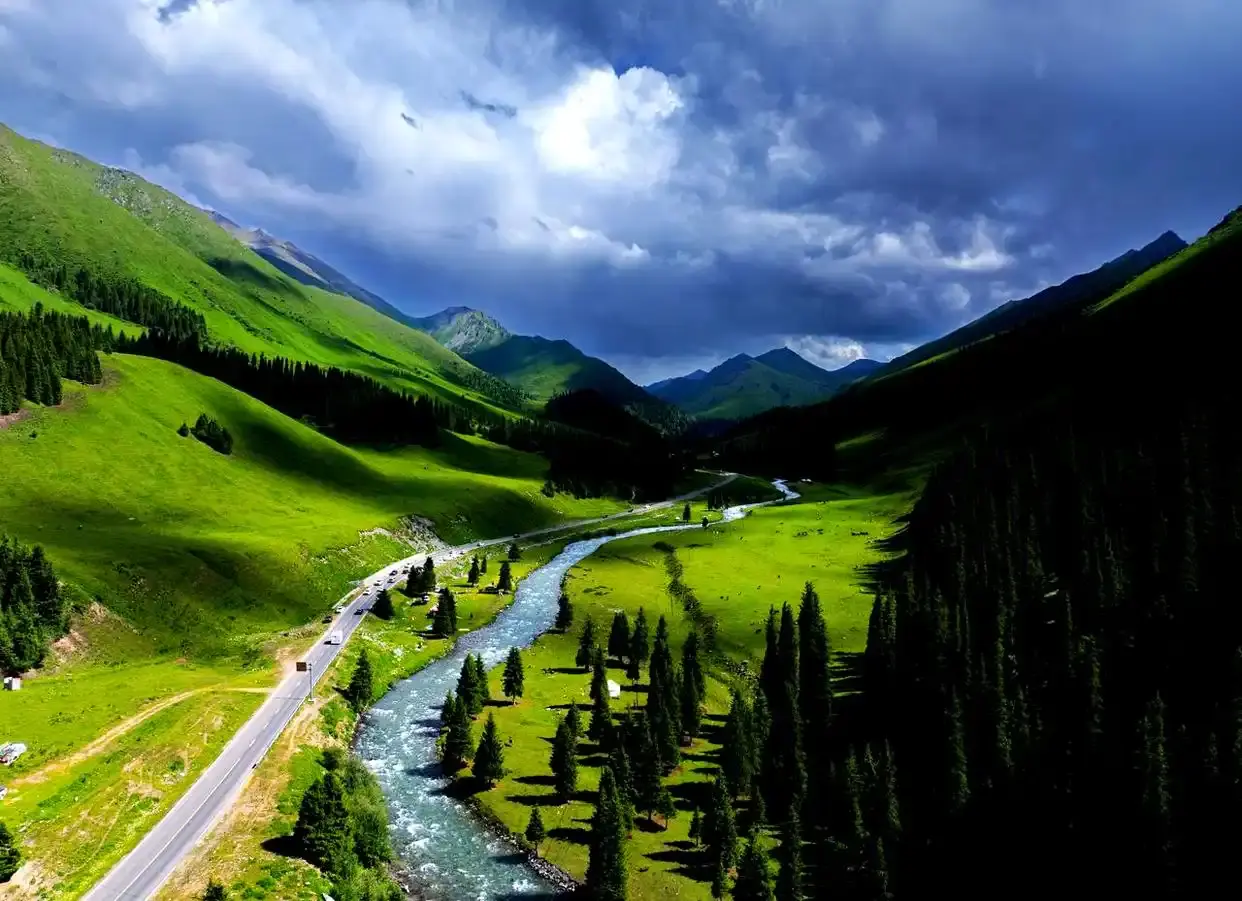
The headline closure is the Duku Highway, the 561-kilometre road that crosses the Tianshan range between Dushanzi and Toksun. Above a certain snow depth the gates close, almost always from November 1 to May 31, and sometimes into June if the thaw is late. The Yizhao Highway, which links Yining with Zhaosu through pasture country, has an even tighter window and is usually shut by November.
The good news is that the main arteries stay open. The G30 Lianhuo expressway (Urumqi-Kashgar corridor) runs through winter, as does the southern desert ring road (G3012) around the Taklamakan. The catch is the mountain detours: any side road climbing into a grassland or forest park is the first to be gated. If your plan depends on a specific scenic drive, assume it is closed from December to March unless you confirm it the week before.
Scenic Areas on Short Winter Hours or Full Closure
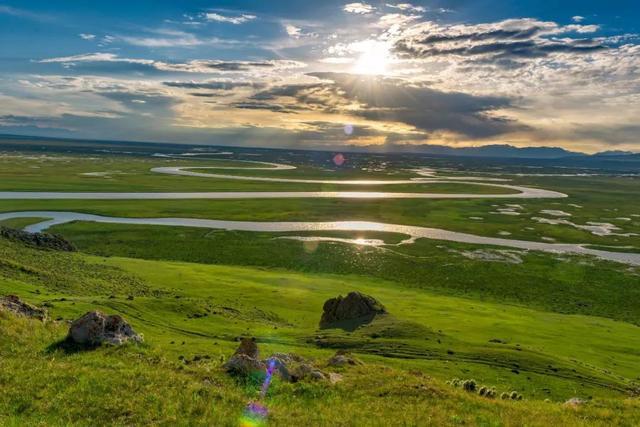
Kanas and Hemu are the surprise. Both now welcome winter visitors as part of Xinjiang’s cold-season push, but the experience is scaled back: shuttle buses run on a reduced timetable, some viewing platforms and boardwalk sections are gated for safety, and the famous sunrise points fill with ice. You can still go, and it is genuinely lovely, just not the full summer loop.
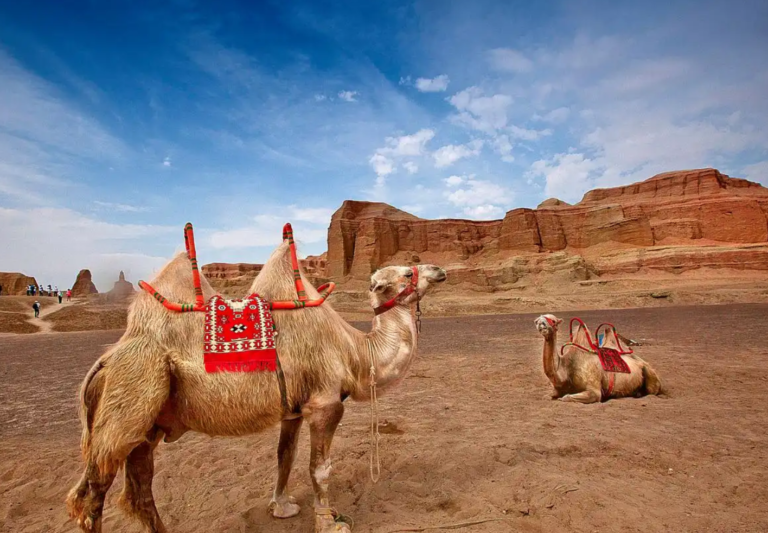
Tianshan Tianchi stays open and in some years sets up an ice and lantern festival. Sayram Lake is open but brutally windy; the western loop road ices over and gets temporarily gated, so you may only see the east shore. In the south, the Flaming Mountains near Turpan stay open (it is warm there), and the desert routes are clear. A few forest parks such as Jiangbulake limit access or close entirely. The pattern: headline lakes and the warm south stay reachable; the high grassland drives do not.
Accommodation and Services That Wind Down
This is where off-season trips quietly fall apart. Nomadic yurt camps across the Ili valleys and Nalati close from November to April. Many of the small boutique guesthouses in tourist towns such as Burqin and Hemu shutter for the season. Several restaurants in those towns follow suit, so dinner options thin out fast.
The fix is simple: sleep in the cities. Urumqi, Kashgar, Hotan, Turpan and Yining keep hotels, heating and restaurants running all winter. One practical note from experience: in smaller county inns the central heating can be weak or switched on late, so pack a mid-layer and do not assume the lobby will be warm. Newer chain hotels in the big towns are reliable.
Transport That Runs on Reduced Schedules
Flights into Urumqi stay frequent and stable. The regional airports; Tashkurgan (ATC), Qiemo, Ruoqiang, Aksu, Hotan and Kashgar; keep daily service but with fewer frequencies, and a couple of thin winter routes get suspended. Trains are the most dependable mode: the network actually expands in places, and a sleeper gets you between major cities regardless of road snow.
Long-distance buses are the weak link. Many inter-city coach lines, especially those feeding mountain counties, are cut or stopped entirely in winter. Ride-hailing works inside the cities but is not a serious option for cross-region travel. Our habit now is to build the skeleton of any winter trip on trains and flights, and treat buses as a bonus if they happen to run.
Border Crossings and Permits in Deep Winter
If your plan touches an international border, build in doubt. The Khunjerab Pass into Pakistan and the Torugart Pass into Kyrgyzstan both sit above 3,700 metres, and the tourist crossings typically halt during the deepest winter months when snow blocks the approaches. Even when paperwork is theoretically possible, weather closures are common.
Inside Xinjiang, the Pamir permit required for Tashkurgan stays in force year-round, and the Karakoram Highway (M41) can be blocked by snow, stranding travellers for a night. We always keep a buffer day when the Pamir is involved in winter, and we never book an international connection for the day after a border attempt.
What Stays Open: The Off-Season Upside
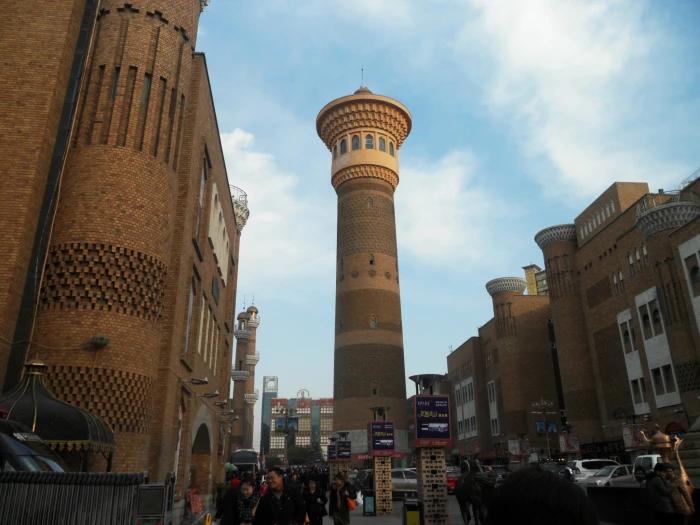
Enough of the closures; the flip side is genuinely good. Turpan, in the warm east, stays snow-free and fully open. Urumqi’s museums and the International Bazaar run normally. Kashgar’s old city, the Hotan jade market, and the southern desert loop are all reachable. Yining and the Ili valley are cold but open, and far emptier than in July.
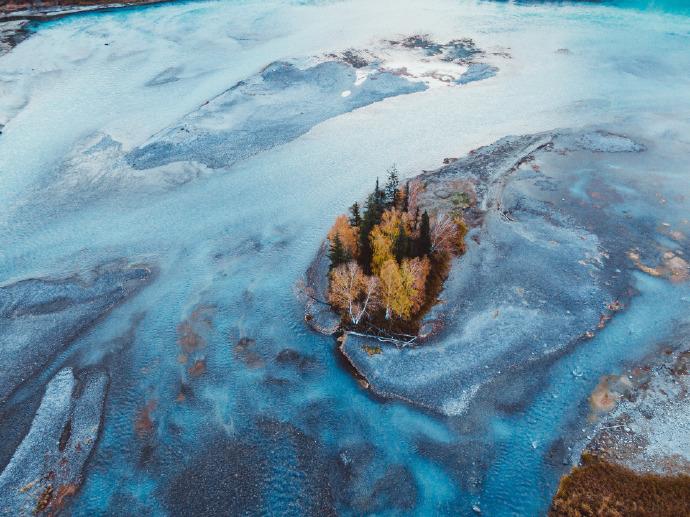
Prices drop. Crowds vanish. The light is flat and photographic in a way summer rarely offers. For Sayram Lake or Kanas Lake, a winter visit trades the full boardwalk for solitude and a different kind of beauty. For many travellers this is the better trip; it just asks for a different plan.
Planning Around Closures: A Practical Checklist
- Re-check park status, airline schedules and the 12306 train site about two weeks out; winter timetables move.
- Keep one buffer day per 1,000 km of road, more if the Pamir is involved.
- Book hotels in cities, not remote camps, and confirm heating when you reserve.
- Download offline maps; signal thins on the open highways.
- Have a “Plan B” southern loop (Urumqi-Turpan-Kashgar-Hotan) ready in case a northern road gates shut.
- Tell someone your route and expected arrival; winter gaps between towns are real.
A Realistic Off-Season Itinerary
For a first winter trip we suggest a southern-and-city loop that avoids the closed grassland drives:
Day 1-2, Urumqi: museums, the bazaar, and a day trip to Tianchi if the road is clear. Day 3, Turpan: the warm east; ruins and the grape valley stay open. Day 4-5, Kashgar: the old city and a market day, with an optional run toward the Pamir only if the permit office confirms the road. Day 6, Hotan: jade market and a slow end before flying out. This keeps you on open railways and warm towns, and it sidesteps every closed highway we listed above.
Questions Readers Ask About Winter Closures
Is Xinjiang completely shut in winter?
No. The cities, the southern desert routes, Turpan and the main railways stay open. What closes is the high mountain scenery: specific highways, some boardwalks, yurt camps and a number of small-town services.
Can I still visit Kanas in December?
Yes, the area stays open for winter, but with reduced shuttles and gated sections. Go expecting a quieter, partial experience rather than the full summer loop.
Are the roads really closed, or just discouraged?
Closed. The Duku and Yizhao gates are physical barriers with rangers; you cannot talk your way past them, and attempting side passes is both illegal and dangerous in snow.
Do I need winter tyres or a 4WD?
On the open highways, generally no; the main roads are ploughed. The real constraint is that the scenic roads you would want the 4WD for are the ones that are gated shut.
Is it cheaper in winter?
Usually yes. Hotels and some flights drop in price once the domestic summer crowds leave, and attractions are far less busy.
Disclaimer: This guide is based on the editorial team’s personal off-season travel in Xinjiang. Closure dates, flight frequencies and permit rules change from year to year and with snowfall. Always confirm critical details with the park, the airline and the relevant embassy before you travel. We are not responsible for disruption caused by outdated information.