
Published: July 5, 2026 | Author: Xinjiang Attractions Editorial Team
Planning a trip to Xinjiang? You’ve likely heard of Kanas Lake and Tianchi Lake—but Sayram Lake (赛里木湖) remains one of the region’s most breathtaking yet underappreciated destinations. In this guide, we share everything you need to know from personal experience: how to get there, when to visit, where to stay, and why this alpine lake is worth every kilometer of the journey.
Why you can trust this guide: Our team has visited Sayram Lake across three different seasons—June, August, and October. We’ve camped by the lakeshore, cycled part of the ring road, and spoken with local Mongolian herders about the lake’s cultural significance. This article combines firsthand experience with verified practical information to help you plan with confidence.
Quick Reference: Sayram Lake at a Glance
| Aspect | Details |
|---|---|
| Chinese Name | 赛里木湖 (Sài lǐ mù hú) |
| Location | Bortala Mongol Autonomous Prefecture, northern Xinjiang |
| Altitude | 2,073 meters (6,800 ft) above sea level |
| Lake Area | 458 km² (177 sq mi) |
| Best Time to Visit | June–September (wildflowers); December–February (ice scenery) |
| Entrance Fee (2026) | ¥70 per person; sightseeing bus ¥30 |
| Ring Road Length | ~90 km (scenic drive around the lake) |
| Nearest City | Yining (Ili) – 2 hours by car |
| UNESCO Status | Part of the Xinjiang Tianshan UNESCO World Heritage Site |
Our Personal Experience: Why “The Last Tear of the Atlantic” Lives Up to the Hype
When we first visited Sayram Lake in early June, we didn’t know what to expect. The drive from Urumqi had taken nearly 8 hours, and our expectations were high. As we crested the final hill on the G30 Expressway and caught our first glimpse of the lake, the entire car went silent.
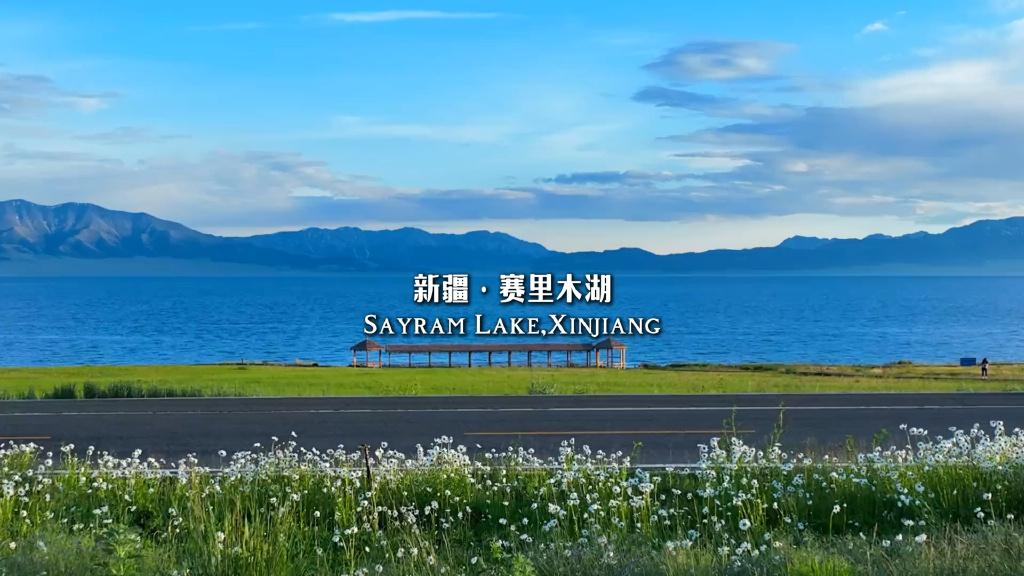
The water was an impossible shade of blue—somewhere between turquoise and sapphire—ringed by snow-capped mountains that still held winter’s grip despite the warm valley air. We found a spot to pull over near the eastern shore, stepped out, and were immediately struck by two things: the absolute stillness, and the clarity of the water. You can see straight down several meters in the shallows.
On a return trip in late August, we cycled about 15 km along the southern shore. The experience was completely different—golden grasslands, grazing horses, and fewer tourists. We met a Mongolian family who had set up a yurt near the lakeshore. They invited us in for milk tea and explained that Sayram Lake is sacred in local tradition—the “tear” refers to a legend about a fairy who cried over her mortal lover, and her tears formed the lake.
What struck us most across all three visits was the light. Because the lake sits at over 2,000 meters, the quality of light changes constantly. Sunrise paints the water in rose and gold; midday makes it almost neon blue; sunset turns the surrounding mountains a deep purple. It’s a photographer’s dream, but even casual visitors will find themselves reaching for their cameras every few minutes.
How to Get to Sayram Lake
By Car (Recommended)
The most flexible way to visit is by private car or rental. From Urumqi, take the G30 Lianhuo Expressway west toward Yining. The drive takes 7–8 hours (around 550 km). The lake is clearly signposted from the expressway; take the Sayram Lake exit and follow the scenic road.
From Yining (Ili), the drive is much shorter—about 1.5–2 hours east along the G30. This makes Yining an ideal base if you want to explore multiple sites in the Ili Valley region.
By Bus
Long-distance buses run from Urumqi to Yining (¥150–¥200, 7–8 hours). From Yining Bus Station, you can hire a taxi or join a day tour to Sayram Lake (round trip about ¥300–¥400 per person for a group tour).
There is no direct public bus from Yining to the lake entrance, so you’ll need to arrange private transport or a tour.
By Tour
Many travel agencies in Urumqi and Yining offer day tours to Sayram Lake, often combined with the Guozi Valley Bridge and nearby lavender fields (in June/July). These typically cost ¥400–¥600 per person including transport, entrance fee, and guide.
Best Time to Visit Sayram Lake
| Season | Pros | Cons |
|---|---|---|
| June–July | Wildflowers bloom around the lake; lavender fields nearby in full bloom; pleasant temperatures (15–25°C) | Peak domestic tourist season; accommodation fills up fast |
| August–September | Golden grasslands; clear skies; fewer tourists than June–July; comfortable weather | Nights get cold (near freezing by late September) |
| October–November | Dramatic autumn colors; very few tourists; crisp, clear days | Lake may partially freeze by late November; some facilities close |
| December–March | Lake completely frozen; “blue ice” phenomenon; surreal winter scenery; almost no tourists | Extremely cold (‑20°C to ‑30°C); many facilities closed; road access can be affected by snow |
| April–May | Snow begins to melt; migrating birds return; very few tourists | Weather unpredictable; some areas still closed; landscapes not yet green |
Our recommendation: Visit in mid-to-late June for wildflowers, or early September for autumn colors and fewer crowds. If you’re interested in winter photography, January–February offers the famous “blue ice” phenomenon when the frozen lake develops stunning crystal-clear ice bubbles.
Where to Stay Near Sayram Lake
Inside the Scenic Area
Staying inside the scenic area is the best way to experience sunrise and sunset without the day-tour crowds. Options include:
- Yurts (Mongolian Gers): Available from June to September. Basic but atmospheric—you’ll sleep on raised platforms with thick quilts. Prices: ¥150–¥300 per person including dinner and breakfast. Book through your hotel or tour guide in Yining.
- Camping: Permitted in designated areas. Bring your own gear; temperatures drop sharply at night even in summer. Free camping areas are available near the eastern shore.
Nearby Towns
- Yining (Ili): The best base for most travelers. Wide range of hotels (¥200–¥800/night). 1.5–2 hours from the lake. Recommended: Ili Hotel area near the city center.
- Bole City: Closer to the lake (45 minutes), but with fewer hotel options. Good for budget travelers.
- Wenquan County: About 1 hour from the lake. Known for hot springs—a great way to warm up after a day by the lake in cooler months.
Food and Dining Around Sayram Lake
Options inside the scenic area are limited. Most yurt stays include meals—typically noodle soups, milk tea, and flatbread. Bring your own snacks and water if you’re visiting on a day trip.
In Yining, don’t miss:
- Laghman noodles: Hand-pulled noodles with vegetables and meat. Try them at local Uyghur restaurants in Yining’s old town.
- Kavano (fried dough): A local breakfast favorite, often eaten with milk tea.
- Grilled fish: Some restaurants near the lake serve locally caught fish (though we recommend verifying sustainability with the restaurant).
- Ili apple products: The Ili Valley is famous for apples—try the fresh juice or dried apple snacks.
Practical Tips for Visiting Sayram Lake
- Altitude awareness: At 2,073 meters, altitude sickness is uncommon but possible. If you’re coming directly from Urumqi (also at altitude), you should be fine. Still, avoid strenuous activity on your first day.
- Pack for temperature swings: Even in July, temperatures can drop from 25°C during the day to near freezing at night. Bring a warm jacket, hat, and gloves.
- Sun protection is essential: The UV radiation at this altitude is intense. Use SPF 50+ sunscreen, wear sunglasses, and consider a wide-brimmed hat.
- Mobile coverage: Signal is spotty around the lake, especially on the northern and western shores. Download offline maps before you go.
- Cash is useful: While many places in Yining accept Alipay/WeChat Pay, small vendors near the lake may only take cash. Bring enough Chinese yuan for the day.
- Respect local customs: The area is home to Mongolian and Kazakh communities. Ask permission before photographing people or their property. Dress modestly when visiting nearby villages.
- Environmental responsibility: Sayram Lake is a protected area. Do not litter, and stay on designated paths. The lake’s ecosystem is fragile—don’t attempt to swim in restricted areas.
Sample 2-Day Itinerary
Day 1: Arrival and Lakeshore Exploration
- 08:00 – Depart Yining by car
- 10:00 – Stop at Guozi Valley Bridge for photos (30 minutes)
- 11:00 – Arrive at Sayram Lake East Gate; buy tickets
- 11:30 – Drive/cycle along the southern shore; stop at viewpoint platforms
- 13:00 – Lunch at a yurt camp (milk tea and noodles)
- 14:30 – Visit the flower meadows on the southwestern shore (best in June–July)
- 17:00 – Check into yurt or campsite
- 19:30 – Sunset photography at the western viewpoint
- 21:00 – Dinner and stargazing (the night sky is incredible here)
Day 2: Ring Road and Departure
- 06:30 – Sunrise photography (eastern shore)
- 08:00 – Breakfast at camp
- 09:00 – Drive the northern shore; visit the Mongolian cultural site
- 11:00 – Short hike near the northwestern bay (1–2 hours)
- 13:00 – Lunch at the scenic area restaurant
- 14:30 – Depart for Yining or continue toward Nalati Grassland
Frequently Asked Questions
Is Sayram Lake worth visiting if I’ve already been to Kanas Lake?
Absolutely. While Kanas is famous for its forest-framed alpine setting, Sayram Lake offers something different: an expansive high-altitude lake with 360-degree mountain views, wildflower meadows, and a distinct cultural atmosphere thanks to the Mongolian and Kazakh communities in the area. The two lakes are about 8 hours apart by car, so most travelers visit them as part of a longer Xinjiang itinerary.
Can I visit Sayram Lake in winter?
Yes, and it’s spectacular—but only if you’re prepared for extreme cold. The lake freezes completely, and the “blue ice” phenomenon (where you can see bubbles trapped in crystal-clear ice) attracts photographers from around the world. Access roads are usually open, but check weather conditions before departing. Dress for temperatures as low as ‑30°C.
How long should I spend at Sayram Lake?
We recommend at least one full day and one night. A day trip from Yining (4–5 hours total driving) only gives you 2–3 hours at the lake, which isn’t enough to appreciate its scale and beauty. Staying overnight lets you experience both sunset and sunrise, when the light is at its best.
Is swimming allowed in Sayram Lake?
Swimming is officially discouraged and restricted in most areas. The water temperature rarely exceeds 10°C (50°F), even in summer, and the lake is an important ecological and cultural site. Wading in shallow areas near the shore is generally tolerated, but always follow posted signs and local guidance.
Are there entrance fees for children and seniors?
Children under 1.2 meters and seniors over 65 (with valid ID) are typically exempt from the entrance fee. Students with a valid student ID receive a 50% discount. Policies can change, so confirm at the ticket office when you arrive.
What should I wear when visiting Sayram Lake?
Layers are key. Even in summer, bring a fleece or down jacket for early morning and evening. Comfortable walking shoes with good grip are essential—the lakeshore can be rocky and slippery. In spring and autumn, add thermal layers and a windproof outer shell.
Nearby Attractions to Combine With Your Visit
- Guozi Valley Bridge (果子沟大桥): An engineering marvel just 20 minutes from the lake’s eastern exit. The bridge spans a deep valley and is especially beautiful in spring when the surrounding hills are green.
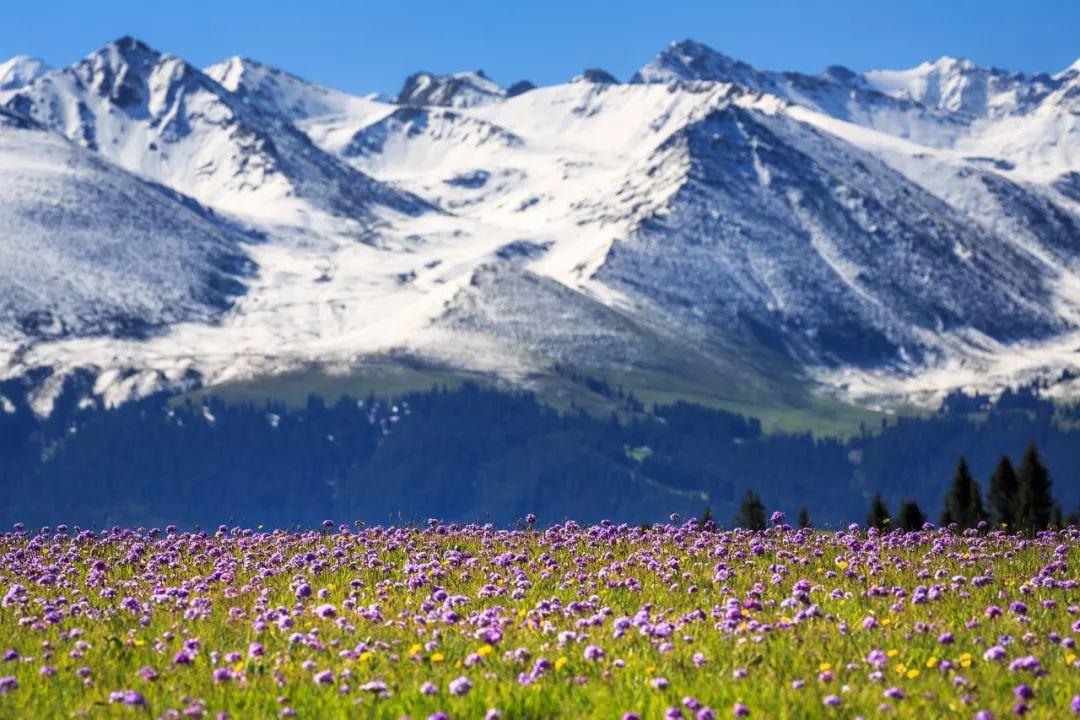
- Ili Lavender Fields (薰衣草): In June and July, the fields near Yining are in full bloom. The purple flowers with mountain backdrops make for stunning photos. The best fields are about 1 hour from Sayram Lake.
- Nalati Grassland (那拉提草原): A 3–4 hour drive from Sayram Lake, this “sky grassland” is one of Xinjiang’s most beautiful pasturelands. Combine both in a 3–4 day northern Xinjiang itinerary.
- Yining City (伊宁): The cultural heart of the Ili Valley. Visit the local bazaar, try Uyghur street food, and explore the leafy streets. It’s also the best place to stay and arrange transport.
Disclaimer
This guide is based on our team’s personal visits to Sayram Lake and information available as of July 2026. Entrance fees, opening hours, road conditions, and accommodation availability can change without notice. We recommend verifying current information with the official Sayram Lake Scenic Area administration or your tour operator before traveling. Weather in high-altitude areas is unpredictable—always check the forecast and prepare accordingly. This article contains affiliate links to booking platforms; we may earn a small commission at no extra cost to you.
About the Author
Xinjiang Attractions Editorial Team
Our team of travel writers and local guides has spent over a decade exploring every corner of Xinjiang—from the deserts of Turpan to the mountains of Kanas, from the bazaars of Kashgar to the shores of Sayram Lake. We’re committed to providing accurate, experience-based travel information to help you explore this incredible region safely and respectfully.
Have a question about traveling in Xinjiang? Contact us—we’re happy to help.