Published: August 5, 2026 | Author: Warwick Hensley, reviewed by Reyila Ablikim
This guide to Xinjiang festival participation is based on two trips I made between 2022 and 2024, plus notes from Reyila, a Kashgar-based cultural journalist who has helped foreign visitors navigate local celebrations for more than a decade. We are not theologians, and we do not speak for every household in the region. What follows are practical, respectful ways to take part in the celebrations that are open to outsiders, and clear boundaries for the ones that are not.
Quick Reference: Which Xinjiang Festivals Welcome Visitors?
| Festival | When | Open to visitors? | How to join | Photo rule |
|---|---|---|---|---|
| Navruz (Persian New Year) | March 20-22 | Yes | Public parks, family open houses | Ask before faces |
| Corban (Eid al-Adha) | 10th day of Dhu al-Hijjah | Limited | Through a host family only | No prayer crowds, no slaughter close-ups |
| Ramadan / Eid al-Fitr | Lunar month | No fasting rites | Iftar invitation from a host | No mosque interiors during prayer |
| Local weddings | Year-round | Sometimes | Word-of-mouth from a shopkeeper or guide | Ask the bride’s party first |
| Sunday bazaars | Weekly | Yes | Show up, eat, talk | People are usually fine; ask women |
What “Participation” Actually Means Here
There is a difference between attending a festival and participating in one. In Xinjiang, most large public events, such as the Xinjiang festivals calendar gatherings in Yining or the spring concerts in Kashgar, are easy to watch. You can clap, eat, and walk around. But the real participation, the kind that leaves you with stories instead of snapshots, usually happens inside a home, a courtyard, or a small neighborhood teahouse. That is where the rules change, and where this guide focuses.
I learned this the hard way during Corban in 2023. I stood on the edge of a village near Kashgar, camera ready, watching a family slaughter a sheep in their courtyard. A man waved me over. I thought he wanted me to photograph it. He did not. He handed me a bowl of tea, pointed to a plastic chair, and told me, in gestures more than words, to sit down and stop working. The lesson stayed with me: an invitation in Xinjiang is usually an invitation to sit, eat, and be present. It is rarely an invitation to document.
How Invitations Really Happen
You do not get invited to a family celebration by asking, “Can I come to your festival?” That question puts people in an awkward spot. Instead, invitations tend to emerge from ordinary relationships built over a day or two. The most common paths are:
- Your homestay host. If you are staying in a family guesthouse in Kashgar Old City or a village near Tashkurgan, the host may simply tell you, “Come tomorrow, we are making polo.”
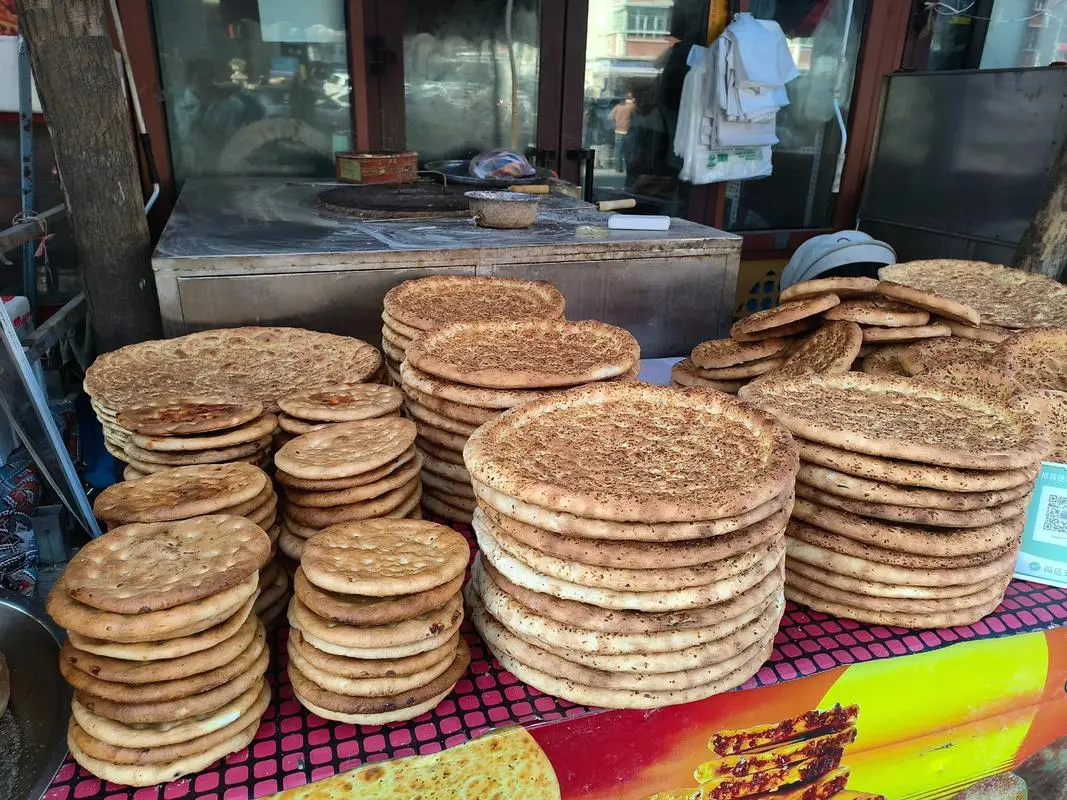
- A restaurant or shop owner. We have been invited to Eid lunches by a naan baker in Yining and a kebab vendor in Turpan after visiting their stalls three days in a row.
- A local guide. A good guide knows which households are comfortable with a foreign guest. This is different from a paid “cultural show.”
- Another guest or traveler. Sometimes another visitor has been invited and asks if they can bring a friend. Do not push for this.
If you do not get an invitation, that is normal. Public bazaars, evening dance gatherings in the old city, and Navruz park events still give you plenty of chances to participate without crossing private boundaries.
What to Bring as a Guest
Gifts are not required, but they are appreciated. The key is modesty. A guest who shows up with an expensive bottle of wine or a large box of pork products will cause discomfort, not gratitude.
| Gift | When it works | When to avoid it |
|---|---|---|
| Fresh fruit | Always safe | None |
| Nuts or dried fruit | Safe, especially for Eid | Check for pork-based additives in packaged mixes |
| Sweet pastries | Good for Navruz | Avoid during Ramadan if arriving before sunset |
| Tea | Safe if modestly priced | Do not bring alcohol-themed packaging |
| Toys or candies for children | Common at Corban and weddings | Give to the parents first, not directly to kids |
| Cash | Almost never from a guest | Elders give cash to children; guests should not |
Inside the Gathering: Practical Etiquette
Every household is different, but a few patterns repeat across Uyghur, Kazakh, Kyrgyz, and Tajik celebrations in southern Xinjiang.
- Shoes off at the door. Look at the pile of shoes and add yours neatly. If you see plastic slippers offered, use them.
- Sit where you are told. Elders and honored guests get the wall-side spots. Do not argue; accept the placement.
- Let the tea come to you. Someone will pour. Hold the bowl with your right hand, or both hands if it feels natural. A light tap on the table with your fingers is a polite way to say “enough.”
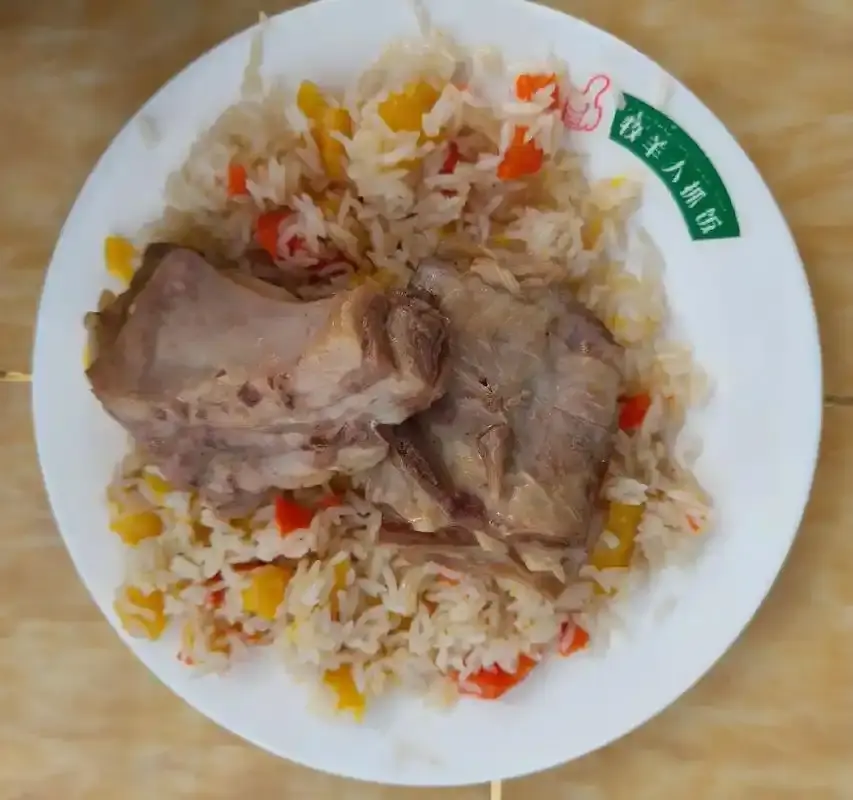
- Eat what is offered. You do not have to finish a whole plate of Uyghur cooking, but try a little of everything. Refusing outright can look dismissive.
- Do not step over food or people. Walk around mats and seated guests, even if it takes longer.
- Leave when the hosts start cleaning. A long goodbye is normal. The host may walk you to the gate.
At larger events, such as a village wedding, men and women may gather in separate spaces or at separate tables. Follow the lead of the person who invited you. If you are unsure, ask quietly: “Where should I sit?”
A Few Phrases That Open Doors
You do not need fluent Uyghur or Mandarin to participate, but a few phrases help enormously:
- Rozi Bayramingizgha mubarak bolsun — Happy Eid al-Fitr (Uyghur).
- Kurban Heytingizgha mubarak bolsun — Happy Corban (Uyghur).
- Naamim … — My name is … (Uyghur).
- Rahmat — Thank you (Uyghur; widely understood).
- Toydum — I am full (Uyghur; useful when hosts keep refilling your plate).
A clumsy attempt is usually received warmly. A confident silence is fine too. What matters is that you are not treating the gathering as a performance for your camera.
Photography: Ask First, Share Later
The most common mistake foreign visitors make at Xinjiang celebrations is photographing prayer, food preparation, or women’s faces without consent. My rule now is simple: if the moment would be ruined by me lifting a camera, I do not lift it.
- Do not photograph inside mosques during prayer. This includes Id Kah Mosque in Kashgar during the Eid morning prayer.
- Do not film the Corban slaughter. Some families will allow it if you ask; most will not. The default answer is no.
- Ask women directly. Do not ask a man for permission to photograph his wife, sister, or daughter.
- Wait before posting faces online. Even when people say yes to a photo, they may not want it on Instagram. When in doubt, keep it private.
Traveling During Ramadan
Ramadan is the trickiest time for Xinjiang Ramadan travel because the rhythm of the day inverts. Many Muslim-owned restaurants in southern Xinjiang close during daylight hours. Shops open late. Workshops and classes may pause. That does not mean you should avoid visiting, but you should plan differently.
- Eat breakfast at your hotel before going out.
- Carry water and snacks discreetly; do not eat or drink loudly on the street.
- Evening iftar invitations are a real possibility and one of the best ways to participate, but accept only if you are genuinely willing to wait for sunset.
- The hour before sunset is chaotic in bazaars. Plan transport early.
Sample Itinerary: A Celebration-Aware Three Days in Kashgar
This plan assumes you are in Kashgar during a festival period, such as Navruz or Corban. It balances public events with the possibility of a private invitation, without treating either as guaranteed.
- Day 1: Walk Kashgar Old City in the morning, visit the Sunday livestock market if it is open, and eat lunch near the Kashgar Sunday Market. In the evening, sit in a teahouse and talk to the owner. Do not ask for an invitation.
- Day 2: Visit Id Kah Mosque from the outside during non-prayer hours. Explore the copper and carpet streets. If you are invited to a meal, clear your afternoon and evening.
- Day 3: Take a day trip to a village near Tashkurgan or along the Karakoram Highway. Return early enough to join any public evening gathering in the old city.
For transport inside the city, see our guide to Xinjiang ride-hailing and taxis. If you want to pair the trip with a hands-on activity, our cooking and craft workshops page explains how to book a real session rather than a tourist demo.
Frequently Asked Questions
Can non-Muslims attend Eid prayers at Id Kah Mosque?
No. The morning Eid prayer is for worshippers only. Visitors can appreciate the mosque architecture and atmosphere outside the prayer times, as described in our Id Kah Mosque visiting guide.
Is it okay to visit Xinjiang during Corban if I am not invited anywhere?
Yes. Public life continues, and many restaurants stay open. The main change is that transport and accommodation can be busy as families travel.
What should I wear to a family celebration?
Dress modestly. Long trousers or a long skirt, shoulders covered, no revealing clothing. Avoid strong perfume. The Xinjiang etiquette guide has more detail.
Can I bring alcohol as a gift?
No. Alcohol is not appropriate for Muslim households. Bring fruit, nuts, or sweets instead.
Are there public folk dance events I can join?
Yes, especially in summer and during Navruz. Our Xinjiang folk dance guide explains the styles and where to watch or join informal circle dancing.
Disclaimer
The information in this article reflects personal experience and local advice gathered between 2022 and 2024. Festival dates, customs, and access rules can change. Always follow the guidance of your host or a licensed local guide, and respect religious practices and private property. This site may earn a small commission from some bookings made through affiliate links, at no extra cost to you.
About the Author
Warwick Hensley is a documentary travel writer who has reported on community life and cultural festivals across Central Asia and western China. Reyila Ablikim is a Kashgar-based journalist specializing in Uyghur handicrafts and traditional hospitality. Together they aim to give travelers practical, respectful guidance for experiencing Xinjiang beyond the obvious sights.
Related reading: Xinjiang festivals calendar, Xinjiang Corban Festival, Navruz Festival in Xinjiang, Xinjiang public holidays and travel crowds.