Published: July 22, 2026 | Author: Leila Karim
Most guidebooks tell you where to go in Xinjiang. Few tell you how to behave once you are there, and that gap is exactly where well-meaning travelers get into trouble. This guide to Xinjiang etiquette comes from four separate trips I made between 2017 and 2025, two of them with local friends who corrected me more times than I care to admit. I am not a cultural anthropologist. I am a writer who kept notes, asked questions, and made mistakes in front of real people. What follows is practical, tested advice rather than a list of rules copied from somewhere else.
If you are new to the region, pair this with our first-time visitors guide before you book anything.
Quick Reference: Xinjiang Etiquette at a Glance
Save this table to your phone. It covers the situations where visitors most often slip up.
| Situation | Do | Don’t |
|---|---|---|
| Greeting someone | Offer a handshake or a nod, and try “Yaxshimusiz” (hello) | Lunge in for a hug or back-slap with a stranger |
| Entering a mosque | Dress modestly, remove your shoes, ask before taking photos | Walk in front of people at prayer or film the imam |
| Shopping in a bazaar | Haggle with a smile and accept the tea you are offered | Insult a vendor or storm off mid-negotiation |
| Sitting down to eat | Wait to be shown a seat and accept food that is offered | Eat with your left hand or refuse a host sharply |
| Taking photographs | Ask before pointing a camera at a person’s face | Snap elders or children without a word |
| Attending a festival | Join public celebrations and bring a small gift if invited home | Drink heavily at a religious gathering |
What We Learned on the Ground
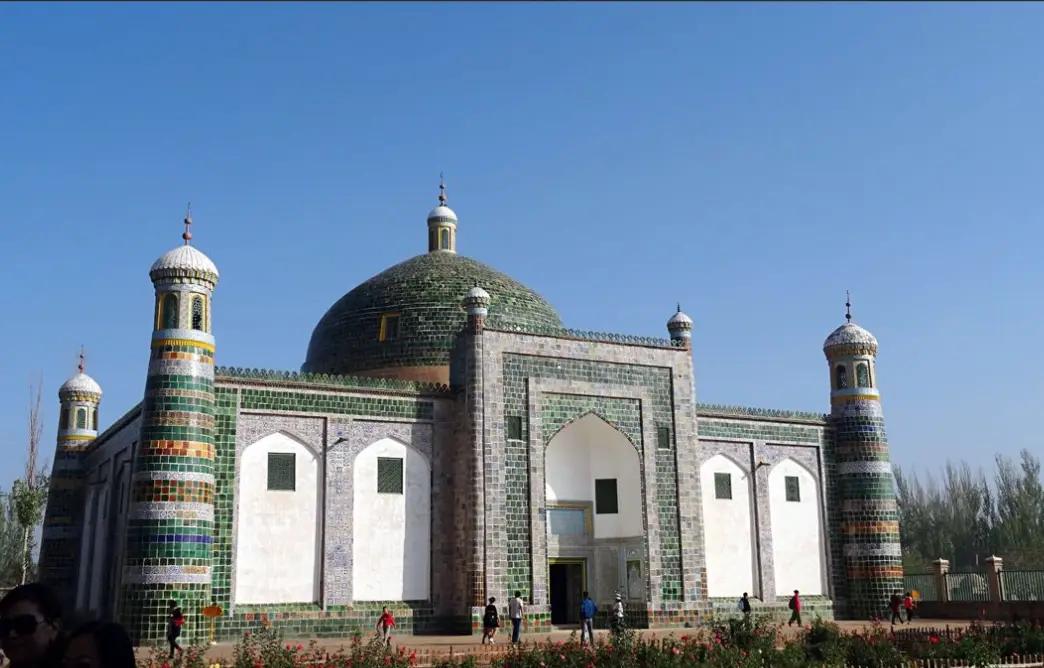
The single most useful thing I learned did not come from a book. On my second morning in Kashgar, a friend took me to the Id Kah Mosque area at dawn. I raised my phone to catch the call to prayer and a man in his sixties touched my wrist, not angrily, just firmly, and shook his head. He did not speak English. My friend explained later: at that moment people are not scenery, they are praying. I put the phone away. Nobody scolded me. That small correction shaped how I shoot photos for the rest of the trip.
Another lesson came at a Uyghur family’s dinner table outside Yining. I reached for a piece of nan with my left hand and the grandmother laughed, gently moving my right hand over. In her home the left hand is for the unspeakable. She was not offended, she was teaching. I have since watched tourists do the same thing and get a colder reaction, simply because the host was having a long day. The point is not fear. It is awareness that small gestures carry meaning you cannot see from the outside.
Etiquette on the Move: Buses, Trains, and Shared Cars
Public transport in Xinjiang is where quiet courtesy matters most, because you are sharing tight space with people who are not on holiday. On long-distance buses I learned to keep phone calls short and to offer my window seat to an older passenger without making it a production. Nobody expects a foreigner to give up a seat, but doing it once earned me a nod from the driver that opened three conversations down the line.
In shared cars, the unspoken rule is punctuality and a fixed split of the fare before you leave. Argue about money after four hours on a mountain road and you will poison the cabin. Agree on the number, the stops, and the price up front. When someone offers you a slice of watermelon or a handful of seeds, take it. Refusing food in a moving car reads as refusal of the person.
Timing Your Visit Around Local Customs
Xinjiang runs on two clocks. The official time is Beijing time, but most locals live two hours behind on Xinjiang time, and the daily rhythm bends around the five prayers and the Friday congregational service. If you plan a mosque visit, go mid-morning after the first prayers rather than at noon on Friday, when compounds are full and photography is unwelcome.
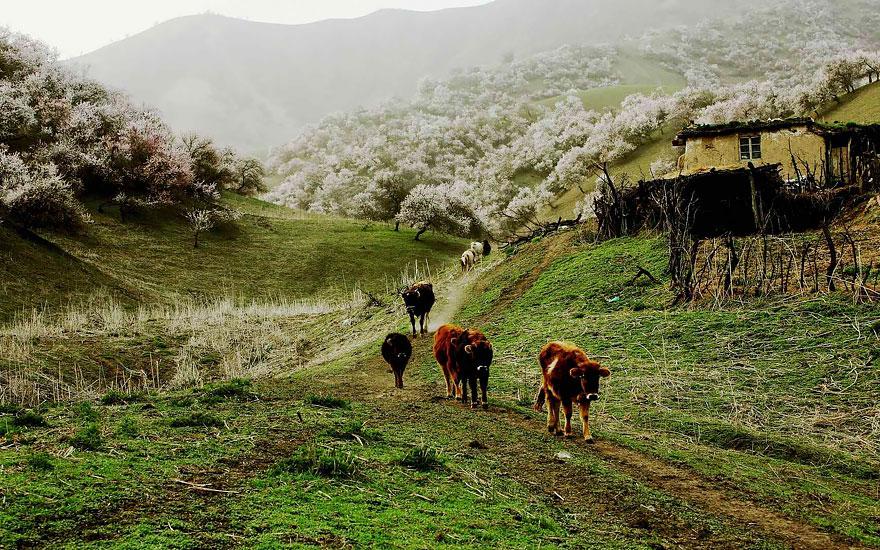
Festivals shift the tone of a place. The spring apricot-blossom gatherings in the Ili valleys and the Eid celebrations after Ramadan turn quiet towns loud and generous. Show up during these and you will be fed whether you like it or not. Our month-by-month weather guide helps you match a season to a festival, but ask a local guesthouse host what is happening that week rather than trusting a fixed calendar.
Staying with Locals: Homestay and Guest Etiquette
The fastest way to learn etiquette is to sleep under someone’s roof. A Kazakh homestay in the Tian Shan taught me that a guest is treated as a gift from heaven, which sounds lovely until you realize the pressure it puts on your hosts. Eat what is put in front of you. Compliment the meal in specific terms, not just “delicious.” If you stay more than one night, offer to help with dishes or to buy a round of groceries; most hosts will refuse, but the offer itself is the courtesy.
Shoes come off at the door in nearly every home, and you should not wander into private rooms uninvited. In yurts, the spot opposite the entrance near the stove is often the honored seat, not yours unless offered.
At the Table: Dining Manners
Xinjiang meals are communal, and the food arrives before any formality. Wait to be seated. Let the eldest or the host start. When a plate of hand-pulled noodles or a skewer of mutton is pushed toward you, take some. An empty plate in front of a guest is a quiet insult to the cook.
Use your right hand for bread and meat. If you are offered tea, hold the bowl with both hands when it is poured, and tap two fingers on the table as a thank-you, a habit picked up across the northwest. Do not blow your nose at the table or stick chopsticks upright in a bowl of rice, the latter resembling incense at a funeral. For a deeper look at where locals actually eat, see our piece on Xinjiang food markets.
Practical Do’s and Don’ts
A short, honest list from the notebook:
- Do learn three words: “rahmet” (thank you), “kächürüng” (sorry), “yaxshi” (good). They open doors.
- Do ask before photographing people, and show them the screen if they look unsure.
- Don’t discuss politics or religion as a debate. Curiosity is fine; arguing is not.
- Don’t refuse a cup of tea or a piece of fruit on the first offer. A second or third refusal is where it becomes polite to decline.
- Do carry small change and a few sweets for children if you visit a village, though giving cash to kids is discouraged.
- Don’t point the soles of your feet at someone when you sit on the floor.
- Do tip in restaurants only where a tip jar exists; service is included by custom, not by charge.
A Sample Etiquette-Aware Day in Kashgar
This is a real day I would hand to a friend. It is not a tour, just a sequence that respects the local clock.
- 8:30 Walk the old town before the heat. Greet shopkeepers with a nod; do not block their doorway.
- 10:00 Visit Id Kah after morning prayers. Dress covering shoulders and knees, shoes off inside.
- 12:30 Lunch at a family-run noodle spot. Wait to be seated, eat with the right hand, leave a quiet thank-you.
- 15:00 Sunday livestock market on the edge of town. Haggle for a felt rug with a smile; accept the tea.
- 19:00 Tea with a local host met through a guesthouse. Bring a small box of dates. Listen more than you speak.
A local guide can smooth the rough edges of this plan if it is your first time, and the etiquette you learn with them carries over to every later trip.
Frequently Asked Questions
Is it rude to take photos of people in Xinjiang?
Not rude if you ask first. In cities and markets most young people will happily pose. In villages, at prayer, or near elders, ask and show the result. A smile and the screen usually settle it.
Do I need to cover my head as a woman?
No. Foreign women are not expected to wear a headscarf. Cover shoulders and knees when entering a mosque, and dress modestly in conservative towns. The expectation is respect, not a specific garment.
How should I handle bargaining?
Treat it as a conversation, not a fight. Start around half the first price on crafts, settle somewhere both sides can laugh about, and never insult the maker. If you do not want to buy, say so kindly and move on.
Is tipping expected?
Rarely. Restaurants and taxis do not expect tips. If a guide or a homestay host goes far beyond the call, a small gift or a written thank-you note lands better than cash.
What do I say when someone offers food I cannot eat?
Be specific and light. “I am full, rahmet” works. For dietary needs, explain once and let it go. Most hosts will insists, and a small taste honors them without breaking your rule.
Disclaimer
This article is based on the author’s personal travel experience and conversations with local residents between 2017 and 2025. Customs vary by town, ethnicity, and family, and they change over time. It is not legal advice, and it does not cover border, permit, or visa requirements, which you must confirm with official sources such as the Ministry of Culture and Tourism of China before travel. Verify opening hours, festival dates, and access rules with your hotel or a licensed operator at the time of your visit. We are not responsible for any inconvenience arising from changes in local practice.
About the Author
Leila Karim is a travel writer and cultural researcher who has spent four seasons across Xinjiang, from the bazaars of Kashgar to Kazakh yurts in the Tian Shan. She speaks conversational Uyghur and Mandarin and focuses on the small, everyday courtesies that make independent travel smoother. Her work has appeared in regional travel journals, and she contributes field-tested guidance to this site. She can be reached through the editorial team for corrections or updates to this guide.
Celebration etiquette is covered in more detail in our Xinjiang festival participation guide.