Published: July 23, 2026 | Author: Samat Imin
Why I wrote this Xinjiang pomegranate guide
My family has lived in Hotan for three generations, and around 1998 my uncle planted forty pomegranate saplings on a half-hectare plot west of the city. I spent most school holidays out there, learning which fruit was ripe by the sound the rind made when you tapped it. So when people ask me about Xinjiang pomegranate and the walnuts that grow beside them, I am not quoting a brochure. I am describing the orchard I grew up in.
This guide covers the two orchard treasures southern Xinjiang is quietly known for: the big, sweet pomegranates of Hotan (especially the Piyman variety from Pishan County) and the thin-shelled walnuts that crack open between your thumb and palm. I will tell you when to go, how to reach the orchards, what to pay, and how to get a box home without it turning into mush.
Quick reference: Xinjiang pomegranate and walnuts at a glance
| Item | Best area | Peak season | What to look for |
|---|---|---|---|
| Pomegranate (Piyman / 皮亚曼) | Pishan & Hotan, south Xinjiang | Late Aug – mid Oct | Heavy for its size, deep red leathery rind |
| Paper-shell walnut (纸皮核桃) | Hotan, Yecheng, Aksu | Sept – Oct | Shell you can crack by hand |
| Walnut kernel (used in sweets) | Throughout south Xinjiang | Year-round (freshest in autumn) | Light color, no bitter or moldy smell |
| Pomegranate juice (石榴汁) | Street stalls in Hotan & Urumqi | Sept – Nov | Fresh-pressed, no added sugar |
My first real lesson about a Hotan pomegranate
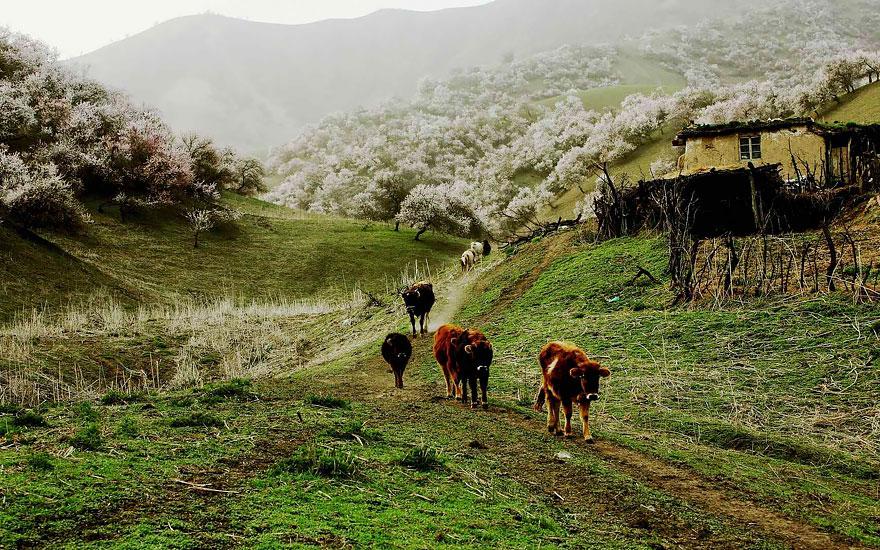
The moment I understood what makes a Hotan pomegranate different came in October 2004. My uncle handed me a Piyman fruit the size of a softball, dark red and almost square at the crown. He told me to weigh it, then tap the side. A ripe one sounds hollow and full, like a small drum. When I cut it open, the arils were the color of garnet and so sweet they barely had the tannic bite you get from pomegranates grown in hotter, drier places.
Walnuts ripened a little later. By early October the branches in the next field sagged under green husks, and growers spread the nuts on flat rooftops to dry. The local paper-shell type, zhi pi he tao, is the one worth hunting for. A good nut splits under gentle thumb pressure and the kernel slides out in two clean halves instead of crumbs.
Back at the house my aunt would score the crown and tease the seeds into a glass bowl, then press a handful through the hand juicer my parents still keep. The first glass of the season was always mine, and it tasted less like a drink than like biting into the fruit itself, cold and faintly tannic at the edges. Walnuts got the same careful treatment: my grandfather cracked them on the porch step and picked out the kernels with a hooked pin, saving the best halves for the naan he baked on Fridays.
Since then I have walked orchards from Pishan to Yecheng and eaten walnuts cracked at the table minutes before they hit the bowl in Kashgar guesthouses. None of that is in any guidebook I have read. It is just what the region does.
Getting to the orchards
Hotan has a small airport (HTN) with daily flights from Urumqi of about two hours, plus a slower rail link that I actually enjoy because it brushes the Taklamakan’s edge at dawn. From Hotan city, the pomegranate heartland around Pishan (Guma) County is roughly a two-hour drive west on the G315. Walnut orchards sit closer in, some within twenty kilometers of the city.
If you would rather not self-drive, base yourself in Hotan and hire a local car for a half-day orchard run. Most Xinjiang food markets and the Urumqi International Bazaar also stock both fruits year-round, so you can taste before committing to a trip south.

Best time to visit
For pomegranates, aim for the last week of September through mid-October. That is when the Piyman fruit reaches full sugar and the rinds shift from pink to deep red. Go too early and the arils are tart; go too late and the best fruit is already shipped out. Walnuts overlap by a week or two, with September into early October ideal, right after the green husks split.
One practical note: the Hotan area stays seriously hot through July and August, so if you are mixing an orchard visit with sightseeing, late September is the sweet spot for weather too.
Where to stay
Hotan city has a workable spread of hotels, from basic guesthouses near the old town to larger places with proper heating for the cold nights. If you want the orchard itself rather than just the fruit, a few family-run courtyards on the city’s west side let you sleep among the trees in autumn. Ask at the dried-fruit shops and they will point you to one. I stayed in such a courtyard in 2019 and woke to the sound of walnut husks being swept off the paving.
How locals actually eat them
Pomegranate in Xinjiang is rarely just a snack. In Hotan you find fresh shiliu zhi (pomegranate juice) pressed at street corners for a few yuan, no sugar added, the real thing the color of ruby. The seeds also turn up scattered over cold noodles in summer and folded into yogurt. Walnuts are everywhere in the baking: walnut naan (核桃馕) is a denser, slightly sweet round bread you break apart to find whole kernels, and there is a honey-soaked walnut sweet that sits between a pastry and a confection.
For a pairing, try walnuts with the region’s Hami melon. The contrast of cold sweet melon and bitter-rich walnut is a combination I did not appreciate until a farmer’s wife in Pishan put a plate in front of me.
Less obvious is walnut oil, hetao you, pressed from the kernels and used as a finishing drizzle over cold dishes in some Hotan homes. It smells of toasted nuts and a little goes a long way. Pomegranate also sneaks into savory cooking: a spoonful of arils brightens a lamb dish and cuts the fat, which is why you will sometimes see it scattered over a plate of cold noodles in late autumn when the fruit is cheapest.
Practical tips before you buy
- Weight beats size. A heavy pomegranate is a juicy one. Pick it up; if it feels light, the arils have dried.
- Test the walnut shell. Real paper-shell walnuts yield to a firm thumb. If you need a hammer, you paid for shell.
- Buy at the orchard in season. Prices in Hotan during October can run a third of what you pay in a northern-city supermarket.
- Skip the seeds at the border. Pomegranate seeds and unprocessed nuts can be stopped by customs, so eat or ship the arils rather than carrying seeds home.
- Ship, don’t carry. Couriers in Hotan pack pomegranates in foam and dispatch them nationally within two days. For walnuts, vacuum-sealed kernels travel best.
A two-day Hotan orchard plan
Day 1: Fly or train into Hotan. Afternoon walk through the old town and the produce market to taste what is in season. Dinner of walnut naan and fresh pomegranate juice.
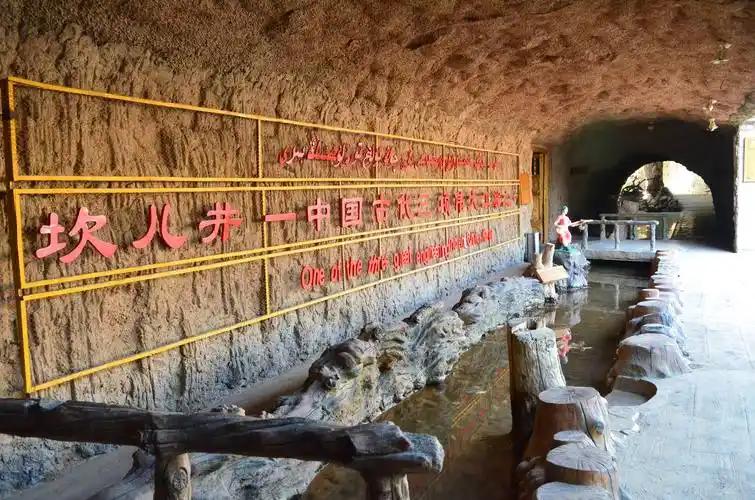
Day 2: Hire a car west to Pishan County. Spend the morning in a pomegranate orchard (most welcome visitors in season and will let you pick), buy walnuts from a roadside dryer, then drive back via a Karez irrigation site to see how the water that grows all this actually moves. Ship a box home from the Hotan courier point before your evening departure.
Frequently asked questions
When are Xinjiang pomegranates in season?
Late August through mid-October, with the Piyman variety from Pishan peaking in early October.
What makes the Hotan pomegranate special?
The climate, hot days, cool desert nights, and mineral-rich irrigation, produces large fruit with deep-red, sweet arils and very little of the sour edge found elsewhere.
Are Xinjiang walnuts really thin-shelled?
The paper-shell (纸皮核桃) type is. A good one cracks between your thumb and palm and yields whole kernels. Not every walnut sold is this type, so test before buying.
Can tourists visit the orchards?
Yes, especially around Hotan and Pishan in autumn. Many growers welcome visitors and selling direct is common. A local guide or driver helps with language.
How do I get pomegranates home?
Buy foam-packed boxes from a Hotan courier and ship domestically, or carry a few in your luggage wrapped in clothes. Avoid taking seeds or unprocessed nuts across international borders.
Disclaimer
This article is based on personal experience and general knowledge of southern Xinjiang’s produce. Harvest dates, prices, and orchard access change from year to year and vary with weather and policy. Nothing here is medical advice; pomegranates and walnuts are food, not treatment. Check current border, customs, and travel rules before you go, and confirm orchard visiting arrangements locally.
About the author
Samat Imin was born and raised in Hotan, Xinjiang, where his family has grown pomegranates for over two decades. He writes about the agriculture, markets, and foodways of southern Xinjiang for travelers who want to understand the region through what grows there. He has walked orchards from Pishan to Yecheng and admits he still judges a pomegranate by the tap-test his uncle taught him.