Published: July 23, 2026 | Author: Aiman Sapar
Why you can trust this Xinjiang samsa guide
Most travel writing treats Xinjiang food as a footnote to the scenery. I take the bread seriously. I’m Aiman, and I’ve lived in Urumqi for most of the last decade, writing about the cooking of China’s northwest. When I first arrived I assumed “naan” covered everything that comes out of a tandoor. It doesn’t. The afternoon a baker at the Erdaoqiao market slapped a meat-filled Xinjiang samsa against the inside wall of a roaring tonur and peeled it off twelve minutes later, I understood I’d been missing half the story. This guide is built from those years of eating, asking questions, and occasionally burning my fingers, not from a brochure.
Xinjiang samsa is the region’s version of the filled pastry: a dome or triangle of wheat dough wrapped around lamb, pumpkin, onion, or potato, then baked stuck to the wall of a clay oven until the base is chewy and the crust snaps. You’ll see them in every bakery window sitting beside the round naan, but they earn their own plate. Below I explain what they are, how they’re made, where the good ones hide, and the wider family of baked breads most visitors never get past naan to try.
Quick reference: Xinjiang samsa and baked breads at a glance
| Item | Typical filling | Best eaten | Where you’ll find it |
|---|---|---|---|
| Gösh samsa | Lamb, onion, a little tail fat | Hot from the oven, morning | Any tonur bakery |
| Kawa samsa | Pumpkin, onion, sometimes chickpea | Autumn, when pumpkins ripen | Kashgar, Hotan, Yining |
| Girde nan | Plain, ring-shaped with a hole | Dipped in milk tea | Urumqi, Yining markets |
| Qatlima | Layered, oily, sometimes sweet | Any time of day | Bazaars and bus stations |
| Pöshel | Sweet braid with sugar or raisin | Religious festivals | Kashgar old city |
| Külçä | Small sweet bun, often with oil | Weddings and holidays | Homes and holiday bazaars |
Samsa and the breads above share one piece of equipment: the tonur, a cylindrical clay oven sunk into the ground. Watching it work changed how I think about street food here.
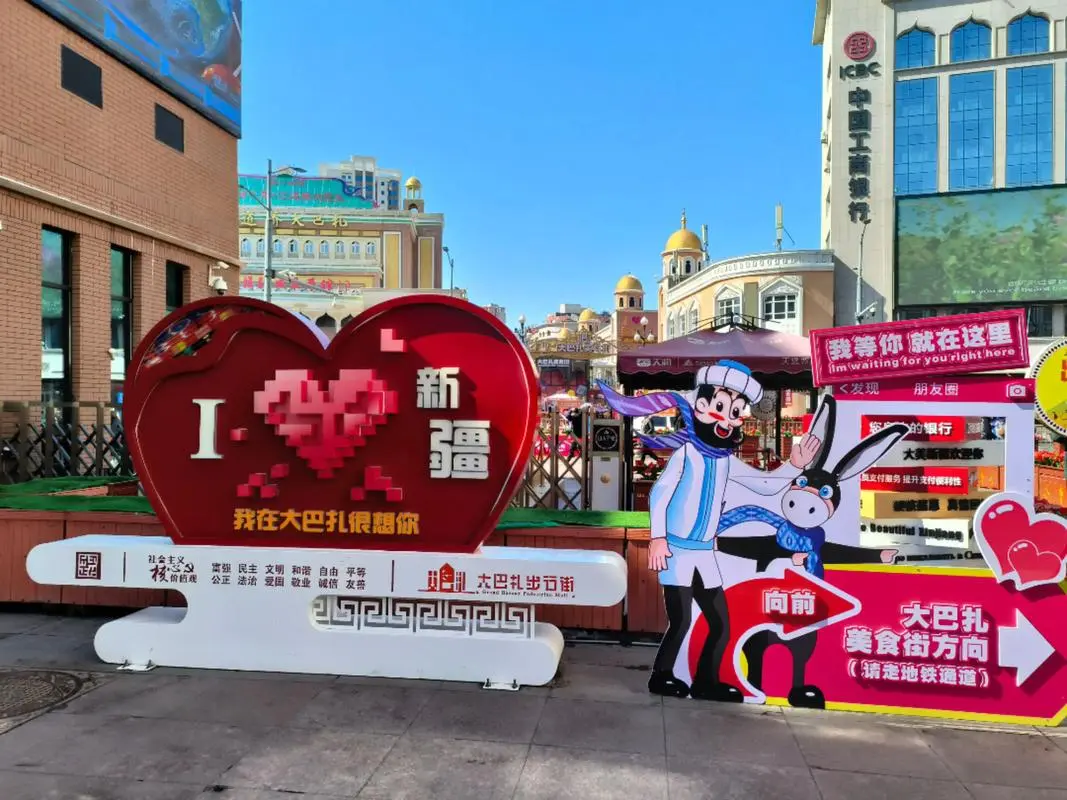
My first samsa lesson in a Urumqi tonur
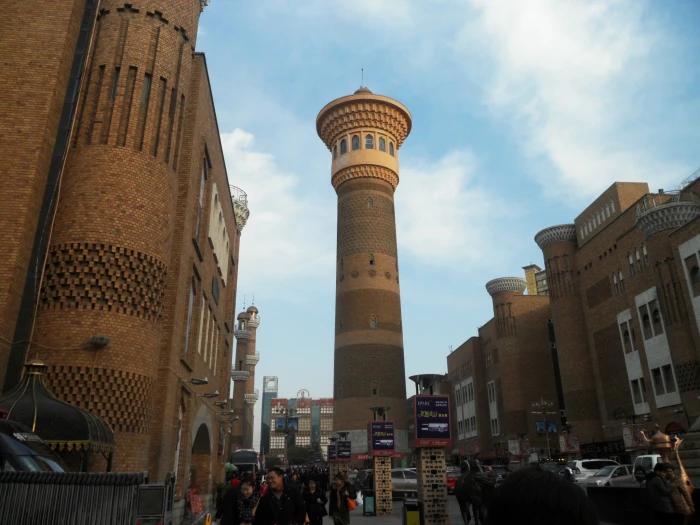
In the spring of 2019 I talked my way into the back of a bakery near the International Bazaar. The owner, a quiet man named Memet, let me stand by the tonur while he worked. He rolled the dough thin, spooned in a mix of minced lamb, onion, and a knob of fat, then folded it into a tight triangle. The trick, he said, was the throw: he pressed each samsa flat against the oven wall about shoulder height, where the heat is even, and it stuck there on its own. Twelve minutes later he knocked it loose with a long hook, and it landed in the tray crisp on top, steaming at the seam.
I tried one still too hot to hold. The crust gave way to lamb that had steamed in its own juices inside the dough. That single bite is why I keep coming back to bakeries instead of restaurants. A Xinjiang naan is dependable; a fresh samsa is an event that lasts about twenty minutes before it goes soft.
How a Xinjiang samsa is actually made
The dough is plain wheat flour, water, salt, and a little yeast or sourdough starter, rested long enough to relax. Fillings vary by season and town. In Urumqi the default is gösh, lamb with onion. Down in Kashgar and Hotan you’ll meet kawa samsa, where grated pumpkin replaces most of the meat and the result is sweet-savory and lighter. Some bakeries add a few chickpeas or a slice of potato to stretch the filling; the best ones don’t need to.
What surprises visitors is the baking method. Samsa are not placed on a tray. They’re stuck directly to the tonur wall, so the bottom cooks against radiant heat while the top dries in the hot air. That’s why the underside stays slightly moist and the top goes brittle. Ovens fired with apricot wood give a faint smoke you can taste. Bakeries using a conventional electric oven produce a paler, softer version, still good, just different.
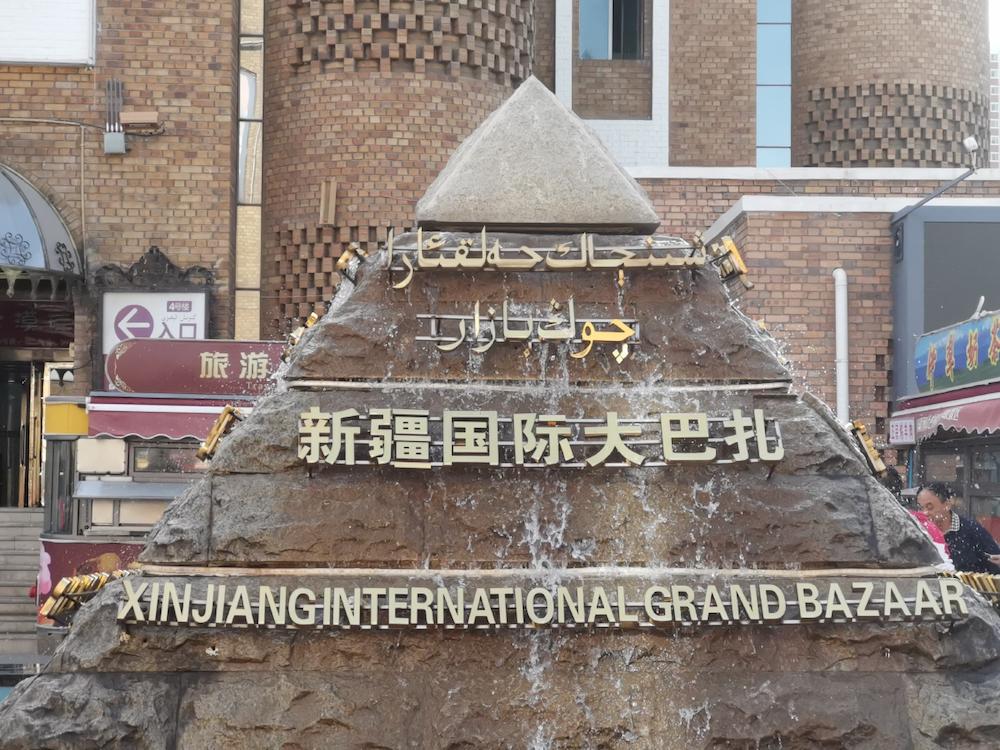
Where to find good Xinjiang samsa
You don’t need a restaurant. You need a working tonur, and they’re everywhere. In Urumqi, the lanes around the Urumqi International Bazaar and the Erdaoqiao area have a dozen bakeries within a few blocks. Look for the ones with a queue and a visible oven, not the ones keeping samsa warm under a heat lamp for hours.
In Kashgar, the Kashgar Sunday Market and the old city bakeries sell pumpkin samsa that tastes nothing like the Urumqi meat version. Hotan’s night bakeries lean sweet and are worth a late walk. Smaller towns along the southern Tarim route often have a single tonur by the bus station, and that one is usually the best in town because everyone goes there.
Best time of day to eat samsa
Timimg matters more than location. Most bakeries fire two batches: one around 8 to 9 in the morning and a second near 5 to 6 in the evening. Show up at 10:30 after a tour bus has cleared the tray and you’ll get whatever survived. I plan bakery stops for the first hour after a batch comes out. The baker will often hand you one straight off the hook if you ask, and that twenty-minute window is the whole point.
Autumn is the best season for variety, because pumpkin samsa appears as the harvest comes in. Winter samsa are heavier and meatier, which suits the cold. Summer bakeries can be slow midday, so morning is safest.
Where to base yourself for bakery access
If bread is a priority, stay within walking distance of a working tonur. In Urumqi that means a hotel near the International Bazaar or Erdaoqiao, where you can step out for a morning samsa and milk tea without hailing a cab. In Kashgar, the old city guesthouses put you steps from several bakeries that open before most sights do. This is one case where Xinjiang food markets beat any hotel breakfast buffet.
Beyond naan: the breads worth knowing
Naan gets the postcards, but the tandoor turns out a whole roster. Girde nan is the ring-shaped cousin with a hole in the middle, firmer and good for dunking in tea. Qatlima is rolled with oil into layers, sometimes sugared, and eats like a richer cousin of a flat croissant. Pöshel is the braided sweet bread you’ll only see around Corban and other festivals. Külçä are small sweet buns passed around at weddings. None of these keep well, which is exactly why locals buy them daily rather than hoarding.
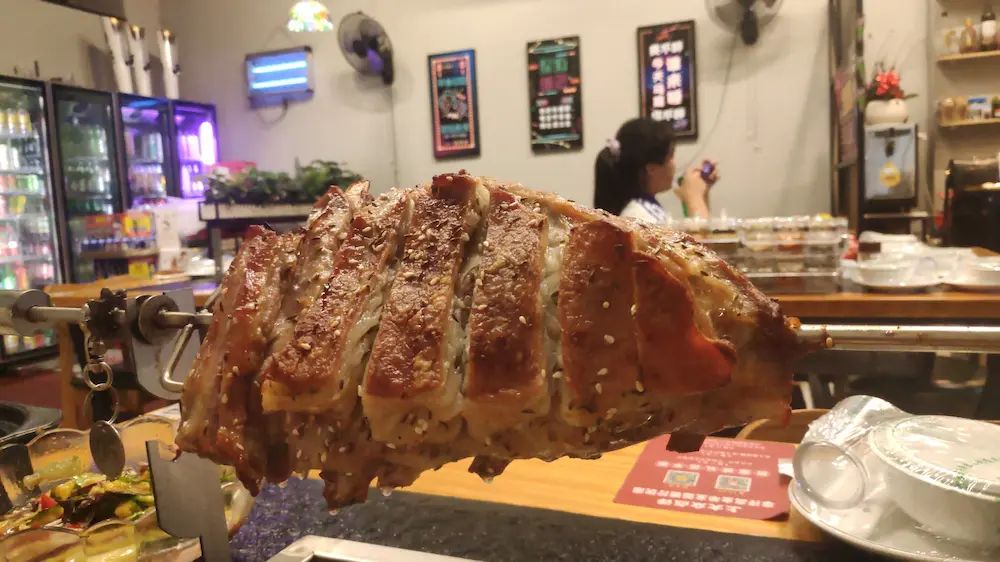
Practical tips for eating Xinjiang samsa
- Eat it hot. A samsa at room temperature is a different, worse snack. If it’s been sitting, ask for a fresh one.
- Don’t refrigerate leftovers. The dough turns to rubber. Eat within a few hours or skip it.
- Expect to pay roughly 3 to 8 RMB per piece depending on filling and city; pumpkin is usually cheaper than lamb.
- Watch the baker lift it. If they’re pulling samsa off a wall with a hook, it’s the real tonur method. If they’re sliding a tray out of an electric oven, it’s still fine but softer.
- Pair it with milk tea, not cold water. The locals do, and the fat in the lamb filling sits better that way.
If you like the meat filling, you’ll also enjoy Xinjiang kebabs, which use the same lamb and onion combo on a stick, or a plate of Xinjiang pilaf cooked in the same Sunday-pot tradition.
A one-day Urumqi bread crawl
This is the route I give friends who have one day and want to eat their way through the baked goods:
- 8:30 – Walk to a tonur bakery near Erdaoqiao. Buy one lamb samsa and one girde nan straight from the oven.
- 9:15 – Sit at a nearby tea house, break the girde nan into your milk tea, eat the samsa while it’s hot.
- 11:00 – Stroll the International Bazaar food section; sample qatlima from a stall and watch a baker shape pöshel if it’s near a festival.
- 13:00 – Lunch on pilaf or kebabs nearby so the bread makes sense as part of a meal.
- 17:30 – Return to the same bakery for the evening batch; try a pumpkin samsa if the season allows.
It’s not a long day, but it covers the full range without a single restaurant reservation.
Frequently asked questions
Is Xinjiang samsa spicy?
Usually not. The filling is lamb, onion, salt, and pepper at most. You add chili flakes yourself from the jar on the counter if you want heat.
Can vegetarians eat samsa?
Pumpkin (kawa) and plain potato samsa are vegetarian by filling, but check that the dough wasn’t brushed with animal fat. Pumpkin versions are your safest bet, and qatlima is often meat-free too.
How is samsa different from a samosa?
The shape is similar, but Xinjiang samsa is baked on a tandoor wall, not deep-fried, and the dough is a soft wheat bread rather than a thin pastry. The texture is closer to a filled roll than a crisp packet.
Do I need to speak Uyghur or Chinese to order?
No. Point at the tray, hold up fingers for the count, and say “gösh” or “kawa” if you have a preference. Most bakers understand the words for meat and pumpkin.
Will samsa survive a long bus ride as a snack?
For an hour or two, yes, if wrapped in paper. Beyond that it goes stale. Buy it close to when you’ll eat it.
Disclaimer
This article reflects the author’s personal experience eating across Xinjiang between 2017 and 2025. Prices, bakery hours, and even which breads a shop makes change by season and by year, so treat the details above as a starting point rather than a fixed schedule. If you have food allergies, especially to wheat or lamb, ask the baker about the filling before eating; cross-contact in a small tonur is common. Nothing here is medical, dietary, or legal advice.
About the author
Aiman Sapar is a Urumqi-based food writer who has spent eight years documenting the bread culture of China’s northwest. She trained briefly with a tonur master in 2019 and contributes to regional food guides. She prefers her samsa hot, her tea weak, and her bakeries with a visible oven.