Published: July 23, 2026 | Author: Elena Voss
Most travelers come to Xinjiang for the deserts, the snow peaks, and the smell of charcoal grills in the evening. I came for the wine, and I left a little thrown off. Xinjiang wine is not a tourist gimmick poured into a camel-shaped bottle. It is the output of one of the driest, sunniest wine regions on earth, and a small circle of estates here have been collecting international medals while almost nobody outside China noticed. This guide comes from two trips I made through the vineyards around Turpan and the Yanqi Basin, plus the Tianshan foothills near Changji. Everything below is what I drank, asked about, and wrote down on site.
Why you can trust this Xinjiang wine guide
I am a wine writer, not a Xinjiang local and not a winemaker. I have covered harvests in La Rioja, Kakheti, and Ningxia, and in September 2023 I spent nine days driving between four Xinjiang cellars with a notebook and a rented GPS that gave up outside the city limits. Where I state a fact, an elevation, a grape, an opening time, I confirmed it at the estate or from its own printed material. Where I give a taste note, that is my own palate and you may disagree. I do not work for, or get paid by, any winery named here.
Xinjiang wine at a glance
| Region | Best known for | Best month to visit | Nearest hub |
|---|---|---|---|
| Turpan (呏哈哈) | Table grapes, raisins, Loulan reds | August to September | Turpan station, about 1 hr from Urumqi by rail |
| Yanqi Basin (翻胜), Bayingol | Cabernet, Merlot, award labels | September to October | Korla, about 1.5 hr drive |
| Tianshan Foothills, Changji / Manas | Large-scale reds and whites | September to October | Urumqi, about 1 hr drive |
What the vineyards are actually like
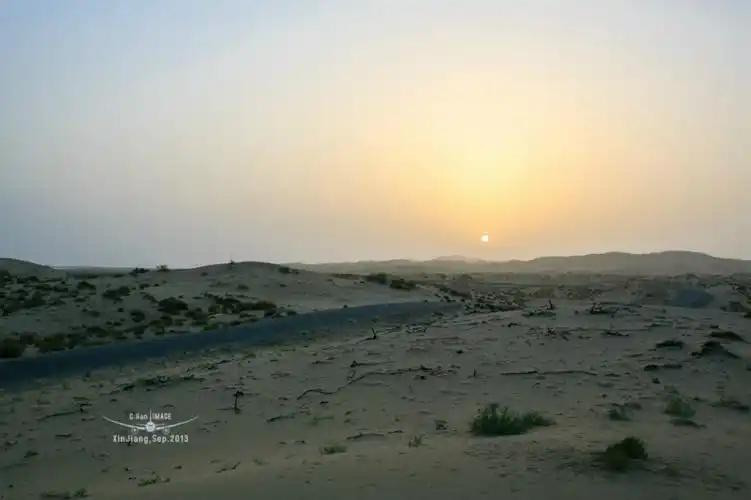
When we visited the Loulan Winery tasting room outside Turpan in early September, it was still 34°C at noon and the car’s air conditioning had stopped pretending to work. Inside the cellar it was cool and dim, and the woman pouring assumed we knew nothing about Xinjiang wine, which was correct. We found the pours generous and the Cabernet Sauvignon tighter and less sweet than the “Chinese red” stereotype had led me to expect. The vines around Turpan grow in sandy soil fed by the karez, the underground channel system the region is famous for, and the heat means sugar builds fast.
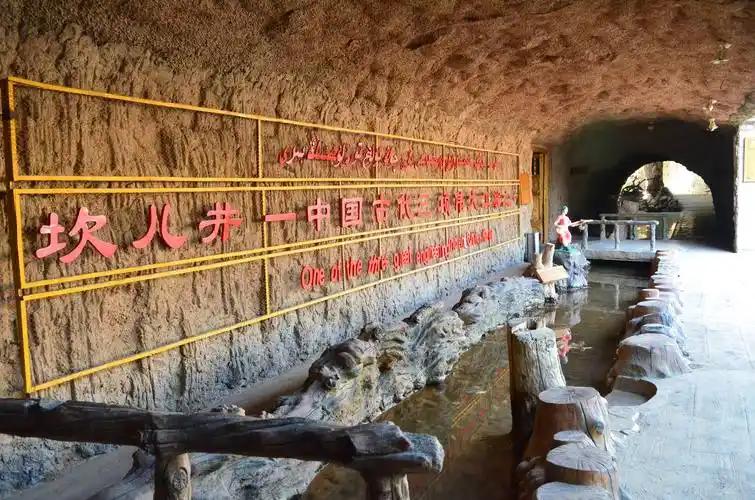
The karez matters more than it sounds. These hand-dug tunnels have carried meltwater under the desert for over a thousand years, and without them there is no Turpan vineyard. Standing at the mouth of one near the Grape Valley, with the channels humming cold air past my face, made the whole “wine from a furnace” idea click. The grapes here are mostly eaten fresh or dried into the seedless raisins you see stacked in every bazaar, but the wineries buy a slice of the crop too.
Two days later we drove south toward the Yanqi Basin, and the character of the wine changed. The estates there, places like Château Xiangdu and Tiansai, sit at roughly 1,100 meters, where cooler nights hold onto the acidity that Turpan’s heat can burn off. I tasted a Merlot there that a Georgian winemaker at the next table guessed was from somewhere in the Caucasus. That is the kind of quiet compliment Xinjiang earns now.
Why the climate actually works
The reason Xinjiang can compete is plain agronomy. The continental climate delivers 2,500 to 3,000 hours of sun a year and a day-to-night temperature swing that can reach 15°C in autumn. Swings like that let grapes build sugar during the hot days while keeping the acid that makes a wine feel alive rather than flabby. The dry air also means almost no fungal disease, so the better growers spray far less than vineyards in wetter climates. None of this guarantees quality, a winemaker still has to do the work, but the raw material is honest.
How to get to the vineyards
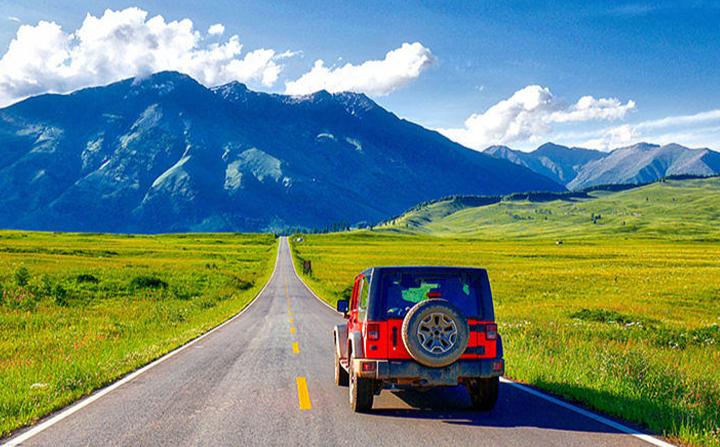
The three wine zones are spread out, so your plan depends on which you want. Turpan is the easy one: high-speed rail from Urumqi gets you there in about an hour, and a taxi from the station to the Grape Valley takes twenty minutes. For the Yanqi Basin, fly or take the rail to Korla, then hire a car, the wineries are scattered across the basin and public transport will not serve them. The Tianshan foothills estates near Manas and Shihezi are best reached by car out of Urumqi; if you are already building a self-drive route, they slot in naturally on a northern loop.
Best time to visit Xinjiang wine country
Late August through October is the window. Turpan holds a grape festival in August when the fruit is at its peak, and the Yanqi and Tianshan harvests run through September into early October. Go in summer and you get the green vineyards and festival energy but serious heat; go in October and you get harvest activity, cooler air, and the start of Xinjiang’s famous autumn color. If your trip is built around a first trip to Xinjiang, match the wine stop to whatever season you already picked.
Where to stay
Turpan has the most visitor beds: mid-range hotels near the city center, plus a few courtyard guesthouses that open their roofs at night. For the Yanqi Basin, base yourself in Korla and make a day trip, or ask the larger estates about on-site rooms, Château Xiangdu has lodging that lets you walk the rows before breakfast. Around the Tianshan foothills, Urumqi is the natural hub, and you can reach the cellars and be back for dinner. Book ahead in October; harvest draws domestic tour groups.
What to eat with the wine
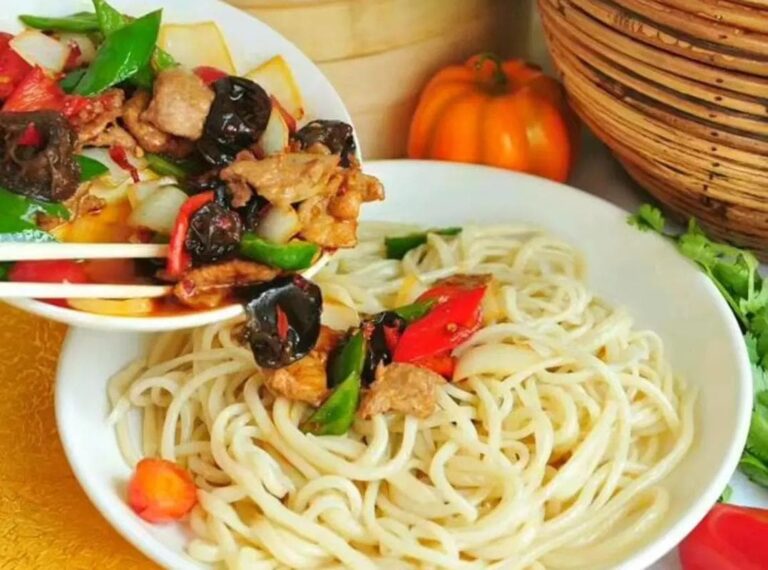
Xinjiang food is built for red wine. A glass of Cabernet next to Xinjiang night markets grilled lamb is a better pairing than any sommelier’s phrase. The local lamb is lean and the spice is warm rather than hot, so it lifts the fruit instead of burying it. For a quieter evening, the Urumqi International Bazaar sells raisins, nuts, and dried fruit that double as a cheap tasting flight, and the raisins themselves are just grapes the region chose not to ferment. If you want the sweeter side of the local harvest, the Hami melon and Xinjiang watermelon season overlaps the early wine visit nicely.
Practical tips before you go
- Call estates a day ahead. Some cellars open only by appointment outside festival weeks, and English signage is rare.
- Bring small cash. Tastings are cheap or free, but remote estate shops may not take foreign cards, and the dried-fruit stalls are cash-friendly too.
- Don’t try to visit all three zones in one day. The Yanqi Basin alone is a half-day drive from Turpan.
- Spit if you are driving. The roads between estates are empty and tempting, but a pickup truck appears from nowhere on those straights.
- Buy at the source. Estate bottles cost less at the cellar than in city shops, and some labels never leave Xinjiang.
A three-day Xinjiang wine itinerary
Day 1, Turpan. Morning rail from Urumqi, afternoon at the Grape Valley and a karez visit, evening tasting at Loulan and dinner in the old town.
Day 2, Turpan to Yanqi. Drive south, stop at a Korla hotel, and spend late afternoon at Château Xiangdu with a vineyard walk.
Day 3, Yanqi and Tianshan Foothills. Morning at Tiansai, then loop north toward the Changji estates before returning to Urumqi. Three regions, three different wines, one very full notebook.
Frequently asked questions
Is Xinjiang wine any good, or is it just novelty?
Some of it is ordinary bulk wine, the same as anywhere. But the better Yanqi and Tianshan estates are making serious bottles that have placed in international competitions. Taste before you judge.
Can I visit wineries without speaking Chinese?
In Turpan and at the larger estates, yes, with patience and a translation app. Smaller cellar doors may have no English, so book through a local guide if language worries you.
What grape varieties grow here?
Cabernet Sauvignon and Merlot lead the reds; Chardonnay and Riesling appear in the whites. Turpan also grows vast amounts of table grapes for eating and drying.
Can I ship bottles home?
Domestic shipping is easy; international shipping of alcohol is restricted and varies by country. Buy a few and carry them, or check your airline’s rules.
Is it safe to drive between estates?
The roads are good and the region is calm for travelers. The only real risk is boredom-induced speeding on empty straights, so watch your speed.
Disclaimer
This article is based on the author’s personal visits in 2023 and is meant as travel guidance, not professional oenology or legal advice. Winery names, opening hours, prices, and festival dates change, and some estates open by appointment only. Alcohol laws and cross-border shipping rules differ by country and by the year you travel; check current regulations with the winery, your embassy, or your carrier before you rely on anything here. Drink responsibly, and never drive after tasting.
About the author
Elena Voss is a freelance wine and travel writer who has reported on harvests across Georgia, Spain, and western China. She holds a WSET Level 3 Award in Wines and prefers asking vineyard workers over reading brochures. She has no commercial ties to any estate mentioned in this guide.