Published: 23 August 2026 | Author: Karl Huang
Most visitors to Xinjiang meet laghman first. The wide bowl of hand-pulled noodles capped with a glossy stir-fry is on every menu and it earns the attention. But if you only ever order that, you miss two dishes that locals reach for once the photo is taken. This guide to suoman Xinjiang noodles and ding ding chao mian comes from many evenings spent at small noodle houses between Turpan and the Ili Valley, and from pestering the cooks about how they build the bowl.
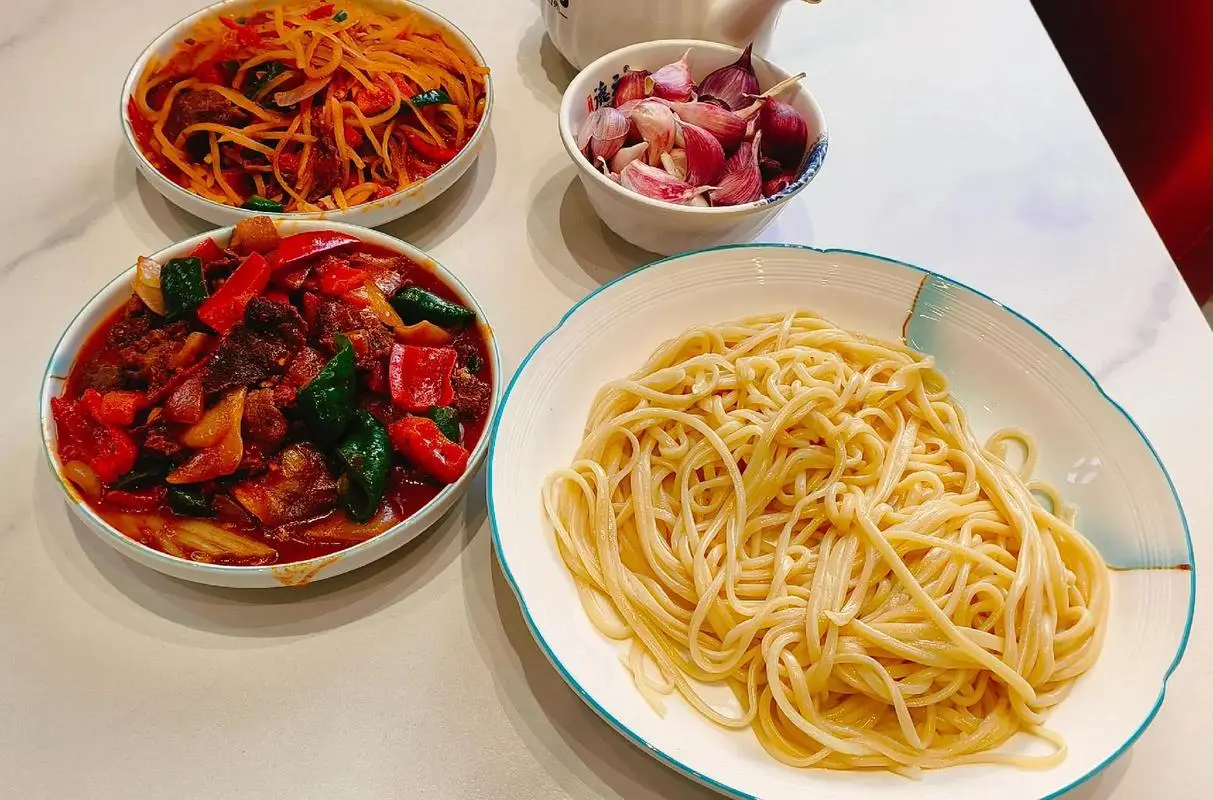
Quick reference: suoman and ding ding chao mian at a glance
| Feature | Suoman | Ding ding chao mian |
|---|---|---|
| Noodle form | Long, thin hand-pulled strands | Noodles cut into 1 cm dice |
| Texture | Light broth, soupy | Dry, wok-tossed, chewy |
| Main topping | Lamb, celery, wood ear, tomato | Lamb, celery, pepper, tomato |
| Where we ate it most | Turpan and eastern Xinjiang | Everywhere, all year |
| Typical price | 20 to 30 yuan | 18 to 28 yuan |
| How you eat it | With chopsticks, broth included | With a spoon, no broth |
What we found slurping our way across the region
On a freezing February night in Turpan we ducked into a corner noodle house off a side street near the bazaar. The cook was pulling dough against the steel counter in the back, the slap carrying over the radio. We ordered suoman and watched a shallow bowl arrive with translucent noodles floating in a pale, tomato-tinted broth dotted with slices of lamb and ribbons of celery. It was nothing like the heavy laghman we knew from Urumqi, and it was exactly what a cold night needed.
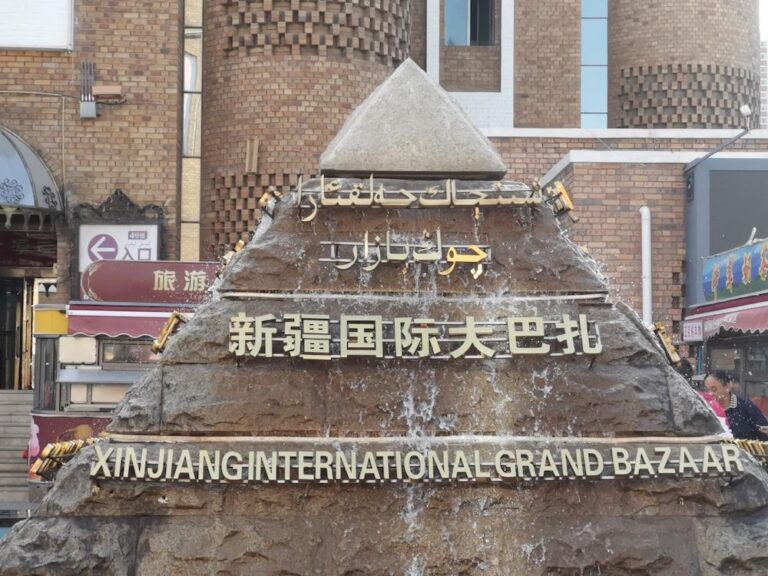
A few months later, at a tiny ban mian shop by the International Bazaar in Urumqi, a regular at the next table was eating ding ding chao mian with a spoon, the little noodle cubes catching every bit of chili oil. We copied him. The dice stayed separate, each one coated, none of it soggy. That bowl taught us more about Xinjiang noodle craft than any menu description.
Suoman: the soupy cousin of laghman
Suoman sits inside the laghman family, which is to say it starts with the same hand-pulled wheat noodle. What changes is the finish. Instead of a thick stew dumped on top, suoman is served in a lighter broth, so the bowl reads closer to a northern Chinese noodle soup than to the dry plateau style. Cooks in Turpan and the eastern corridor lean on celery, wood ear mushroom and sometimes long beans, vegetables that soften into the broth rather than staying crisp.
We are careful not to overstate its geography. The name travels with the dish, and you will hear it more in Turpan than in Kashgar, where the local laghman runs thicker and shorter. Think of suoman as the comfort version: same noodle, gentler plate, more slurp. In Turpan the broth often arrives near boiling, which is the point on a night when the wind comes straight off the Taklamakan.
For background on the wider food culture of the region, our piece on the Hui community’s food traditions explains how wheat noodle craft spread across Xinjiang’s towns.
Ding ding chao mian: noodles cut into pearls
Ding ding chao mian takes the opposite path. The cook pulls or rolls the noodle, boils it to about eighty percent, cools it, then chops the strand into small cubes roughly a centimetre across. Those cubes go into a screaming hot wok with lamb, celery, green and red pepper, onion and tomato, plus cumin and a little chili. The result is dry, intensely flavoured, and eaten with a spoon because chopsticks would lose half the dice.
Locals tell us the dish grew out of frugality. Leftover ban mian got cut up and stir-fried rather than wasted, and somewhere in the late twentieth century it became its own order. Some shops still call it pearl fried noodles for the look of the cubes. Either way it is now a permanent part of the Xinjiang noodle house, not a workaround.
How the two are made
Both dishes share a base of high gluten wheat flour, water and salt, rested long enough that the gluten relaxes and the strand can stretch without snapping. The lamb is almost always leg or shoulder, diced small and seared hard so it stays tender. Cumin does the heavy lifting on flavour, with tomato providing the sour backbone and a final splash of vinegar lifting the whole thing.
The split happens at the wok. For suoman the cooked noodles meet a broth built from the same aromatics, so the bowl stays wet. For ding ding the noodles join the stir-fry directly and absorb the sauce, leaving almost no liquid behind. Same pantry, two very different bowls.
We learned the resting step is where home cooks fail. A noodle pulled too soon snaps back and the dice turn out uneven, so good shops let the dough sit a full hour. The cook’s feel for that timing matters more than any written measurement, and it shows in the final bite. When a bowl tastes right, the credit usually sits with patience, not with a secret spice.
Where to eat them
You do not need a destination restaurant. Nearly every mid size town has a ban mian shop or a hand-pulled noodle joint, and both dishes appear on the wall menu in Hanzi and sometimes Uyghur. In Turpan ask specifically for suoman; in Urumqi, Yining or Kashgar you can usually get both, though ding ding is the safer bet outside the east. Night markets and the areas around the big bazaars are reliable hunting grounds, and the portions are built for a hungry traveller rather than a photographer.
If reading a menu in another script worries you, our guide to ordering food in Xinjiang without speaking Chinese covers the handful of phrases that get a hot bowl in front of you.
Best time to eat noodles in Xinjiang
Noodles are a four season food here, but the mood shifts with the weather. In deep winter a hot suoman in Turpan or Hami beats almost anything, the broth steaming against the cold. Come summer, ding ding chao mian feels lighter and the chili gives just enough heat without weighing you down. We have eaten both at open stalls in July and in heated shops in February, and the dish fits the season rather than fighting it.
One practical note: the best noodle houses often close for a mid afternoon break, reopening around five or six in the evening. Time your craving accordingly.
Pairing your bowl: what to drink
A bowl this savoury wants something to cut through it. Black or brick tea is the traditional table drink and comes free in most noodle houses. For something stronger, a cold Wusu beer pairs naturally with the cumin and lamb. Fermented drinks like kumis show up more in the north, and our roundup of Xinjiang beverages walks through what to expect from each.
If you want a fuller plate to share, big plate chicken is the other dish every table seems to know, and it often arrives with the same belt noodles used for laghman.
A one day Urumqi noodle crawl
We built this loop for a single day with no car, using the metro and short walks.
- 09:30 Breakfast noodles at a ban mian shop near the International Bazaar; order ding ding chao mian and watch the cook cut the strands.
- 12:30 Walk to a Hui run shop in the old north district for suoman, lighter and brothier than the morning bowl.
- 15:00 Coffee or tea break; most noodle houses close, so this is the gap to fill.
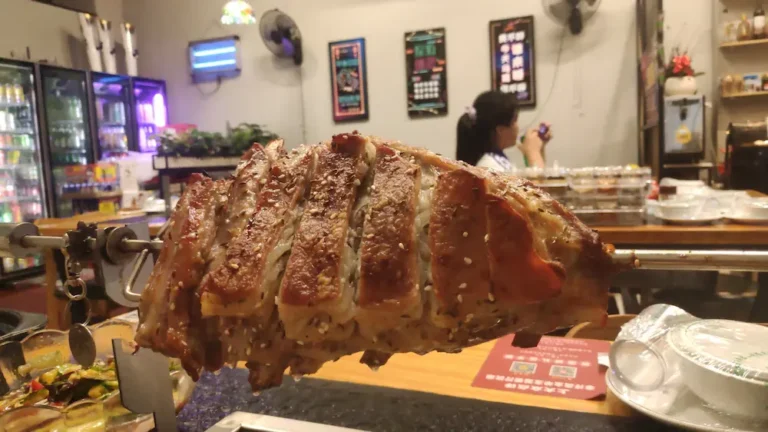
- 18:30 Back near the bazaar for a second ding ding, this time spicier, then browse the food stalls for samsa and roast lamb.
- 20:30 End with brick tea and a walk through the lit bazaar.
Practical tips for first timers
- Ask for the broth version by name if you want suoman; saying laghman alone usually gets the dry style.
- Ding ding is eaten with a spoon. Accept the spoon, do not fight it with chopsticks.
- Prices run 18 to 30 yuan for a filling bowl; add a side of samsa and you still eat cheap.
- Carry small cash. Some corner shops prefer it even though the malls take cards.
- If the chili oil looks mild, it usually is not. Add it a little at a time.
FAQ
Is suoman the same as laghman?
It is a style within the laghman family. Same hand pulled noodle, served in a lighter broth rather than under a thick stir fry.
Why are the noodles in little cubes?
That is ding ding chao mian, where the cooked noodle is chopped into small dice before stir frying so every piece picks up sauce.
Are these dishes halal?
Yes. They are served in halal kitchens using lamb or beef, with no pork.
Can vegetarians eat them?
Often yes if you ask the cook to skip the meat and load vegetables, though the broth in suoman may use meat stock, so confirm first.
Which city is best for suoman?
Turpan and the eastern corridor are where we heard the name most, though you can find a version in larger cities.
Disclaimer: Prices, opening hours and even dish names shift between regions and from year to year. We have done our best to reflect what we ate and saw, but treat the details as a starting point and confirm with the shop on the day. This article is a travel and food guide, not a substitute for checking current conditions or asking the cook directly.
About the author
Karl Huang is a travel writer who has spent several seasons driving and riding across Xinjiang, from the Taklamakan’s edge to the Altai snow line. He focuses on practical, first hand guidance for independent travellers and writes about the food, roads and small towns that do not always make the brochures. When he is not on the road he maintains this site’s guides to help visitors plan trips they can actually execute.