Published: July 22, 2026 | Author: Tariq Yusuf
When people ask me whether they really need a Xinjiang local guide, I give them the same answer I give my own cousins before their first trip: it depends on what kind of trip you want. Xinjiang covers more ground than Western Europe, stitched together from deserts, snow ranges, and Silk Road towns where you might hear four languages before noon. A good guide does more than read a menu aloud. They open rooms that stay shut to walk-in visitors, and they keep you clear of the small, avoidable mistakes that burn an entire travel day.
I have led trips here for eight years, and I have also crossed the region alone on buses and borrowed motorbikes. This piece comes from both seats. I will walk through what a guide genuinely adds, where you can skip one, what it costs in 2026, and the concrete steps to hire someone you can trust. I am not selling tours; treat this as notes from someone who has worn both pairs of shoes.
Xinjiang Local Guide at a Glance
| Topic | What You Should Know |
|---|---|
| Guide types | City guide (half or full day), driver-guide (car included), trekking guide (Pamir or Tianshan), and specialists for photography, archaeology, or food |
| Languages | Mandarin is near-universal; solid English is easiest in Urumqi and Kashgar; Russian helps near the Kazakh and Kyrgyz borders; Uyghur or Kazakh unlocks village depth |
| Daily cost (2026) | City guide ¥300–500; driver-guide with vehicle ¥800–1,500; trekking guide ¥600–1,200; rates rise in July, August, and October |
| Where to book | Licensed travel agencies, hotel concierges, university language departments, and vetted online platforms |
| Worth it for | First-timers, border zones (Tashkurgan, Khorgos), food crawls, and any remote trekking |
| Skip it if | You speak basic Mandarin and only plan well-signed city sites reachable by public bus |
What a Guide Did for Me on the Pamir
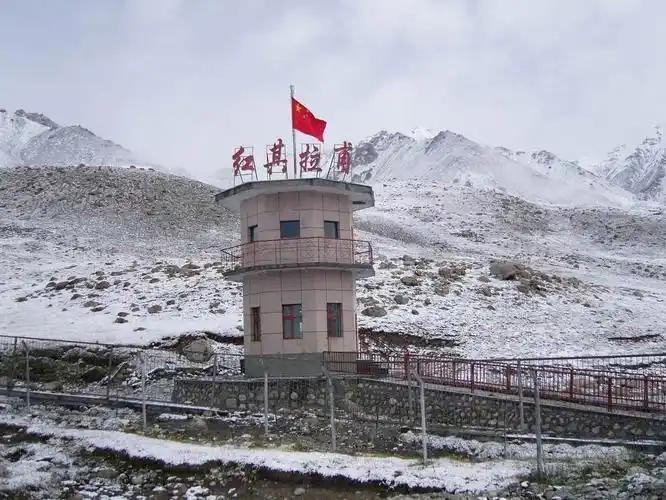
Two springs ago I took a friend from Berlin up the Karakoram Highway toward Tashkurgan. We had a plan and a rental car, but at the checkpoint past Gupu the officer waved us into a side lane. My friend’s permit paperwork listed the wrong town spelling, and the system flagged it. Our local guide, a quiet man from Tashkurgan named Aziz, walked over, explained the situation in Uyghur and Mandarin, and ten minutes later we were through. Without him we would have lost a day driving back to Kashgar.
That same evening Aziz took us to his cousin’s teahouse instead of the lit-up tourist spot on the main road. We sat on a carpet, drank milk tea, and listened to a grandfather describe the old caravan route in a language I only half followed. My friend later said it was the single best evening of the trip. That is the part no app replicates: the guide’s own map of people.
When a Guide Earns the Fee: Transport and Logistics
Distances in Xinjiang are the real boss. Urumqi to Kashgar is roughly 1,500 km. Even with the new high-speed lines, many of the places worth seeing sit three or four hours off the rail. A driver-guide turns that dead time into a working day: you sleep or edit photos while someone else handles fuel, tolls, and the occasional road closure from sandstorms.
Guides also smooth the permit process for restricted border areas. Xinjiang travel safety is a fair question, and most of the answer is paperwork, not danger. A licensed guide knows which documents you need, where to apply, and how long it takes. For solo women, the same logistics feel easier with a known local beside you. My colleague’s solo female travel in Xinjiang guide covers the finer points.
Best Time to Hire (and When You Can Go Alone)
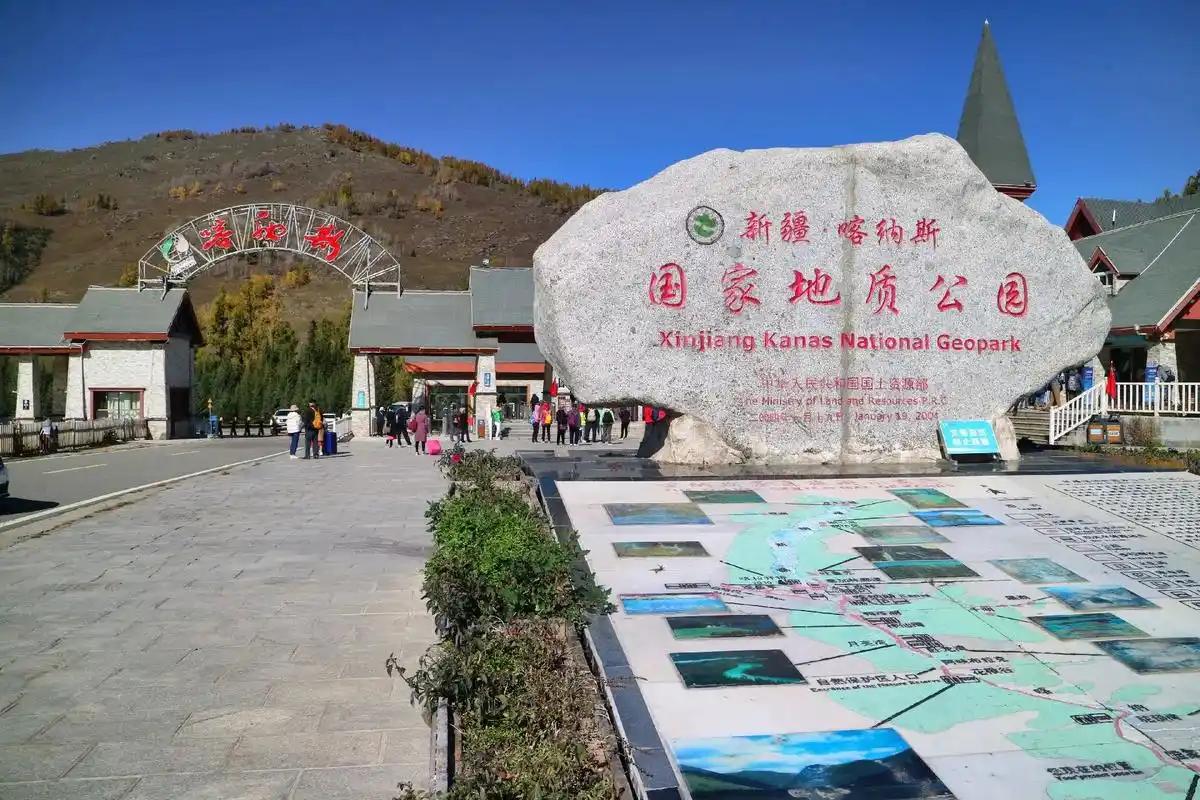
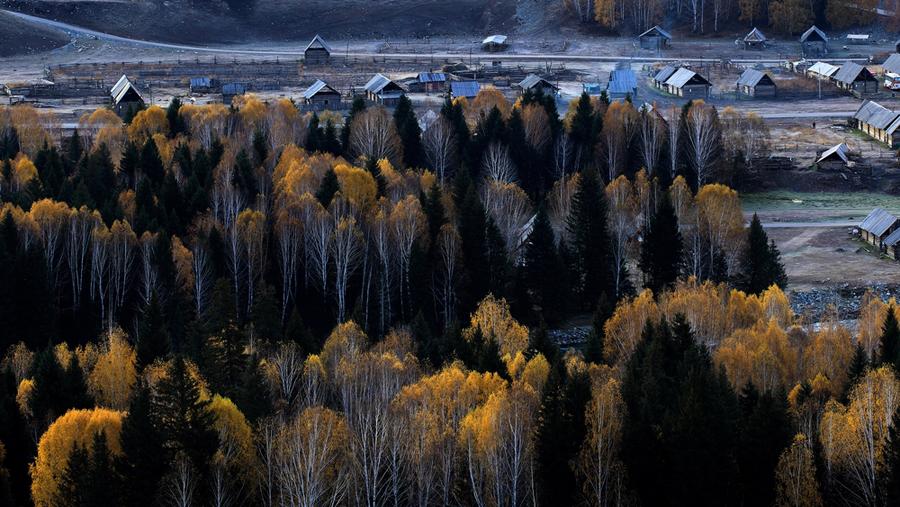
You can hire a guide any month, but the value shifts with the season. In July and August, when the grasslands turn green and domestic tourists flood in, a guide who knows a quiet valley matters more than ever. October is the famous autumn window for Kanas and Hemu; guides book out weeks ahead, so lock one in by late summer.
Winter is the opposite story. Roads to the north are sparse, but crowds vanish and a guide becomes your lifeline for road conditions and open lodgings. If you visit in the cold months, lean on local help rather than winging it. For a structured first pass at the region, many travelers do better on a planned Xinjiang 7-day itinerary before they start freelancing with a private guide.
Accommodation: Letting Your Guide Handle the Rooms
In big cities you can book your own hotel without trouble. The gap appears in the villages. Out past the last paved road, the best guesthouses are not on any booking site, and the owners may not speak English or Mandarin well. A local guide makes the call, agrees on a price, and checks that the heating works before you arrive frozen at midnight.
For overnight stays with herders, the arrangement is informal and trust-based. Our Kazakh homestay write-up explains what to expect, but a guide on the ground is what actually makes it happen safely.
Eating Better With a Local
Food is where a guide pays for itself fastest. At a night market you might point at the wrong skewer and end up with something your stomach rejects. A local walks you past the tourist ring straight to the stall where the bread comes out of the oven at the right hour. They translate the handwritten specials and tell you when the watermelon is in season.
A guide will also steer you toward halal options without you having to ask, which matters for many visitors. The tourist circuit barely scratches the surface; the real eating happens where Xinjiang food markets meet daily life, and that is exactly where a local knows to take you.
How to Hire a Xinjiang Local Guide
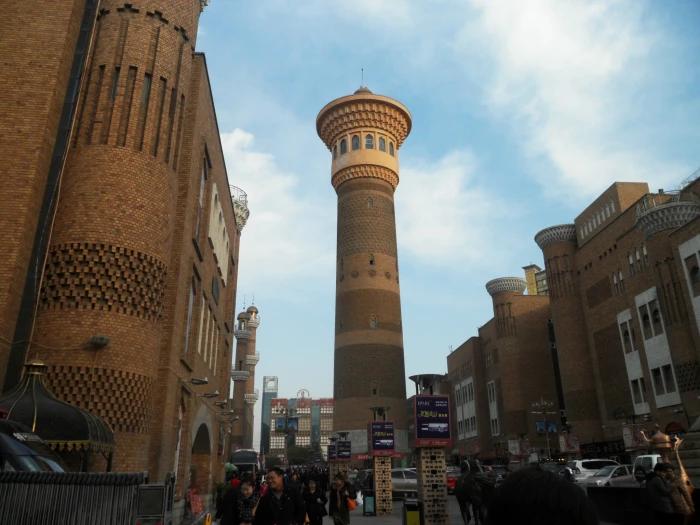
Start with a licensed agency. In China, legitimate guides carry a guide certificate issued by the local culture and tourism bureau, and agencies are required to use certified staff. Ask to see the certificate number; a serious guide will show it without hesitation. Hotel concierges in Urumqi and Kashgar keep shortlists of English speakers they trust, and that referral route is often the cleanest.
If you want a specialist, such as a photographer or a trekking lead, ask for their work samples before you commit. Agree on the daily rate, what it includes (car, fuel, meals, entrance tickets), and the cancellation terms in writing. Pay a deposit, not the full amount, and confirm the plan the night before. Red flags include refuses to show credentials, pressure to shop at specific stores, and rates far below the local norm, which usually means something is missing.
A Sample 3-Day Guided Loop Around Kashgar
This is a route I have run with first-timers who wanted history without exhaustion.
Day 1: Old Town walk with a guide who explains the mud-brick architecture and the rhythm of the Sunday market. Lunch at a family-run hand-pulled noodle spot most visitors walk past.
Day 2: Drive the Karakoram Highway to Baisha Lake and Karakul Lake beneath Muztagh Ata. The guide handles the border-zone paperwork and finds a herder’s yurt for tea.
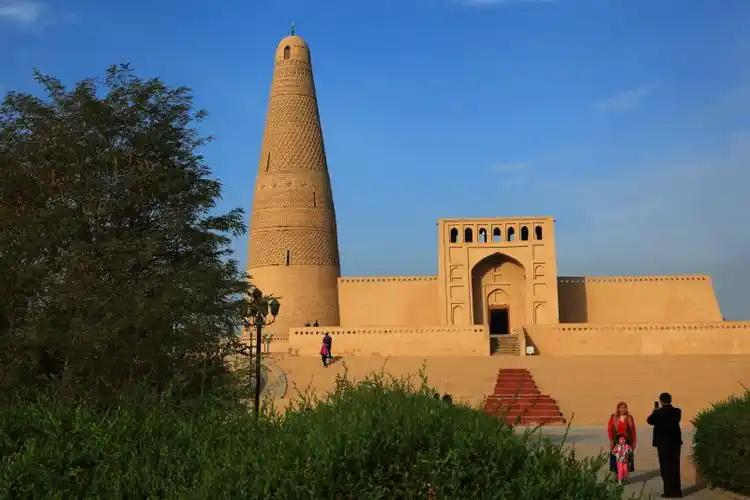
Day 3: Id Kah Mosque in the morning, then a cooking session with a local family to make sangza and dapanji. Fly or train out the next morning.
This loop works because the guide absorbs the friction. You see three very different Xinjiangs in seventy-two hours without spending your energy on logistics.
Frequently Asked Questions
Do I need a guide if I speak Chinese?
Not always. In Urumqi, Turpan, and Kashgar you can get by on your own if your Mandarin is conversational. A guide still helps in border zones and villages where local dialects dominate.
Is it safe to hire a guide I find online?
Use licensed agencies or verified platforms, and ask for the guide certificate number. Avoid anyone who only takes full cash payment up front with no contract.
How far ahead should I book?
For the October autumn rush and the July–August peak, book three to four weeks early. Shoulder seasons are flexible, often within a few days.
Can a guide join me on a group tour?
Yes. Many travelers join a standard group for the big sights, then add a private guide for a day or two of deeper exploration in one city.
What about tipping?
Tipping is not expected in China, but a small thank-you of ¥50–100 per day for exceptional service is welcome and appreciated.
Disclaimer
The costs, permit rules, and contact routes described here reflect conditions observed in early 2026 and change without notice. Border and permit policies in Xinjiang can shift with little warning, and prices vary by season and negotiation. Always confirm current requirements with official tourism offices or a licensed agency before you travel, and verify any guide’s credentials yourself. This article is informational and is not a substitute for official advice or a booked, contracted service.
About the Author
Tariq Yusuf is a licensed travel writer and guide based in Urumqi, with eight years leading trips across Xinjiang from the Ili grasslands to the Pamir Plateau. He writes for XinjiangAttractions on practical, first-hand travel knowledge and has contributed to regional tourism guides. He can be reached through the site’s editorial desk for corrections or updates to this article.