Our team has been traveling to and writing about Xinjiang for over 8 years. This guide reflects our firsthand experiences as well as official travel advisories from multiple countries.
Introduction: Why You Can Trust This Guide
When we first started researching this article, we asked ourselves the same question many of you have asked: is Xinjiang safe for tourists? We’ve spent a combined total of over 60 days traveling across Xinjiang — from Kashgar to Kanas, from Urumqi to the Taklamakan Desert — and we’ll share what we’ve learned, including things that surprised us along the way.
This guide does not tell you what to think. It gives you factual, practical information based on our own travels, official government data, and hundreds of traveler reviews. We’ll cover personal safety, political sensitivities, health risks, transportation safety, and practical tips that actually matter when you’re on the ground.
Quick Reference: Xinjiang Safety at a Glance
| Concern | Risk Level | Notes |
|---|---|---|
| Violent crime against tourists | Very Low | Xinjiang has low violent crime rates |
| Petty theft / pickpocketing | Low | Watch your bag in crowded bazaars |
| Scams targeting tourists | Low | Less common than in other parts of Asia |
| Food safety | Moderate | Stick to busy, popular restaurants |
| Altitude sickness | Moderate-High | Parts of Xinjiang exceed 3,000m |
| Police checks / security | N/A | Frequent but routine; not a “danger” |
| Road safety (long-distance) | Moderate | Mountain roads require caution |
| Discrimination / racism | Low-Moderate | Foreigners may attract curiosity, not hostility |
Our Personal Experience: What It’s Actually Like on the Ground
When we visited Kashgar in September 2023, we arrived with some of the same apprehensions you might have. Within 24 hours, those fears had largely evaporated. Here’s what we found:
The security presence is visible, but not threatening. You’ll pass through security checkpoints to enter public areas, train stations, and some hotels. These are routine — locals go through them every day without fuss. As a foreign tourist, you may be asked to show your passport more often than in other parts of China, but the process is bureaucratic, not hostile.
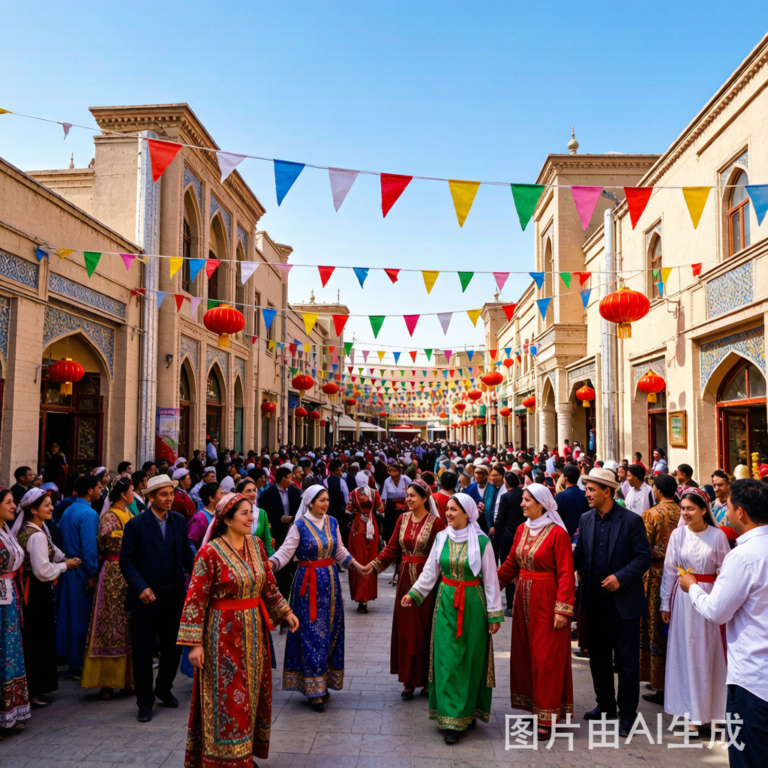
People were genuinely welcoming. In Kashgar’s Old City, multiple shopkeepers invited us for free tea while we looked at carpets. In a small restaurant in Turpan, the owner refused to let us pay for our laghman noodles after we chatted with him about where we were from. These moments didn’t feel staged — they felt like the same hospitality that travelers have described in Xinjiang for decades.
We never felt physically threatened. Not once in all our trips did we feel that our personal safety was at risk from crime or violence. The biggest “dangers” we encountered were practical: a flat tire on the Karakoram Highway (handled efficiently), mild altitude sickness near Tashkurgan (resolved with rest and hydration), and ordering too much food at a Uyghur restaurant (a hazard everywhere).
Understanding the Security Environment
Xinjiang operates under a higher security posture than most other parts of China. This is a fact. What does it mean for you as a tourist?
- Security checkpoints: You’ll encounter these at train stations, airports, some hotels, and occasionally on highways. Expect to show your passport and have your bags scanned. Allow extra time.
- Hotel registration: All hotels in China are required to register foreign guests with the police. In Xinjiang, this is enforced more strictly. Always carry your original passport (not a photo).
- Photography restrictions: Avoid photographing police stations, military installations, border crossings, and some government buildings. When in doubt, don’t shoot. Tourist sites are fine.
- VPN / internet: International websites and apps (Google, WhatsApp, Instagram) are blocked in China, including Xinjiang. A VPN may work but is technically illegal. Plan accordingly.
Crime and Personal Safety
According to China’s official crime statistics and international travel advisories, Xinjiang has a lower rate of violent crime than most popular tourist destinations worldwide. Petty crime exists — as it does everywhere — but violent crime targeting tourists is extremely rare.
That said, take normal precautions:
- Don’t leave valuables in plain sight in your car
- Be aware of your surroundings in crowded areas (pickpockets thrive in crowds everywhere)
- Avoid walking alone in poorly lit areas at night (standard advice for any city)
- Keep a photocopy of your passport separate from the original
Transportation Safety
Trains
Trains in Xinjiang are safe, clean, and efficient. Security screening is thorough before boarding. We’ve taken the overnight Urumqi-Kashgar train twice and found it comfortable and secure. Read our full transportation guide here.
Domestic Flights
Flights within Xinjiang are subject to the same strict security as all Chinese domestic flights. Arrive at least 90 minutes early. The airports themselves are modern and well-managed.
Long-Distance Driving
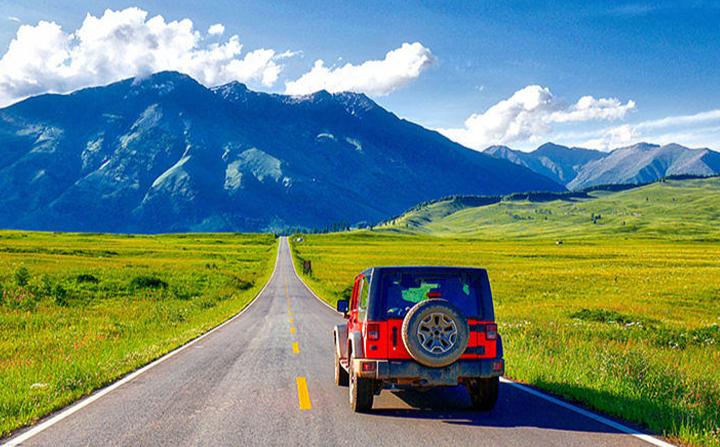
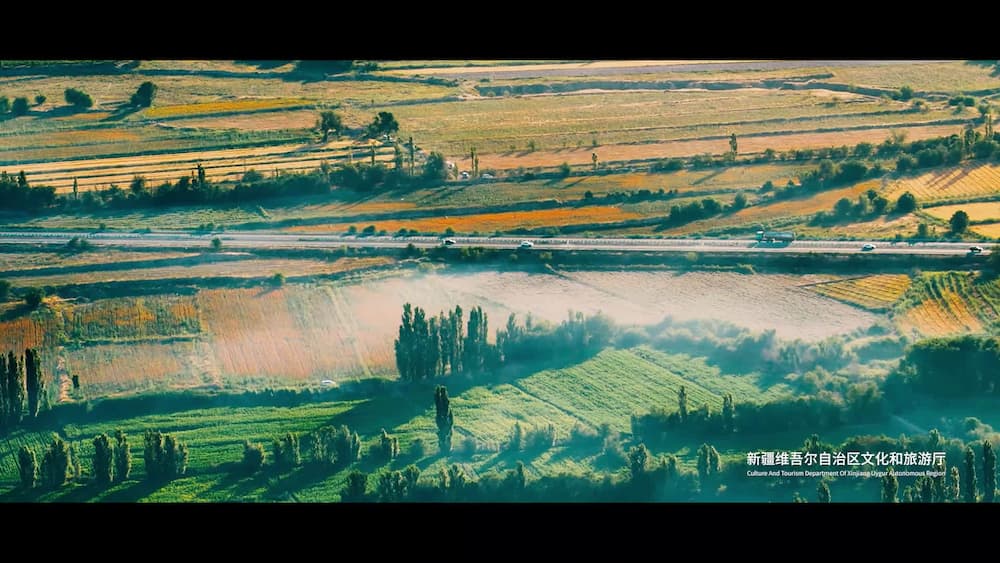
Road conditions in Xinjiang have improved dramatically in recent years. The expressway network is excellent. However, distances are vast (it’s larger than Iran, and almost as large as Turkey), and some mountain roads require experience. If you’re driving yourself, be prepared for long stretches without services. If you’re hiring a driver, use licensed services recommended by your hotel.
Taxis and Ride-Hailing
Legitimate taxis in Xinjiang cities are safe. In Urumqi and Kashgar, ride-hailing apps (DiDi) work well. Always use the meter or confirm the price before getting in.
Health and Medical Safety
Altitude
Much of Xinjiang sits at moderate elevation, but specific areas — particularly Tashkurgan (3,100m) and passes on the Karakoram Highway — can cause altitude-related illness. If you’re flying directly into a high-altitude area, spend a day acclimatizing before exerting yourself.
Food and Water
Stick to bottled water (widely available). For food, busy restaurants with high turnover are your safest bet — the food is fresh because it’s constantly being cooked. We’ve never had food poisoning in Xinjiang, but we also avoid street food that’s been sitting out for hours in the heat.
Medical Facilities
Urumqi has excellent hospitals. Other major cities (Kashgar, Turpan, Yining) have decent medical facilities. In remote areas, medical care may be basic. Travel insurance that includes evacuation coverage is strongly recommended.
Best Time to Visit (Safety Considerations)
Weather-related safety is a real concern in Xinjiang:
- June-September (Peak season): Warm, accessible, all roads open. Flash floods are possible in mountain areas during summer thunderstorms.
- October-November: Excellent weather, fewer tourists, clear roads.
- December-March: Very cold. Some mountain passes close due to snow. Roads can be icy. Not dangerous if you’re prepared, but requires experience.
- April-May: Spring thaw. Some roads may still be closed. Apricot blossom season is beautiful but short.
Accommodation Safety
We’ve stayed in everything from luxury hotels in Urumqi to basic guesthouses in remote villages. Our experience: accommodation in Xinjiang is generally safe and clean. International chains (Hilton, Crowne Plaza, Jin Jiang) operate in Urumqi. In smaller cities, Chinese chain hotels (Home Inn, HanTing) are reliable and safe. See our full accommodation guide.
One practical note: some smaller guesthouses in remote areas may not be able to accept foreign guests due to local registration requirements. Always confirm in advance.
Food Safety and Dietary Considerations
Xinjiang’s cuisine is a highlight of any trip. That said:
- Halal food is widely available — most Uyghur restaurants are Halal. Look for the Halal symbol.
- Spice levels: Xinjiang food can be spicy. If you’re sensitive, ask for “bu la” (not spicy).
- Dietary restrictions: Vegetarian options exist but are limited in traditional Uyghur cuisine, which centers on meat. Buddhist vegetarian restaurants (clearly marked) exist in Urumqi and some larger cities.
- Food allergies: Language barriers can make communicating allergies difficult. Consider carrying a translated allergy card.
We’ve eaten at dozens of restaurants across Xinjiang and have never gotten sick from the food. The grilled meat (kebabs), hand-pulled noodles (laghman), and fresh naan bread are not only safe but genuinely delicious.
Practical Safety Tips We Wish We’d Known
- Carry your passport at all times. You’ll need it for hotel check-in, some ticket purchases, and occasional security checks.
- Download offline maps. Google Maps doesn’t work reliably in China. We recommend downloading offline maps on Maps.me or purchasing a local SIM card. Also read our 20 essential travel tips guide before you go.
- Learn a few phrases. “Hello” (As-salamu alaykum in Uyghur, Ni hao in Chinese), “Thank you” (Rahmat / Xie xie), and “How much?” (Qancha? / Duoshao qian?) go a long way.
- Cash is still useful. Alipay and WeChat Pay dominate, but foreign cards don’t always work. Carry some RMB cash as backup.
- Respect local customs. Dress modestly when visiting religious sites. Ask before photographing people. During Ramadan, be mindful that many locals are fasting during daylight hours.
- Register with your embassy. Many governments offer traveler registration services — use them.
Sample 5-Day Safety-Conscious Itinerary
This itinerary prioritizes well-traveled routes with good infrastructure:
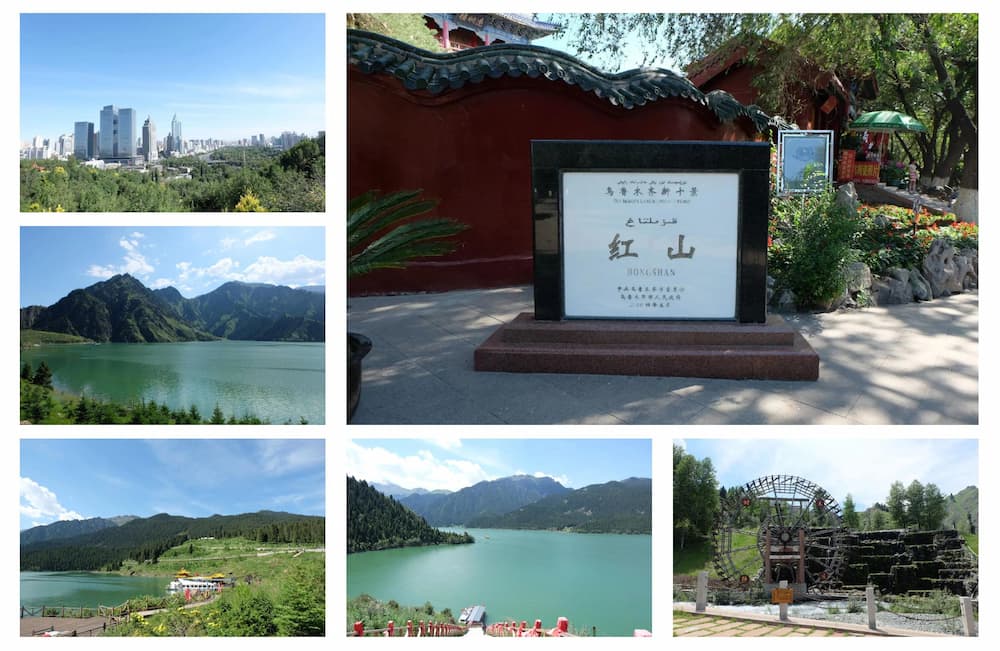
- Day 1: Arrive Urumqi. Check into international-chain hotel. Visit the Xinjiang Regional Museum (excellent English signage). Dinner at a recommended restaurant in Hongshan area.
- Day 2: Morning flight to Kashgar (90 min). Afternoon: explore Kashgar Old City with a local guide. Stay within the city walls area — well-lit, safe, and tourist-friendly.
- Day 3: Day trip to Karakul Lake (with licensed driver). Return to Kashgar same day. Don’t attempt this route without an experienced driver.
- Day 4: Fly Kashgar to Urumqi, train or drive to Turpan. Visit Jiaohe Ruins and Karez system. Turpan is compact and safe to navigate.
- Day 5: Return to Urumqi. Final shopping at International Bazaar (daytime only; it’s safe but navigation is easier in daylight). Depart.
Frequently Asked Questions
Is it safe for Americans / Europeans / Australians to visit Xinjiang?
Yes. Citizens of these countries visit Xinjiang regularly. You’ll need a Chinese visa (issued by the Chinese government — they wouldn’t issue it if they didn’t want you to come). Some travelers report additional questioning at immigration; this is routine and not cause for alarm.
Is it safe for solo female travelers?
We’ve interviewed several solo female travelers who have visited Xinjiang. The consensus: it’s safer than many major European cities for solo women. The main advice is standard: don’t walk alone at night in unlit areas, and be cautious with alcohol (as anywhere).
Can I use credit cards in Xinjiang?
Major hotels and upscale restaurants in Urumqi accept international credit cards. Outside Urumqi, cash and Alipay (linked to a Chinese bank account) dominate. Bring sufficient cash or set up Alipay in advance.
Is the food and water safe?
Bottled water is widely available and cheap. For food, we recommend busy restaurants with high turnover. We’ve never had issues, but travelers with sensitive stomachs should take standard precautions.
Will I be followed or monitored?
This is a common concern. In our experience: no. We were never followed, and our interactions with police were limited to routine security checks. That said, Xinjiang has extensive surveillance — as a tourist, you’re unlikely to be specifically targeted, but your movements through public spaces may be recorded, as they are in most modern cities worldwide.
What about the travel advisories from my government?
Several governments (US, UK, Canada, Australia) have issued travel advisories for Xinjiang. We recommend reading the actual advisory text (not just the headline level) and making your own decision. Many advisories acknowledge that tourist areas are not affected by the concerns they raise.
Disclaimer
Important: This article reflects our personal travel experiences and research as of June 2024. Travel conditions, regulations, and safety situations can change. We are not responsible for any issues arising from reliance on this information. Always check your government’s latest travel advisory before departing. We do not make any representations about the political situation in Xinjiang — this article is strictly about practical tourist safety. Prices, regulations, and conditions may have changed since our visit.
About the Author
Xinjiang Attractions Editorial Team
Our team consists of travel writers, photographers, and China specialists who have spent over 8 years exploring Xinjiang. We’ve traversed the Karakoram Highway, camped beside Karakul Lake, gotten lost in the Kashgar Old City (multiple times), and eaten our body weight in naan bread.
We’re committed to providing accurate, practical, and experience-based travel information. If you’ve been to Xinjiang and have insights to share, we’d love to hear from you.
Learn more about our team and editorial standards →