Last updated: June 2024 | Author: Xinjiang Travel Expert Team
Why trust this guide? Our team has spent over 8 years photographing Xinjiang’s landscapes across all four seasons. We’ve camped at Kanas waiting for sunrise, hiked to remote viewpoints in the Pamir Plateau, and documented the changing light at Sayram Lake through countless evenings. This guide combines our firsthand experience with practical advice you won’t find in generic travel blogs.
Quick Reference: Xinjiang Photography at a Glance
| Aspect | Details |
|---|---|
| Best Season | September-October (autumn colors); May-June (wildflowers) |
| Golden Hour | 6:30-8:00 AM (summer); 8:00-9:30 AM (winter) |
| Top 3 Spots | Kanas Lake, Sayram Lake, Nalati Grassland |
| Gear Must-Haves | Wide-angle lens, ND filter, tripod, extra batteries |
| Permit Needed? | Yes for some border areas (Karakoram Highway, Tashkurgan) |
| Drone Policy | Restricted in border areas; register with local police |
Our Personal Experience: Why We Wrote This Guide
When we first visited Kanas Lake in 2016, we made every mistake in the book. We arrived at 10 AM—after the morning mist had burned off and the famous “fairyland” atmosphere was gone. We didn’t bring a tripod, so our low-light sunrise shots were blurry. We didn’t check the weather, and three days of rain meant we missed the golden larch forests entirely.
Since then, we’ve returned to Xinjiang every season, camera in hand. We’ve learned that Xinjiang photography isn’t just about having the right gear—it’s about being in the right place at the right time, understanding the light, and respecting the local culture and environment. In this guide, we share everything we wish we’d known before that first trip.
Best Photography Spots in Xinjiang
1. Kanas Lake (布尔津县)
Kanas is arguably the most photogenic location in all of Xinjiang. The lake’s color shifts from jade green to deep sapphire depending on the light and season. In autumn (late September to early October), the surrounding larch forests turn brilliant gold, creating a scene that looks almost edited.
Best photo ops: Fish Viewing Pavilion (观鱼台) offers a panoramic view of the lake; the wooden boardwalk along the lakeshore is perfect for intimate reflections shots; early morning mist at Moon Bay is legendary among landscape photographers.
When we visited: We found that arriving at Moon Bay by 6:30 AM in September gave us 45 minutes of magical mist before the tour groups arrived. The light at 7:15 AM hits the surrounding peaks perfectly.
2. Sayram Lake (博尔塔拉蒙古自治州)
Known as the “Atlantic’s last tear,” Sayram Lake is a high-altitude alpine lake surrounded by snow-capped mountains. The water is an impossible shade of blue that changes throughout the day.
Best photo ops: The eastern shoreline has the most dramatic mountain reflections; the lavender fields nearby (June-July) add a splash of purple to your composition; sunrise from the northern shore is spectacular.
3. Nalati Grassland (伊犁)
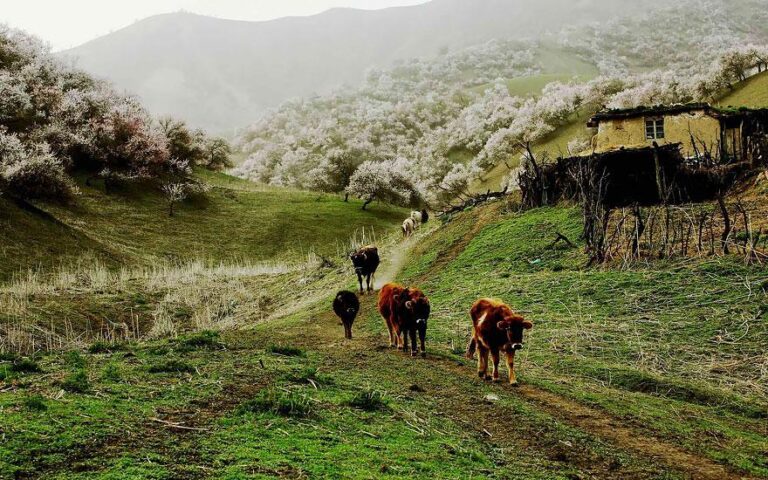
Nalati is one of the world’s most accessible alpine meadows. Rolling green hills, wildflower carpets in spring, and scattered yurts create a scene that feels like Switzerland but with a distinct Central Asian character.
Best photo ops: The “Sky Grassland” (空中草原) area at sunset; local Kazakh herders with their livestock (always ask permission); the winding mountain roads that cut through the meadow.
4. Kashgar Old City (喀什)
For cultural and street photography, nothing in Xinjiang compares to Kashgar’s ancient Old City. The maze of mud-brick alleys, the morning light hitting the wooden facades, and the vibrant market scenes offer endless opportunities.
Best photo ops: Morning light on the Old City alleys (shot between 8-10 AM); the Sunday Bazaar for candid market photography; rooftop views at sunset.
Cultural note: Always ask before photographing people, especially women and children. A small gesture of respect goes a long way, and many locals are happy to pose if you ask politely.
5. Bayinbuluke Grassland (巴音布鲁克)
Famous for its nine-step sunrise reflection, Bayinbuluke offers one of the most technically challenging but rewarding shots in Xinjiang. The wetland’s winding waterways create perfect S-curves that catch the sunrise light in a series of glowing arcs.
Best photo ops: Sunset at the nine-step sunrise viewing platform (ironically best at sunset); the swan wetland reserve; the endless grassland meeting the sky.
6. Flaming Mountains (吐鲁番)
The red sandstone mountains near Turpan glow intensely under the midday sun, justifying their name from Journey to the West. This is a location where the harsh midday light actually works in your favor.
Best photo ops: The dramatic red landscape against a deep blue sky (shoot between 11 AM-2 PM for maximum color saturation); the giant thermometer monument for scale.
Best Time for Photography in Xinjiang
Timing is everything in landscape photography, and Xinjiang’s sheer size means different regions peak at different times.
Autumn (September-October): The Golden Season
This is widely considered the best time for Xinjiang photography. Kanas and Hemu villages transform into a golden wonderland. The light is crisp, the air is clear, and the larch forests are at peak color from late September to early October.
- Best locations: Kanas, Hemu, Baihaba, Koktokay
- What to capture: Golden larch forests, morning mist, starry night skies
- Crowd note: National Day holiday (Oct 1-7) brings massive crowds—plan for late September or mid-October instead
Spring (April-June): Wildflower Season
Spring brings apricot blossoms in the Tarim Basin (late March to early April) and endless wildflower meadows across the Ili Valley (May-June). The lighting is soft and the landscapes are at their most vibrant.
- Best locations: Ili Valley, Nalati, Tangbula Grassland
- What to capture: Apricot blossoms, wildflower meadows, melting snow rivers
Summer (July-August): Long Days, Dramatic Light
Summer days in Xinjiang are incredibly long—sunset in July doesn’t happen until after 10 PM in some areas. This gives photographers extended golden hours but also means midday light is extremely harsh.
- Best locations: Sayram Lake, Karakoram Highway, Tashkurgan
- What to capture: High-altitude lakes, glacier views, Pamir Plateau landscapes
Winter (November-March): The Hidden Season
Few photographers venture to Xinjiang in winter, which is exactly why you should consider it. The snow-covered landscapes are otherworldly, and you’ll have famous spots all to yourself.
- Best locations: Kanas (snow village), Hemu, Sayram Lake (frozen)
- What to capture: Snow-covered wooden houses, frozen lakes, ice formations
Photography Gear Recommendations
Based on our experience shooting in Xinjiang’s extreme conditions, here’s what actually matters:
Essential Gear
- Wide-angle lens (14-24mm): Xinjiang’s landscapes are vast—you need wide glass to do them justice. We used a 16-35mm f/2.8 for 70% of our shots.
- Tripod: Non-negotiable for sunrise/sunset shots and astrophotography. The wind at high altitudes (like Sayram Lake) can be brutal—bring a sturdy tripod, not a travel one.
- ND filters: The intense Xinjiang sunlight can blow out highlights even at ISO 100, f/22. A 6-stop ND filter lets you do long exposures of water and clouds.
- Extra batteries (minimum 3): Cold weather drains batteries fast. We learned this the hard way at -15°C in Kanas.
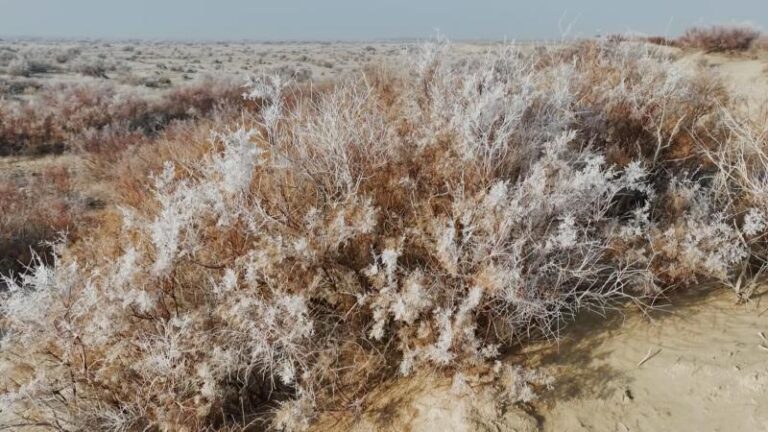
- Lens cleaning kit: Dust and sand are constant companions, especially in Turpan and the Taklamakan Desert.
Nice to Have
- Drone (DJI Mavic 3 or similar): Aerial shots of the grasslands and lakes are breathtaking—but check local regulations carefully (see below).
- Telephoto lens (70-200mm): Great for compressing mountain scenes and wildlife photography on the grasslands.
- Headlamp: Essential for predawn starts and night photography.
Drone Photography in Xinjiang: What You Must Know
Drone regulations in Xinjiang are stricter than in most of China due to border security concerns. Here’s what we’ve learned through direct experience:
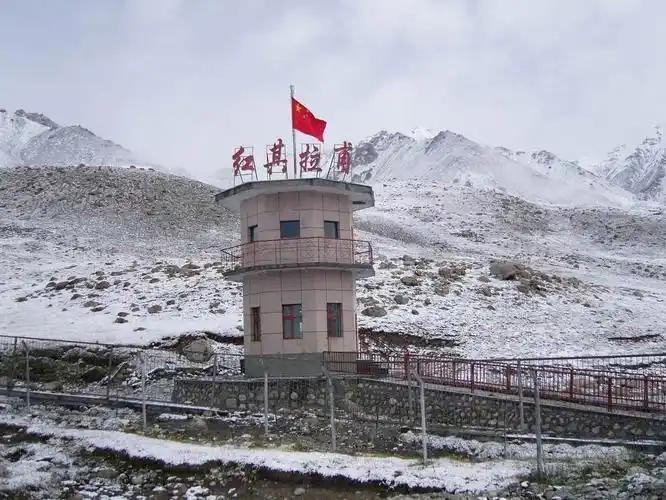
- Border areas (Karakoram Highway, Tashkurgan, Kanas): Drone flying is heavily restricted. In some areas, you must register with local police and get written permission.
- General rule: If you can see a border checkpoint nearby, don’t fly. The fines are substantial and you may have equipment confiscated.
- Recommended approach: Register your drone with the local Public Security Bureau (派出所) when you arrive in a new area. It takes 30 minutes and can save you days of hassle.
- Best legal drone spots: Nalati Grassland (with permission from the scenic area management), Sayram Lake (designated areas only), and Turpan (away from sensitive sites).
Sample 7-Day Photography Itinerary
This itinerary is designed by photographers, for photographers. It prioritizes light conditions and minimizes hotel changes.
| Day | Location | Key Shots | Best Light |
|---|---|---|---|
| 1 | Urumqi → Tianchi | Mountain lake reflections | Sunset at the lake shore |
| 2 | Urumqi → Koktokay | Granite peaks, autumn colors | Afternoon side light |
| 3 | Koktokay → Kanas | Gemstone beach, forest river | Morning mist |
| 4 | Kanas (full day) | Moon Bay, Fish Pavilion | Sunrise + Sunset |
| 5 | Kanas → Hemu | Wooden village, snow peaks | Sunrise from the viewing platform |
| 6 | Hemu → Burqin | Colorful river valley | Blue hour reflections |
| 7 | Burqin → Urumqi | Desert highway shots | Golden hour on the road |
For a more comprehensive travel plan, check our 7-Day Xinjiang Itinerary and 10-Day Deep Dive Itinerary.
Practical Tips for Photographers in Xinjiang
Transportation for Photographers
Private car or rental with driver is strongly recommended. Public transport in Xinjiang is limited and doesn’t accommodate the early starts and late finishes that photography demands. We arranged a 4WD with a local driver who knew the best viewpoints—it was worth every yuan.
Getting around Xinjiang as a photographer requires flexibility. You’ll want to stop at spontaneous viewpoints, wait for light to change, and sometimes camp overnight at a location—all much easier with your own transport.
Accommodation Strategy
Stay inside or as close as possible to scenic areas. For Kanas and Hemu, staying inside the scenic area (rather than in Burqin town, 2 hours away) means you can shoot sunrise without a predawn 4 AM departure. Yes, it’s more expensive—but it’s the difference between getting the shot and missing it.
Read our Xinjiang Accommodation Guide for detailed recommendations on where to stay near each photography spot.
Weather and Timing
- Check sunrise/sunset times daily: They shift by 30+ minutes across seasons. Apps like PhotoPills work well in Xinjiang.
- Weather changes fast: Mountain weather in Xinjiang is notoriously unpredictable. We’ve had perfectly clear mornings turn into snowstorms by noon. Bring weather-sealed gear.
- Golden hour is longer than you think: Due to Xinjiang’s high latitude, golden hour can last 90 minutes in summer. Make the most of it.
Cultural Sensitivity
Xinjiang is home to Uyghur, Kazakh, Kyrgyz, and other ethnic communities. Respectful photography is not just polite—it’s essential for maintaining access to these communities.
- Always ask before photographing people
- During prayer times, avoid pointing cameras at mosques or worshippers
- Women may prefer not to be photographed—respect their wishes without argument
- A small gift or offering to buy something from a vendor you’ve photographed is good practice
Learn more about local culture in our Uyghur Culture Guide.
Frequently Asked Questions
Do I need a permit for photography in Xinjiang?
For standard tourism photography—no. However, if you’re planning to shoot in border areas (Karakoram Highway, Tashkurgan, some areas near military installations), you’ll need to register with local authorities. Travel photographers on assignment should carry a letter of introduction from their publication.
Can I use a drone in Xinjiang?
Drone use is restricted in border areas and near military installations. In most tourist scenic areas, drone flying is allowed in designated zones with prior registration. Always check locally before flying.
What’s the best month for autumn colors in Kanas?
Late September to early October is the sweet spot. However, it varies by year depending on temperature. In 2023, peak color was September 28-October 5. In 2022, it was September 25-30. Monitor local weather reports and be flexible.
Is Xinjiang safe for solo photographers?
Yes. We’ve traveled solo and in small groups across Xinjiang and have always felt safe. The region has a significant police presence, which adds a layer of security. That said, follow standard travel safety practices: share your itinerary, carry a power bank, and download offline maps.
Our Safety Guide has more detailed information.
How do I protect my gear from dust?
Dust is the biggest threat to camera gear in Xinjiang, especially in Turpan and desert areas. Use ziplock bags for lens changes, bring a rocket blower (not compressed air), and consider a weather-sealed kit. We change lenses inside our jackets when it’s windy.
Disclaimer
This guide reflects our personal experience photographing in Xinjiang between 2016 and 2024. Prices, permits, and regulations change—always verify current requirements with official sources before your trip. We are not responsible for any fines, equipment damage, or missed shots resulting from following this guide. Drone regulations in particular are subject to change without notice. The information about cultural practices is based on our experience and may not apply universally across all communities in Xinjiang.