Published: July 24, 2026 | Author: Kamil Yusup, Kashgar-born music writer & cultural guide
People ask me what Uyghur culture in Xinjiang actually feels like once you get past the postcards, and my honest answer is that it sounds like something before it looks like anything. It is the low buzz of a dutar being tuned in a courtyard, a grandmother humming while she rolls dough, a whole teahouse falling quiet when the first line of a muqam begins. I grew up on a lane behind the Id Kah in Kashgar, trained as a music teacher, and I have spent the last fifteen years writing about and guiding visitors through the living traditions of my home. This guide is what I wish every traveler knew before they arrived.
Why you can trust this guide to Uyghur culture in Xinjiang
I am not describing a museum. Muqam is still sung at weddings on my street, meshrep gatherings still happen in villages I visit every year, and the bazaar rhythms I write about are the ones I shopped in last month. Where I mention official recognition or dates, I lean on UNESCO’s Intangible Cultural Heritage listings and the Xinjiang cultural authorities rather than travel-blog rumor. Where I share opinions, I say so plainly. You will not get everything perfectly, and that is fine. Curiosity and respect carry you further here than any checklist.
Uyghur culture at a glance
| Element | What it is | Where to encounter it |
|---|---|---|
| Twelve Muqam | Epic suites of song, poetry and dance; UNESCO-listed in 2005 | Kashgar, Kucha, Turpan cultural centers; wedding halls |
| Meshrep | Community gathering with music, humor, moral instruction; UNESCO-listed 2010 | Ili valley and southern villages, festival seasons |
| Instruments | Dutar, tembur, rawap, satar, dap frame drum | Bazaars, instrument workshops in Kashgar and Yengisar |
| Dawaz | High-wire tightrope walking, a signature folk art | Festival grounds, some scenic areas |
| Daily life | Tea, naan, bazaars, courtyard hospitality | Everywhere, all day, every day |
What I felt at my first grown-up muqam
I had heard muqam my whole childhood, but the first time it truly landed I was nineteen, home from music college, sitting on a carpet at a neighbor’s wedding. A satar player I did not recognize started the slow, unmeasured opening called the muqeddime. No drum yet, no dance, just a bowed string reaching for a note and holding it. The old men around me stopped talking. My grandfather closed his eyes. By the time the rhythm entered and the dap drums came in, the courtyard had turned into one breathing thing, aunties clapping on the offbeat, teenagers pulled up to dance whether they wanted to or not.
What struck me, and still does when I bring travelers to a performance, is that muqam is not background music. It is a full arc, from meditation to celebration, that can run for hours. A staged version at a cultural center trims it to forty minutes, which is a good introduction. But if you ever get invited to a real wedding or a village meshrep, say yes, sit down, and let it unfold on its own clock.
Getting to the places where the culture lives
The cultural heartland runs across the south and the Ili valley. Fly into Urumqi first, then connect onward. Kashgar has a busy airport and, since 2022, faster rail links, so most visitors start there. Kucha, an old Buddhist and then Islamic music center, sits on the Urumqi to Kashgar railway line and is an easy stop. For the Ili valley, where meshrep and Kazakh-Uyghur crossovers are strong, fly to Yining or drive the Duku Highway in summer.
Within cities, taxis and ride-hailing are cheap, but the culture is best reached on foot. In Kashgar Old City I tell people to put the map away and follow the sound of hammering copper or a rawap being tested. For a structured overview before you wander, the complete guide to Uyghur culture and traditions pairs well with this more music-focused piece.
Best time to catch music and gatherings
Timing matters more for culture than for scenery. The richest window is the run of festivals. Nowruz in late March fills courtyards with music and the first outdoor gatherings of the year. The two Eids, Roza Heyt and Qurban Heyt, bring the most dancing in front of the Id Kah in Kashgar; their dates shift each year on the lunar calendar, so check before you book. Grape harvest season in Turpan, roughly August into September, is another lively stretch. I map these against travel logistics in the Xinjiang festivals calendar, which is worth reading before you lock in dates.
One honest caveat: during Ramadan daytime energy in the bazaars is quieter, and some food stalls keep shorter hours. Evenings, though, come alive after the fast breaks.
Where to stay for a cultural trip
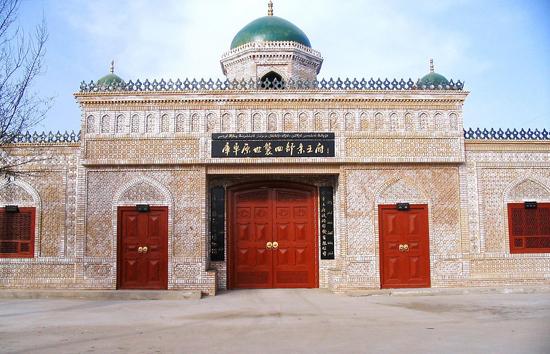
My advice is to trade a little polish for location. In Kashgar, a family-run guesthouse inside or beside the Old City puts you within earshot of morning bakeries and evening music. In Kucha and Yining, mid-range hotels near the old quarters work well. If you get the chance to do a village homestay in the Ili valley, take it; a single evening of tea, bread and impromptu singing in someone’s courtyard will teach you more about daily life than a week of sightseeing. Book homestays through a licensed local operator so your host is properly registered.
Food is culture you can taste
You cannot separate Uyghur culture from its table. A meal is an act of hospitality, and refusing tea outright can read as cold, so accept at least a cup. Naan is close to sacred; you never put a loaf face-down or step over one. Pilaf, called polo, is the centerpiece of celebrations, cooked in a huge cast-iron qazan and served from a shared platter with the right hand. Learn the rhythm of a bazaar meal by reading my notes on where locals really eat, and if you want to understand one dish deeply, start with Uyghur naan bread. Tea deserves its own study too; the Xinjiang tea culture guide covers the milk-tea and brick-tea traditions that fuel every gathering.
Practical tips from years of guiding
- Ask before photographing people. A smile and a gesture toward your camera usually gets a warm yes. If someone declines, respect it without a second try.
- Dress with a little modesty near mosques. Covered shoulders and knees are appreciated, especially at the Id Kah and other places of worship.
- Buy instruments from workshops, not tourist racks. A real rawap or dutar from a Kashgar or Yengisar maker is a lifelong object; the painted souvenirs rarely hold tune.
- Learn three words. Yaxshimusiz for hello, rehmet for thank you, and hosh for goodbye will change how people treat you.
- Let a local set the pace. Hiring a licensed Uyghur guide, even for a day, opens courtyards a solo traveler never sees.
A three-day culture-first sample plan
Day 1, Kashgar: Morning in the Old City on foot, watching bakers and coppersmiths. Midday tea and polo at a family restaurant. Late afternoon at the grand bazaar tradition style market for instruments. Evening cultural-center muqam performance.
Day 2, Kashgar to Kucha: Rail to Kucha, wander the old town, visit the Kucha Palace to understand the musical lineage of the region. Evening walk through the night bazaar.
Day 3, Kucha or Ili: If your timing hits a festival, base yourself where a meshrep or wedding is happening and simply be present. Otherwise, return toward Urumqi and spend the afternoon at the old-city rhythms you may have rushed on Day 1.
Frequently asked questions
Is the Twelve Muqam hard for a foreigner to enjoy? Not at all. It moves from calm to joyful, so even a first-timer feels the build. Start with a staged forty-minute show, then seek out something longer.
Can I take part in the dancing? Yes, and you will probably be pulled in. Uyghur social dance welcomes clumsy guests; just follow the person next to you and smile.
Where can I hear music if I miss a festival? Cultural centers in Kashgar, Kucha and Turpan run regular performances, and teahouses in the old quarters often have live players in the evening.
Is it respectful to visit during Ramadan? Yes, if you are considerate. Avoid eating loudly in public during fasting hours and enjoy the lively evenings after the fast breaks.
Should I hire a guide? For a culture-focused trip, a local guide is the difference between watching and belonging. It also supports the community you came to learn from.
Disclaimer
This article reflects my personal experience as a Kashgar-born writer and cultural guide, along with publicly available information from UNESCO’s Intangible Cultural Heritage program and Xinjiang cultural and tourism authorities as of July 2026. Festival dates follow the lunar calendar and shift yearly, performance schedules change, and prices vary, so confirm details locally before you travel. Nothing here is intended as political commentary; it is a practical, respectful traveler’s guide to living traditions.
About the author: Kamil Yusup was born on a lane behind the Id Kah Mosque in Kashgar and trained as a music teacher before turning to writing. Over fifteen years he has guided visitors to muqam performances, meshrep gatherings and instrument workshops across southern Xinjiang and the Ili valley. He plays the dutar poorly and the dap enthusiastically, and believes the fastest way into any culture is to accept the second cup of tea.