Published: July 23, 2026 | Author: Tohti Rahman
Why you can trust this Xinjiang tea culture guide
Travelers who have never set foot in the region usually picture Xinjiang through its sizzling kebabs and seed-spitting melons. The drink that actually keeps daily life moving, though, is tea. Xinjiang tea culture predates most of the highways that now cut across the province, and it shows up in two very different cups: the salty, milky chay poured in Kazakh yurts, and the dense, compressed brick tea (locals call it fucha) that Uyghur households simmer for hours in the old city. I have spent the last six years reporting on Silk Road foodways from a base in Kashgar, and the more villages I visit, the clearer it becomes that tea is the one habit the Han, Uyghur, Kazakh, Kyrgyz, and Hui tables all share. This piece is built from those trips and from the vendors who taught me, not from a brochure.
Quick reference: Xinjiang tea at a glance
| Type | What it is | Where you’ll find it | How it’s served |
|---|---|---|---|
| Milk tea (süt chay) | Black tea boiled with milk, salt, sometimes butter | Kazakh and Kyrgyz yurts, northern pastures | Hot, in shallow bowls, often with naan |
| Brick tea (fucha) | Compressed dark tea, aged and very strong | Uyghur homes, Kashgar teahouses, bazaars | Simmered for hours, plain or with naan |
| Herbal mixes | Licorice root, rose, apricot leaf, cumin seed | Home blends, southern oasis towns | Steeped light, usually after meals |
| Green brick tea | Younger, lighter compressed leaf | Hui tea shops, Urumqi bazaar | Brewed in glass, sipped through the day |
What I learned drinking tea across the province
My first proper lesson came one January in a teahouse just off Id Kah Mosque in Kashgar. The owner, an older Uyghur man named Memet, set a small pot of brick tea in front of me and said nothing for a full minute while it steeped. When he finally poured, the liquid was the color of weak soy sauce and smelled faintly of earth and old wood. I expected bitterness; instead it was round, almost sweet, with a long finish. He explained that the brick had been aged three years and that his family had bought it from the same Hui wholesaler for two generations. That single cup rewired how I think about the region.
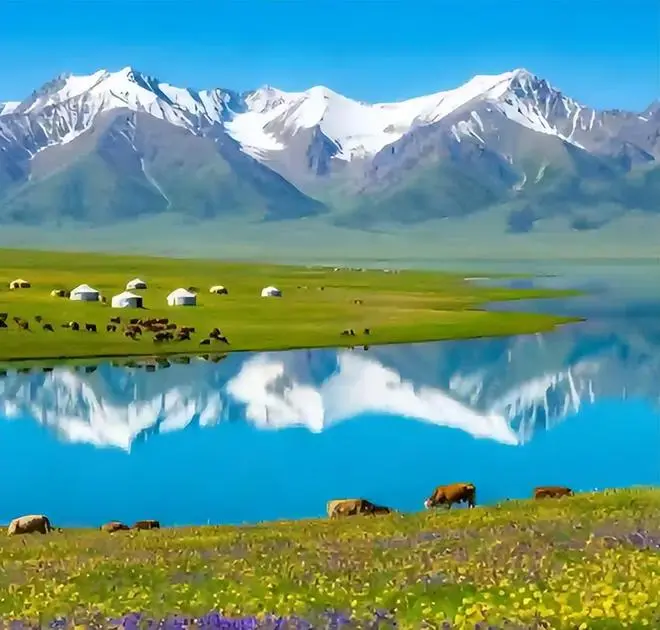
Two years later, in a Kazakh yurt near the pastures of Yili during a cold, wet spring, I met the other end of the tradition. The herder’s wife handed me a bowl of milk tea so pale it looked like watered milk, then dropped in a knob of rock salt and a slice of homemade butter. Sometimes she adds a spoon of qaymaq, a clotted cream that turns the surface glossy, though that morning she skipped it. It was warming in a way coffee never is, and the salt made the cold outside feel manageable. She told me the milk came from their own cows and that in winter they drink it four or five times a day. If you want the fuller picture of how dairy and tea overlap here, our guide to Xinjiang dairy traditions covers the milk side in detail.
How brick tea reached the Silk Road
Compressed tea was not invented for flavor. For centuries it was a trade good, almost a currency, moving west from inland China along the same routes that carried silk and jade. On the receiving end, communities across what is now Xinjiang found that a brick survived the desert crossing far better than loose leaf, and that boiling it hard covered the taste of stale well water. The regional culture and tourism authorities note that the teahouses of Kashgar’s old city remain a living part of daily life today, which is why the custom feels intact rather than staged. The trade left a practical legacy: even now, the best brick tea is the one that has sat in storage the longest, and a three-year brick still costs less than a café coffee back home.
How to reach the tea spots
You do not need a special tour to taste good tea here, but the two main styles live in different corners of the province. For brick tea and old-city teahouses, fly into Kashi (Kashgar) airport and take a taxi 20 minutes into the old city; most teahouses cluster within walking distance of Kashgar Old City. For milk tea, the northern pastures around Yili are best reached by high-speed rail to Yining, then a local car into the grasslands. If you want to buy brick tea by the stack, the Urumqi International Bazaar has the widest, cheapest selection in the region.
Best time to taste Xinjiang tea
Winter is the season I recommend for brick tea. The cold makes a long-simmered pot feel necessary rather than heavy, and the old-city teahouses are quiet enough to actually talk with the owners. Milk tea works year-round but is best in late spring, when the pastures green up and Kazakh families welcome visitors into their yurts. If you happen to be in the Ili Valley during apricot-blossom season in April, ask for the herbal blends made with dried apricot leaf; they taste the way the orchard smells.
Where to stay on a tea-focused trip
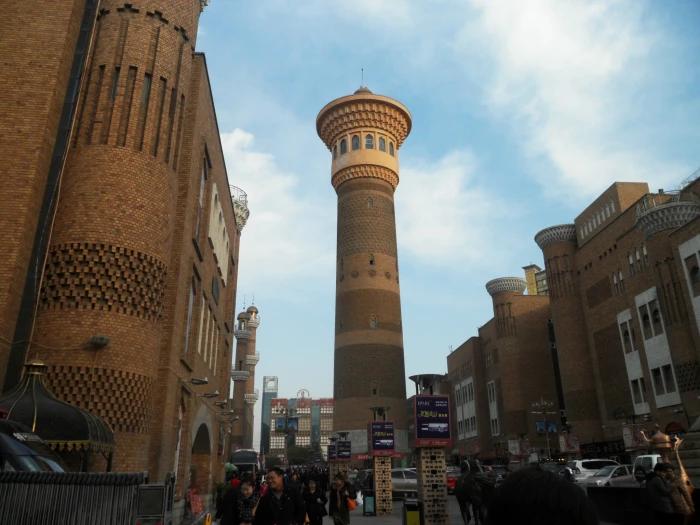
In Kashgar, book a guesthouse inside or next to the old city so the teahouses are a short walk away; I stayed near Id Kah for a week and drank at a different spot each afternoon. Around Yili, a yurt homestay puts milk tea within arm’s reach from breakfast onward. In Urumqi, any hotel near the south gate works, since the bazaar is a short ride and the tea wholesalers there open early.
What to eat with your tea
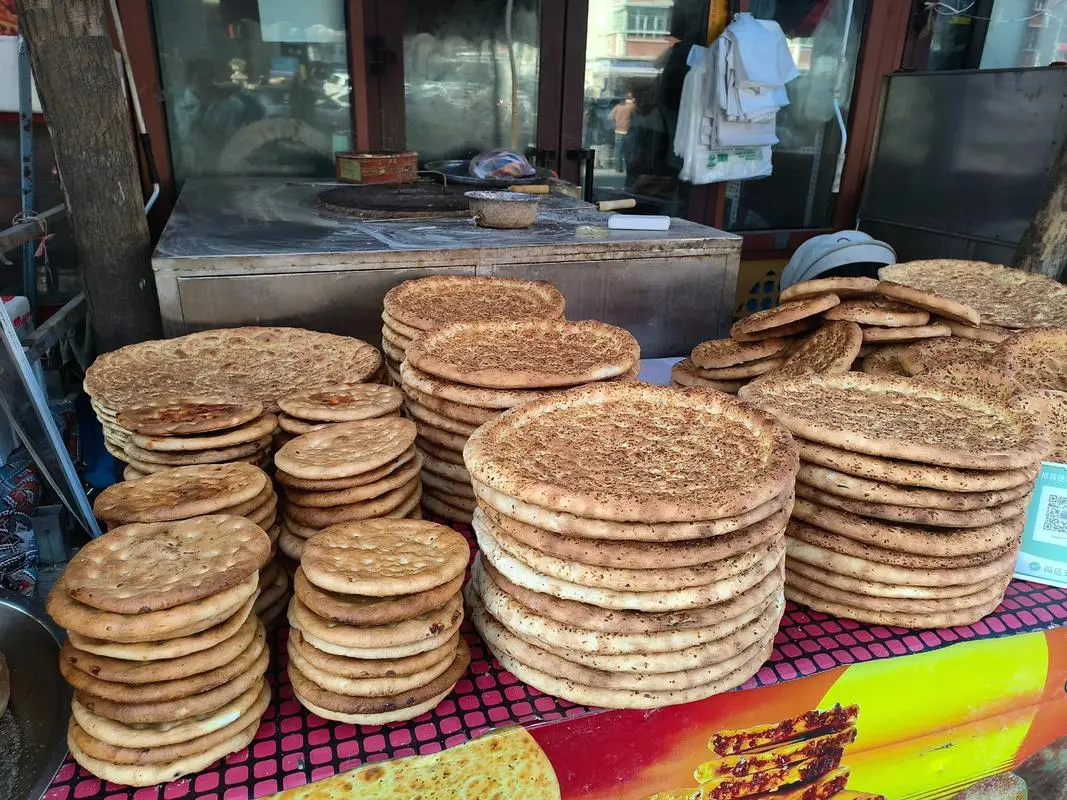
Tea in Xinjiang is rarely drunk alone. Brick tea almost always comes with Uyghur naan, torn and dunked, or with walnuts and dried apricot. Milk tea pairs with fried dough and butter. For a broader sweep of what goes on the table, our Xinjiang food guide lists the dishes you’ll meet alongside your cup. And if you want to take the pairing home, the region’s dried fruit and nuts travel better than fresh produce and taste right with both tea styles.
Practical tips for ordering and buying
Brick tea is cheap, often 15 to 30 yuan a brick at the bazaar, but age matters; ask the seller how long it has been stored and favor the darker, harder bricks. In teahouses, milk tea is usually unsweetened and lightly salted by default, so if you want sugar, say so. Most old-city teahouses have no English menu, but pointing at someone else’s cup works fine. Carry small cash at the bazaar, since the tea wholesalers rarely take cards. One more habit worth picking up: the leaves in a brick-tea pot are reused across the day, and the second and third rounds are often better than the first.
A three-day Xinjiang tea route
Day one, arrive in Kashgar and spend the afternoon in old-city teahouses near Id Kah, comparing two or three brick teas. Day two, take the rail north to Yili and visit a Kazakh yurt for milk tea and a short pasture walk. Day three, end in Urumqi and stock up on brick tea and dried fruit at the International Bazaar before you fly out. It is a short loop, but it covers both ends of the tradition without backtracking.
Frequently asked questions
Is Xinjiang tea caffeinated? Brick tea and milk tea both come from Camellia sinensis, so yes, though the long simmering of brick tea leaves less punch than a fresh brew. Herbal blends may be caffeine-free depending on what is in them.
Can I find vegetarian tea pairings? Easily. Naan, nuts, dried fruit, and most herbal mixes are plant-based, and milk tea can be made with plant milk if you ask, though that is not the local norm.
How much does a teahouse visit cost? In Kashgar a pot for one typically runs 10 to 20 yuan. A yurt milk-tea stop in Yili might be folded into a homestay rate rather than charged separately.
Will I offend anyone by not finishing my tea? No. Leaving a little in the bowl is normal, and hosts refill freely, so stop when you are full.
Can I bring brick tea home? Usually yes for personal amounts, but check your own country’s food-import rules before you pack a stack of compressed bricks.
Disclaimer
This guide reflects the author’s personal travels and conversations with vendors between 2019 and 2025. Prices, shop names, and teahouse hours change, and border or market rules can shift without notice. It is not medical advice; if you have caffeine sensitivity or a specific health condition, check with a professional before changing your diet. Always confirm current entry and customs requirements with official sources before you travel.
About the author
Tohti Rahman is a Kashgar-based writer focused on Silk Road foodways and everyday culture across Xinjiang. Over six years he has documented teahouses, bazaars, and pastoral kitchens from the Pamir plateau to the Ili Valley. He prefers his brick tea aged three years and his milk tea with a single knob of salt.