Published: August 16, 2026 | Author: Karl Huang, Xinjiang Attractions field editor
Ask anyone planning their first southern Xinjiang route and the same question comes up fast: Kashgar vs Hotan. Both cities sit on the southern rim of the Taklamakan Desert, both grew out of the Silk Road, and both are overwhelmingly Uyghur in language and everyday rhythm. On a map they look like siblings. On the ground they behave nothing alike, and the choice quietly shapes the rest of your trip. We have driven, flown and sat in tea houses in both places across three separate visits between 2019 and 2025. The short version: this is not really about which city is “better.” It is about what you want your days to actually contain.
Kashgar vs Hotan at a glance
| Factor | Kashgar | Hotan |
|---|---|---|
| Best for | First visit, photography, Pamir access | Jade, carpets, slow travel, return trips |
| Old city | Restored lanes, easy to wander | Working neighbourhood, little polish |
| Signature market | Sunday livestock market, Id Kah area | Sunday bazaar: livestock, jade, cloth |
| Getting in | Frequent flights, rail, solid hotels | Fewer flights, long rail approach |
| Minimum stay | 3 days | 2 days |
| Use as base for | Pamir Highway, Karakul Lake | Desert highways, Yurungkash jade river |
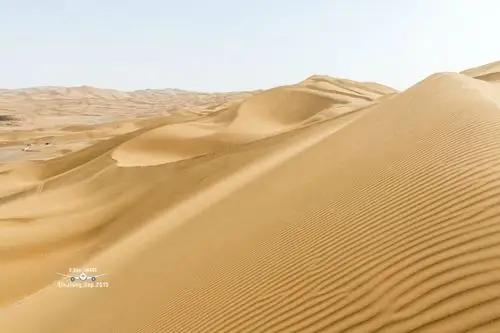
The single geographic fact that explains almost everything is the desert between them. The Taklamakan is roughly the size of Germany and almost empty, so Kashgar and Hotan are not a quick hop apart. They are two oasis anchors on opposite sides of a wall of sand, and that distance is the reason their characters diverged.
What our own trips taught us
We reached Kashgar on a late-October evening in 2022, the light already gone by seven. The next morning we walked the old city before the tour groups and watched bakers pull sesame flatbread from the walls of community ovens. What struck us was how walkable the restoration had made it: narrow lanes, mud-brick facades, courtyards you can actually enter. It feels arranged, but it is also alive, and as a base it simply works.
Hotan landed differently. We came in spring 2023 and the first thing we noticed was the dust and the quiet. The old quarter is not a showpiece. It is a place where people live, sweep, sell and pray, and the main event for us was the Sunday bazaar, where the crowd shows up to buy sheep and bolts of cloth rather than postcards. If Kashgar is a stage that knows you are watching, Hotan is a kitchen that does not care. Both are worth your time. They are just different kinds of worth.
Getting to each city
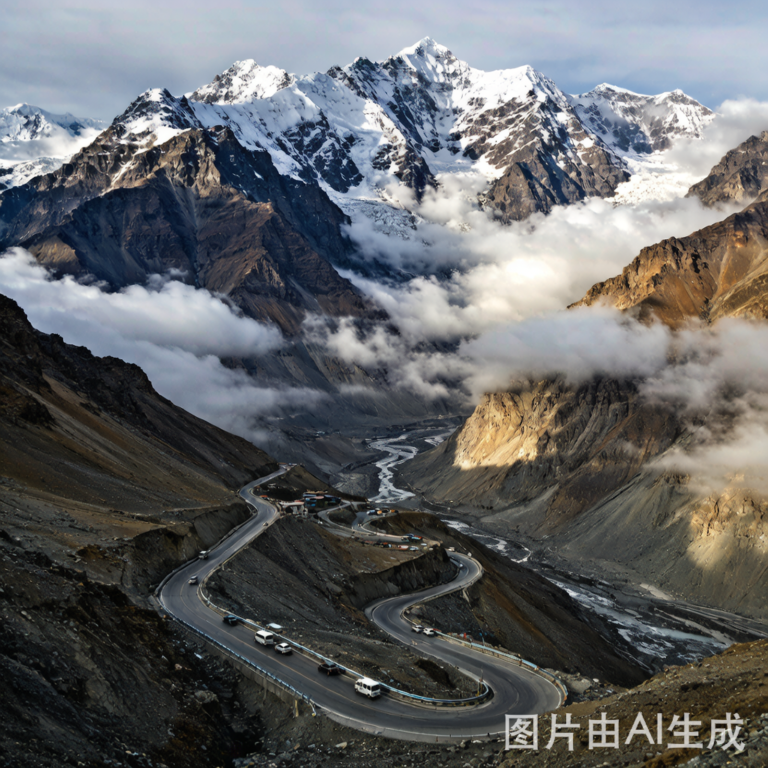
Kashgar is the easier arrival. There are regular flights from Urumqi and several inland hubs, a rail line that connects north through the Turpan corridor, and a hotel scene that can absorb foreign visitors without fuss. From Kashgar you also start the run south toward the Pamir and the Karakoram Highway, which is the main reason many travellers build their whole southern loop around the city.
Hotan is reachable by air, but flight frequency is lower and the rail link is long and slow. The more interesting way in is by road: the Tarim Desert Highway and the G315 corridor let you cross the Taklamakan itself, which turns the transfer into the highlight rather than the cost. If you hate long drives, Kashgar wins this round outright. If a desert crossing is on your list anyway, Hotan becomes the natural southern anchor.
When to go
The window is the same for both: late April to early June, and again September to mid-October. Spring brings orchard bloom and manageable heat; autumn gives clean light and the fruit harvest. July and August are brutally hot across the southern Tarim, with daytime temperatures that flatten any plan to walk for hours. Winter is cold but strikingly empty, and hotels and flights get cheap. For a first visit we would not fight the climate and would aim for autumn.
Where to sleep
Kashgar has the wider range, from guesthouses tucked inside the old city to larger hotels a short walk from Id Kah Mosque. Staying inside or next to the old town saves you the daily taxi shuffle and puts the morning bread run at your door. Hotan’s options are thinner and more utilitarian, with fewer foreigner-friendly front desks, so book ahead and confirm registration handling if you need it. A deeper look at the Kashgar side is in our Kashgar city guide, which covers neighbourhoods and where the lanes actually lead.
What to eat
Both cities share the southern Xinjiang table: hand-pulled laghman noodles, samsa baked in tandoor ovens, and polo rice with carrot and lamb. Kashgar has more cafes and a tourist-facing food scene along the old city edges. Hotan leans into its own products: jujube dates, walnut pastry, and the famous mutton roasted whole. The markets are where the food gets interesting. Kashgar’s Sunday livestock market comes with makeshift noodle stalls; Hotan’s Sunday bazaar is a full sensory event where you eat standing up among the trade. Either way, arrive hungry and leave room.

Kashgar vs Hotan: a choice that depends on your trip
Rather than rank them, pick by profile.
Choose Kashgar if this is your first time in the south, you want strong photography, you plan to reach the Pamir, and you value easy logistics. It is the city that forgives mistakes: missed buses, language gaps, a sudden interest in a day trip. Everything bends toward the visitor.
Choose Hotan if you are hunting for Hotan jade along the Yurungkash River, you want carpets and atlas silk without the markup of a tourist street, you travel slowly, or you have already done Kashgar and want the less arranged version of the same world. Hotan rewards patience more than it rewards a tight schedule.
Do both if you have seven or more days and a tolerance for a long transfer. The two cities answer each other: Kashgar gives you the Pamir and the postcard old town; Hotan gives you the desert crossing and the working bazaar. Skipping one means missing half the southern story, but forcing both into four days means enjoying neither.
A southern loop that does both
For travellers with a week, here is the shape that worked for us.
Days 1 to 3, Kashgar. Settle in the old city, walk Id Kah and the surrounding lanes, spend one morning at the Sunday livestock market, and take a day trip south toward Karakul Lake on the Pamir. Keep day three light so the transfer does not crush you.
Day 4, the crossing. Fly Kashgar to Hotan if time is short (about an hour), or drive the desert corridors if the Taklamakan is the point. The drive is long; the flight is dull but fast.
Days 5 to 6, Hotan. Time your stay so one full day lands on a Sunday for the bazaar. Use the other for the Yurungkash jade river and a carpet or atlas-silk workshop. Eat at the market and the roadside stalls, not only the hotels.
Day 7, depart. Fly out from Hotan, or backtrack to Kashgar for more flight choices. Either works; we preferred leaving from wherever the better connection home sat.
FAQ
Can I see both on one trip? Yes. A seven-day loop through Kashgar and Hotan is realistic and is what we recommend over a frantic four-day version.
Which is safer? Both are normal Chinese cities with the usual precautions. The bigger practical risk is heat in summer and long drives in winter, not personal safety.
Do I need a permit around Kashgar? The Pamir and the Karakoram Highway sit in a border zone and require a travel permit obtained in Kashgar. Arrange it a day ahead; do not assume you can drive through on a whim.
Is Hotan worth it if I only have five days? Probably not on its own. Base in Kashgar, do the Pamir, and save Hotan for the trip where the desert crossing is the goal.
Will I get by in English? Barely. Some Kashgar old-city businesses use a little English; Hotan almost none. A translation app and patience cover most gaps.
For the deeper historical arc that ties these two oasis cities together, our Silk Road timeline lays out the centuries behind the lanes you will be walking.
A note before you go
This article is built from our own travels and is meant to help you plan, not to sell you anything. Transport schedules, flight frequency, hotel availability, permit rules and border policies change, sometimes with little notice. Confirm the current details with official sources and your accommodation before you commit money or time. Distances in southern Xinjiang are large and unforgiving; build buffer days you can actually use.
About the author
Karl Huang is the field editor at Xinjiang Attractions and has travelled across Xinjiang, including multiple visits to Kashgar and Hotan, since 2019. He focuses on practical, first-hand route planning for independent travellers and reviews every article against his own notes from the road. Questions and corrections from readers are welcome and often end up improving the guides.