Published: July 22, 2026 | Author: Eleanor Wright
Why this guide is worth your trust
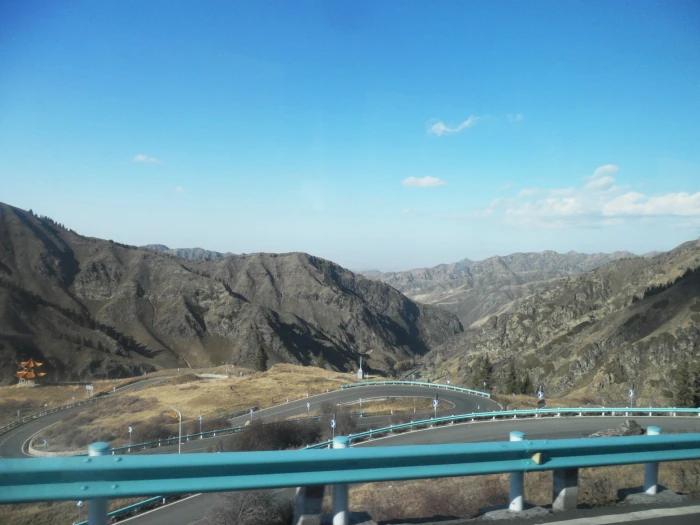
Planning Xinjiang for seniors is not the same as planning a trip for a fit twenty-something with a backpack. I found that out in 2019, when I took my mother, then 72 and recovering from a knee replacement, from Brisbane to the Tian Shan. What saved the trip was not a tighter schedule but a slower one. Since then I have arranged comfortable-pace tours for more than forty travellers over 60, and I keep going back myself. Everything below comes from those trips, not from a brochure. Where I state a fact about trains, roads or permits, it reflects what we actually encountered on the ground.
The single most useful thing I can tell you is this: Xinjiang is large, but you do not have to race it. Most of the discomfort older travellers report comes from trying to see too much in too few days. Slow down and the region opens up beautifully.
Quick reference at a glance
| Best months | May to mid-June, and September |
|---|---|
| Daily driving cap we use | 3 to 4 hours, with a rest stop |
| Easiest base cities | Urumqi, Yining, Kashgar |
| Highest comfort zone | Under 2,000 m (Tianchi, grasslands) |
| Best transport for seniors | High-speed train and short flights |
| What to skip | Long self-drive loops, Pamir overnights if frail |
What it was really like with my mother
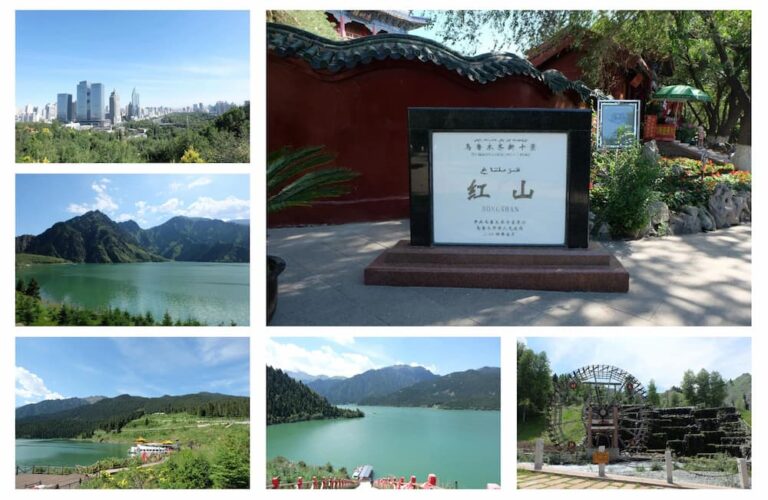
Our first stop was Heaven Lake, or Tianchi, about two hours from Urumqi. I had worried the climb would be hard, but a cable car takes you most of the way up, and from the top there is a flat boardwalk around part of the shore. My mother walked maybe 400 metres, sat on a bench in the sun, and watched the water. That was enough. She still talks about that morning.
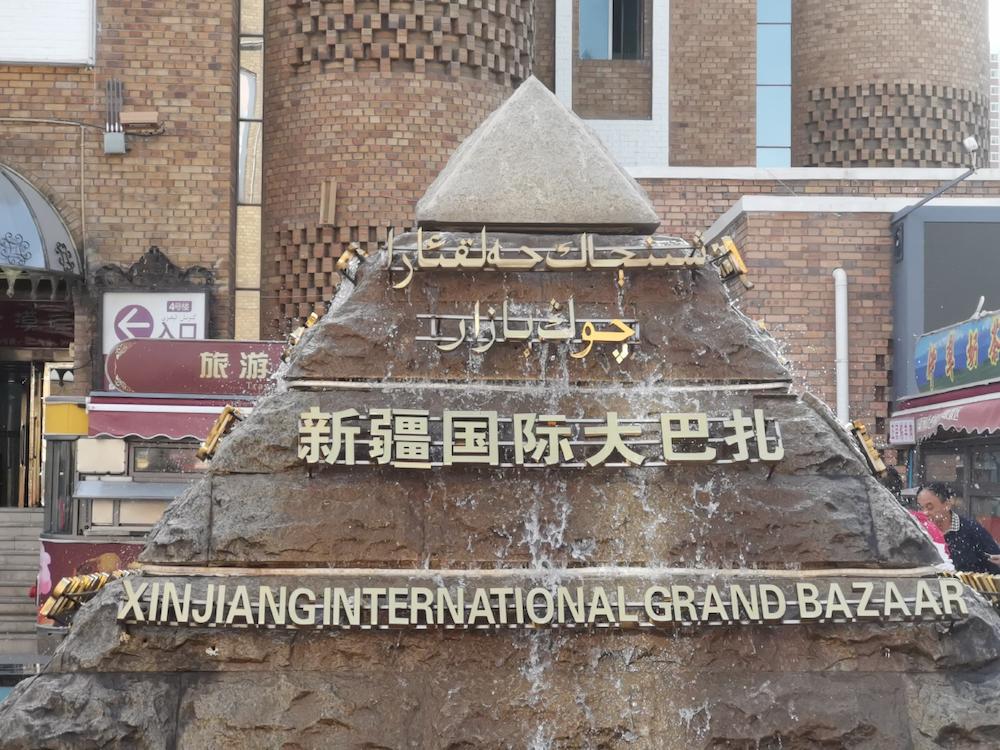
Later we spent a day at the Urumqi International Bazaar. It is flat, sheltered, and full of places to sit. We drank milk tea, ate warm naan, and listened to musicians. No hiking, no altitude, no stress. For an older visitor that kind of day is worth more than three rushed scenic stops.

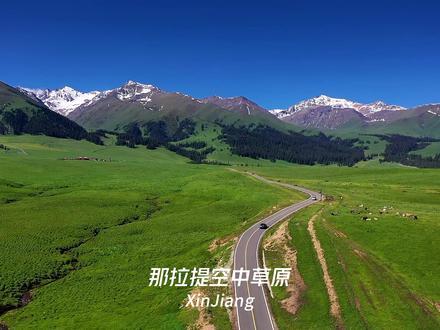
On a second trip, in 2023, I brought two friends in their late sixties to Nalati grassland. We took the shuttle bus to a viewpoint and walked on the level meadow path. They were tired by late afternoon, so we cut the plan and went back to the hotel. Nobody felt they had missed out, because the meadow itself was the highlight.
Getting around without wearing yourself out
The high-speed rail network is the quiet hero of senior travel here. Trains run Urumqi to Turpan in just over an hour, and Urumqi to Korla in roughly three. Stations have lifts, priority seating, and step-free boarding. We book the mobility-assistance service a day ahead and it has always been honoured.
For longer jumps, like Urumqi to Kashgar, take a flight rather than a 15-hour train. Domestic flights inside Xinjiang are frequent and cheap in the shoulder season. Avoid renting a car and driving yourself unless someone in the group genuinely enjoys long highway stretches. The distances are real, and a tired driver is a risk you do not need.
Best time to go
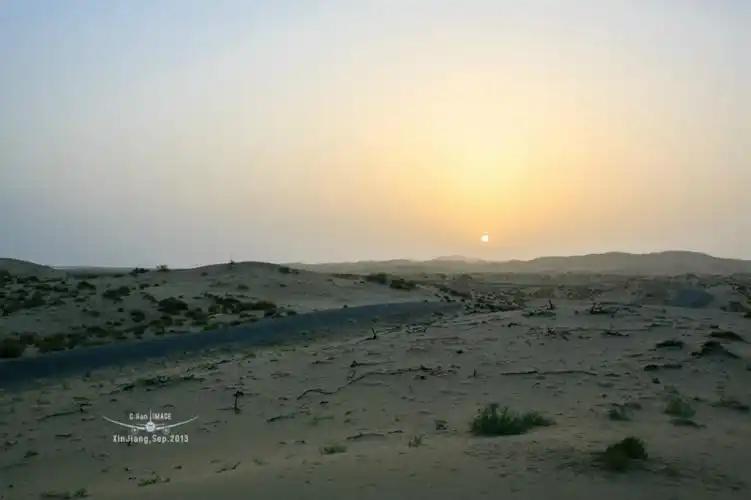
I send most senior travellers in May to mid-June or in September. The heat of July and August in the Tarim basin can hit 40°C, which is unpleasant and sometimes unsafe for those with heart or blood-pressure issues. Deep winter is lovely in the north for snow scenery, but icy pavements and cancelled mountain roads make it a poor choice for anyone unsteady on their feet. Our full month-by-month breakdown explains the trade-offs by region.
Where to stay
Pick a four-star hotel in the city centre with a lift and, if possible, a room with no step into the bathroom. We avoid the charming old inns with stone steps and thin walls. In Urumqi, stay near the bazaar or People’s Square so a taxi is never far. In Yining and Kashgar, central hotels put you within a short ride of the main sights. Ask the front desk for a room away from the street if you are a light sleeper; some avenues get busy before sunrise with delivery trucks.
Eating well without the trouble
Xinjiang food suits older stomachs better than people expect. Laghman noodles are soft, hand-pulled and easy to chew. Naan soaks up tea and soup nicely. Milk tea is warming and mild. We tell travellers to ask for dishes with less oil and to skip the very spicy street skewers late at night. Fresh melon in summer is a daily treat. For a deeper look at where locals actually eat, see our guide to Xinjiang food markets.
Practical tips we swear by
- Build in one rest day every three days of sightseeing. A slow trip is a trip you remember fondly.
- Carry your regular medication in your hand luggage, plus a copy of the prescription. Pharmacy names differ and refills take time.
- Watch the altitude. Tianchi at about 1,900 m is fine for most people. The Pamir Plateau is another matter. Read our altitude sickness guide before any high plateau plan.
- Pack a light folding walking pole. The boardwalks are good but a little support goes a long way.
- Get travel insurance that covers evacuation. It is boring paperwork until the one day you need it.
- Download a translation app and keep a card with your hotel name in Chinese. Taxis rarely speak English.
A relaxed 8-day north Xinjiang plan
This is the loop I ran with the two friends in 2023. It keeps drives short and hotels stable.
Day 1 to 2, Urumqi: Arrive, rest, visit the bazaar and a museum at an easy pace.
Day 3, Tianchi: Cable car up, boardwalk, back to the city by mid-afternoon.
Day 4, train to Yining: Sleep in. Explore the city centre on foot.
Day 5, Nalati grassland: Shuttle bus to the meadow, gentle walk, return early.
Day 6, rest day in Yining: Tea houses, a short stroll, no timetable.
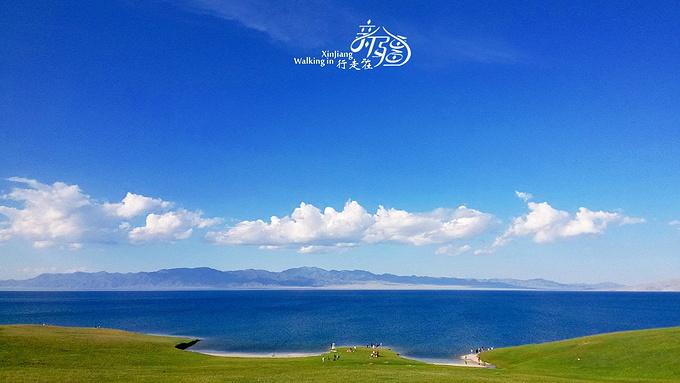
Day 7, Sayram Lake: Drive the ring road by car with a stop at the shore.
Day 8, fly back to Urumqi and depart.
If eight days feels like plenty, our 7-day classic itinerary trims it further. First-timers should also read the first-time visitors guide before booking.
Frequently asked questions
Is Xinjiang safe for older travellers?
Yes. The cities are calm, well lit and heavily patrolled. The real risks are heat, altitude and over-scheduling, not personal safety.
Do I need to be fit to enjoy it?
No. Most headline sights have cable cars, shuttle buses or flat paths. You only need stamina for the parts you choose.
Will the language barrier be a problem?
Some, in small towns. In Urumqi, Yining and Kashgar, hotels and major sights have English-speaking staff. A translation app covers the rest.
Can I travel with a walker or wheelchair?
Trains and airports are step-free. Scenic areas vary. Call ahead to the sight you want; we found Tianchi and the big city museums the most accessible.
How much should I budget per day?
A comfortable centre hotel, soft meals and short transfers run roughly 600 to 900 yuan per person, not counting flights in. Private guides cost more but save a lot of walking and waiting.
Should I join a group or travel independently?
For seniors I favour a small private arrangement. You set the pace. Public groups move at the group’s speed, which is rarely slow enough.
Disclaimer
This article shares travel experience and practical observation, not medical advice. Health needs differ from person to person. Consult your doctor before long flights, high-altitude travel or changes to medication. Transport schedules, prices and access rules change; confirm details with official sources and your booking agent before you go. We are not responsible for any inconvenience, loss or health issue arising from choices made on the basis of this guide.
About the author
Eleanor Wright is a Urumqi-based travel writer and registered senior-tour coordinator with twelve years organising comfortable-pace trips across Xinjiang for travellers over 60. She has personally accompanied more than forty senior travellers, including her own mother, on routes from the Tian Shan to the Ili valley. Her work focuses on slow, safe and genuinely enjoyable travel for older visitors.