Published: July 21, 2026 | Author: Liam Foster
Why you can trust this Xinjiang cycling route guide
When people ask me the best way to actually feel the Silk Road instead of watching it slide past a tour-bus window, I tell them to get on a bike. A Xinjiang cycling route is not a gentle sightseeing loop. It is long, dry, high and often empty for hours at a stretch. I have ridden two pieces of it myself: the S101 Tianshan back road in the summer of 2022, and a longer push from Urumqi down to Kuqa through Sayram Lake and the Duku Highway in 2024. This guide comes from those rides, the mistakes we made, and the things I wish someone had said before I clipped into my pedals.
I am not a racer. My riding partner Dan is a schoolteacher from Leeds who had never been to China before our 2024 trip. If two ordinary riders can finish this, the route is real. I have also checked road numbers, distances and seasonal closures against Xinjiang transport bureau notices and the national highway maps, so the practical facts below are solid rather than guessed.
| Element | What to expect |
|---|---|
| Best season | June and September; Duku Highway open roughly early June to late October |
| Classic distance | 900 to 1,200 km for a northern loop, more if you add the south |
| Highest pass | Around 3,400 m on the Duku Highway spine of the Tianshan |
| Bike type | Touring or gravel bike, 35 to 45 mm tyres |
| Daily budget | 150 to 300 yuan including food, lodging and supplies |
| Key links | Urumqi, Jinghe, Sayram Lake, Yining, Nalati, Kuqa |
Our ride: leaving Urumqi behind
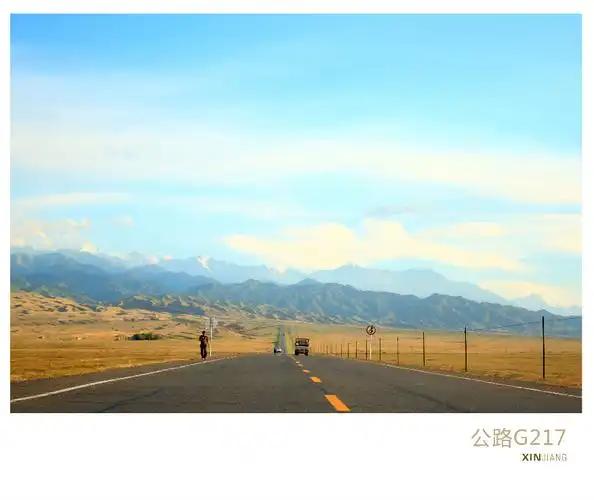
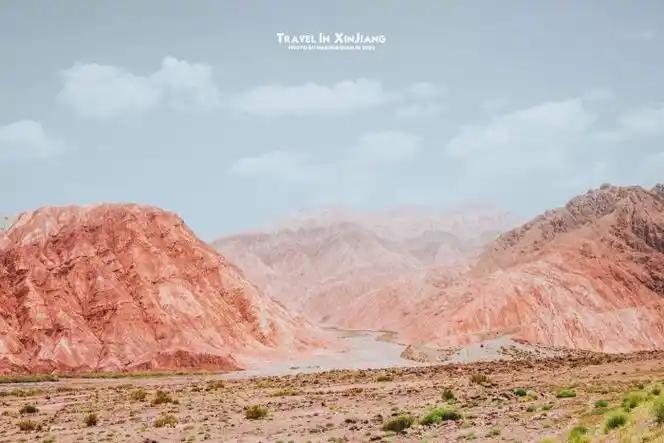
We rolled out of Urumqi on a Tuesday in early June, loaded with panniers and a thermos of milk tea from the corner shop. The first 40 kilometres toward Shawan are flat and noisy, running beside the G30 expressway. The real change comes once you turn onto the S101, the old defence road that threads the northern foot of the Tianshan. The surface is patchy in places, but the walls of red and grey rock on either side make the slow climbing worth it. We covered about 70 kilometres that day and slept in a small hostel in Jinghe, where the owner lent us a pump when Dan’s rear tyre went soft.
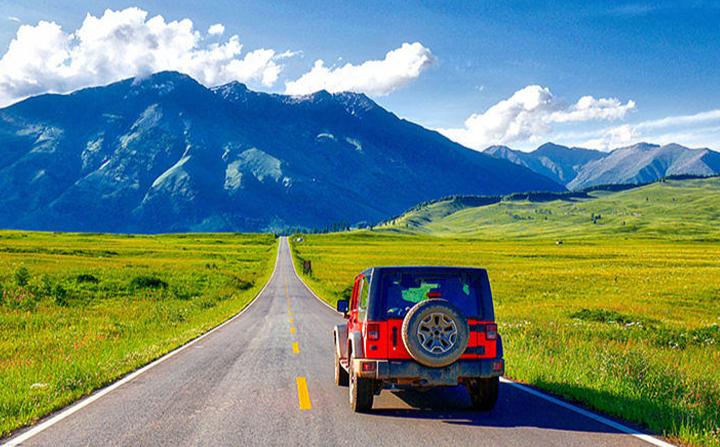
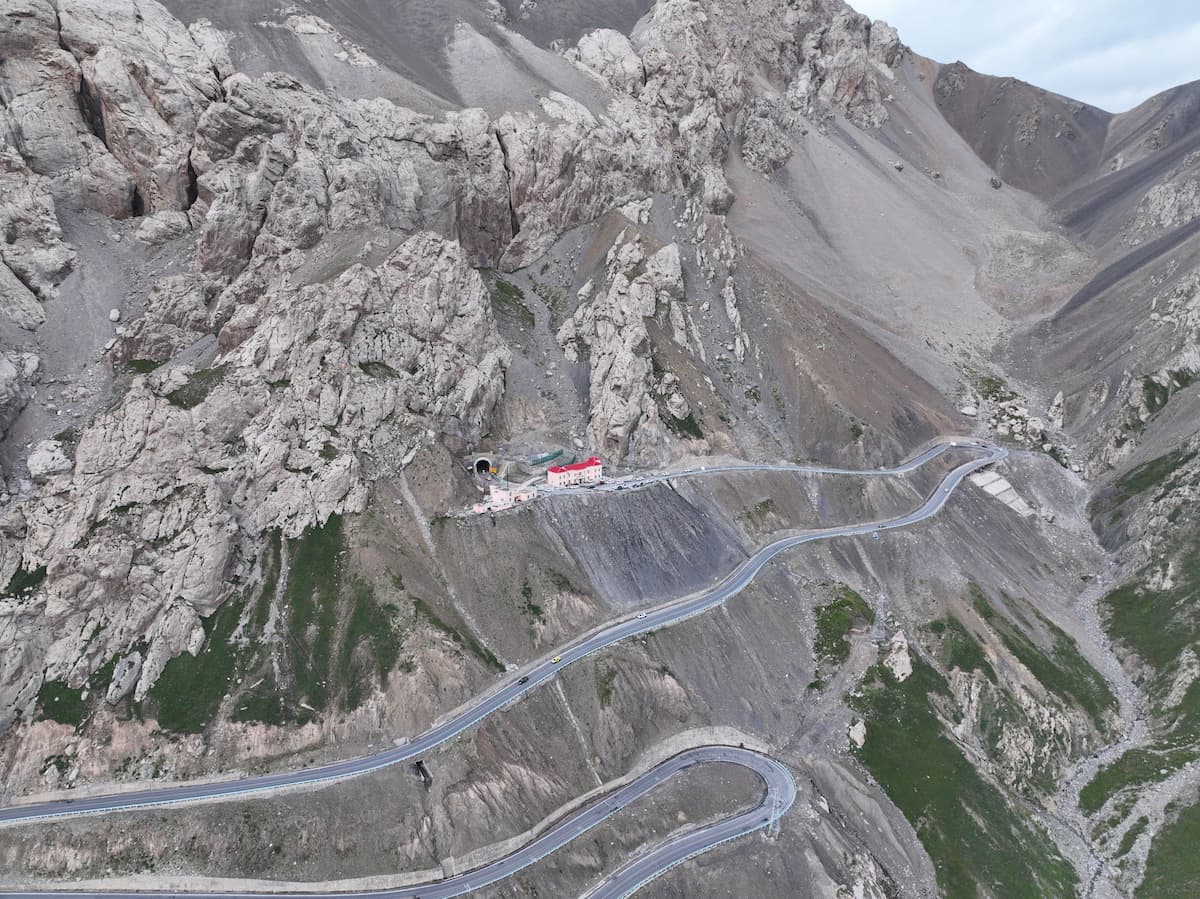
The second memorable stretch was the Duku Highway itself. This is the road most cyclists talk about, and for good reason. It runs roughly 561 kilometres from Dushanzi in the north down to Kuqa in the south, crossing the spine of the Tianshan through a series of passes. The highest point sits around 3,400 metres, and on the day we crossed it there was still a bank of old snow beside the road in late June. We met a group of Kazakh riders near the top who shared flat bread and warned us about the long descent into rainy weather on the southern side.
Xinjiang cycling route planning: the roads you can ride
There is no single marked Silk Road bike trail. What you have is a web of national and provincial highways, and the fun is stitching them together. The classic northern arc we rode looks like this: Urumqi, west on the S101 to Jinghe, a short hop north to Sayram Lake, over the Guozigou bridge to Yining, then east through the Ili grasslands before either turning back or linking south on the Duku Highway to Kuqa.
Each segment feels different. The S101 is quiet and scenic but rough under the tyres. The G30 corridor is fast, wide and has a hard shoulder in most sections, which makes it safe for riding even though it is a motorway-class road; cycling is permitted on the older surface sections, so always follow local signage. The Duku Highway is the prize and the hardest: it is closed to all traffic from late October until early June because of snow, so your riding window is narrow and worth planning around.
Getting your bike to Xinjiang
Most riders fly into Urumqi Diwopu International Airport with a boxed bike, or take the train and check the bike as oversized luggage. The Xinjiang high-speed rail network now reaches most cities on a northern route, which is handy if you want to skip a dull 300-kilometre transfer and start fresh in a smaller town. Pack a foldable repair kit and a spare folding tyre, because proper bike shops outside Urumqi and Kashgar are rare and the ones you find may not stock your size. We learned this the hard way when Dan’s chain link snapped near Toksun and the nearest shop was two days back east.
Best time to ride
June and September are the months I would pick. July and August are warm, the northern pastures are green and the Duku Highway is fully open; the downside is that schools are out and some towns get busy. We rode in early June and had cool mornings, empty roads and snow still on the high passes. Avoid winter entirely unless you only plan to pedal inside Urumqi’s riverside parks. If you want a quieter road and don’t mind cold nights, late September after the national holiday crowds leave is excellent, though the Duku closure date creeps earlier each year with the first snow.
Where to sleep
You have three realistic options. City hotels in Urumqi, Shihezi and Yining are cheap and comfortable, often 120 to 220 yuan a night for a clean double. County towns along the route have basic guesthouses for 80 to 150 yuan. And in the grasslands you can stay in a Kazakh yurt for around 80 to 120 yuan, which usually includes a dinner of hand-pulled noodles and milk tea. Bring a lightweight sleeping bag liner; not every yurt changes sheets between guests. Remember that you must show your passport at every hotel, and the front desk will register you with the local system, which is normal and takes a few minutes.
What we ate on the road
Food is the easy part. Laghman (hand-pulled noodles) costs about 18 yuan at any roadside spot and refuels you fast. We ate a lot of naan bought from village bakeries in the morning, stuffed into a pannier for later. In Yining we found Russian-style bread and cured sausage left over from the old border settlements, a nice change from the usual rice and noodles. Carry water constantly. On the Duku Highway the distance between supply points can be 60 kilometres or more, and the altitude makes you thirsty faster than you expect. A 2-litre bottle each is the minimum, and we topped up at every stream-side village shop we passed.
Practical tips before you go
Check the 20 things to know before visiting Xinjiang for the basics on payments, permits and hotel registration. For cycling specifically: ride with a rear mirror, wear a high-vis vest because lorries are frequent and fast, and start at first light to beat the afternoon wind that funnels through the mountain passes. If you plan to extend south toward the Pamir or Kashgar, read up on the altitude sickness guide, because those climbs go well above 3,000 metres and the thin air will surprise you on a loaded bike.
The Duku Highway and the Pamir corridors sit in border-sensitive areas. Foreign riders need a valid visa and, for the southern Pamir extensions, a border-area permit obtained in Kashgar. We never had a problem, but we carried photocopies of our passports and kept the originals in a dry bag. Police checkpoints are normal; a smile and your documents get you through in a minute. Keep your bike on the shoulder and never photograph near any gate or military post.
A sample 10-day Xinjiang cycling route
This is the loop we wish we had planned from the start, trimmed to a doable first trip:
- Day 1 to 2: Urumqi to Jinghe via the S101, about 310 kilometres over two days of climbing.
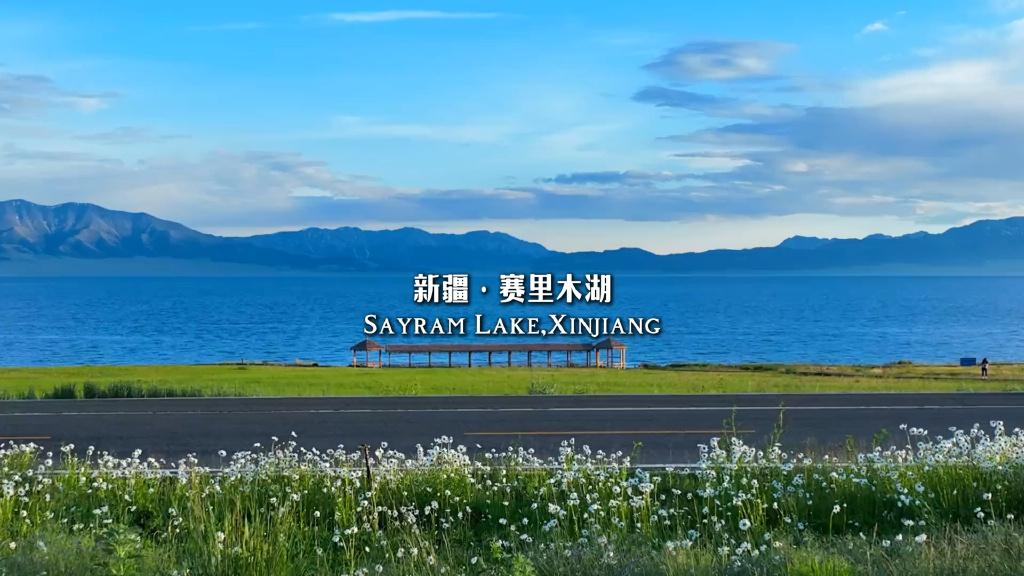
- Day 3: Rest and resupply in Jinghe, then a short ride north to Sayram Lake, around 70 kilometres.
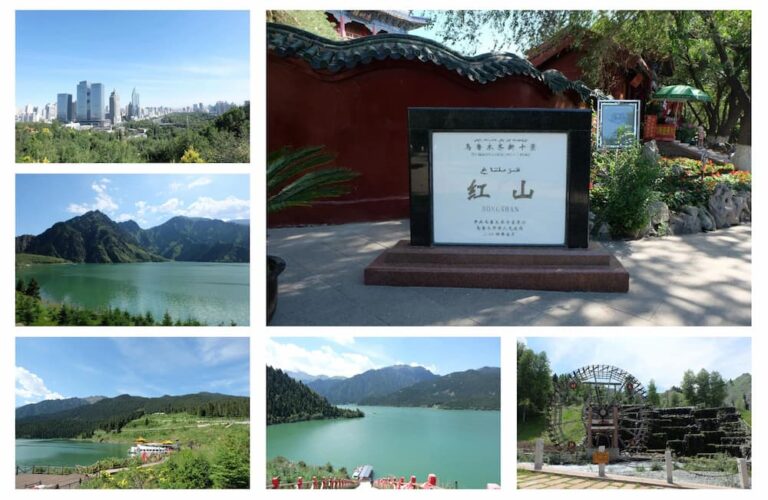
- Day 4: Loop around Sayram Lake, the high alpine lake that sits near 2,000 metres.
- Day 5: Over the Guozigou bridge to Yining, roughly 90 kilometres of rolling road.
- Day 6: Yining to the Nalati grassland, about 250 kilometres if you push, or split into two easier days.
- Day 7 to 9: Link onto the Duku Highway and ride south to Kuqa, the hardest and best three days of the trip.
- Day 10: Recovery day in Kuqa, then train or fly out with your legs reminding you of every pass.
If a full loop feels like too much, the Xinjiang hiking trails around Tianchi and Nalati make a good low-mileage alternative, and the self-drive road trip guide covers the same roads by car if your knees vote against the bike.
FAQ
Is it legal for foreigners to cycle in Xinjiang? Yes. Cycling on public roads is allowed with a valid visa. Just carry your passport and register at hotels as required.
Do I need a special bike? A touring or gravel bike with 35 to 45 mm tyres works best. The S101 and Duku have rough patches where thin road tyres struggle and pinch-flat.
How fit do I need to be? Comfortable doing 80 to 100 kilometres a day with about 1,000 metres of climbing. The Duku passes are the real test, and the descent demands strong brakes.
Can I ship my bike home from Kashgar? Yes, but pack it yourself and use a freight agent in the city; airport boxing services are limited and pricey.
What about the wind? Afternoon gales in the mountain corridors are real and can push a loaded bike sideways. Ride mornings and plan rest by early afternoon.
Do I need a guide? Not for the northern loop, but a local guide helps on the Pamir extension where permit rules and language gaps are bigger.
Disclaimer
This article is based on personal travel experience and publicly available road information current to 2024 to 2026. Road conditions, seasonal closures, permit rules and hotel prices change. Always confirm the latest status with local transport offices and your embassy’s travel advice before setting out, and ride within your ability. The author and publisher are not liable for any incidents arising from following this route.
About the author
Liam Foster is a travel writer who has spent four seasons riding and driving across Xinjiang, from the Altai forests in the north to the Pamir plateau in the west. He prefers slow travel by bike and has contributed route guides to several outdoor publications. He writes about practical, first-hand experience rather than brochure copy.