Published: August 24, 2026 | Author: Karl Huang
You cannot spend more than a week in Xinjiang without realizing that “lamb” here is not one thing. On my first trip north in 2019 I ordered 手抓肉 (hand-pulled boiled mutton) in a Urumqi canteen and thought I knew the taste. Three trips and a great deal of grazing country later, I learned the difference between the two breeds most visitors never hear about: the Altai fat-tailed sheep of the far north and the Bashbai sheep of the Tacheng grasslands. This guide pulls together what I picked up eating my way across both regions, plus the practical bits (where to go, when, what to order) so you can plan a trip around the food instead of stumbling onto it.
Quick reference: Altai fat-tailed sheep vs Bashbai
| Feature | Altai fat-tailed sheep (阿勒泰羊) | Bashbai sheep (巴什拜羊) |
|---|---|---|
| Home region | Altay (Fuhai, Fuyun, Qinghe, Altay City) | Tacheng (Yumin, Tacheng, Emin, Toli, Hoboksar) |
| Appearance | Brown-red coat, huge fat tail/rump (~1/5 of carcass) | Red-brown coat, smaller rump, white blaze on the face |
| Why it tastes good | Walks 500–800 km a year on transhumance; eats wild herbs | Crossed with wild argali; lean meat, low fat, no gamey notes |
| Best eaten as | Whole roast, winter hotpot, crisp tail fat | Spring lamb, quick-fried, plain-boiled with salt |
| Season to try | September–October (after summer grazing) | May–June (spring lamb) and autumn |
| Status | National organic certification since 2008; GI breed | National GI product (2015); Yumin = “China’s Bashbai sheep hometown” |
How I first met the two lambs
The Altai sheep found me in Fuhai County, on the drive up from Karamay. Our host at a roadside yurt yard pulled a cast-iron pot off the stove, lifted the lid, and the whole cabin filled with the smell of nothing but meat and salt. That is the thing about Altai fat-tailed sheep Xinjiang herdsmen serve: they boil it in water, add a pinch of salt, and stop. No cumin, no chili, no marinade. The meat was tender in a way I did not expect from an animal that spends its life walking, and there was a faint sweetness at the back of the tongue that our guide said came from the wild chai hu (柴胡) and milk vetch the flocks graze on the summer pastures.
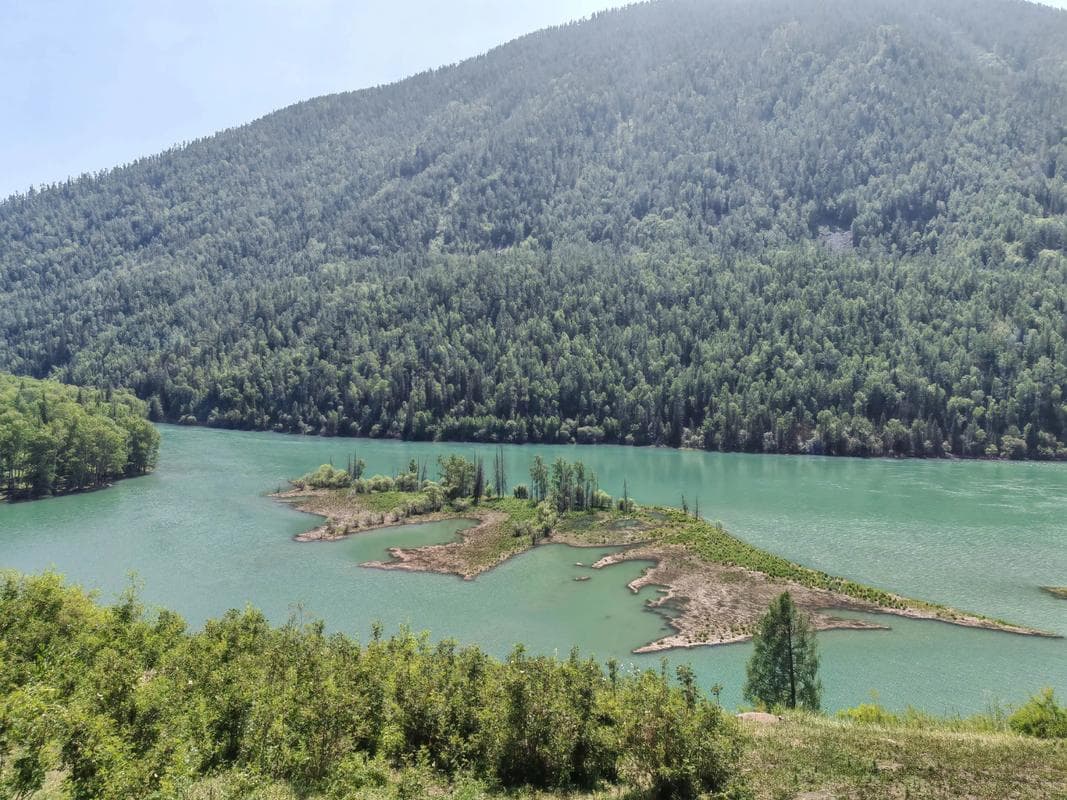
The Bashbai came later, in Yumin County on the Tacheng side, during the May lamb season. A cook at a small halal restaurant seared cubes of spring lamb in a wok with onion and a little pepper and served it before the meat could get tough. I had been told Bashbai lamb has almost no gamy taste, and it was true: the fat was thin, the muscle finely textured, and the broth from a plain boil needed nothing. A local put it plainly: “We don’t hide our lamb under spice, because we don’t have to.”
The two breeds come from opposite breeding stories. The Altai sheep was formally named 阿勒泰羊 by the regional livestock bureau in 1984, though herders had kept the big-tailed animal for well over a thousand years; travellers on the old Silk Road wrote of sheep “as large as donkeys” with tails “wide as basins.” Bashbai is younger and more deliberate: in the early 1900s a Yumin herdsman named Baha Bay noticed that wild argali (盘羊) slipping into his flock produced tougher, faster-growing lambs, and he kept breeding for it. The region named the result after him in 1989. Knowing the backstory changes how you taste the meat: one is an ancient grazing animal, the other a 20th-century improvement project that happened to produce extraordinary lamb.
Where the breeds actually live (and how to get there)
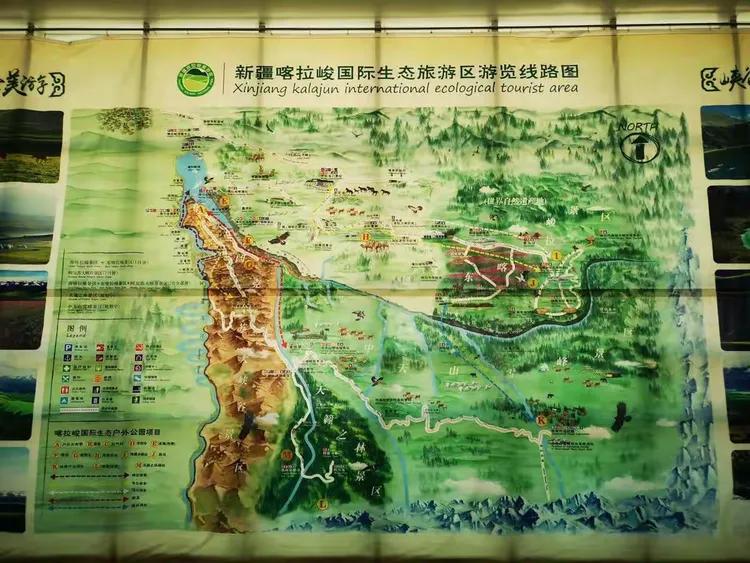
The Altai fat-tailed sheep range across the northern mountains that also hold Kanas Lake. Fuhai, where the breed’s state sheep farm sits, is about a three-hour drive north of Karamay; Altay City is another stretch beyond. The flocks follow the grass up and down the ranges on a yearly loop of 500–800 km, which is why locals call them the “thousand-mile sheep” (千里羊). You will not tour a sheep farm as a sightseeing stop, but the summer pasture towns, the yurt yards along the road, and the autumn “sheep shows” in Altay City are where the breed becomes real.
Time a September trip to Altay City and you may catch that autumn “sheep show,” where herders parade thousands of the fat-tailed animals through the streets and judges pick the heaviest. The record holder topped 170 kg. It sounds like a stunt, but it is the region’s way of showing off the breed, and the surrounding food stalls are a good place to try crisp tail fat and boiled mutton side by side in a single afternoon.
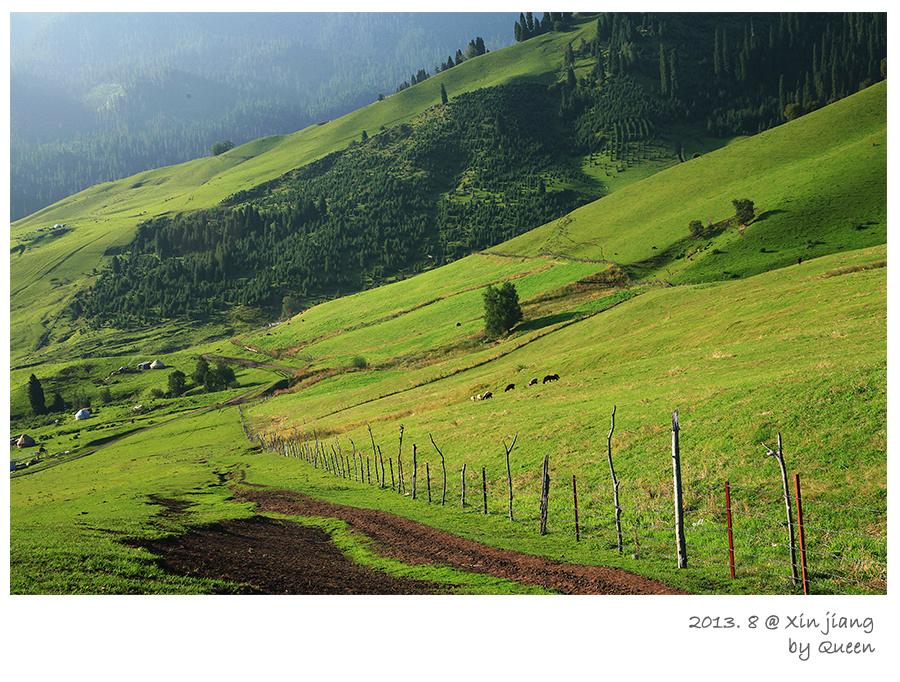
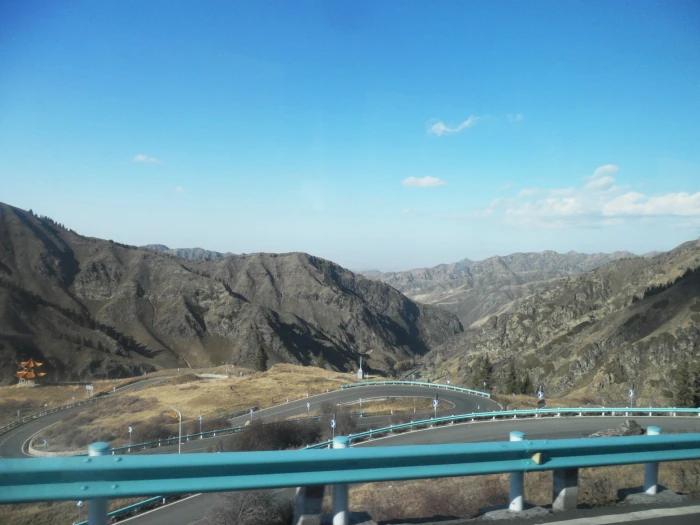
Bashbai country is the Tacheng region in the northwest, against the Kazakh border. Yumin County, branded “China’s Bashbai sheep hometown,” sits below the Baluk (巴尔鲁克) Mountains, and the Kurusitai grassland just east of Tacheng City is open grazing country. Reaching both regions is easiest by self-drive: the roads are good, the distances long, and a car lets you stop at the yurt yards and small-town restaurants where the best meat is served.
Best time to eat Xinjiang lamb
If you want the fat-tailed sheep at its peak, come in autumn. After a summer on the high pastures the animals are fat and flavorful, and the autumn festivals in Altay are built around exactly this. Bashbai is at its best as spring lamb (May–June), when the four-to-five-month-olds are slaughtered at a dressing rate near 56 percent and the meat is at its most delicate; autumn works too. Deep winter is fine for the meat in restaurants, but not for the pasture experience itself.
Where to base yourself
For the Altai side, sleep in Altay City or Fuhai, both with a normal spread of hotels and guesthouses, and make day trips to the pasture towns. For Bashbai, base in Tacheng City (a quiet border town with Russian and Kazakh flavor) or Yumin, where a couple of farmstay-style options open in season. Neither region is overtouristed, which is the point: the good lamb is in the county towns, not the capitals.
What to order
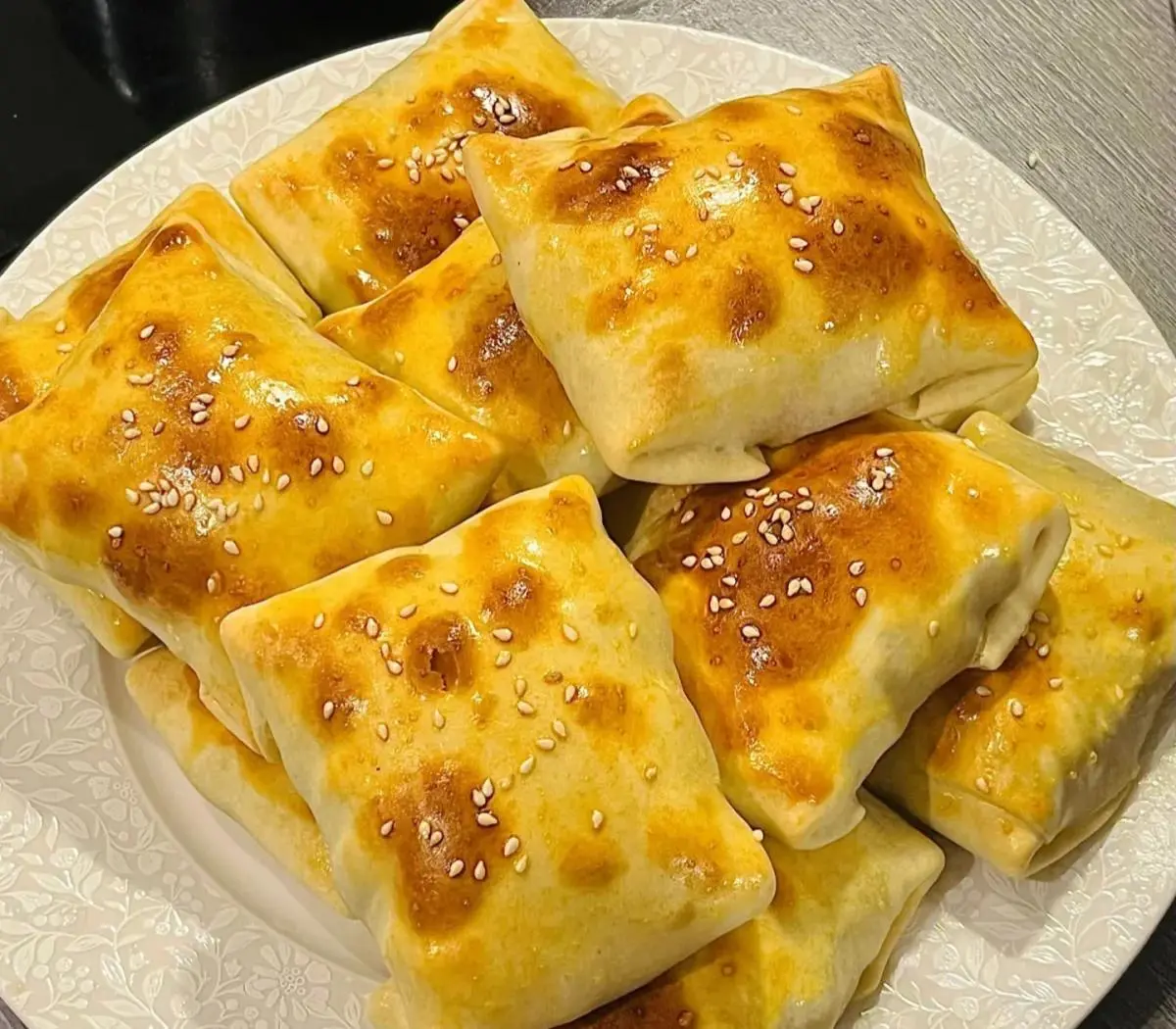
Start with 手抓肉 (boiled mutton with your hands and a knife), the dish that shows the meat honestly. Move to 烤全羊 (whole roast lamb) for a group, or 馕坑肉 (meat roasted in the tandoor) for a single serve with crisp edges. 羊肉串 (skewers) are everywhere but taste very different here from the version in inland China, because the meat is the real thing. In Tacheng, ask for 爆炒羊羔肉 (quick-fried spring lamb) and the local 玛依藿香水油包 if you see it. The universal rule: the plainer the cooking, the more confident the cook is in the breed.
Beyond the headline dishes, look for 羊肉焖饼 (mutton braised with flatbread), 胡尔达克 (a rural stew of potato, onion and lamb), and 羊杂碎 (lamb offal soup) at breakfast counters. In Altay the tail fat itself is rendered until it turns into crisp bites locals call 油渣; it is an acquired taste but worth one try. Whatever you order, ask for it plain first, then add the cumin, chili and salt provided at the table so you can judge the meat on its own before the spice goes on.
Practical tips for ordering lamb
- Look for restaurants packed with locals at 14:00 and 21:00; that is the only quality signal you need.
- Plain-boiled is the test. If a place pushes heavy spice on lamb, it may be covering a weaker animal.
- Prices run by the jin (500 g); a good plate of hand-pulled mutton is not cheap but feeds two.
- Everything is halal, and alcohol is not served at most lamb houses; food markets are the place to see the full range of cuts.
- If you don’t speak the language, point at a neighbor’s plate or read our notes on ordering food without speaking Chinese.
A five-day lamb loop: Altay to Tacheng
Day 1: Fly or drive to Altay City; dinner of boiled fat-tailed mutton. Day 2: Fuhai pasture towns and a yurt-yard lunch. Day 3: Long drive south to Karamay, then west toward Tacheng (break the drive in Urho or Shihezi). Day 4: Tacheng City and the Kurusitai grassland; try Bashbai spring lamb if in season. Day 5: Yumin County below the Baluk Mountains, then back to Urumqi by air or a final drive. Six to seven days lets you add Kanas on the north end.
FAQ
Are Altai fat-tailed sheep and Bashbai the same animal?
No. The Altai breed is a large fat-rumped northern sheep prized for rich meat and tail fat; Bashbai is a leaner, milder Tacheng breed developed by crossing local sheep with wild argali.
Is Xinjiang lamb really without gamy taste?
The famous breeds mostly are, especially Bashbai, known for low fat and almost no gamey notes. Altai meat is richer and a touch fattier but still clean-tasting when raised on wild herbs, as it usually is.
Can I visit a farm?
Dedicated farm tours are rare, but pasture-town yurt yards and the autumn sheep events in Altay welcome visitors, and roadside stops across both regions serve the meat fresh.
What about cost and halal rules?
Expect to pay for quality; a shared boiled-mutton plate covers two. All venues are halal, so no pork and usually no alcohol on site.
Disclaimer: Breed details, GI status, and seasonal windows above come from regional agricultural bulletins and our own visits; farm access and festival dates change year to year, so confirm with a local tourism office before building a trip around a specific event. This article is travel guidance, not a veterinary or commercial source, and we were not paid to recommend any restaurant or brand.
About the author
Karl Huang is a travel writer focused on Xinjiang and western China. He has driven and ridden buses across most of the region’s prefectures, eaten lamb in both the Altay and Tacheng grasslands, and writes from first-hand visits rather than second-hand summaries. Questions or corrections are welcome through the site’s contact page.