Published: July 21, 2026 | Author: Liam Foster
Why you can trust this Xinjiang self drive guide
A useful Xinjiang self drive guide has to do more than list pretty places. The region covers about one sixth of China’s landmass, the gaps between landmarks often run into the hundreds of kilometres, and the rules about who can legally sit behind the wheel are nothing like what most foreign visitors expect. I have crossed Xinjiang by road three times since 2021, once as a passenger in a hired 4×4 and twice riding shotgun while a licensed local drove, and I have planned routes for friends who drove themselves on Chinese licences. This guide pulls together what actually works on the ground: which roads close in October, where the fuel runs out, and the one permit question that catches almost everyone.
Everything below comes from those trips and from talking to drivers who do these routes weekly. Where something depends on the season or on rules that change, I say so plainly rather than promising a smooth ride that the calendar might not allow.
Quick reference
| Distance Urumqi → Kashgar | ~1,470 km (G30 + G3012), normally 2 driving days |
|---|---|
| Duku Highway (G217) | 561 km, Dushanzi → Kuqa, open roughly June 1 – late Sept |
| Foreign licence valid? | No. Hire a car with a licensed Chinese driver (北车 / 代驶) |
| Best window | June – September for full access; May & October for fewer crowds |
| Car + driver cost | ~¥600–1,000 per day for an SUV, fuel extra |
| Navigation | Amap (高德) or Baidu Maps; download offline maps first |
| Fuel spacing | Every town in the north; 150–250 km gaps in the south desert |
What self-drive really means in Xinjiang
The first thing to clear up: China does not recognise the International Driving Permit, and a foreign licence alone will not let you rent a car here. Almost every overseas visitor who “drives Xinjiang” actually hires a vehicle with a local driver, or joins a convoy tour where a lead car sets the pace. That arrangement is not a compromise. The driver handles the checkpoints, the fuel runs, and the long empty stretches where your phone signal disappears, and you get the window seat for the scenery. Domestic travellers holding a Chinese licence can rent and drive themselves, and the rental market in Urumqi and Yining is well stocked with compact cars and SUVs.
On my first trip we booked a Toyota Land Cruiser with a driver out of Urumqi for nine days. The daily rate covered the vehicle and his time; diesel was on us. It worked out cheaper and far less stressful than I had feared, and it meant we could stop at a roadside melon stand outside Turpan without anyone worrying about a missed hotel booking.
Getting around: roads, rentals and checkpoints
Xinjiang’s backbone is the G30 Lianyungang–Khorgos Expressway, which runs clear across the north from Hami to the Kazakh border. It is fast, tolled, and limited to 120 km/h with frequent speed cameras, so set your cruise control and resist the urge to make up time. South of the Tianshan the G3012 arcs around the Tarim Basin and connects Aksu, Kashgar and Korla.
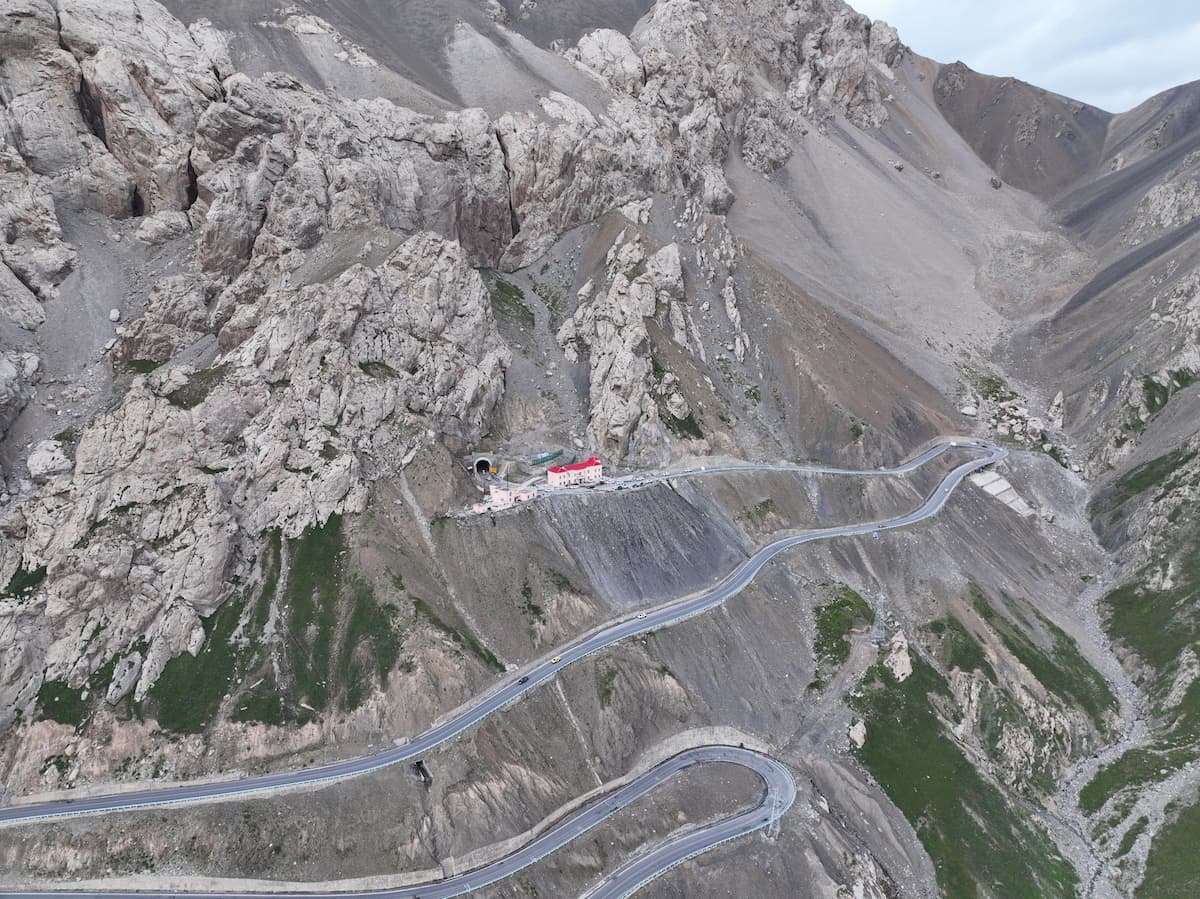
The road everyone asks about is the Duku Highway (G217). At 561 km it links Dushanzi in the north to Kuqa in the south, slicing straight through the Tianshan instead of forcing a detour around it. It usually opens around June 1 and closes with the first heavy snow, sometimes as early as late September at the high passes. When it is open it turns a full-day slog into a single unforgettable drive past snow fields, red gorges and Kazakh yurts. Dushanzi Grand Canyon sits right at its northern end, and the Kuqa Grand Canyon waits at the southern exit.
Checkpoints are normal, especially heading south and anywhere near a border. Police scan passports at fixed points; keep yours, your permit and your hotel registration slip in the same easy pocket. Cameras and flag-down stops are not a sign of danger, just routine administration on a sensitive frontier.
Best time to take a Xinjiang road trip
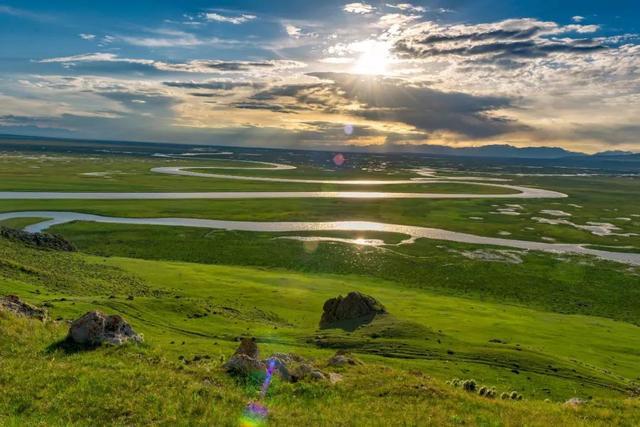
For the fullest experience, aim for June through September. That is the only window when the Duku and the other high Tianshan passes are open, the grasslands are green, and Sayram Lake is thawed. July and August are peak season: expect full hotels in Kanas and Ili and busy roads on weekends.
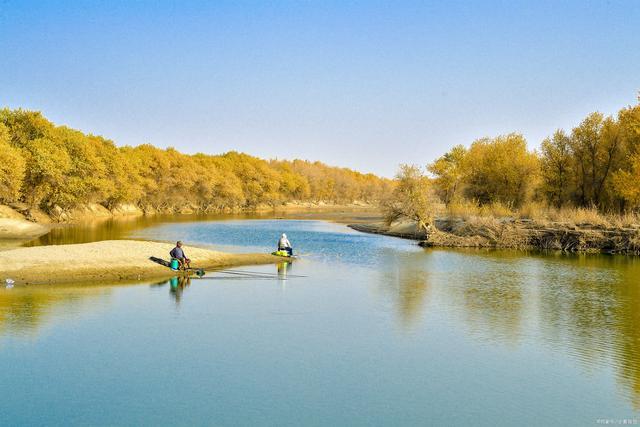
May and October are my personal favourites. Crowds thin out, hotel prices drop, and in late October the Tarim poplar forests turn the desert gold. The trade-off is that some high passes can close on short notice once night temperatures fall. November to April is winter: only the low routes stay open, snow chains become mandatory in the north, and most scenic side roads shut. Our winter travel guide covers what is still reachable.
Where to sleep on a driving route
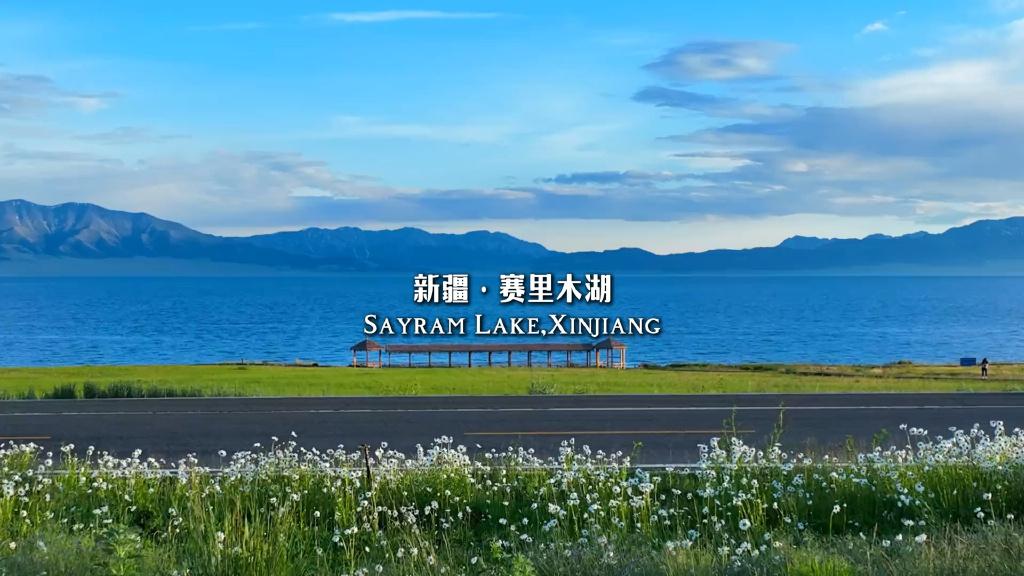
Plan overnight stops around the towns, not the sights. Urumqi, Korla, Aksu, Kashgar and Yining all have reliable mid-range hotels in the ¥200–400 range, and booking ahead in July and August is essential. Out along the Duku or near the lakes your options narrow to yurt stays and basic guesthouses; a yurt by Sayram Lake runs about ¥150–300 and gets cold at night even in summer, so pack a layer you can sleep in.
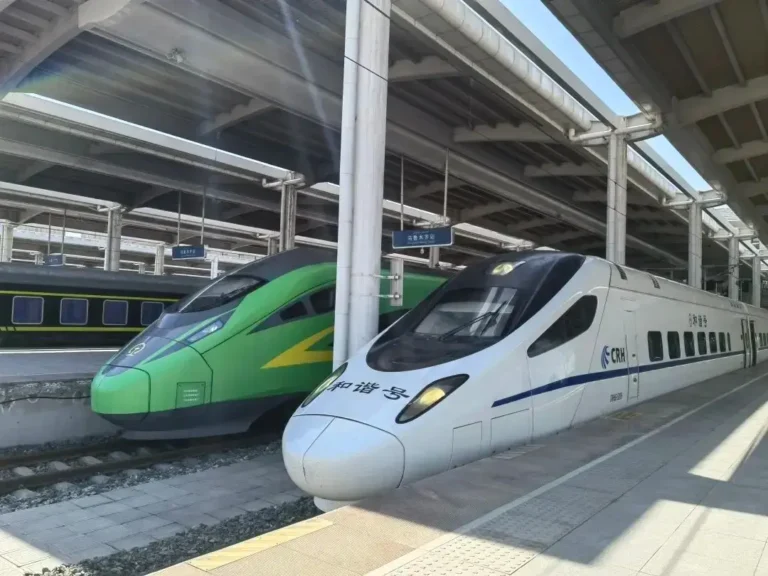
If you are doing a loop that returns to Urumqi, consider flying or taking the high-speed train back on one leg rather than driving both ways. The high-speed rail network now reaches most major cities, and renting a car at your destination gives you the same freedom without three straight days behind the wheel.
Eating on the road
Road food in Xinjiang is a highlight, not a fallback. Every county town has a banmian (hand-pulled noodle) house where a filling bowl costs ¥18–25, and the night markets in Kashgar and Yining are worth building a day around. Keep a stash of naan and dried fruit in the car; the gaps between services in the south can be long, and a roadside kawap (mutton skewer) stand is not guaranteed at the hour you get hungry. Carry some cash too. Cards and Alipay work in the cities, but a remote fuel pump may only take cash, and you do not want to discover that on empty.
Practical tips before you turn the key
- Fuel discipline. Top up at every town in the south. The Taklamakan’s edge towns are spaced 150–250 km apart, and a low tank plus a closed station is the fastest way to ruin a day.
- Offline maps. Download Amap or Baidu regions before you leave the city. Signal vanishes for long stretches, and Google Maps is unreliable inside China.
- Watch the limits. Speed cameras are dense and fines are real. Expressway 120, national highway 80, town centres 40–60. Tired? Swap with your driver or stop; the distances are no joke.
- Permits. To go past Kashgar toward Tashkurgan on the Pamir you need a border permit (边防证). Arrange it in Kashgar with your passport; your driver will know the office.
- Right-hand driving, no U-turns on the expressway, and mind the wind. The corridors east of Alashankou and along the G30 can gust hard enough to push a high vehicle.
A realistic 9-day driving loop
This is the route our driver took us on, north to south, and it hits the headline sights without impossible daily mileage.
- Day 1 – Urumqi. Pick up the car, visit Tianchi Lake as a day trip, rest.
- Day 2 – Urumqi to Dushanzi (~250 km on G30). Walk the Grand Canyon at the Duku’s northern gate.
- Day 3 – Dushanzi to Kuqa via the Duku Highway (561 km, full scenic day). Sleep in Kuqa.
- Day 4 – Kuqa. Kizil Grottoes and the red Grand Canyon, both an easy drive out of town.
- Day 5 – Kuqa to Kashgar (~460 km on G3012). Long but straight.
- Day 6 – Kashgar. Old city, Sunday market, Id Kah Mosque.
- Day 7 – Kashgar to Tashkurgan (G314, permit required). Overnight near Karakul Lake.
- Day 8 – Tashkurgan back to Kashgar. Slower return, photo stops at Baisha Lake.
- Day 9 – Fly or take the train north from Kashgar rather than driving the 1,470 km back in one push.
One update that outdates most road-trip advice written before this season: the northern third of the G217 now runs on a free advance booking system. We cover the gates, time slots and penalties in the Duku Highway driving guide, along with the route broken down stretch by stretch.
Frequently asked questions
Can foreigners legally self-drive in Xinjiang?
Not on a foreign or international licence. You hire a car with a licensed Chinese driver, which is the standard arrangement for overseas visitors and removes most of the paperwork and checkpoint hassle.
Do I need a permit to drive the Duku Highway?
No permit for the Duku itself. You only need the border permit (边防证) if you continue past Kashgar toward Tashkurgan and the Pamir.
Is it safe to drive here?
The roads are in good condition and millions of travellers drive them yearly. The real risks are fatigue on long stretches, speed cameras, and seasonal closures, not personal security. Share driving if you can and start early.
What kind of car should I rent?
A comfortable SUV is the sweet spot. The paved highways do not need 4WD, but an SUV gives ground clearance for the occasional gravel access road to a lake or yurt, and a softer ride on long days.
When does the Duku actually open?
Typically June 1, sometimes a few days later if snow lingers, closing with the first heavy autumn snow. Check the local traffic bureau announcement before you build your dates around it.
Disclaimer
This guide reflects road conditions, costs and regulations observed between 2021 and 2025, including seasonal opening dates and permit rules that change from year to year. Fuel prices, hotel rates, the Duku Highway’s exact opening day, and border-permit procedures can all shift without notice. Always confirm current details with official sources, your rental company, and local traffic authorities before travelling, and treat nothing here as legal advice. Foreign visitors must follow Chinese licensing and visa rules at all times.
About the author
Liam Foster is a travel writer who has covered China’s northwest since 2021. He has crossed Xinjiang by road on three separate trips, hired local drivers across the Tianshan and the Pamir, and prefers county-town noodle houses to hotel buffets. His work focuses on practical, first-hand guidance for independent travellers, with an emphasis on honest route planning rather than highlight reels.