Published: July 21, 2026 | Author: Liam Foster
The first time I seriously looked into a Taklamakan camel trek, I was drinking brick tea in a Minfeng teahouse, watching a herder load two Bactrian camels with rolled tents and plastic water cans. The Taklamakan is China’s largest shifting-sand desert and the second largest on earth, and people here still call it the “Sea of Death.” Crossing it on a camel sounds like something from the age of Sven Hedin. In truth, full interior crossings are no longer something a traveler can book. But camel treks along the desert’s edge are real, and I have done one. This guide explains what is actually possible in 2026, what it costs, and where the romance meets the road.
Why you can trust this Taklamakan camel trek guide
I am not writing from a desk. I have spent the better part of a decade moving through southern Xinjiang, and in late October 2024 I joined a two-day camel trek out of Minfeng County with a local guide named Perhat. Everything below comes from that trip and from talks with drivers who work the desert fringe between Minfeng, Yutian, and Qiemo. When I tell you something is not currently on offer, it is because I asked the people who live there, not because I read it in a brochure.
| At a glance | Detail |
|---|---|
| Desert size | About 337,000 km²; China’s largest expanse of moving sand |
| What you can book | Edge-of-desert and oasis-loop camel treks; multi-day interior crossings are not commercially offered |
| Best months | October to early November, and late March to April |
| Typical price | ¥600–1,200 per person per day with guide, camels, and meals |
| Nearest railway | Minfeng Station on the Hotan–Ruoqiang line (opened 2022) |
| Nearest airports | Hotan (HTN) and Qiemo (IQM) |
| Permits | Edge treks need none; the deep interior is restricted land |
What a real Taklamakan camel trek feels like
Perhat met me at Minfeng Station at eight in the morning. We drove forty minutes south to a herder camp where two camels waited, already kneeling in the sand. The first thing you learn is how a Bactrian camel stands: it unfolds its back legs first, then the front, and you slide forward hard as it rises. By noon my thighs were complaining, and we had covered maybe nine kilometers.
We camped that night beside a thin row of old poplars, the kind of windbreak that marks where someone once tried to hold the sand back. Perhat’s brother brought a pot of laghman and a thermos of salty milk tea. The temperature dropped to about 4°C after dark, and the wind never fully stopped. I slept in a tent with my coat zipped over my sleeping bag. It was uncomfortable in the best way.
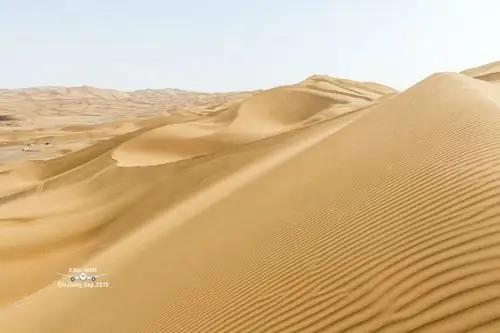
The next morning we rode out to the open dunes. What surprised me was the silence. No engine, no phone signal, just the soft thud of padded feet and the wind moving sand. If that is the part you came for, the edge treks deliver it without the weeks of supply hauling a true crossing would demand.
How to get to the Taklamakan’s edge
Most camel treks launch from three southern oasis towns: Minfeng, Yutian, and Qiemo. The Hotan–Ruoqiang Railway, finished in 2022, put Minfeng and Qiemo on a train line, so you can reach the desert fringe by high-speed and conventional rail from Hotan or Korla. Flights run to Hotan and Qiemo if you are short on time. From any of these towns, a licensed outfitter drives you to the launch point; you do not simply walk into the dunes from the station.
The famous Tarim Desert Highway cuts north–south through the middle of the Taklamakan, but it is a paved road for vehicles, not a camel route. I have written about the desert-edge towns themselves in more detail in my Minfeng travel guide and the Yutian oasis guide.
Best time for a Taklamakan camel trek
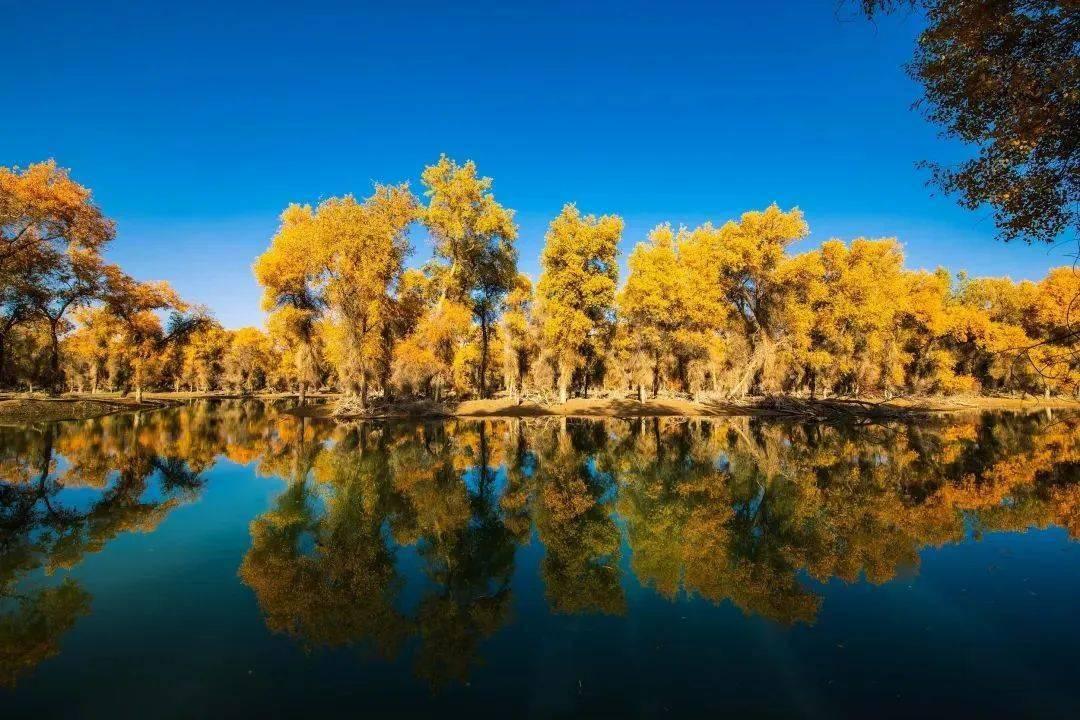
October and early November are the sweet spot. The heat is gone, the light is low and gold, and the old poplars along the oasis edges turn yellow. I went in late October and the days sat around 18°C, dropping near freezing at night. Late March and April work too, once the worst of the spring wind settles. Avoid summer entirely; daytime temperatures on the open sand pass 40°C, and the sand itself will burn through a boot sole. The deep winter is raw and the winds are mean.
For the broader picture on weather windows across the region, my 20 things to know before you go covers what to expect month by month.
Where to stay
In Minfeng or Qiemo you will find basic hotels from about ¥120 to ¥260 a night, clean enough and with hot water in the newer builds. On the trek itself you sleep in a tent or a herder’s yurt; there is no hotel in the sand. Perhat’s camp had a yurt with a wood stove that took the edge off the night. Book your town hotel the day before and confirm your outfitter pickup time, because mobile coverage thins out fast once you leave the oasis.
Food on the trail
Do not expect a menu. Perhat’s wife packed naan, cold laghman, dried apricots, and a vacuum flask of milk tea for the first day, then cooked a pot of shorpa (mutton soup) over a small fire at camp. Camel meat is not on the table; the animals are working stock, not dinner. Carry your own water beyond what the outfitter provides, at least three liters a day, because the only water out there is what you bring.
Practical tips before you set out
- Book through a licensed outfitter in Minfeng, Yutian, or Qiemo. Walk-up “treks” offered at random roadside stops are unregulated and unsafe.
- Pack for a 20°C swing. Light layers for the day, a real warm coat for the night, plus a windproof shell.
- Sun protection is non-negotiable: a full brim hat, sunglasses, and high-SPF cream. The reflected light off white sand is brutal.
- Tell your hotel and the outfitter your exact route and return time. There is no signal deep in the dunes.
- Respect the land. The Taklamakan holds lost cities like Loulan and fragile archaeology; do not dig or remove anything.
A sample two-day Taklamakan camel trek
This is the shape of the trip I did, run from Minfeng:
Day 1. Morning pickup from Minfeng Station, 40-minute drive to the herder camp, meet the camels, and a four to five hour ride to a poplar-line campsite. Evening shorpa by the fire, night in a tent or yurt.
Day 2. Dawn ride out to the open dunes for photos in the low light, a slow return along the oasis edge, and a mid-afternoon drop back in town. Total riding time around seven hours spread across two days. Longer three and four day loops exist for those who want more distance, but they cost more and demand better fitness.
Frequently asked questions
Can I cross the entire Taklamakan by camel? Not as a tourist. The interior is waterless for hundreds of kilometers and includes restricted zones. What outfitters sell are edge and oasis-loop treks, which capture the desert experience without the lethal logistics of a full crossing.
Is it safe? Edge treks with a licensed guide are reasonably safe. The dangers are heat, dehydration, and getting lost, all manageable with a proper outfitter. Going alone or with an unlicensed operator is how people get into trouble.
How fit do I need to be? Moderate. You sit on the camel rather than walk, but mounting, dismounting, and a cold night in a tent take a toll. If you can handle a long day outdoors, you can handle this.
What about the Lop Nur side? That western end of the basin is a closed area tied to the old Lop Nur site. Treks do not run there. Base yourself on the southern oasis towns instead, as I describe in the Ruoqiang gateway guide.
Disclaimer
This article is based on the author’s personal experience and research at the time of writing (October 2024 and follow-up checks in 2026). Outfitter availability, prices, and access rules for desert-edge treks can change, and parts of the Taklamakan are restricted for environmental and security reasons. Always confirm current conditions with a licensed local operator and follow official guidance before making any travel or booking decision. Nothing here is a substitute for professional advice.
About the author. Liam Foster is a travel writer who has covered Xinjiang for more than ten years, with a focus on the southern Tarim Basin and its oasis towns. He prefers slow, first-person reporting over secondhand summaries, and his work has appeared in regional travel outlets across Asia.