Published: July 20, 2026 | Author: Liam Foster
Why you can trust this Loulan Ancient City guide
Most travel blogs treat Loulan Ancient City as just another photo stop. It isn’t, and pretending otherwise helps nobody. The real site sits inside a closed archaeological reserve in the middle of the Taklamakan Desert, and independent tourists are not allowed through the gate. I found that out the hard way on my second trip to southern Xinjiang, and this guide is built around what you can actually do and what you legally cannot. Everything below comes from standing in front of the Loulan Beauty mummy in Urumqi, from a long afternoon with a heritage guide in Korla, and from the published field records of the archaeologists who work this corner of the Tarim Basin.
Quick reference
| Location | Lop Nur basin, Ruoqiang County (Charklik), Bayingolin Prefecture |
| Peak era | 2nd century BCE – 4th century CE (Han to Jin dynasties) |
| Distance from Korla | Approx. 300 km by desert track |
| Open to tourists? | No – protected site, special permits only |
| Best gateway towns | Korla (north) and Ruoqiang / Charklik (south) |
| Where to see relics | Xinjiang Regional Museum (Urumqi), Korla Museum |
| Best season to visit the region | September–October and April–May |
What was the Loulan Ancient City?
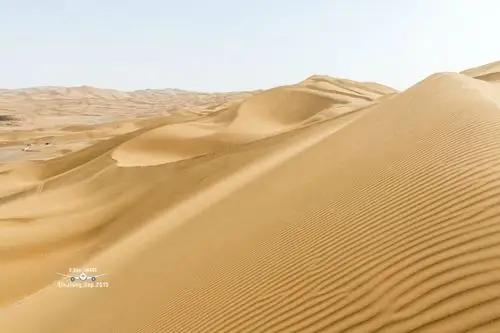
The Loulan Ancient City was the capital of a small but strategically placed oasis kingdom that guarded a bend of the northern Silk Road route between roughly the 2nd century BCE and the 4th century CE. At its height it sat beside Lop Nur, then a sizeable freshwater lake fed by the Tarim, Kongque and Che’erchen rivers. Caravans moving from Dunhuang toward Kashgar stopped there for water and rest. When we stood in front of the regional museum map in Urumqi, the logic was obvious: whoever held Loulan held the short cut across the desert, and the short cut was worth fighting for.
The kingdom shows up in Chinese records as a vassal during the Han dynasty, pays tributary visits to the court, and slips out of the histories by the 300s. The monk Faxian passed through the area around 399–400 CE and already described it as empty and haunted by sand. Whatever the cause, the oasis dried and the city was left to the wind.
My experience at the edge of the lost kingdom
I first came to Xinjiang chasing the Loulan story in the autumn of 2022. The part I could actually reach was the museum. The Loulan Beauty, the well-known mummy, was laid out in the archaeology hall behind glass, her reddish hair still attached, her face calm after roughly 3,800 years in the salt-dried soil. A guard told me she was found in 1980 by the archaeologist Mu Shunying near the bed of the old Lop Nur lake, about 200 km west of the town ruins. One detail most articles get wrong: she is older than the kingdom itself by almost two thousand years, so calling her a “Loulan queen” is convenient fiction, not history.
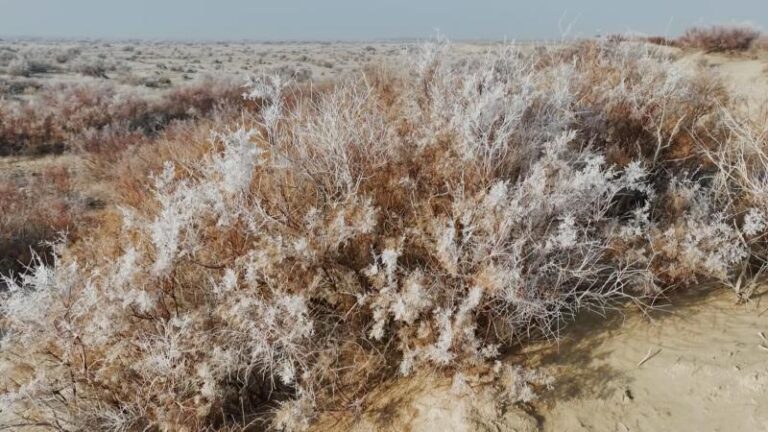
The following spring I flew to Korla and hired a guide who had worked supply runs toward the Lop Nur periphery. We drove south past the last poplar groves and onto the yardang plain, where the wind has carved the clay into ridges that look like a flooded city seen from above. At a checkpoint a ranger waved us off: no permit, no entry. We turned back with photographs of the terrain and a real sense of why the place stays closed. Loulan is fragile, looted in the past, and still being studied. That closure is the right call, and I say that as someone who wanted in.
How to get to the Loulan region
You cannot drive to the ruins, but you can reach the two towns that bracket them.
- Fly to Korla (KRL). Direct flights run from Urumqi, Xi’an and Chengdu. This is the comfortable base, with hotels, car hire and the Korla Museum.
- Fly or take the train to Ruoqiang (Charklik). The train from Korla is slow but scenic; the airport handles a few regional flights. Ruoqiang is the southern gateway and the administrative seat closest to Lop Nur.
- Overland from Urumqi. The high-speed rail gets you to Korla in a few hours, then a hired 4×4 covers the desert approach. Fuel up and carry water; the last reliable station is in Korla.
When to go
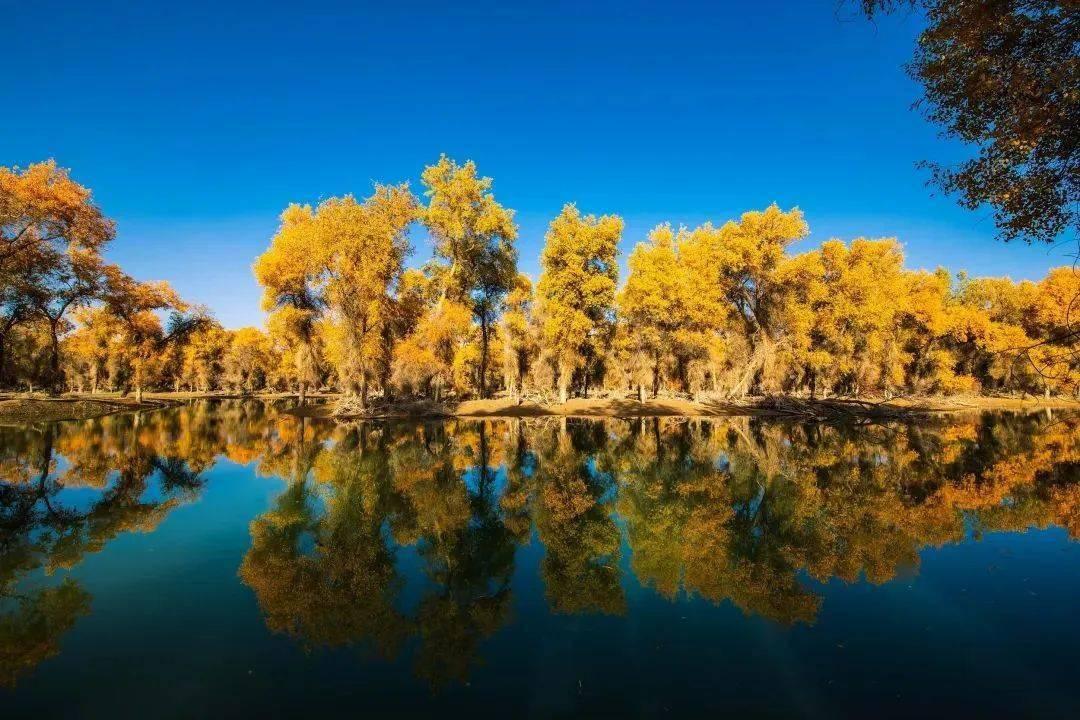
The desert interior swings between two extremes. Summer (June to August) regularly tops 40°C and the glare off the sand is punishing. Winter drops below freezing at night. The windows that make the gateway towns pleasant are late September to October and April to mid-May. Autumn is the better of the two: the poplar forests (huangyang) along the rivers turn gold, and the light on the yardang fields is flat and photographic. If your real goal is the museum in Urumqi, any season works.
Where to stay
Korla is the easy choice. As the prefecture capital it has everything from international-chain hotels near the Peacock River to clean budget guesthouses by the long-distance bus station. Book ahead during the October National Day week, when rooms tighten across the south. Ruoqiang has fewer options but perfectly good mid-range hotels; treat it as a one-night stop before heading further west toward Hotan or north back to Korla. Do not plan to sleep anywhere near the Loulan site itself — there is nothing there but Rangers’ posts and the desert.
What to eat
Korla punches above its size for food. The local xiangli pear (Korla pear) is the town’s claim to fame and worth a bagful in autumn. Around the night market I ate hand-pulled laghman with a tomato-and-mutton sauce, mounds of polo (pilaf) crowned with a braised chicken leg, and grilled fish pulled from the Tarim and Bosten systems. Flat naan from the corner tandoor costs almost nothing and keeps for a day in the dry air, which matters when your next meal might be a long drive away. In Ruoqiang the Uyghur canteens serve the same staples; ask for the day’s soup and you’ll eat what the town eats.
Practical tips
- Drop the idea of “visiting the ruins.” Entry needs a special archaeological or research permit arranged through official channels months ahead. A tourist visa and a guide will not get you past the ranger.
- See the real thing in a museum. The Loulan Beauty and related finds are held in Urumqi; smaller displays sit in Korla. Call ahead — the mummy rotates off display for conservation.
- Carry fuel, water and a sat phone. South of Korla the mobile signal thins out fast. A licensed local driver is not a luxury here, it is the plan.
- Respect the closure. The site was heavily looted by early 20th-century expeditions (Sven Hedin “rediscovered” it in 1900; Aurel Stein removed manuscripts now in London and New Delhi). What remains is thin. Don’t add to the damage by pushing past a fence.
- Photograph the surroundings, not the forbidden. The yardang fields and poplar belts are open and spectacular. The Xinjiang photography guide covers light and timing for exactly this kind of terrain.
A realistic 4-day plan (museums and gateway, no trespass)
Day 1 – Urumqi. Xinjiang Regional Museum for the Loulan Beauty and the Silk Road halls, then the International Bazaar for context and food. Overnight Urumqi.
Day 2 – Korla. Morning rail or flight south. Afternoon at the Korla Museum and a walk along the Peacock River. Overnight Korla.
Day 3 – Desert edge. Hire a licensed 4×4 and drive south toward the Taklamakan and Lop Nur periphery. View the yardang fields from permitted ground, photograph the poplars, turn back before the checkpoint. Overnight Korla.
Day 4 – Ruoqiang. Train or drive south to the oasis town, walk the local market, and decide whether to continue west to Hotan or loop back north. This is as close as a regular traveler gets, and it is closer than most people manage.
Frequently asked questions
Can I visit the Loulan Ancient City?
Not independently. The site is a protected archaeological reserve. Access is granted only through special permits for research or officially sanctioned expeditions, arranged well in advance. Plan your trip around the museums and the gateway towns instead.
Where can I see Loulan artifacts?
The Xinjiang Regional Museum in Urumqi holds the headline pieces, including the Loulan Beauty mummy. The Korla Museum has regional finds. Confirm display status by phone before you travel, since delicate items rotate off view.
How old is the Loulan Beauty?
Roughly 3,800 years, based on radiocarbon work. That places her in the Bronze Age, well before the historical Loulan Kingdom of Han and Jin times. She is a window onto the region’s earliest settlers, not a ruler of the city.
How do I reach the area?
Fly or take the train to Korla, then continue south by road to Ruoqiang. From either town you can arrange desert-edge day trips with a licensed driver.
Is the region safe to travel?
The gateway towns are normal, busy places. The risk is the empty desert itself: heat, distance and no signal. Go with a prepared driver, full fuel and plenty of water, and stay inside permitted areas.
Disclaimer
This article is based on the author’s travel in Xinjiang, published archaeological records and conversations with local guides. Historical dates and access rules change, and the Loulan reserve’s permit policy in particular shifts without notice. Nothing here is official legal or visa advice. Always confirm current entry requirements, site status and road conditions through the relevant Chinese authorities or a licensed tour operator before you travel. The author and publisher are not responsible for any attempt to enter restricted areas.
About the author
Liam Foster is a travel writer based in northwest China who has spent six field seasons documenting the Silk Road corridors of Xinjiang, from the museum halls of Urumqi to the desert margins of the Tarim Basin. He prefers first-hand reporting over second-hand summaries and has filed guides on Korla, the Taklamakan gateway towns and the region’s museums. When he is not on the road he edits a small newsletter for independent travelers heading into China’s far west.