Published: August 24, 2026 | Author: Karl Huang
On my first two drives down the southern Tarim loop I treated Qiemo (Cherchen) as nothing more than a fuel stop on the G315. The third time I planned the whole week around actually reaching Qiemo Cherchen county, and it became one of the most memorable stops on the route. This guide is built from those three trips, plus the notes I wish I had packed before the first one. I have walked the riverbank poplar belt, eaten more red dates than is reasonable, and watched a sandstorm swallow the Kunlun range in under an hour.
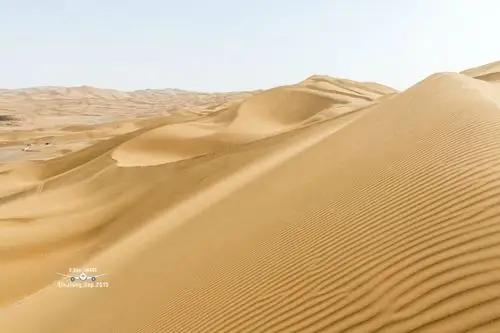
Qiemo is not a place you stumble into by accident. It is the second-largest county by area in China, roughly 138,600 square kilometres, yet home to only about 70,000 people. It sits on the southeastern rim of the Tarim Basin where the Kunlun and Altun ranges fall away into the Taklamakan. The draw is precisely that remoteness, and getting there is the trip. That is why this article concentrates on the approach: the desert roads, the new railway, and the small airport that finally broke the county’s long isolation.
Quick reference: Qiemo Cherchen county at a glance
| Item | Detail |
|---|---|
| Where | Southeast Tarim Basin, Bayingolin Prefecture, Xinjiang |
| Area | ~138,600 km² (China’s second-largest county) |
| Population | ~70,000, mostly Uyghur and Han |
| Lifeline | Cherchen River (车尔臣河), 813 km, fed by Kunlun snowmelt |
| By road | G315 highway; desert highways to Tazhong and Yuli |
| By rail | Hotan-Ruoqiang railway (opened 2022) |
| By air | Yudu Airport (IQM), flights to Korla, Urumqi, Hotan |
| Best months | April to May, September to October |
| Neighbours | Ruoqiang (east), Minfeng (west), Yutian (south) |
Why we kept returning to the desert edge
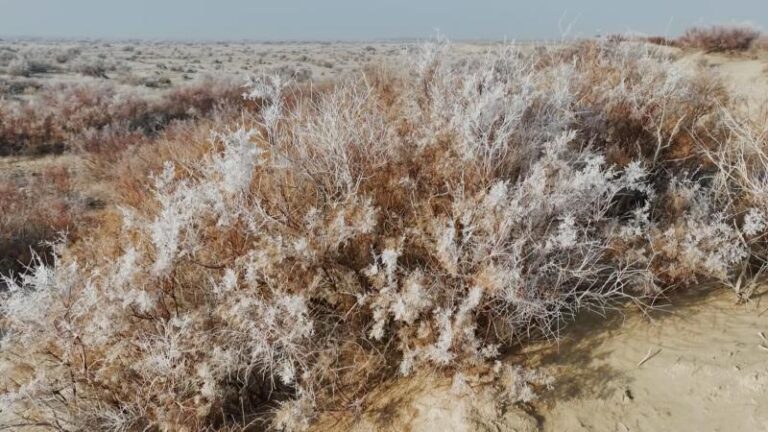
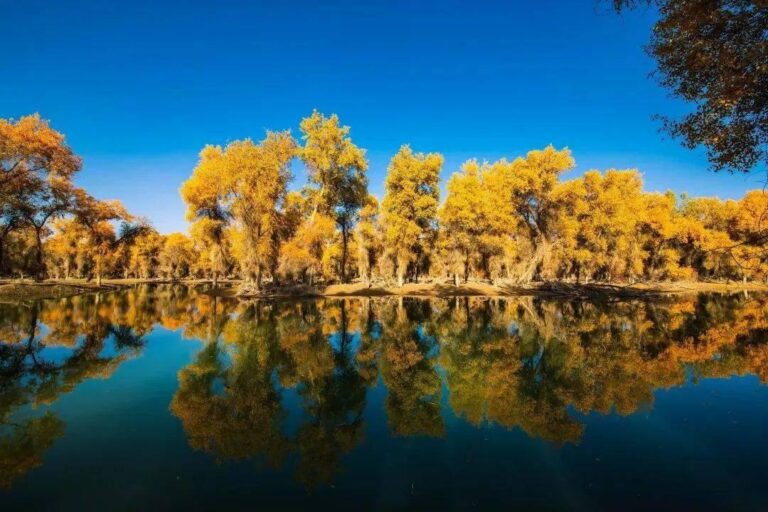
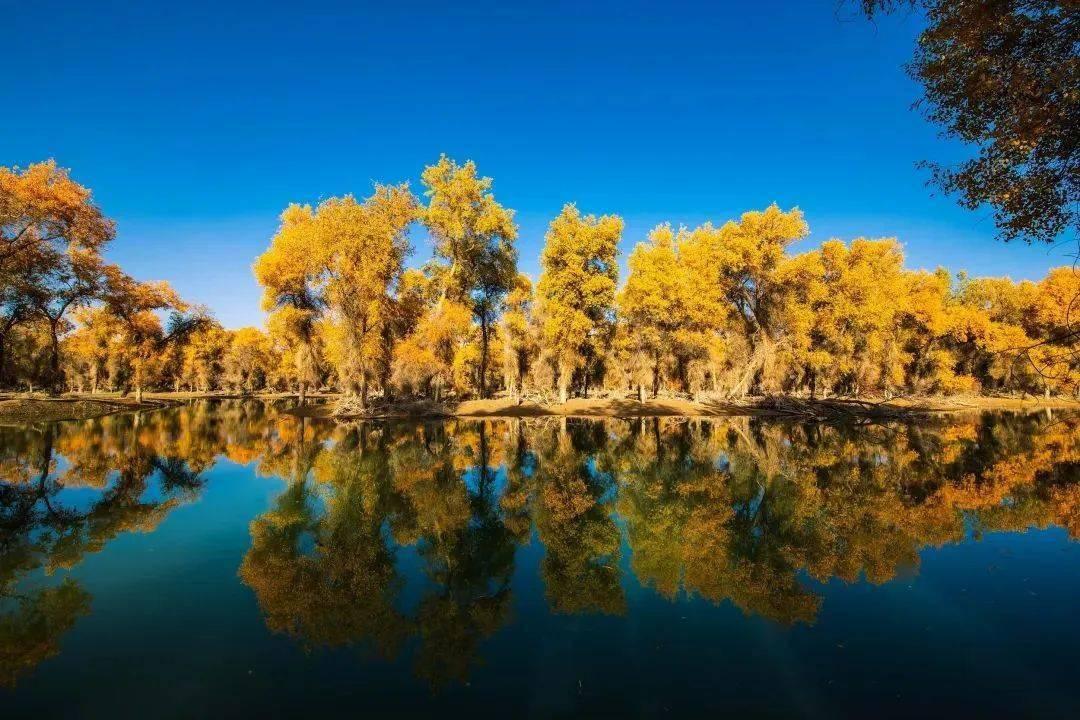
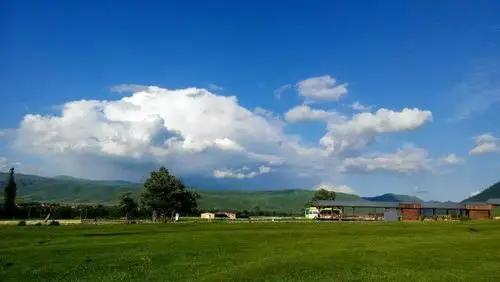
The first time I rolled through, the only thing I registered was the wind. Qiemo town sits in a narrow green strip hemmed by sand on three sides, and the afternoon gusts carry a fine grit that gets into every zipper. I came back because a driver in Korla had described the river belt to me, a line of old poplars and saxaul that the county has been planting and protecting for more than two decades. On the second visit I hired a bicycle and rode east along the Cherchen River for an hour. The contrast is the whole point: bare desert on one side, a thread of green and standing water on the other. By the third trip I had learned to arrive in the morning, before the wind picks up, and to spend the hot middle of the day inside the small museum rather than fighting the glare.
What surprised me most was the scale. You can drive for three hours inside the county and still be in Qiemo. The road south toward the Kunlun foothills climbs steadily, and on a clear day you can see the snow line of Muztagh peak, the 7,000-metre source of the river that keeps this oasis alive. Few foreign travellers make it this far, which is exactly why the place feels unhurried.
Getting to Qiemo Cherchen county
Reaching Qiemo used to mean a long, dusty haul with no real alternative. That has changed fast in the last few years, and the options now are genuinely interesting.
By road. The G315 runs east-west through the town and is the backbone of any self-drive plan. From the north, two desert highways reach Qiemo: the Qiemo-Tazhong road links the oasis to the heart of the Taklamakan and the main Tarim Desert Highway, while the Qiemo-Yuli road runs north toward the Korla region. Both are sealed and well maintained, but fuel and phone signal thin out between towns, so I top up the tank at every chance. If you want the full crossing experience, pair this with a run on the Tarim Desert Highway further north.
By rail. The Hotan-Ruoqiang railway opened in 2022 and loops around the southern and eastern edge of the desert. Qiemo has a station, which means you can now reach the county by train from Hotan, Ruoqiang and the wider network without touching a steering wheel. For a car-free plan this is the game changer, and it pairs well with the general advice in our public transport guide.
By air. Yudu Airport, whose name means “jade capital”, handles flights to Korla, Urumqi, Hotan and Ruoqiang. It is small and weather can delay flights, but it cuts a journey of more than ten hours on the road down to roughly an hour in the air. Our Xinjiang airport guide covers the practical side of flying between southern towns.
Best time to visit Qiemo Cherchen county
The climate here is extreme continental desert: very little rain, fierce summer heat that can pass 40°C, and a long dust season. Spring (April to May) and autumn (September to October) are the windows that make sense. Autumn is my favourite because the poplars along the river turn gold and the air is calmest. Summer is workable if you start early and rest midday, but I would not plan a first visit then. Winter is cold and quiet, with some roads and the higher passes less reliable. For a wider seasonal picture, our best time to visit Xinjiang guide lays out the trade-offs across the region.
Where to stay
The county seat has a workmanlike spread of hotels, from clean budget business hotels to a few mid-range places with heating and reliable hot water. Do not expect international chains. I have stayed in two of the local business hotels and both were fine for a night or two; the trick is to book ahead in the autumn travel peak, when the town fills with domestic tourists chasing the poplar colour. If you are driving the desert highway, treat Qiemo as a proper rest stop rather than a quick pass through, because the next real town in either direction is a long way off.
What to eat in Qiemo
Qiemo’s two famous products are jade and red dates, and the dates are the easier one to enjoy at the table. The local 红枣 are sweet, dense and sold by the kilo in the bazaar; I ate them straight from the bag on every visit. Beyond that, the food is classic southern Xinjiang: hand-pulled noodles, grilled kebabs, fresh naan, mutton pilaf and the river fish that turn up in small restaurants near the water. The bazaar in town is the place to try it all and to watch the jade trade at close range. If you want to shop for the stone itself, our jade shopping guide explains what to look for and what to avoid.
Practical tips before you go
Bring cash. Outside the county seat, smaller vendors and roadside stands often do not take cards or foreign payment apps. Fill the fuel tank whenever you can, because the gaps between petrol stations on the desert roads are long. The wind and dust are the real challenge: a scarf or mask, sealed luggage, and a phone full of offline maps make life easier. Mobile coverage drops on the desert highways, so tell someone your route. Altitude in the town is around 1,200 metres, so most people feel fine, but the climb toward the Kunlun foothills is another matter and deserves respect.
A three-day sample itinerary
Day 1. Arrive by rail or air, settle into a hotel, and walk the bazaar in the late afternoon. Eat noodles and buy a bag of red dates.
Day 2. Morning ride or walk east along the Cherchen River poplar belt, then spend the hot midday in the Qiemo Museum to see the ancient harps excavated nearby. Afternoon drive a short loop toward the desert edge for photos.
Day 3. If you have a car, run a section of the Qiemo-Tazhong desert highway and turn back, or take the railway onward to Ruoqiang or Hotan. Ruoqiang, our gateway to the Lop Nur wilderness, makes a strong next stop, and Minfeng to the west is the natural continuation along the G315.
Frequently asked questions
Is Qiemo worth visiting if I only have a week in Xinjiang? Probably not as a standalone destination. It works best as part of a southern Tarim loop with Ruoqiang, Hotan and Minfeng, or as a stop on the desert highway.
Can I reach Qiemo without a car? Yes. The railway and the airport both serve the county, and local transport handles the town itself. See the itinerary above.
What is Qiemo most famous for? Jade (it is one of Xinjiang’s main mountain-jade sources) and red dates. The river-belt poplars and the ancient harps in the museum are the quiet highlights.
How long should I stay? Two nights is enough to see the town, the river belt and the museum without rushing.
Disclaimer
This article is based on the author’s personal visits between 2023 and 2026 and on publicly available information at the time of writing. Transport schedules, flight routes, opening hours and road conditions change, and desert weather can close passes at short notice. Always confirm current details with official sources and local operators before you travel, and carry the permits and identification required for the region. Nothing here is official advice.
About the author
Karl Huang is an independent travel writer who has driven and ridden the southern Tarim loop across multiple seasons. He focuses on the practical, first-hand details that help independent travellers reach remote Xinjiang counties safely. His other writing on this site includes the companion piece on Qiemo at the edge of the Taklamakan and wider guides to the Silk Road south.