Published: 24 August 2026 | Author: Karl Huang
Why you can trust this Lop County guide
Most visitors to southern Xinjiang treat Lop County as a blur on the road between Hotan and the desert. We did exactly that on our first two trips in 2019 and 2022, chasing Kashgar and the Pamir instead. On a third visit, in late October 2023, we rented a car in Hotan and drove 18 kilometres east into Lop County (洛浦县) with no plan beyond “see the atlas-silk village.” What we found rewrote our assumptions: working wooden looms in Jiya township, a Buddhist stupa buried in open sand, and a ribbon of poplars turning gold along the Yurungkash River. This guide is built from that trip plus the county’s own tourism bulletins and the 2022 China News breakdown of the Taklamakan desert highways, so the distances and dates here are facts, not guesses. If you came for the headline, here it is: Hotan gets the fame, but Lop County is where the region’s oldest crafts still happen in people’s front rooms.
Quick reference: Lop County at a glance
| Item | Detail |
|---|---|
| Where it sits | Hotan Prefecture, southern edge of the Taklamakan, about 18 km east of Hotan city |
| Best known for | Atlas (Adras) silk weaving in Jiya township, Rawak Stupa, autumn poplars, Hotan imperial jujube |
| Getting there | G315 highway, the Hotan–Ruoqiang railway (Luopu station), or a car from Hotan |
| Best season | Late October for poplars; March–April for apricot blossom in Aqik Valley |
| Time needed | One full day as a side trip from Hotan |
| Our rating | Worth it if you want crafts and quiet ruins; skip if you only chase big-name sights |
What we found in Lop County
The first stop was Jiya township (吉亚乡), which the county promotes as a birthplace of Uyghur atlas silk. We had read that the weaving and dyeing craft was listed as national intangible heritage in 2008, but reading and seeing are different things. Inside one courtyard workshop a man worked a narrow wooden loom while a woman laid out silk threads soaked in pomegranate-skin and indigo dye. The cloth they pulled off the beam was the swirling, off-balance pattern foreigners usually only see in bazaar scarves. We bought a length for about 180 yuan and watched it get wrapped in newspaper. Nobody rushed us, and nobody asked for a photo fee.
In a neighbouring courtyard we found a Uyghur carpet loom, and that was the bigger surprise. Lop County sits in the Yurungkash river valley, and carpet weaving here has a recorded history going back around two thousand years; the county points to Han-dynasty wool fragments dug from local tombs as evidence. The look is nothing like the silk: tight geometric medallions in red and indigo, knotted by hand at roughly 2,500 knots per square metre. We did not buy one (small pieces start near 1,500 yuan) but watching the knotter’s hands move for ten minutes explained the price. Between the two workshops we passed rows of jujube trees heavy with the Hotan imperial date, the large red fruit the county registered as a national product in 2011.
From Jiya we continued north toward the desert. The Rawak Stupa sits alone in the sand about 50 km from the county seat, a clay Buddhist monument from the Jin–Tang era when this was a stop on the southern Silk Road. There is almost no shade and no ticket booth, just a low wall and a caretaker who opened a gate and pointed us toward the mound. Standing next to a 1,500-year-old stupa with nothing but wind around it is the kind of moment the guidebooks to Kashgar cannot give you.

How to get to Lop County
Lop County is easy to reach because it sits on the G315 corridor and now on the railway too. The Hotan–Ruoqiang railway (opened in 2022) runs through with Luopu station as the first stop north of Hotan, so you can train in from Kashgar or Korla and rent a car locally. The ride itself is worth a paragraph: the line finally linked the southern Tarim towns into one route, so you can now travel from Kashgar through Hotan toward Ruoqiang without backtracking through Turpan. The carriages are modern and the windows wide; we counted three different shades of desert in the first hour out of Hotan. Most travellers, though, simply drive the 18 km east from Hotan in about 25 minutes.
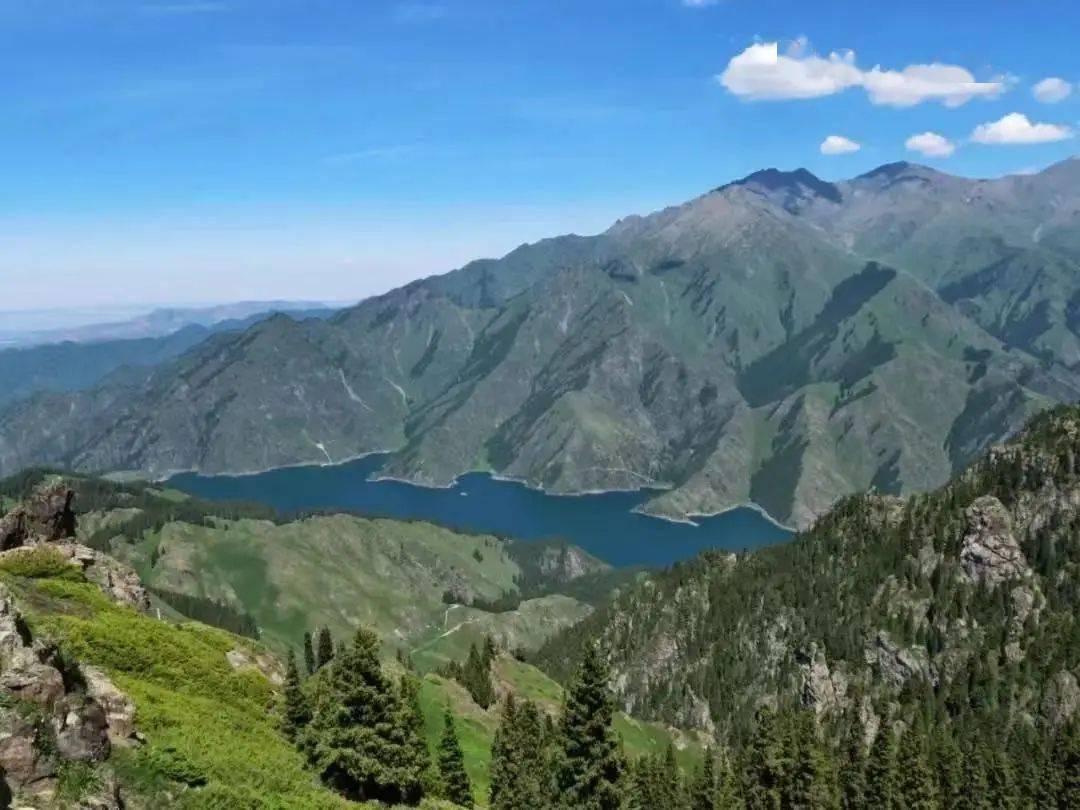
The more interesting approach is the desert itself. The Aral–Hotan highway (the “Ahe” road, an extension of G217) runs 422 km straight north through the Taklamakan and its southern end lands at Jiya township in Lop County. We crossed a stretch of it and understood why the Tarim Desert Highway gets written about as one of the world’s stranger roads: red willow and poplar windbreaks planted every few metres are the only thing between you and open sand. If you are driving the desert highway southbound, Lop County is literally your first oasis.
Best time to visit Lop County
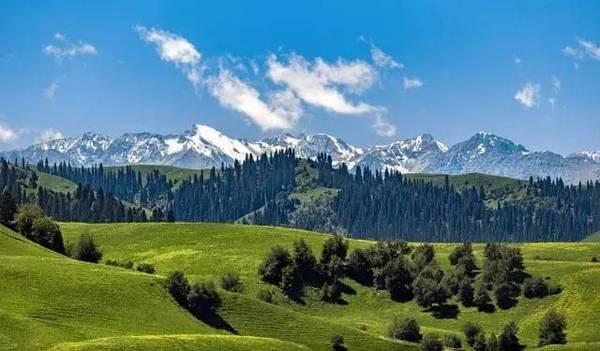
We went in late October and the poplars along the Yurungkash River were the reason. The county brands this as its “Drunk-on-Poplars” season, and the photos do not lie: a few thousand trees turn the riverbank gold for about two weeks. Daytime temperatures then sit around 18–22°C but drop near freezing at night, which is why we packed a light jacket even though the afternoon felt mild. Spring is the other good window. Aqik township (阿其克乡) has a valley of apricot blossoms that usually peak in the last week of March and last about ten days, so timing matters more than for the poplars. Plan the spring trip around that narrow window or you will miss it.
Summer is hot enough that we would not recommend walking the ruins midday, but the Yulongwan desert park (built from 2018) is busiest then, with sand sliding, camel rides and a night market. A family travelling with us rated it the highlight of their Hotan loop, and entry was under 50 yuan when we asked at the gate. Winter is quiet and good for the indoor silk and carpet workshops, where the heating is on and the looms keep running.
Where to stay
Lop County has a few county-town hotels but nothing we would call a destination stay. We based ourselves in Hotan and drove in each morning, which also meant good dinner options at night. If you want to catch the poplar light at sunrise, though, staying in the county saves you the 18 km drive in the dark. Book ahead during the October poplar weeks, when domestic visitors fill the rooms and the better hotels in Hotan sell out too.
What to eat in Lop County
Food here is the same Hotan-region plate you find across southern Xinjiang: lamb kebabs, Sunday-bazaar snacks, hand-pulled laghman and fresh naan. The one local claim to fame is the Hotan imperial jujube (和田御枣), a large red date grown in Lop County and registered as a national geographical product in 2011. We bought a bag from a roadside stall for less than half the price we later saw in Urumqi. If you like dried fruit, the same southern-oasis trade that produces Ruoqiang jujubes runs right through here, so the quality is reliable and the bargaining is friendlier than in the big-city markets.
Practical tips for visiting Lop County
Bring cash for the small workshops and roadside stalls; the atlas-silk weavers in Jiya do take phone payment but the older sellers may not. The Rawak Stupa has no facilities, so carry water and wear real shoes, not sandals. For the desert-highway stretches, fuel up in Hotan before heading north and do not count on signal mid-desert. A local SIM helps with maps but drops out past the poplar belt. Give the loom workshops a morning slot, because the dyers stop for lunch and the good light on the silk is gone by mid-afternoon. At the ruins, drones are not welcome and the caretaker prefers you stay on the marked path, so ask before flying anything.
Sample one-day itinerary from Hotan
We did this in a single day and it never felt rushed. 08:30 leave Hotan and drive to Jiya township for the atlas-silk and carpet workshops (allow 90 minutes). 11:00 head north to the Rawak Stupa and walk the site before the heat builds (60 minutes). 13:00 picnic lunch and a short poplar-river stop on the way back. 15:00 return to the county seat for jujube shopping and a bazaar walk. 17:00 drive back to Hotan for dinner. If you are here in October, swap the bazaar for a longer poplar session around 16:00 when the light turns the leaves orange, and carry a headtorch if you linger past dusk.
Frequently asked questions
Is Lop County safe for independent travellers?
Yes. It is a normal county seat with regular police checkpoints like everywhere in Xinjiang. We never felt unsafe, and the desert sites are patrolled or gated.
Do I need a border permit for Lop County?
No. Lop is well inside the prefecture and not a restricted border zone. A standard ID or passport check is enough.
Can I see atlas silk without a guide?
Yes. Jiya township workshops are open to walk-in visitors. A guide helps with translation but is not required, and we managed with phone-translation apps and a lot of pointing.
Is the Rawak Stupa worth the drive?
If you care about Silk Road history, absolutely. If you only want photos of pretty buildings, it is a flat clay mound in the sand and you may be underwhelmed.
Will I manage without speaking Chinese or Uyghur?
Mostly. Hotel and car-rental staff in Hotan handle English, but the Jiya weavers and the ruins caretaker likely will not. Download an offline translator and a map before you leave the city, because the network thins out fast past the poplar belt.
Disclaimer
This article reflects our own visit in October 2023 and publicly available sources at the time of writing. Opening hours, workshop access, railway schedules and road conditions in Xinjiang change, and some desert sites close without notice for weather or maintenance. Confirm the current situation with your hotel or the county tourism office before you go, and carry your passport or ID at all times as checks are common. We are not responsible for any changes to access, pricing or safety since publication.
About the author
Karl Huang is a travel writer who has driven and trained across Xinjiang for over six years, focusing on the southern Tarim towns that most itineraries skip. He writes from first-hand visits and verifies distances and dates against local sources. He has published field guides to Hotan, the Taklamakan desert highways and the southern Silk Road ruins, and prefers a quiet county workshop to a crowded viewpoint.