Published: July 25, 2026 | Author: Fiona Grant, long-distance hiker and hot-spring collector
The first time I heard about the Xiata hot springs in Zhaosu, it was from a herder near Karajun who described a valley where you could soak in warm mineral water while looking at a glacier. That sounded like an exaggeration. It was not. Xiata (also written Xiate or Xate, 夏塔) sits at the northern mouth of an old Tianshan crossing in Zhaosu County, Ili, and it combines three things that rarely share one postcode: a working hot-spring station, a river canyon walk with a 6,995-metre peak at the end of it, and one of the most storied mountain trails in Central Asia. I have been twice — late June 2023 for the wildflowers and mid-September 2025 for the quiet — and this guide is built from those two visits, my soggy notebooks, and prices I paid myself. Where things may have changed, I say so.
Quick reference: Xiata hot springs and valley at a glance
| Item | Details (as of my Sept 2025 visit) |
|---|---|
| Location | Xiata Township, Zhaosu County, Ili — about 70 km southwest of Zhaosu town |
| Entrance ticket | Around 30–40 CNY; valley shuttle sold separately (roughly 60 CNY return) |
| Hot spring soak | Separate fee at the spring station, from about 68 CNY for shared pools |
| Altitude | Valley entrance near 2,000 m; boardwalk viewpoints slightly higher |
| Season | June to early October; the road in can close after snow |
| Time needed | One full day minimum; a night at the springs is better |
| Mobile signal | Patchy past the gate; download offline maps in Zhaosu town |
What Xiata actually is — and what it is not
Three separate things share the Xiata name, and mixing them up causes real planning errors. First, the Xiata scenic area: a river valley with a shuttle road and boardwalks, open to any ticket holder. Second, the hot springs: a small station near the valley entrance with indoor and outdoor pools fed by genuinely warm sulphurous water, plus simple guesthouse rooms. Third, the Xiata ancient road: a multi-day route over the Muzart pass toward Aksu on the southern side of the Tianshan, used for well over a thousand years — the monk Xuanzang is said to have crossed here in the seventh century on his way to India, losing men on the glacier ice.
The third one is the part you should admire from a distance. The full crossing involves glacier travel, river fords that rise with afternoon melt, and a rescue record that keeps local authorities strict about access. Independent trekkers have died on it. Day visitors are limited to the valley floor and boardwalks, which is where I stayed both times, and honestly the views there are the point anyway.
My two visits: flowers, steam and one very cold morning
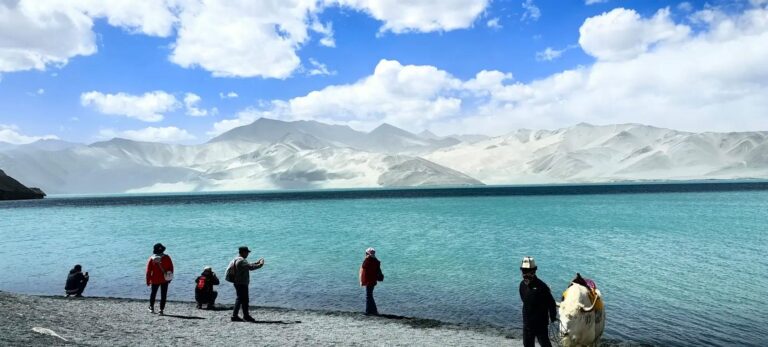
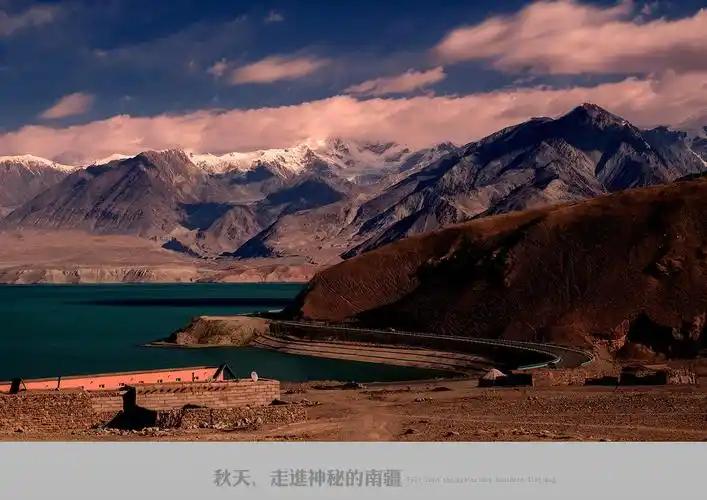
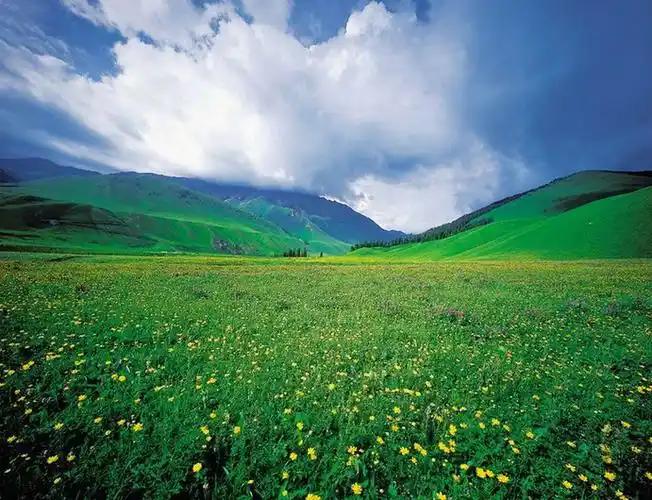
In June 2023 I arrived on the afternoon shuttle with maybe twenty other people. The valley floor was ankle-deep in wild geraniums and buttercups, and the Muzart glacier snout hung at the far end of the view like a white door. I walked the boardwalk until the light went flat, then paid for the outdoor pool back at the spring station. The water came out of the pipe hot enough that you shuffle in by degrees; the air was 14°C and dropping. A Kazakh grandmother in the next pool taught me the trick of draping a wet towel over your head so you can stay in longer. That evening the guesthouse kitchen had exactly one dish left — laghman — and it was the best plate of it I ate that whole trip.
September 2025 was a different animal. I had the boardwalk almost to myself, the birches had turned, and frost sat on the pool decking at 7 a.m. The soak felt earned in a way a hotel spa never does. But the morning shuttle did not start running until well after nine, and the first bus out was cold enough that the driver kept his engine idling for ten minutes before anyone boarded. If you go in autumn, pack a real down jacket, not a fashion one.
Getting to Xiata
There is no direct long-distance bus to the valley, so all routes run through Zhaosu town. From Yining (Yining Airport has daily flights from Urumqi), shared cars and buses cover the roughly three-hour run to Zhaosu over the Wusun mountain road. From Zhaosu, you have two options: hire a car for the 70-odd kilometres to the Xiata gate — I paid 250 CNY return in 2025 with a waiting fee — or join a one-day tour sold by guesthouses in town. The last stretch is a county road through horse pasture; in wet weather it gets slow. Inside the gate, the shuttle takes you about 20 km up-valley to the boardwalk area. If you plan to combine Xiata with the horse country around town, my Zhaosu travel guide covers the wider county, and Sayram Lake is a natural stop on the drive between Yining and the Ili valley proper.
One honest note on hiring drivers: agree on the return time before you leave town, and get the driver’s phone number on paper. Signal dies past the gate, and I watched a couple in 2023 wait two hours because their arrangement had been “sometime in the afternoon.” A local guide or driver-guide is worth the money here more than almost anywhere else in Ili.
Best time to visit
The valley opens in earnest from June. Late June and July bring the flower carpet and the warmest water-to-air contrast for soaking, but also afternoon thunderstorms that build over the peaks with little warning. August is stable and green. September, my personal pick, trades flowers for turning birches and empty boardwalks, with cold nights. From mid-October the road becomes unreliable and the spring station winds down its guesthouse side. Winter access is effectively closed to visitors. For the month-by-month picture across the region, see my colleague’s Xinjiang weather guide — Zhaosu sits high, so knock several degrees off any Yining forecast you read.
Where to stay
You have three tiers. The spring station guesthouse itself is basic — hard beds, shared bathrooms in the cheaper rooms, hot water that comes from the same source you soak in — but sleeping there means you get the pools after the day crowd leaves, which is the entire trick to enjoying Xiata. I paid around 260 CNY for a double in 2025. Zhaosu town, 90 minutes away, has proper hotels in the 150–350 CNY range and is the sensible base if you need reliable heating or a business licence receipt. Between the two, a handful of Kazakh family homestays along the access road offer yurt beds in summer; if that interests you, read up on Kazakh culture and homestay etiquette first — small courtesies around tea and bread go a long way.
Food at the valley
Keep expectations modest and you will eat well. The station kitchen turns out laghman, big-plate chicken for groups, and breakfast naan with milk tea. In town, Zhaosu’s small restaurants do an excellent horse-meat naryn — this is horse country, and the dish is a local point of pride rather than a novelty. I also recommend buying a bag of dried apricots and nuts in town before you drive in; the valley has no shop worth the name, and boardwalk kilometres go easier with snacks.
Practical tips from two trips
- Carry cash. The spring station’s card machine was down on both of my visits. WeChat Pay worked when signal cooperated, which was not always.
- Soak after 6 p.m. Day-trippers cluster between noon and four. Evening pools are quieter and the light on the peaks is better.
- Respect the closure signs. The trail beyond the boardwalk toward the glacier is closed for good reasons. Fines are real; the river fords are more dangerous than they look.
- Bring sandals with straps for the pool area — the concrete gets slick with mineral film.
- Sort insurance before you come. The nearest proper hospital is in Zhaosu town and serious cases go to Yining. My notes on travel insurance for Xinjiang explain what evacuation cover should include.
- Sulphur eats silver. Take your jewellery off before soaking unless you like the antique look. I learned this with a ring in 2023.
A sample day-and-a-half plan
- Day 1, morning: Drive Zhaosu town → Xiata gate (90 min). Take the shuttle up-valley, walk the boardwalk to the glacier viewpoint, picnic lunch.
- Day 1, afternoon: Shuttle back down, check in at the spring station, nap while the pools are busy.
- Day 1, evening: Long soak after 6 p.m., laghman dinner, stargazing — light pollution here is close to zero.
- Day 2, morning: Second soak at dawn if you can face the cold air, breakfast naan and milk tea, then drive out by 10 a.m. for Sayram Lake or the Yining road.
FAQ
Can I hike the full Xiata ancient road to Aksu?
Not as a casual visitor. The route crosses glacier terrain and is subject to access restrictions; people have died attempting it unsupported. Treat it as a mountaineering objective requiring permits and professional logistics, not a trek add-on.
Are the hot springs natural or piped?
The source is natural and genuinely hot; water is piped a short distance into built pools. Outdoor pools have the views. The mineral smell is noticeable but not unpleasant.
Is one day enough?
You can see the boardwalk and soak in one long day from Zhaosu, but you will spend more time in vehicles than in the valley. Staying one night doubles the pleasure for a modest cost.
Do I need any special permit for the valley itself?
On both of my visits, the standard scenic-area ticket was all that was checked for the boardwalk area. Rules can tighten without notice this close to the border zone, so ask your Zhaosu guesthouse the day before.
Is Xiata suitable for children or older travellers?
The boardwalk sections are gentle and the shuttle does the climbing. The altitude near 2,000 m bothers few people. The main challenges are the long drive and basic facilities.
Disclaimer: Prices, opening arrangements and access rules above reflect my visits in June 2023 and September 2025 plus follow-up checks with local operators. Mountain areas near border zones can change access policy at short notice; confirm current conditions in Zhaosu town before driving in. This article describes travel logistics only and is not mountaineering instruction.
About the author: Fiona Grant is an Edinburgh-based hiker and travel writer who has spent six seasons walking and soaking her way across Central Asian mountain ranges. She keeps a running ledger of every hot spring she has visited — Xiata is number 47 — and files her Xinjiang notes for this site between trips.
Xiata is the wildest of the province’s soaks. For the developed alternatives, bathhouse etiquette and a route that strings several of them together, see our overview of Xinjiang hot springs.