Published: July 25, 2026 | Author: Ingrid Sorensen, travel writer and trained aromatherapist
The first time I stood in a Huocheng lavender field in Xinjiang, I did something faintly ridiculous: I closed my eyes and just breathed for a full minute while my driver waited by the car, amused. I have chased lavender in Provence and in Hokkaido, and I run a small essential-oil practice back home, so I thought I knew what to expect. Huocheng surprised me. The rows run wider, the Tianshan snowcaps sit right there on the horizon, and the crowds are a fraction of what you get in France. This guide pulls together two trips of my own notes so you can plan yours without the guesswork I did the hard way.
Why you can trust this Huocheng lavender guide
I visited Huocheng County in mid-June 2022 during the main bloom, then came back in early September 2024 to catch the smaller second flowering and watch the harvest. Both times I based myself in Yining and drove out daily. I have also toured a small distillery here and talked with growers about oil yield, so the practical details below come from being on the ground, not from a brochure. Where I quote opening dates or ticket prices, treat them as a 2022 to 2024 snapshot and confirm locally before you go.
Quick reference: Huocheng lavender at a glance
| Detail | What to know |
|---|---|
| Where | Huocheng County, Ili (Yili) Prefecture, roughly 60 km west of Yining |
| Main bloom | Mid-June to early July |
| Second bloom | Early to mid-September (smaller, softer color) |
| Best-known fields | Sigong Village, Jieyou Lavender Garden, the 65th Regiment farms |
| Typical entry | Free roadside fields to about 40-60 CNY for the landscaped gardens |
| Getting there | Fly or take the train to Yining, then drive or hire a car for the day |
| Time needed | One full day is enough; two if you want the distillery and Khorgos |
What it was actually like
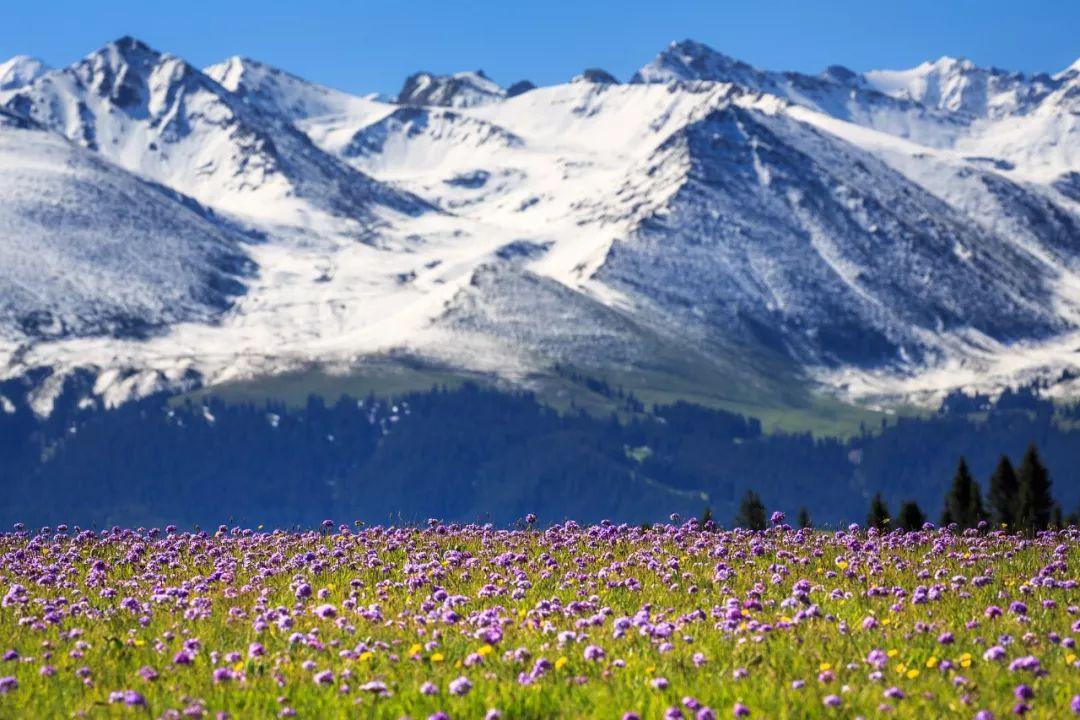
My June morning started at Sigong Village, which locals treat as the heart of the whole growing area. We arrived around eight, before the tour buses, and the light was still low and gold. A grower named Osman was already out with a small sickle, cutting a few test bundles to check the oil. He waved me over, crushed a flower head between his fingers, and held it up to my nose. It was greener and more camphorous than the sweet, rounded lavender I know from Provence, which told me straight away this was a different cultivar suited to the dry Ili climate.
What stayed with me was not the color, though the purple does run to the base of the mountains. It was the sound. On a still morning the fields hum with bees, and you hear the occasional snip of shears down the rows. In September the mood shifts entirely. The second bloom is patchier and paler, but the harvest is on, and you can smell cut lavender drying in sheds along the road. If you care about the plant rather than just the photo, the autumn trip is quietly more rewarding.
Getting to the lavender fields
Everything starts in Yining. I flew in from Urumqi both times, a hop of under two hours, though there is now a rail option too if you would rather see the country roll past. For the wider picture on trains across the region, our Xinjiang weather by month notes help you match your dates to the bloom.
From Yining, the fields sit about an hour west toward Huocheng and Khorgos. I hired a car with a driver through my guesthouse for around 400 to 500 CNY a day, which was money well spent because the good fields are scattered and there is no useful public bus between them. If you are already planning time in the valley, pair this with our Yining and Ili Valley guide so the drive earns its keep.
The best time to go
If you want the postcard, aim for the third week of June through the first week of July. That is the reliable peak, and it is also when the roadside stalls, the horse-riding touts, and the wedding photographers all show up, so go early in the day. Miss June and you have a real second chance in September, when the plants flower again more modestly and the fields empty out.
Timing lavender is really about timing your whole Ili trip, since the grasslands and apricot country nearby run on their own calendars. I cross-check every year against our best time to visit Xinjiang guide, and if a festival lines up with your dates, the Xinjiang festivals calendar is worth a look before you lock anything in.
Inside a lavender distillery
On my September trip I spent a morning at a small distillery near the 65th Regiment farms, and it changed how I shop for lavender oil anywhere. The cut flowers go into a steel still, steam is pushed through, and the vapor carries the oil up and over into a condenser where it separates from the water. The grower who showed me around, a soft-spoken man named Adil, said it takes a startling amount of flower to fill one small bottle, which is exactly why cheap “lavender oil” in tourist stalls is so often stretched with cheaper fillers. He let me smell the fresh distillate straight off the run: bright, grassy, and far more alive than anything sealed in a gift box. The floral water left behind, what perfumers call hydrosol, gets bottled too and makes a lovely face mist. If you buy one thing here, buy it from a working still, not a souvenir shelf.
Where to stay
I did not sleep in Huocheng itself and I would not recommend most people do. Yining has far more choice and better food, and the hour drive is easy. Both trips I stayed at a family-run guesthouse near Yining’s Han People Street for about 260 CNY a night, breakfast included, and the owner arranged my driver each morning. If you want to push on to the border, a night in Khorgos works too, but it is a trade town rather than a scenic base. For deciding whether the whole northern loop suits your trip, our North vs South Xinjiang comparison is a useful gut-check.
What to eat nearby
Ili food leans Kazakh and Uyghur, and it is very good. After my first field morning I ate a bowl of hand-pulled laghman at a roadside canteen near Sigong for 22 CNY, then bought a bag of Ili apricots from a woman selling out of the back of a three-wheeler. In Yining proper, look for nan pit-baked bread, horse-meat sausage if you are curious, and thick milk tea. Much of the pastoral dairy and meat tradition here comes straight from the herding families I met, and our Kazakh culture guide explains where those flavors come from.
Practical tips from two visits
- Go between 8 and 10 in the morning. The light is best, the bees are calm, and the buses have not arrived.
- Many roadside fields are free to photograph from the verge. Paid gardens like Jieyou charge roughly 40 to 60 CNY and add boardwalks and props.
- Ask before you walk into rows. These are working farms, and a torn plant is a grower’s lost income. Osman let me in; a nod costs nothing.
- Buy oil at the source if you can. I paid a fair price for a small bottle of local distillate that still smells true two years on. Be wary of dyed or diluted product sold in bulk tourist shops.
- Bring sun protection and water. The valley is dry and the sun is fierce even at a comfortable temperature.
A simple two-day plan
Day 1: Fly into Yining, settle in, wander the old quarter and eat well. Early night.
Day 2: Leave by 7:30, reach the Sigong fields by 8:30, spend the golden hours among the rows, visit a distillery late morning, lunch on laghman, then decide between a relaxed drive back to Yining or pushing on to Khorgos for the border-market curiosity.
Frequently asked questions
Is Huocheng really the lavender capital of China?
Locals certainly call it that, and it grows the lion’s share of the country’s crop. The climate mirrors parts of the Mediterranean, which is why the plant took so well here.
Can I see lavender outside June?
Yes. There is a second, gentler bloom in September. Between mid-July and late August the main fields are mostly cut, so those weeks are the ones to avoid if flowers are your goal.
Do I need a guide?
Not a formal one, but a driver is close to essential because the fields are spread out. My guesthouse arranged everything both times.
Is it worth it if I have seen Provence?
I had, and I still found it worthwhile. Fewer crowds, dramatic mountain backdrops, and a chance to talk to growers directly made it feel less packaged.
How long should I budget?
One full day covers the fields comfortably. Add a second day if you want the distillery, Khorgos, and time in Yining itself.
Disclaimer
Prices, opening dates, and bloom timing shift year to year with weather and local management, and the figures here reflect my 2022 and 2024 visits. Please confirm current details with your accommodation or the field operators before travel. Essential-oil notes are personal observation, not medical advice.
About the author: Ingrid Sorensen is a travel writer and trained aromatherapist who has followed lavender harvests across Provence, Hokkaido, and Xinjiang. She has visited the Ili Valley twice and runs a small natural-perfume practice, which shapes how she reads a growing region: by nose as much as by eye.