Published: July 28, 2026 | Author: Karl Huang, with field notes from guest contributor Beatriz Almeida
I have photographed 214 weddings in sixteen years, most of them in Portugal, a few in Brazil and one memorable disaster on a beach in Goa. None of them prepared me for September 2025, when my husband Tomas and I were pulled into two celebrations in a single fortnight: a Uyghur nikah in a Kashgar courtyard and a Kazakh betashar on an autumn pasture near Nalati. If you want to understand Xinjiang wedding traditions, the short version is this: they are long, loud, generous to strangers, and organised around food and music rather than speeches and seating charts. The long version is the rest of this article, written from my notebooks and from what our hosts patiently explained to us, sometimes three times, because I kept asking the same questions.
A note on trust before we start. Nobody paid for our trip. We were invited to both weddings by people we met along the way, we gave the customary gifts out of our own pockets, and the families agreed to let me describe what I saw as long as I changed their names. I have done so.
Quick reference: Xinjiang wedding traditions at a glance
| Question | Short answer |
|---|---|
| Main wedding season | September and October, after harvest, plus May; Sundays are popular |
| Uyghur ceremony core | Nikah (religious contract) at home in the morning, big courtyard party after |
| Kazakh ceremony core | Betashar, the unveiling of the bride’s face with an improvised song |
| Typical guest gift | Cash in an envelope, 100 to 200 RMB for a casual guest was what we saw |
| Can travelers attend? | Only by invitation, but invitations happen more easily than you would think |
| Dress code | Modest and tidy; covered shoulders and knees, nothing black head to toe |
| Photography | Always ask first, especially before photographing the bride |
How we ended up at two weddings in one trip
We had planned thirteen days: five in Kashgar, two in Urumqi, six in the Ili valley. The first invitation came from Memet, who ran our guesthouse in Kashgar’s old town. On our second evening he mentioned that his nephew was marrying that Sunday and asked, almost as an afterthought, whether we would like to come. Tomas said yes before I had finished processing the sentence.
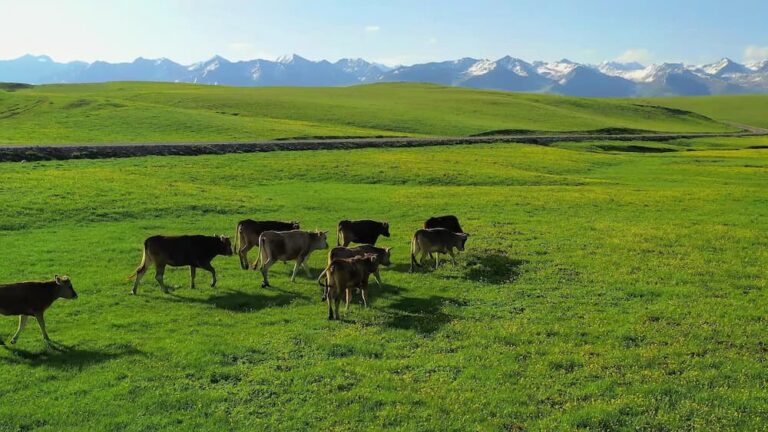
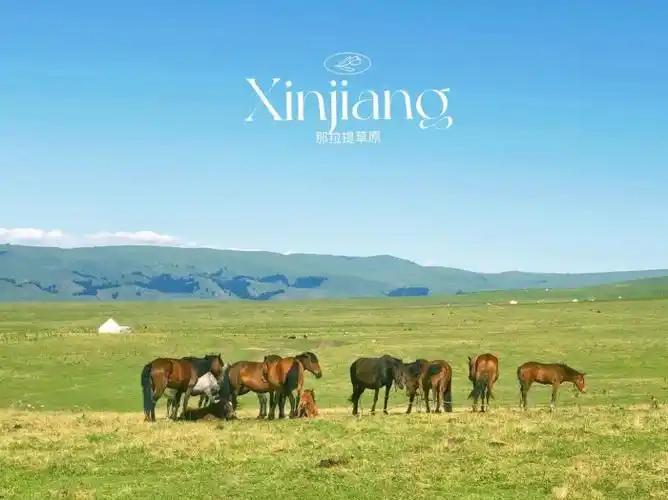
The second invitation was pure roadside luck. We were photographing golden larches above a pasture outside Nalati when a man on a horse rode over, looked at my camera, and waved us down the hill toward a cluster of yurts. His niece’s betashar was starting within the hour and, as our driver translated with a grin, “more guests means more honour.” That logic, I later learned, runs deep in Kazakh culture, where hospitality to travelers is close to a duty.
Two invitations in two weeks is not a fluke you can book. But wedding season in Xinjiang is dense, and if you travel in September with open body language and a bit of patience, your odds are genuinely decent.
Inside a Uyghur wedding in Kashgar
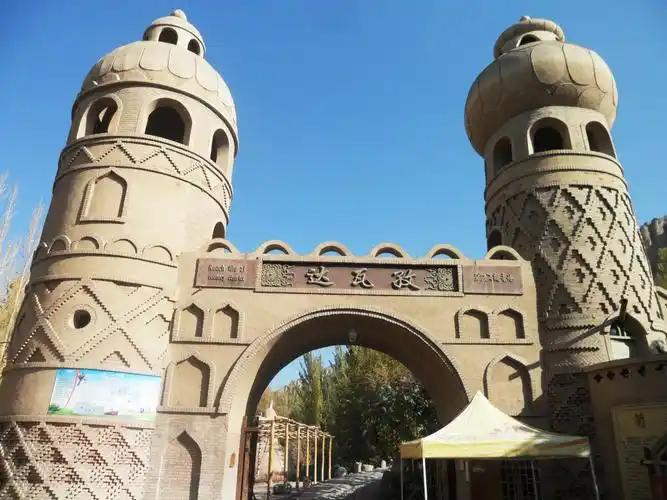
The day split into two halves. The nikah itself happened at the bride’s family home around ten in the morning. It was quiet, almost administrative: an imam, the groom, the fathers and male witnesses in one room, the women of both families in another, tea going back and forth. Memet told us the contract took less than twenty minutes. Neither Tomas nor I went inside for this part, and I would not expect any casual guest to. The nikah is family business.
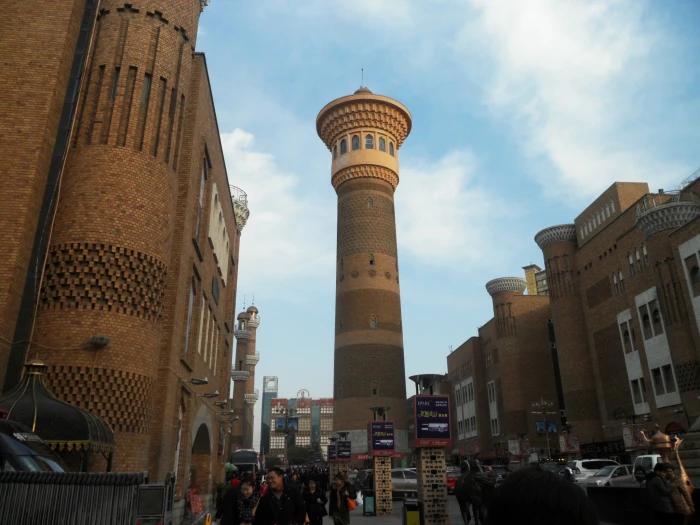
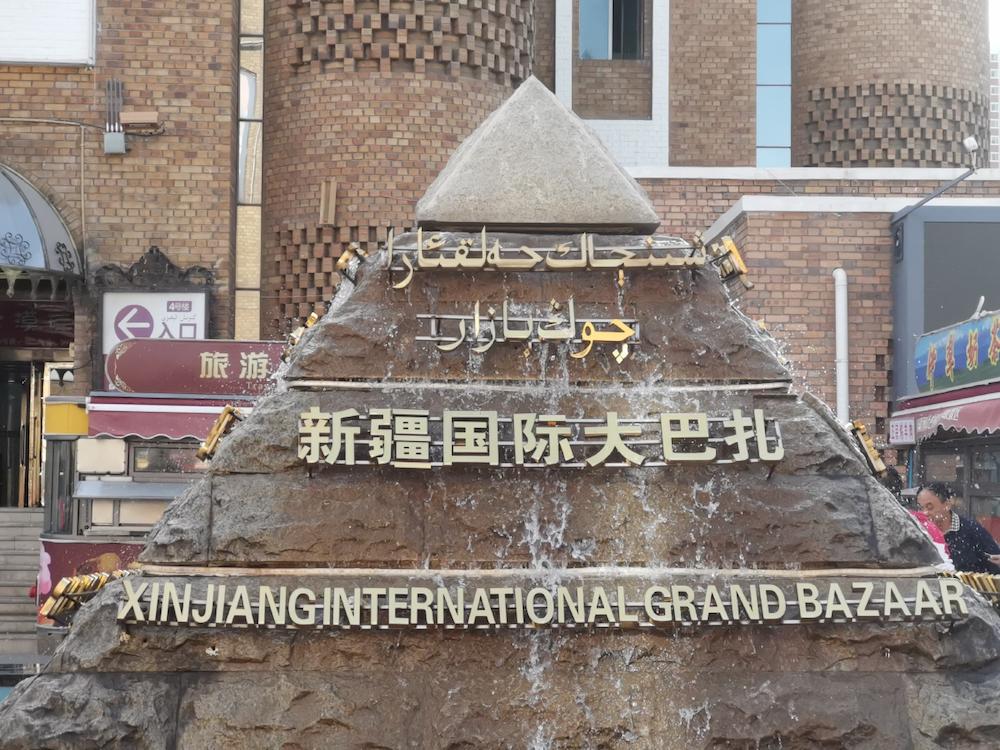
The party was another animal entirely. By early afternoon the groom’s courtyard held maybe two hundred people. The groom’s party had arrived earlier with a dap frame drum and a suona, the reed horn you hear at every celebration in southern Xinjiang, and the noise announced them from three streets away. The bride wore a red dress with heavy gold embroidery for the arrival, then changed into a white gown partway through the afternoon. Her mother told me, through Memet’s daughter, that the etles silk for the mothers’ dresses had been bought a month earlier, at around 180 RMB per metre. If you want to see that fabric yourself, the stalls at the Urumqi International Bazaar and Kashgar’s Sunday market both carry it in every colourway imaginable.
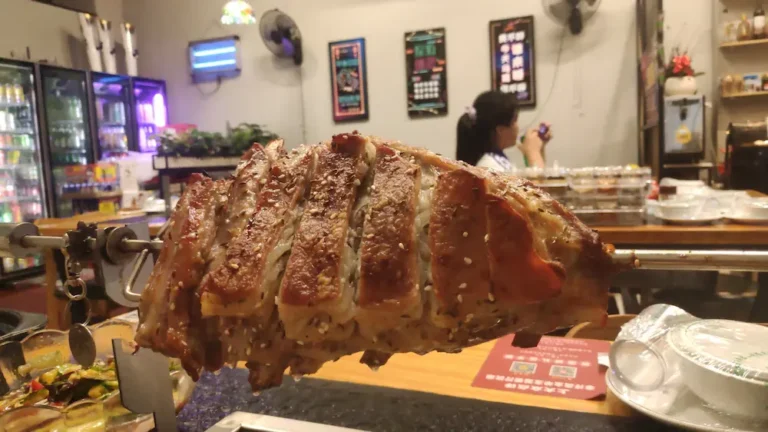
Food ran in shifts. Long tables, platters of polo with yellow carrots and whole cuts of lamb, and an unspoken rule that you eat well but do not linger, because the next wave of guests needs your seat. We were fed twice anyway. Refusing a second serving turned out to be a negotiation I lost both times.
Then the dancing. This was the part where my professional detachment collapsed. A circle formed, elders first, and the arm movements I had seen on stage at a folklore show suddenly made sense in their natural habitat. If you have read about sanam and other regional styles in our Xinjiang folk dance guide, this is where all of it actually lives. A grandmother pulled me into the circle. I danced badly. It mattered to nobody.
The Kazakh betashar near Nalati
The pasture wedding could not have looked more different. Three yurts, horses tethered in a line, and the smell of boiling mutton drifting across the grass. The centrepiece was the betashar, the unveiling. The bride stood with her face covered by a white veil while an akyn, a singer hired for exactly this job, improvised verses introducing each senior relative of the groom’s family. At every name, the bride bowed. The song was funny in places; even we could tell, because whole rows of aunts kept laughing.
When the veil finally came off the end of a dombra neck, candies and coins rained over everyone’s heads. This shower is called shashu, and children dove for the sweets like gulls. Dinner was besbarmak, the “five fingers” dish of flat noodles and boiled meat eaten from shared platters, and bowls of fermented mare’s milk that Tomas drank with more courage than pleasure.
The afternoon ended with horse games. Young men wrestled for a goat carcass in a bruising game of kokpar, and there was a round of kyz kuu, the chase where a rider tries to kiss a fleeing girl and, on the return leg, she whips him if he failed. Nothing about it was staged for us. We happened to be there, which is the entire charm.
What to wear and what to bring
We asked Memet directly what a foreign guest should give. His answer: an envelope with cash, nothing dramatic. We gave 200 RMB at the Kashgar wedding and the same near Nalati, and both felt right for guests who were essentially strangers. I also mailed printed photographs to both families afterwards, which cost me 60 RMB at a print shop in Urumqi and earned more gratitude than the envelopes did.
Clothing rules are simple and mostly about respect. I wore a below-knee dress with sleeves; Tomas wore trousers and a collared shirt. Cover shoulders and knees, skip anything transparent, and avoid dressing in black from head to toe, which reads as mourning to many families. A headscarf is not required for foreign women at a wedding party, though having one in your bag is never wasted in southern Xinjiang. Our general Xinjiang etiquette guide covers the broader rules, and almost all of them apply doubly at weddings.
Two things not to bring: alcohol, unless your host explicitly serves it first, and a drone. Tomas asked about flying his at the pasture wedding and the answer was a firm no; it would have scattered the horses.
Photography etiquette, from someone who does this for a living
My rule at home is that the couple hired me, so I shoot freely. In Xinjiang I inverted it: I photographed nothing until someone told me I could. At the Kashgar wedding, the groom’s brother appointed himself my assistant and steered me toward what the family wanted photographed, which was mostly the food and the grandparents. The bride herself was off limits until she changed into the white gown, and then only from the front, veil arranged. Nobody explained the logic and I did not need it explained. Their wedding, their rules.
Ask before every portrait. Show people the back of the camera. Never post a recognisable face online without permission, full stop. And put the camera down for at least an hour. The hour I spent dancing instead of shooting is the hour I remember best.
When and where you are most likely to see a wedding
September and October are peak season across the region: harvest money is in, the heat has broken, and university students are back to attend as guests. May runs a close second. Sundays dominate in the south. In the Ili valley, pasture weddings cluster in early autumn before families move herds to lower ground.
Weddings also stack up right after major holidays, when relatives are already gathered. If your trip overlaps Corban Festival, keep your evenings free; our driver in Ili claimed to have three invitations in the week following it. For the wider celebration calendar, our Xinjiang festivals calendar lays out the year month by month.
As for the how: stay in family guesthouses rather than chain hotels, be a pleasant regular at the same teahouse, and let hosts know, gently, that you are curious about local celebrations. Both of our invitations came from exactly this kind of low-effort friendliness. What you should not do is gate-crash, offer money for access, or treat a wedding as a photo opportunity with a buffet attached.
A sample day built around wedding season
If you are in Kashgar on a September Sunday, here is a realistic rhythm. Morning at the livestock market, where wedding lamb is bought and you will hear who is marrying whom. Midday plov at a local canteen, around 25 RMB. Afternoon walking the old town lanes; this is when courtyard parties are audible, and lingering politely near the music is how conversations start. Evening at a teahouse near Id Kah, where an invitation, if one is coming, usually arrives over the second pot. Total spend, without a wedding: under 100 RMB. With a wedding: 200 RMB and an envelope you will never regret.
For background on the music, instruments and daily rhythms you will encounter along the way, our guide to Uyghur culture is a good companion read.
Xinjiang wedding traditions: FAQ
Can tourists attend a Xinjiang wedding?
Only if invited, but invitations are common in wedding season, usually through guesthouse hosts, drivers or chance encounters. Never attend uninvited.
What gift should a foreign guest bring?
Cash in an envelope. We gave 200 RMB per couple at both weddings and it was received as generous. Printed photos sent afterwards are a wonderful extra.
What should I wear?
Modest, clean and slightly formal. Covered shoulders and knees for everyone, no all-black outfits, comfortable shoes for dancing on courtyard tiles or grass.
Are Uyghur and Kazakh weddings similar?
They share generosity, music and enormous quantities of lamb, but the ceremonies differ completely: the Uyghur nikah is a home religious contract followed by a courtyard party, while the Kazakh betashar centres on the sung unveiling of the bride, often followed by horse games.
Is photography allowed?
Usually yes, with permission, and often enthusiastically. Ask before every shot of the bride, and never publish faces online without consent.
Disclaimer
This article describes two weddings we personally attended in September 2025 and what our hosts told us about their own customs. Traditions vary widely between families, towns and communities across Xinjiang, and no single account, ours included, represents them all. Prices and customs may change; treat the figures here as a snapshot, not a promise.
About the authors
Beatriz Almeida is a wedding photographer based in Porto, Portugal, with sixteen years and more than 200 weddings behind the lens. She and her husband Tomas traveled through Kashgar, Urumqi and the Ili valley in September 2025, entirely at their own expense, with no sponsorship or affiliation. Karl Huang is the editor of Xinjiang Attractions and has traveled the region extensively since 2018. This site covers travel across Xinjiang, China.