Published: July 22, 2026 | Author: Lena Fischer
Why you can trust this Xinjiang festivals calendar
If you are building a Xinjiang festivals calendar of your own, start with the celebrations rather than the scenery. I have been writing about travel in Northwest China for eight years, and the part I keep coming back to is the local calendar of festivals. The lakes and deserts will wait, but a three-day celebration will not.
This Xinjiang festivals calendar is built from my own notes across multiple trips, cross-checked against announcements from the Xinjiang Uygur Autonomous Region’s culture and tourism offices and the local government notices in Yining, Kashgar, Turpan and Huocheng. I have attended Nowruz in Yining, watched the Corban morning prayers in Kashgar, and eaten my weight in grapes at a Turpan fair. Where dates depend on the lunar calendar, I say so plainly rather than guess.
Xinjiang festivals calendar at a glance
The table below is the short version. Read on for the details that actually matter when you are standing at a bus station wondering why the town is suddenly full.
| Festival | Typical timing | Best place to catch it | What makes it worth the trip |
|---|---|---|---|
| Nowruz (Navruz) | Around March 20 to 22 | Yining, Urumqi, Kashgar | Persian New Year; street music, shared meals, the sweet pudding sumalak |
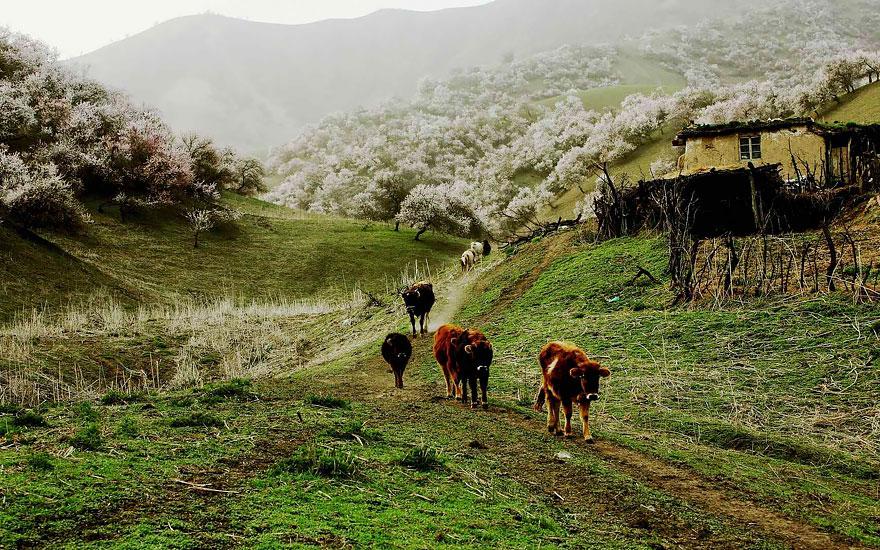
| Apricot Blossom Festival | Early to mid-April | Tuergen and Xinyuan, Ili Valley | Whole hillsides of wild apricot trees turn white overnight |
| Rozi Heyt (Eid al-Fitr) | End of Ramadan; date shifts yearly | Across the region, strong in Kashgar | Morning prayers, open houses, gift giving |
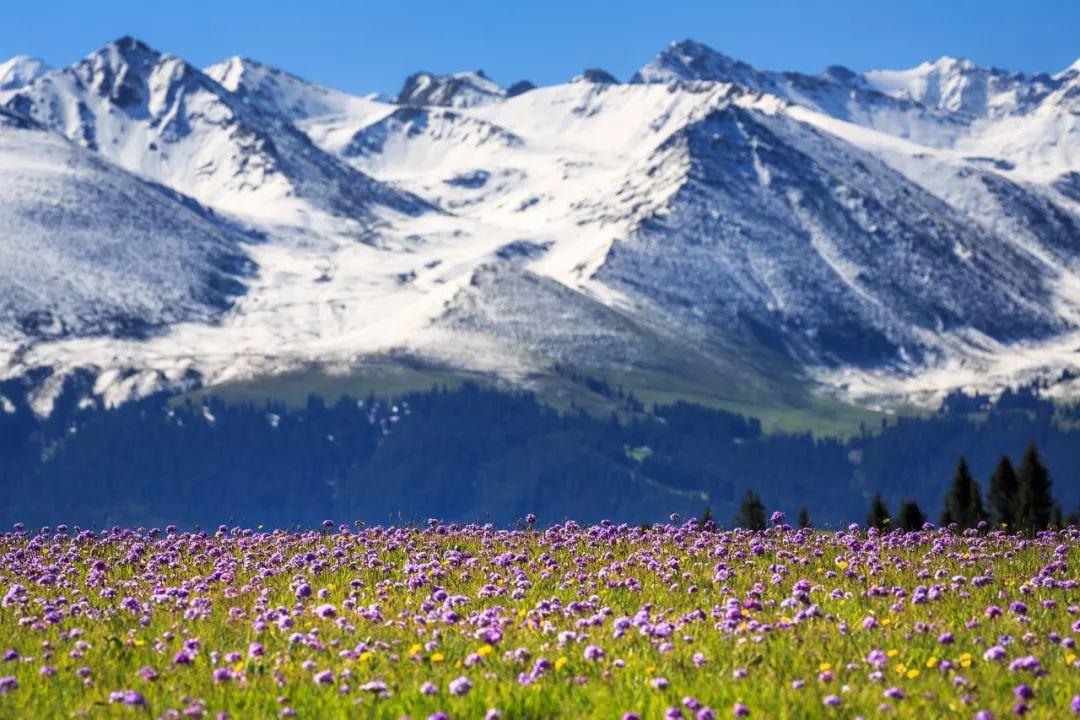
| Huocheng Lavender Festival | Mid-June to July | Huocheng County, Ili | Fields of purple lavender you can walk through |
| Zhaosu Tianma (Horse) Festival | July | Zhaosu, Ili | Horse racing, bareback riding, the Tianma breed on show |
| Nadam Fair | Summer (July to August) | Hoboksar, Barkol | Mongolian wrestling, archery and horse games |
| Turpan Grape Festival | Late August | Turpan | Grape varieties, music, the busiest bazaar of the year |
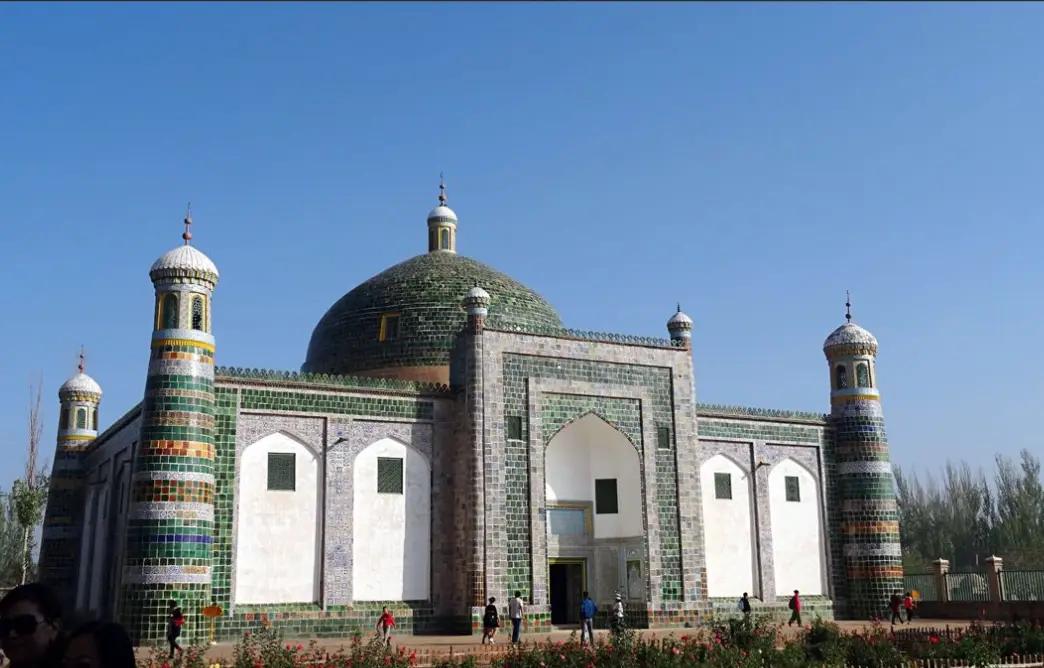
| Kurban Heyt (Corban / Eid al-Adha) | About 70 days after Eid al-Fitr | Kashgar, Hotan, everywhere | The biggest Islamic holiday; roast lamb, family visits |
| Kyrgyz Eagle Festival | Winter (January to February) | Kizilsu and the Pamir fringe | Trained eagles launched from horseback |
What I learned celebrating Nowruz in Yining
My first Nowruz was in 2017, and I almost missed it. I had planned to leave Yining the morning of March 21, until a guesthouse owner pushed a bowl of something sweet and warm into my hands and told me, in mixed Chinese and gestures, not to go anywhere. The courtyard was filling with neighbors. A copper pot of sumalak, a pudding made from wheat sprouts, had been simmering since the night before. By noon the street had a band, and strangers were pulling me into a line dance I never learned the steps to.
The point is not the dance. It is that Nowruz in Xinjiang is not a staged show for tourists. It is a 3,000-year-old new-year celebration shared by Uyghur, Kazakh, Kyrgyz, Tajik and Uzbek communities, and it happens whether or not you are there. Several years later I watched the same holiday in Kashgar, where the old town’s narrow lanes filled with families in new clothes. If you want one festival to build a trip around, this is the safest and warmest choice.
For background on the holiday itself, our guide to the Navruz Festival in Xinjiang goes deeper into the food and meaning.
How to get to the festival towns
Most celebrations sit well outside Urumqi, so transport planning matters. Urumqi is the air hub, with direct flights from Beijing, Shanghai, Xi’an, Chengdu and Guangzhou. From there the options divide by region.
- Yining (Nowruz, apricot blossoms): Fly Urumqi to Yining in about 70 minutes, or take the train. The newer rail links have cut travel time a lot.
- Kashgar (Rozi Heyt, Kurban Heyt): Daily flights from Urumqi take roughly two hours, or take the long train ride if you want the experience. Our first-time visitor guide covers the logistics.
- Turpan (Grape Festival): The high-speed line from Urumqi gets you there in well under two hours.
- Huocheng and Zhaosu (lavender, horses): Both sit in Ili. Reach Yining first, then drive or take a bus.
During a major holiday, buses and train tickets sell out fast. I now book the return leg before I even arrive.
When to go
The honest answer depends on which celebration you want. Spring, from late March to mid-April, is my favorite window. Nowruz and the apricot blossoms rarely overlap by more than a week or two, and the weather is mild. Summer brings the lavender, horse and grape events but also the biggest crowds and the highest hotel prices. Winter is cold and quiet except for the Kyrgyz eagle festivals on the Pamir, which are a specialist draw. Cold-season events form a category of their own, from ice fishing on Ulungur Lake to the fur-ski gatherings in Altay: see Xinjiang winter festivals.
If you only have one shot, match the season to the event rather than the other way around. Our month-by-month weather guide will tell you what to pack for each.
Where to stay during festival season
Book early. When I returned to Kashgar for Kurban Heyt in 2023, the old-town guesthouses I had walked past empty two years earlier were fully booked a month ahead. Options by region:
- Urumqi and Yining: Full range of hotels; reserve two to three weeks out for Nowruz.
- Kashgar old town: Family-run guesthouses inside the historic lanes. Atmospheric but limited, so book first.
- Ili grasslands (Zhaosu, lavender towns): Yurts and farm stays open in summer; confirm heating and whether they take foreign guests.
- Turpan: Plenty of hotels, but the Grape Festival weekend still fills them.
Festival food you should not miss
Food is half the point of any Xinjiang celebration. At Nowruz you will be offered sumalak and fried pastries; at Kurban Heyt the centerpiece is a whole lamb roasted and shared across tables. Year-round staples show up at every fair: Uyghur naan hot from the tandir oven, hand-pulled laghman noodles, mutton kebabs, and the rice dish polo studded with carrots and raisins. In Turpan, taste more grape varieties than you knew existed; in Hami, the melons really are different.
For behavior around shared meals and religious holidays, our etiquette guide is worth a read before you sit down.
Practical tips for attending Xinjiang festivals
- Confirm dates late, not early. Islamic holidays follow the lunar Hijri calendar and move about 11 days earlier each year. Government offices usually post the precise public-holiday dates a few weeks ahead. Do not book non-refundable flights on a guess.
- Ask before you photograph people. This matters most at prayers and family moments. A smile and a raised phone get you further than pointing a lens.
- Dress for the setting. Mosque events call for covered shoulders and knees. Our dress code guide lays out the basics.
- Carry cash. Bazaars and roadside stalls at festivals often do not take cards or foreign app payments.
- Go with someone local. A guide or a hosted family turns a spectacle into an explanation. See our notes on hiring a local guide.
A six-day spring festival itinerary
This is the route I would hand a friend who wants Nowruz plus blossoms without a rental car:
- Day 1: Fly into Urumqi, wander the International Bazaar, eat kebabs.
- Day 2: Morning train or flight to Yining; settle in before the Nowruz crowds build.
- Day 3: Nowruz day, courtyard meals, music, the sumalak pots.
- Day 4: Drive to Tuergen or Xinyuan for the apricot blossoms; bring a picnic.
- Day 5: Slow morning, then back to Yining for the night market.
- Day 6: Return to Urumqi and fly out.
It is light on mileage and heavy on standing still, which is the right ratio for a festival trip.
Frequently asked questions
Are Xinjiang festivals open to foreign tourists?
Yes. Public celebrations like Nowruz, the grape fair and the lavender festival are open and welcoming. Some mosque prayers are for worshippers, but the surrounding street life is for everyone.
How do I find the exact dates?
For Islamic holidays, watch the official public-holiday announcements issued a few weeks ahead. For fixed seasonal events like the apricot blossom and lavender festivals, local tourism bureaus post dates in the weeks before.
Will I understand anything?
Not all of it, and that is fine. Music and food cross the language gap, and younger locals in the cities often speak some English. Learning a few greetings helps.
Is it safe to attend?
The public events are well organized and calm. Standard travel precautions apply, the same as any large gathering.
Disclaimer
Festival dates in this Xinjiang festivals calendar are based on seasonal patterns, the lunar Islamic calendar, and historical scheduling. Exact public-holiday dates and event dates change year to year and are confirmed by the Xinjiang Uygur Autonomous Region Department of Culture and Tourism and local government notices. This article is independent travel information, not an official schedule, and reflects the author’s personal experiences, which may differ from your own. Always verify current dates, permit requirements, and opening hours with official sources before you travel.
If you are looking for advice on how to take part rather than just when to go, see our guide to Xinjiang festival participation.