Published: July 22, 2026 | Author: Aynur Tursun
Why you can trust this guide
I was born and raised in Urumqi, and from 2009 to 2019 I ran a small inbound tour operation that brought around 1,400 foreign visitors into Xinjiang. When travelers ask me about Xinjiang scams, they usually picture something dangerous. The truth is smaller and more annoying than that: the scams here are overcharging and pressure selling, the kind you meet in any busy tourist market from Marrakech to Manila.
Let me be clear up front. Xinjiang is not a place where tourists get mugged or physically threatened. The tricks that exist are petty and money-focused. Most will cost you the equivalent of a few dollars, occasionally a hundred or two. The point of this article is to keep that money in your pocket and your trip relaxed, not to talk you out of coming.
Quick reference: the Xinjiang scams you are most likely to meet
| Scam | Where it shows up | How to shut it down |
|---|---|---|
| Unmetered airport taxi | Urumqi Diwopu, Kashgar, Yining airports | Use DiDi or the official taxi queue; agree a price first |
| “Meter is broken” | City taxis, especially late at night | Get out and flag another, or open DiDi in front of them |
| Commission drop-off | Driver insists on a “better” hotel or shop | State your exact destination; refuse unscheduled stops |
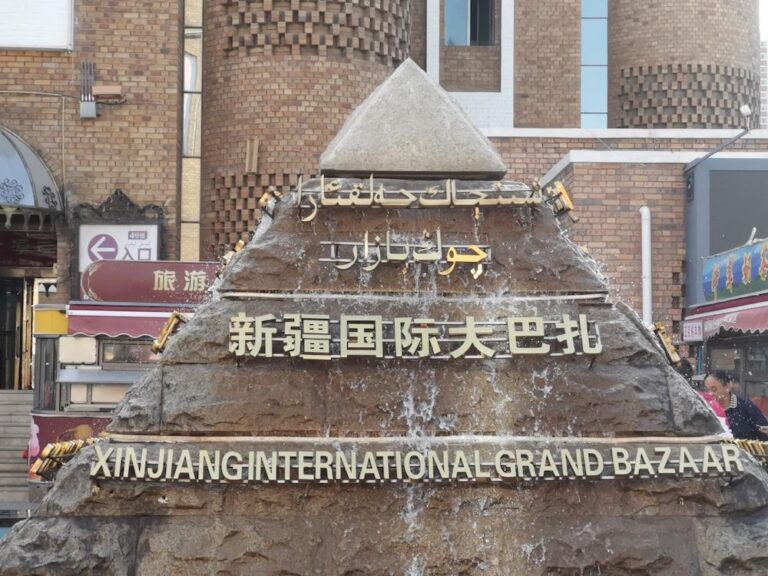
| Inflated carpet or jade | Kashgar, Hotan, Turpan shops | Buy from registered stores; compare at the Urumqi International Bazaar |
| Menu-less restaurant bill | Night markets, roadside grills | Ask the price of each dish before ordering |
| Street money exchange | Near borders and busy squares | Use bank ATMs; read our money and payments guide |
| Unlicensed “guide” or “photo helper” | Karakul Lake, scenic car parks | Hire through a verified operator; see how to hire a local guide |
What actually happened to my guests
In 2017 a couple flying into Urumqi Diwopu accepted a taxi from the arrivals hall instead of the signed queue. The driver quoted 300 yuan for what is normally a 40-yuan metered ride and got loud when they objected. They paid 120 and spent the first hour of their trip rattled. Since then I tell everyone the same thing: walk to the marked taxi rank or open DiDi before you leave the terminal.
In 2019 a German guest in Kashgar was walked into a carpet shop by a chatty local who said “just looking, no pressure.” Forty minutes later he had agreed to a 9,000-yuan “antique” rug that was, at best, a decent new piece worth a third of that. We returned it the next morning, but it ate half a day. Real antique carpets in Xinjiang are rare and documented. A shop that pulls one from the back room in five minutes is not selling antiques.
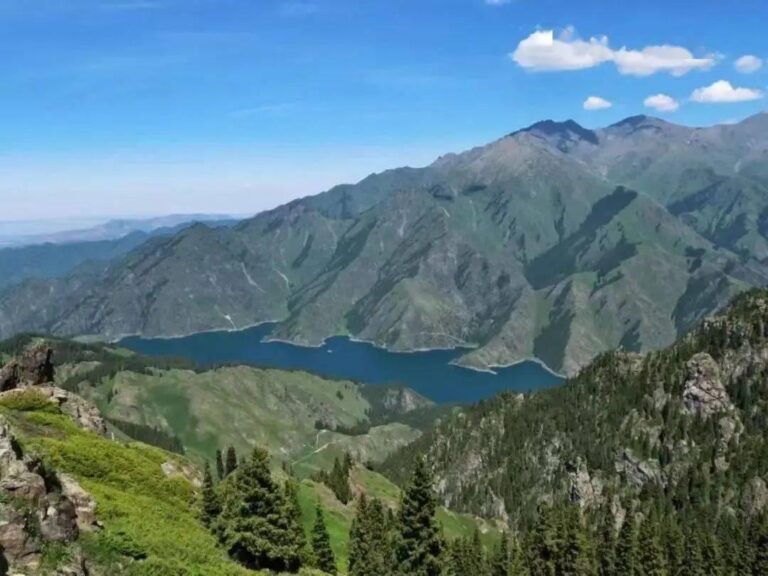
The one that still annoys me happened at Karakul Lake in 2023. A man offered to take a few photos of my guests “for free,” then blocked their way and demanded 200 yuan for the “service.” They had no reception to call anyone. We settled at 50, but the lesson stuck: at remote scenic spots, never hand your phone to a stranger who approached you first.
Taxi and transport tricks
The single most common issue is the unmetered ride. At airports and train stations, licensed taxis use a meter. If a driver says it is broken or quotes a flat rate before you have even said where you are going, that is your signal to walk away. DiDi (the Chinese ride app) shows a price upfront and records the plate, which removes almost all the risk. If you must take a street taxi, agree the total in yuan before you get in, and name your exact drop-off, not just “the old town.”
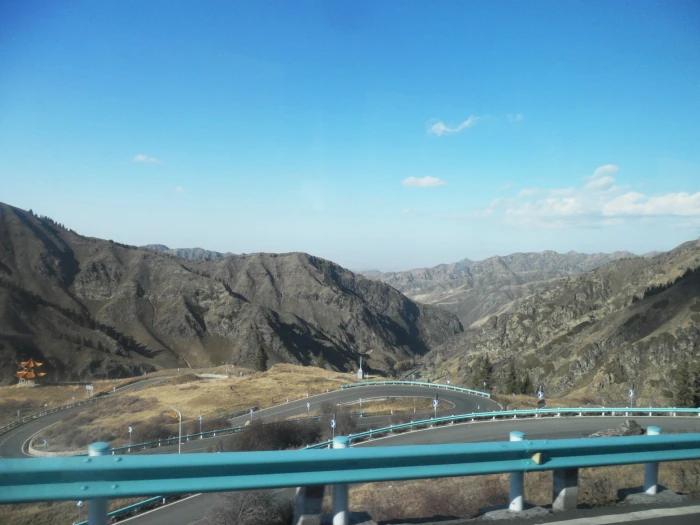
On longer routes, especially the mountain roads, drivers sometimes suggest a “detour” to a restaurant or hotel where they earn a commission. A polite but firm “straight to my hotel, please” handles it. Keep a screenshot of your hotel’s name and address in Chinese; showing it ends most arguments before they start.
Shopping and bazaar pressure
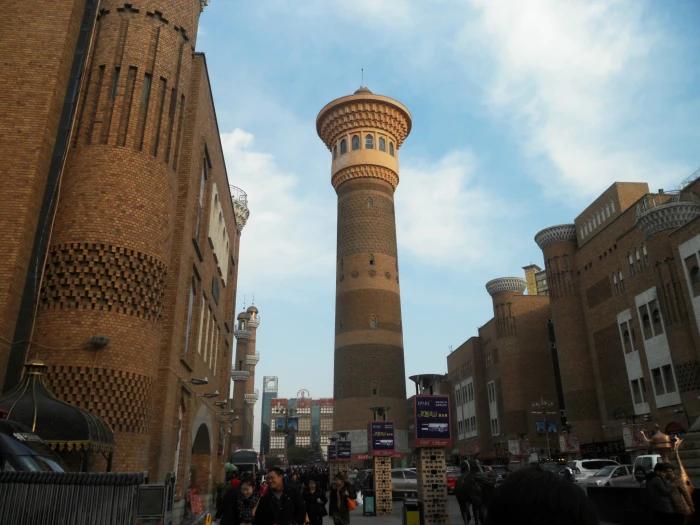
Bargaining is normal and friendly in Xinjiang’s markets, but a few patterns cross the line. The first is the “fixed price, no discount” line used to stop you comparing. In most bazaar stalls there is room to negotiate, so treat a hard refusal to haggle as a reason to keep walking. The second is the carpet and jade hard-sell, where a shopkeeper walks you through tea and small talk before the price appears. Enjoy the tea, but make the purchase decision later, on your own schedule, at a registered store.
Jade deserves its own warning. Around Hotan especially, sellers present a stone as “river jade” with a story attached, and the price can swing by a factor of ten depending on whether they think you know the difference. If you want jade, buy from a shop with a certification counter and a return policy, and treat any “I’ll give you a special price, just don’t tell the boss” line as a red flag rather than a deal.
For food shopping and snacking, our guide to Xinjiang food markets lists the spots where prices are posted and locals actually eat, which is the easiest way to avoid being overcharged while you wander.
Accommodation and booking traps
Most hotels in Xinjiang list on the major Chinese and international platforms, and those are safe. The trap is the “agent” who messages you outside the app, or a driver who insists your booked hotel is “closed” and offers a cheaper one he knows. Hotels do not randomly close, and a driver earns a kickback for the switch. Book through the platform, pay through the platform, and if a driver says your hotel is shut, call the hotel directly. In remote counties, confirm your reservation by phone a day ahead, since small guesthouses sometimes overbook in peak season.
Food and restaurant pricing
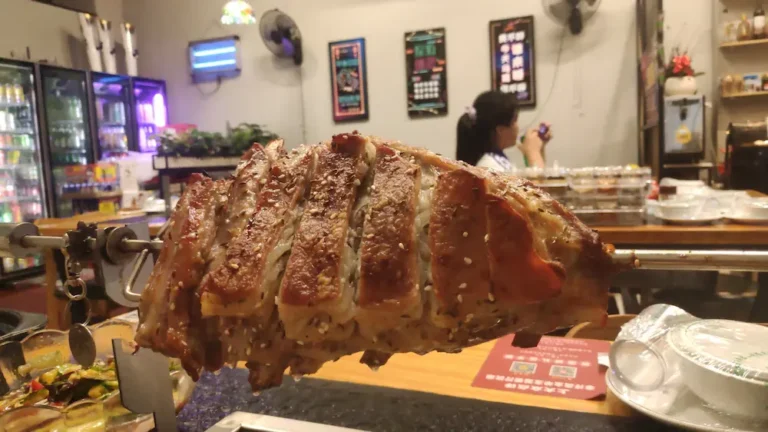
The rule that saves the most money is simple: see a price before you eat. At night-market grills and roadside spots, some vendors quote per skewer only after the food is cooked, and the number of skewers adds up fast. Point, ask “duoshao qian?” (how much), and agree. At sit-down restaurants, ask for a menu with prices; if there is none, name the dishes you want and confirm the total. The “special river fish” that appears at your table uninvited is the classic surprise-bill move, and it is always the most expensive thing on the hypothetical menu.
Money, SIM cards, and “helpful” strangers
Never exchange cash with someone who approaches you on the street, especially near borders or busy squares. The rate will be poor and the notes may be fake. Bank ATMs inside airport terminals and major branches give clean cash at the real rate; the money and payments guide covers which cards work. For SIM cards, buy at an official carrier shop or the airport counter. A “helper” offering a cheaper card on the spot is often selling a tourist SIM at a markup or one that will not register properly.
One more: at border and checkpoint areas, no official will ever collect a “permit fee” in cash from your car window. Legitimate permit costs are paid at official windows with a receipt. Anyone asking for cash on the spot is not official, and you should not pay.
Fake guides and the “free photo” trap
At scenic areas you may meet someone offering to guide you or take pictures “for free.” The photo one almost always ends with a demand for payment, and the guide one may be unlicensed, unable to buy your tickets, or steering you to commission shops. A licensed guide carries credentials and is arranged through a registered operator. Our piece on hiring a local guide explains what to check before you agree.
What to do if something goes wrong
Stay calm and practical. Keep receipts and, for taxis, a photo of the plate or the DiDi record. Tourist complaints in China run through the hotline 12345 (English service is limited, so have a translation app ready), and police can be reached at 110. For anything involving lost money through a booking or a medical issue, contact your insurer early; our travel insurance and safety guide lists what to document. In most cases a firm, public refusal and a willingness to walk away resolves the situation on the spot.
Practical habits that prevent most scams
- Install DiDi and a translation app before you fly in.
- Carry your hotel’s name and address in Chinese on your phone.
- Agree any price that is not metered before you commit.
- Book hotels and guides through the platform, not through strangers.
- Ask the price of food before it is cooked or served.
- Keep small cash separate so you are not flashing large notes.
Frequently asked questions
Is Xinjiang dangerous for tourists?
No. Violent crime against visitors is extremely rare. The issues in this article are about overcharging and pressure selling, not personal safety.
Do I need a guide to avoid being scammed?
No, but a licensed guide removes a lot of the uncertainty, especially in remote areas where you cannot read signs or call for help.
What if a taxi refuses the meter?
Get out and take the next one, or open DiDi. There is always another taxi, and the queue at the airport rank is metered by rule.
Can I bargain, and is that the same as a scam?
Bargaining is normal and welcome. A scam is when the price is hidden, inflated through deception, or forced. Friendly haggling is not.
Will my card help if I am overcharged?
Disputing a charge later is slow. It is easier to confirm the price before you pay than to undo it after.
Disclaimer
This article reflects the author’s personal experience and general travel observations in Xinjiang up to 2026. Scam tactics change, local rules shift, and situations differ by person and place. It is informational and not legal, financial, or security advice. Always verify current conditions with official sources such as the Xinjiang tourism authorities and your embassy, and use your own judgment. The author and publisher are not responsible for any loss incurred while traveling.
About the author
Aynur Tursun is a Urumqi-based travel writer and former inbound tour operator who arranged trips across Xinjiang from 2009 to 2019. She writes from lived experience rather than secondhand research, and focuses on the practical, honest side of visiting the region.