Published: August 06, 2026 | Author: Li Wei (李伟), Xinjiang-based travel writer
Why we wrote this Urumqi vs Kashgar comparison
Almost every first-time visitor to Xinjiang asks the same question within hours of landing: should I spend more time in Urumqi or Kashgar? This Urumqi vs Kashgar decision has shaped how we plan every trip. Between six visits since 2019, our allocation between these two cities shifted each time based on what we actually wanted. This article is a decision framework built from those trips, organized around who you are as a traveler rather than which city has more attractions on paper.
The mistake we see repeatedly is treating them as interchangeable checklist stops. They serve completely different functions. People who expect Urumqi to be “just transit” are usually surprised by its restaurants and day-trip options. Travelers who treat Kashgar as a quick photo stop before the mountains regularly tell us they wished they had booked an extra night.
The real question: what kind of traveler are you?
If you recognize yourself in one of these profiles, the answer is already clear:
- You have 3–4 days total. Skip Urumqi’s city sights. Land, pick up your rental car or train ticket, head straight to Kashgar or your main destination.
- You want old-city wandering, bazaars, Silk Road atmosphere. Kashgar, no contest. Nothing in Urumqi matches walking through the old city at 7 a.m. before tour buses arrive.
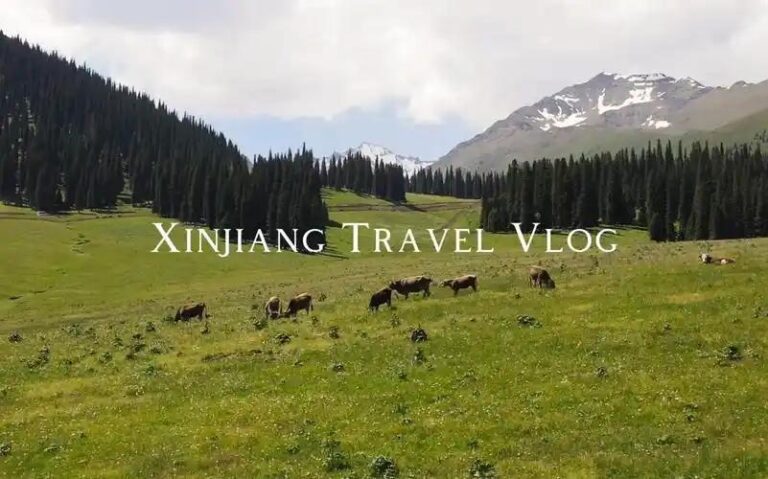
- You want food variety, modern convenience, a base for day trips. Urumqi wins. Diverse restaurant scene (not just Xinjiang cuisine), reliable hotels, Tianshan Heavenly Lake and Nansan Pasture within reach.
- First trip to China, no Mandarin. Start in Urumqi. English-capable hotel staff and bilingual menus are far more common there.
- Photography focused on culture and faces. Kashgar. The old-city alleys, animal market, teahouses — it is all concentrated there.
Quick facts side-by-side
| Urumqi | Kashgar | |
|---|---|---|
| Role | Regional hub, logistics gateway | Cultural heart, Silk Road terminus |
| Elevation | ~800 m | ~1,300 m |
| Airport | Diwopu (URC) — largest in Central Asia | Laining (KHG) — domestic + Bishkek/Osh |
| Train | High-speed to most Chinese cities | Overnight from Urumqi (~16 hr) |
| English level | Moderate (major hotels, museums) | Low — bring translation app |
| Mid-range hotel | ¥250–450/night | ¥180–350/night |
| Budget meal | ¥35–70/person | ¥25–50/person |
| Best season | May–October (fine year-round) | March–November |
| Minimum stay | 1 day (transit) / 2–3 days (base) | 2 days (rushed) / 3–4 days (good) |
Urumqi: what it is actually good for
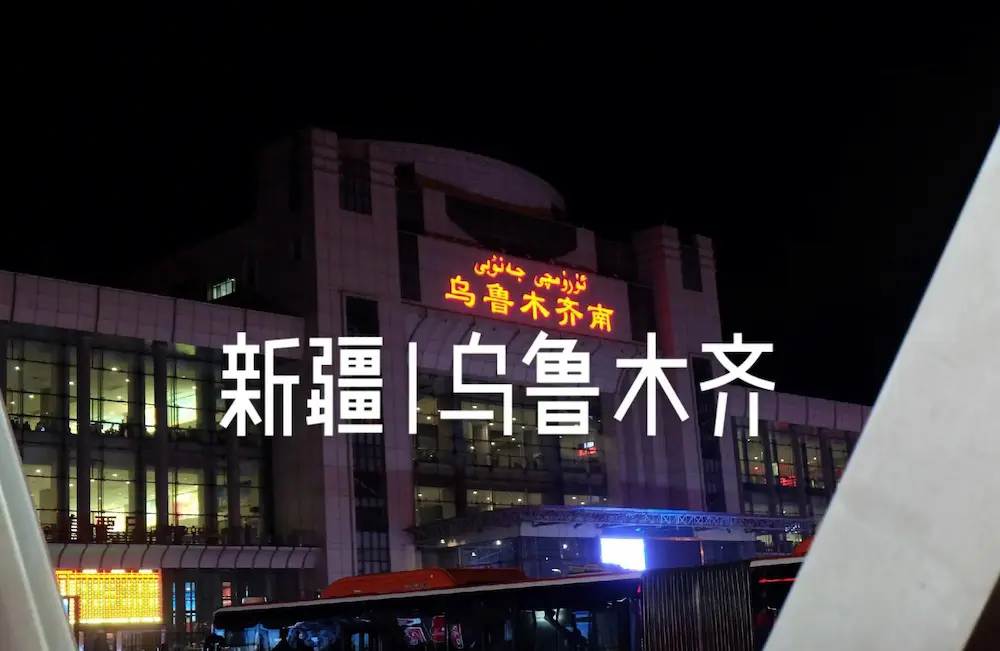
We have heard Urumqi dismissed as “just a transfer point” more times than we can count. That take is lazy. On our first visit in 2019, we landed at 11 p.m., stayed one night near the train station, caught a morning train to Turpan, and saw almost nothing. On three subsequent trips we deliberately kept 2–3 nights each time, and the city revealed itself in layers.
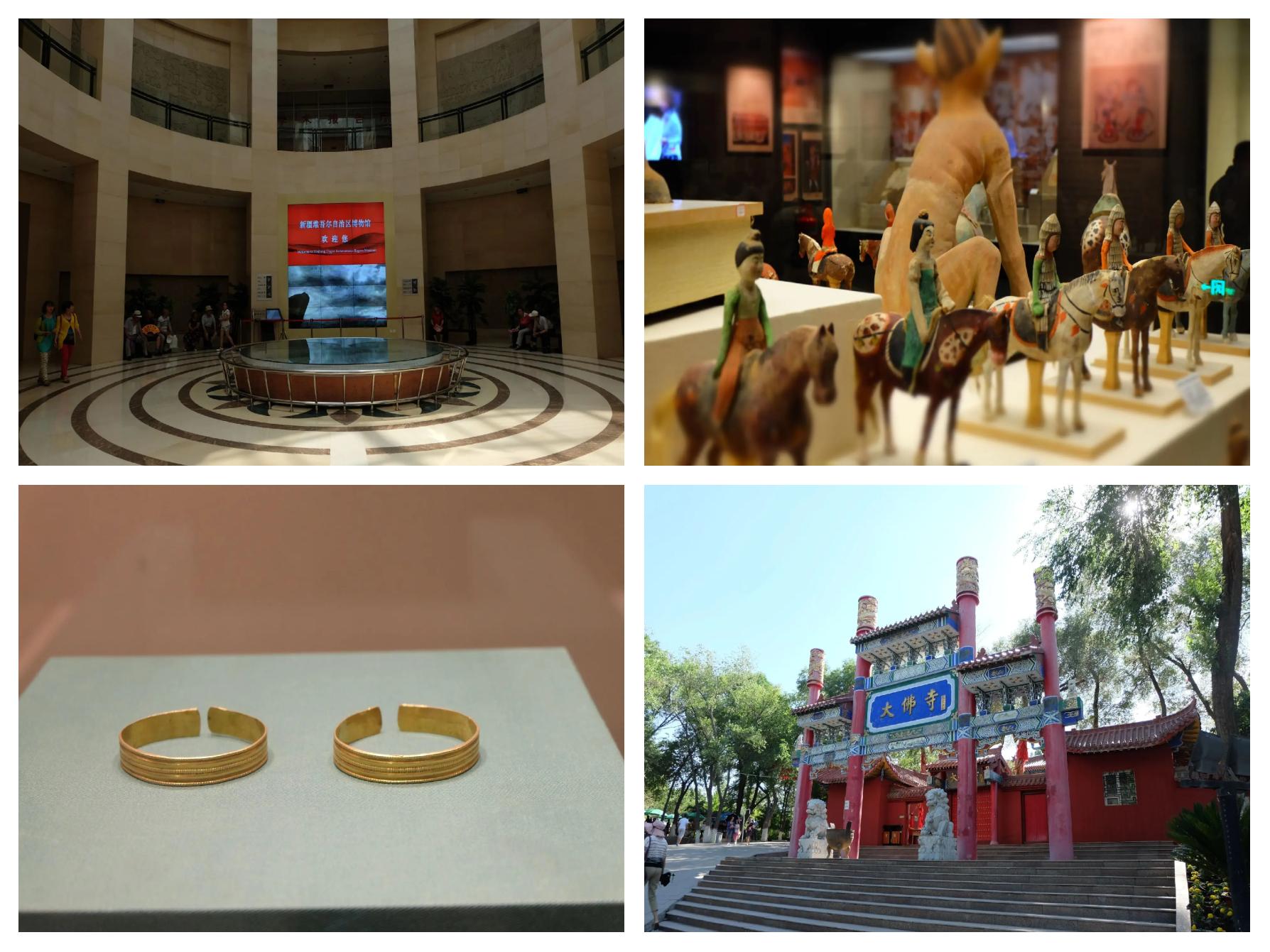
The museum alone justifies a stop. The Xinjiang Regional Museum holds the famous “Loulan Beauty” mummy and one of the best Silk Road textile collections outside Beijing. Plan 2–3 hours; labels are bilingual for main exhibits. When we visited in September 2023 some galleries were closed for renovation, so check ahead if the mummy is your priority.
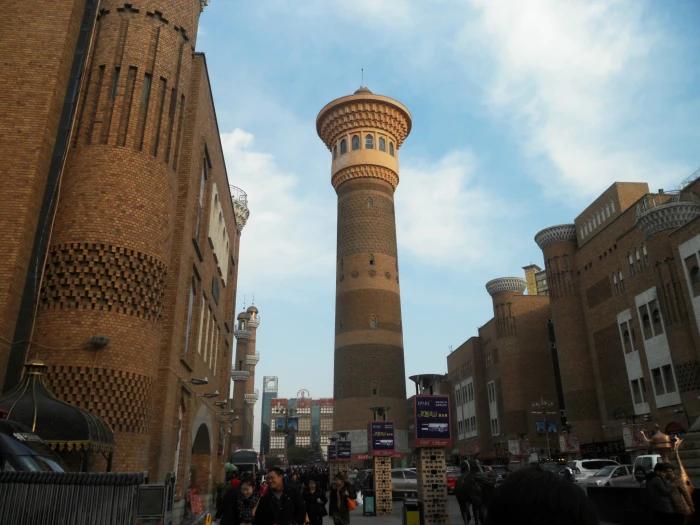
Food is the other reason to linger. Urumqi’s dining scene is the most cosmopolitan in Xinjiang — Sichuan hotpot, Western breakfasts, craft beer alongside lamb kebabs and noodles. The Nanhu Square area has a cluster of restaurants where we ate well repeatedly. For a concentrated local experience, the International Bazaar area is touristy but convenient with dried fruits, nuts, and an upstairs food court. Prices are negotiable; quality varies by stall.
As a base for day trips, Urumqi is unmatched. Tianshan Heavenly Lake is 90 minutes east. Nansan Pasture is under an hour. If you are driving the Duku Highway north-to-south, Urumqi is where you rent the vehicle and buy supplies. The city also has the widest selection of outdoor gear shops in the region — useful if you need to replace a broken layer before heading into higher country.
What Urumqi is not: photogenic in the way Kashgar is. The skyline is modern and generic. Old-town areas have been heavily redeveloped. If your trip is about visual storytelling, treat Urumqi as a tool (logistics, food, museum) rather than a subject.
Kashgar: what you come here for
Kashgar hits differently. We arrived one October evening tired from a long taxi ride from the airport, stepped into the old city the next morning, and within twenty minutes both of us thought: this is why we came. Low golden light bouncing off yellow mud-brick walls. An elderly man sweeping his doorstep. A child practicing the dutar somewhere nearby.
The old city is the core attraction — roughly 500 hectares of traditional architecture, narrow alleys, family homes. It is not a museum piece (parts have been renovated for tourism). People live there. Bakeries sell fresh naan from ovens set into the walls. It demands slow walking, not checklist ticking.
The Sunday Livestock Market (Sundays; smaller weekday version exists) is among western China’s most photographed events. Sheep, cattle, horses, and buyers gather 10 km from the old city. Go early — serious trading ends by 10 a.m. Our full guide covers logistics and photography etiquette. We arrived at 11 a.m. on our first visit and missed the peak energy. On the second trip we hired a driver for 6 a.m. pickup. Completely different experience.
Kashgar’s limitations: restaurant variety beyond Uyghur cuisine is thin. Mid-range hotels can be inconsistent (we had no hot water on a 5°C night once). The airport is small; flights get delayed or canceled by wind often. English is rare. None of these ruined our stays, but they require patience.
Where your money goes further
Kashgar is cheaper for almost everything. A solid local dinner for two runs ¥60–100 versus ¥90–150 in Urumqi. Old-city guesthouses start around ¥120/night in shoulder season; equivalent Urumqi rooms begin near ¥200. Urumqi has wider price range though — ¥50 hole-in-the-wall noodles or ¥400 banquet per person. In Kashgar the ceiling is lower, though converted-caravanserai boutique hotels now charge ¥500+ and fill fast in October.
Transport between them is the hidden cost. Flights average ¥600–1,200 one-way. Hard-sleeper train is ¥250–300 but consumes a full night each way. Factor this in if you plan to visit both.
The language gap in practice
In Urumqi we used English successfully at four hotels, the museum desk, one pharmacy, and two bilingual-menu restaurants. In Kashgar across two trips combined, English worked exactly once — at an international-chain hotel front desk. Everywhere else: translation app, pointing at menus, smiling.
If you do not read Chinese, download an offline-capable app (Google Translate works without data after you download the pack). Five Mandarin words covered 80% of our non-restaurant interactions: duōshao qián (how much), cèsuǒ (toilet), xièxie (thank you), zuǒguǎi / yòuguǎi (left/right turn for taxis), wǒ bù chī ròu (I don’t eat meat). In Kashgar, three Uyghur words generate warmth: Yaxşimusiz (hello), Rähmät (thank you), Hö (yes). Pronunciation need not be perfect; effort counts.
Getting between them
The airport guide covers both cities in detail. Condensed version:
- Flight: 1.5–2 hours airtime. China Southern and China Express run multiple daily. Fares swing from ¥400 (off-season) to ¥1,400 (Golden Week). Book 3+ weeks ahead in peak months. KHG has weather-related delays; build in a half-day buffer.
- Train (hard sleeper): K9788/K9720 overnight. Depart Urumqi ~19:00, arrive Kashgar ~11:00 next day. Tickets vanish fast in summer. Book via Trip.com or Railway 12306 app (latter needs Chinese phone number). Soft sleeper adds ~¥80 and is worth it for light sleepers.
- Duku Highway self-drive: Not direct transport — a multi-day scenic detour through Tianshan. May–October only. Check conditions daily. Spectacular but not a normal A-to-B solution.
Our recommendation: fly one direction, train the other. Train saves a hotel night and shows landscape scale. Flight buys back half a day.
Which to visit first
Flying internationally? You will enter through Urumqi (only city with regular international connections). Use that stop productively: one full day for museum + dinner, maybe Heavenly Lake if you land early. Then move on.
- North-to-south loop: Start Urumqi, end Kashgar, fly out of KHG. Finish with the atmospheric city, not the logistical one.
- South-only focus: Fly directly to Kashgar from Beijing/Shanghai/Chengdu/Urumqi. Skip Urumqi if your interests are purely cultural. Lose the museum, gain 2–3 southern days.
- Both cities, 7–9 days: Two nights Urumqi (museum + food + one day trip), three nights Kashgar (old city + market + one nearby site), travel day between them. Tight but doable.
For deeper regional breakdown see our North vs South Xinjiang guide covering climate, scenery types, and seasonal timing across the region.
A 9-day route using both cities
| Day | Plan | Base |
|---|---|---|
| Mon | Arrive Urumqi. Museum afternoon. Hotel-recommended dinner. | Urumqi |
| Tue | Tianshan Heavenly Lake day trip (back by 17:00). Evening: Nanhu Square walk. | Urumqi |
| Wed | Morning flight to Kashgar (~11:00 arrival). Old city orientation walk. | Kashgar |
| Thu | Full day old city: workshops, Id Kah Mosque, teahouse. Sunset from wall. | Kashgar |
| Fri | Sunday Livestock Market (if aligned) OR Oytagh Glacier Park day trip. | Kashgar |
| Sat | Bazaar shopping morning. Afternoon: relax or revisit a favorite alley. | Kashgar |
| Sun | Fly/train back to Urumqi. Last-night dinner (try a new cuisine). | Urumqi |
| Mon | Depart (or extend: add 2 days Duku Highway north section). | — |
Swap Heavenly Lake for Nansan Pasture (closer, less crowded) or drop it for more Kashgar time.
Frequently asked questions
Is Urumqi safe for foreign tourists? Yes. Security presence is visible (checkpoints, bag scans) but routine for residents, not directed at foreigners. Standard urban caution applies.
Do I need a special permit for Kashgar? Not for the city or old city. Some nearby border areas may require PSB registration; hotels usually handle it. Carry your passport always.
Which city has better weather? Urumqi is drier and more extreme. Kashgar slightly milder in winter but still cold. Both arid. Spring sandstorms hit Urumqi more.
Can I do this trip without Chinese? Yes, with effort. Download offline maps (Amap/Baidu beat Google Maps in Xinjiang). Chinese-written hotel addresses on your phone are your best taxi tool.
Is the train scenic? Parts cross interesting terrain near Bayinbuluke and the Taklamakan fringe, but much is flat desert at night. Sit right-side (facing forward) heading south for pre-dawn views.
Disclaimer
Prices, schedules, and regulations were accurate as of August 06, 2026. Fares change constantly. Timetables adjust seasonally. Border-area rules can shift without notice. Verify current conditions through official sources before firm plans. No financial relationship with any mentioned service.
Li Wei (李伟) has traveled extensively across Xinjiang since 2019, including extended stays in both Urumqi and Kashgar. He writes about overland routes, regional cuisine, and independent travel realities in western China. Conversational Mandarin speaker, slow Uyghur learner.