Published: August 26, 2026 | Author: Karl Huang
Why you can trust these notes
Planning a trip to Xinjiang with a wheelchair is not something you sort out from a glossy brochure. When my partner and I spent two weeks crossing the region in 2025, she was recovering from hip surgery and used a wheelchair for most of each day. Everything below comes from that trip. I write about Xinjiang travel for a living, but this piece is built from what actually happened at ticket gates, hotel lobbies, and trailheads, not from marketing copy. If a place worked for us, I say so. If it did not, I say that too. Xinjiang wheelchair accessibility is uneven, and pretending otherwise would only waste your time and your budget.
Quick reference
| Topic | Our honest verdict |
|---|---|
| Airports | Urumqi Diwopu and most city airports offer wheelchair assistance if you ask 48 hours ahead through your airline. |
| Trains | High-speed lines have accessible toilets and space; reserve the wheelchair carriage via the station, not only the app. |
| Metro / buses | Urumqi metro Line 1 is step-free with elevators. Ordinary buses are hit or miss. |
| Hotels | International-chain hotels in Urumqi and big cities have roll-in rooms. Remote guesthouses usually do not. |
| Best months | May to June and September. Skip January to February (ice) and the October National Day crush. |
| Must-haves | A companion, a spare wheelchair part, and a Chinese-language note explaining your needs. |
What it was actually like: our two weeks on wheels
We landed in Urumqi on a Tuesday, and the first real test was the airport bathroom. Diwopu’s accessible toilet near arrivals was clean and wide enough, but the automatic door opener was a low push panel that stuck on the first try. A staff member walked us through it within two minutes. That moment set the tone for the whole trip: help is available, but you usually have to ask for it out loud instead of assuming it will be obvious.
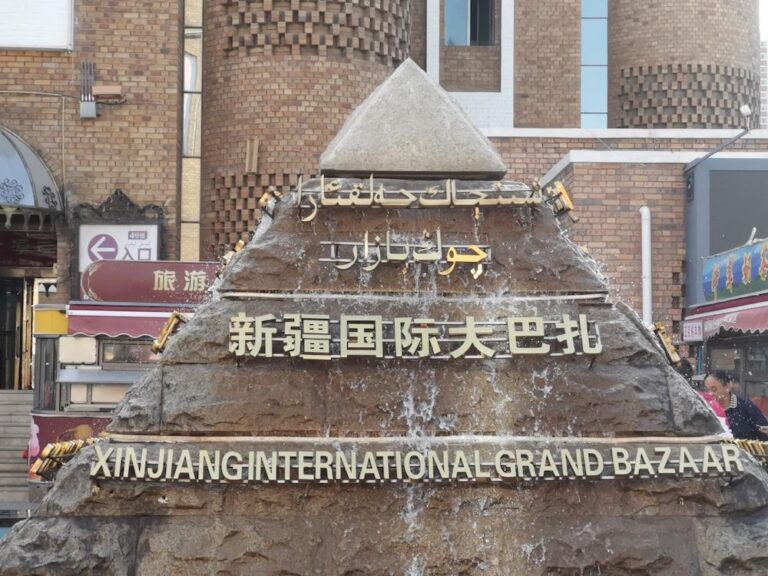
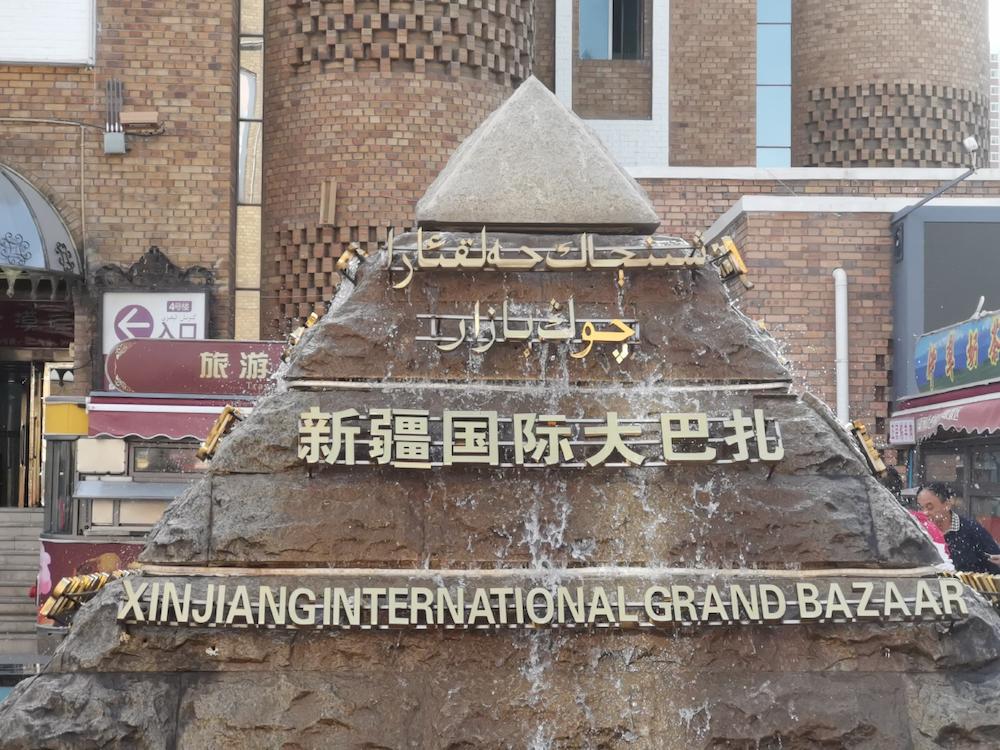
The genuine surprise that week was how smooth the newer parts of the city felt. Urumqi has poured money into curb cuts along its main avenues, and the pedestrian malls near the International Bazaar are flat enough to roll across without a fight. The hard moments showed up at older sites: earthen paths at the ruins, a single step at the door of a small museum, a lip at the entrance to a public washroom. None of that came from carelessness. It is simply an aging tourism footprint catching up slowly, and a chair user feels that gap more than most.
We also learned that patience counted as equipment. A gate that looked impossible at first usually opened within ten minutes once someone fetched a supervisor, and a locked accessible entrance often had a guard one call away. The lesson stuck with us for the rest of the trip: assume the infrastructure is there, just occasionally hidden behind a door that needs a human to open it.
Getting around: Xinjiang wheelchair accessibility on the ground
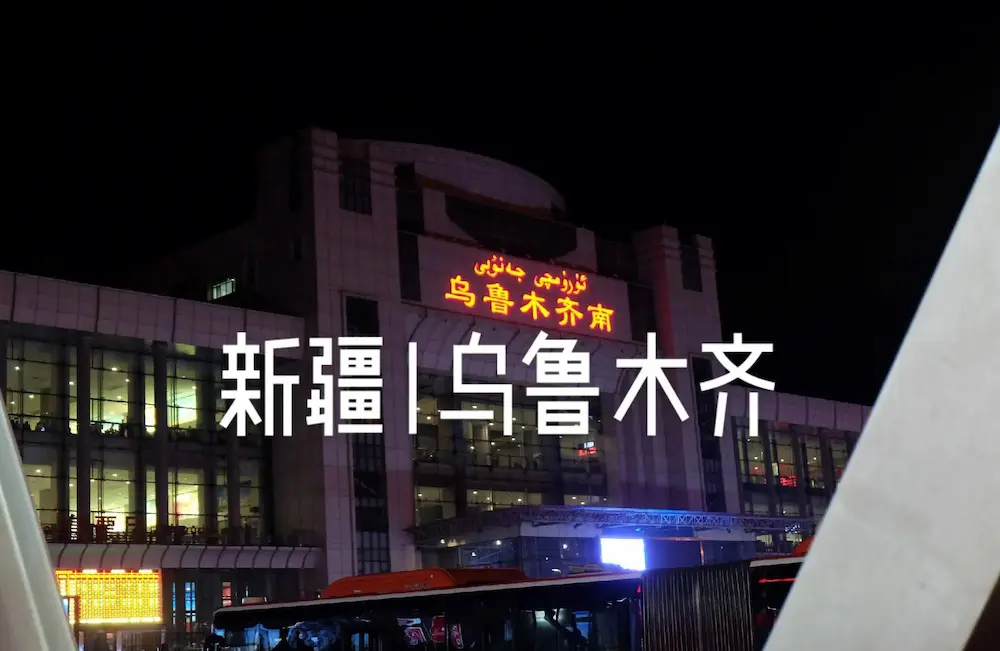
For long distances, the high-speed train was our best friend. The Lanzhou to Xinjiang line is modern, and the accessible carriage has a wider doorway plus a toilet built for a chair. The catch is that you cannot reliably lock in that space through the English-language booking sites. We phoned the station directly the day before, and a clerk held the spot for us. Inside Urumqi’s metro and bus network the elevators worked, though Latin-script signage was thin, so we saved the station names in Chinese on our phones and showed them at the gate.
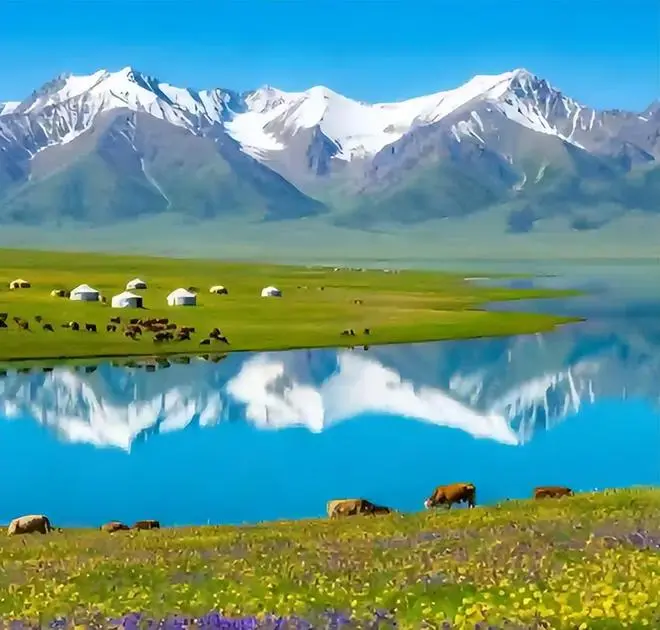
Domestic flights are another option, and the major airports handled the chair without drama when we pre-booked assistance. The weak link was the smaller regional airports, where the “accessible” route sometimes meant a staff member physically helping us up a ramp that had no permanent alternative. Car travel stayed the most flexible choice. We hired a driver with an SUV and simply lifted the chair into the trunk. That let us reach Sayram Lake and the grasslands without depending on on-site infrastructure at all. If you go this route, confirm the vehicle and a helping hand in writing before you pay a deposit. Taxis and ride apps were a mixed bag; drivers almost never carried a ramp, but several waited cheerfully while we folded the chair and lifted it into the boot for a small tip.
When to go
Timing matters more when you move slowly. We traveled in late May. Days sat in the high teens Celsius, the paths were dry, and the crowds were light, and all three made transfers easier. September is the other window: cool, clear, and just before the first snow closes the mountain passes. Skip deep winter unless you are ready for ice on every ramp, and avoid the first week of October, when domestic tourists crowd the exact routes we used and elevators turn into bottlenecks.
Where to sleep
Book the room type, not just the hotel. In Urumqi we stayed at an international chain and emailed ahead; they confirmed a roll-in shower on the lobby level. In smaller towns the “accessible room” label sometimes meant a wider door but a shower with a lip we could not cross. Traveling at a comfortable pace gets far easier when your base camp is solid, so we treated the hotel as part of the plan rather than an afterthought. Call, do not just click. A two-minute conversation kept us out of a third-floor walk-up in Turpan that the website had cheerfully called accessible.
Eating out without the stress
Most restaurants we tried had a step at the front but also a side or rear door at street level, and staff were quick to route us there once we pointed at the chair. Larger venues like the food halls near the bazaar were completely flat. The real problem was the toilet, not the table. We learned to eat where we could also use a usable bathroom, which meant favoring bigger malls over tiny hole-in-the-wall spots whenever nature called.
Practical tips we wish we had known sooner
- Request airport wheelchair help when you book the flight, then reconfirm 48 hours out. Walk-up requests got noticeably slower service.
- Carry a one-page Chinese note: “I use a wheelchair. Please direct me to the step-free entrance and accessible toilet.” Show it; do not try to explain it aloud.
- Bring a spare inner tube and a basic tool kit. A flat tire out near the desert is the wrong place to hunt for a 24-inch part.
- Download Amap (Gaode) and save offline areas. Google Maps is unreliable here, and you will need the Chinese names of stations and sights.
- Travel with at least one companion. Nearly every hard moment we had was solved faster because two of us could lift, ask, and translate at once.
- Build buffer time into every transfer. What should take 20 minutes took 45 because an elevator was mislabeled or a locked accessible door needed a guard to open it.
A realistic 5-day step-free loop
This is the route we would repeat, trimmed to what genuinely worked:
Day 1, Urumqi. Arrive, test the metro Line 1 to the International Bazaar (flat, elevators working), easy dinner inside the bazaar mall.
Day 2, Urumqi. The regional museum’s ground floor and Hongshan Park’s lower plaza are both step-free. Skip the hilltop pagoda, which needs stairs.
Day 3, train to a hub city. High-speed rail with the accessible carriage reserved. Settle into a chain hotel near the station.
Day 4, driven day trip. Hire an SUV for a lake or grassland loop you can enjoy from the car and from flat viewing platforms.
Day 5, slow return. One market or museum, then the airport assistance you booked on day one.

FAQ
Is Xinjiang safe for wheelchair users?
The region is calm and the people are helpful, but “safe” and “accessible” are two different questions. The real risk is infrastructure, not personal security.
Can I rent an accessible vehicle?
Not as a standard category. We rented a regular SUV and managed the chair by hand. Book through a driver who agrees in writing to help with transfers.
Do scenic spots have accessible toilets?
Newly built visitor centers usually do. Remote trailheads often do not. Plan bathroom stops at the main centers.
Is English spoken at ticket offices?
Rarely. The Chinese note and a translation app carried us through every gate without a raised voice.
Disclaimer
This account reflects a single trip taken in 2025 and is not medical or professional mobility advice. Facilities change, hotels renovate, and what worked for one traveler may not fit another. Always confirm current accessibility directly with airlines, hotels, and scenic areas before you book, and consult your own healthcare provider about long-distance travel. We are not responsible for any inconvenience, expense, or injury arising from following these notes.
About the author
Karl Huang is a travel writer focused on western China. He has spent the last several years documenting Xinjiang’s routes, towns, and practical travel conditions for overseas visitors, and he tests the advice he publishes by actually traveling the region, sometimes, as in this piece, with a companion who relies on a wheelchair. His goal is to give independent travelers accurate, usable information rather than polished promises.
This guide is part of our ongoing Xinjiang travel series. For related planning, see our pieces on limited-mobility travel tested on wheels and traveling the region with young children.