Published: August 26, 2026 | Author: Karl Huang, Xinjiang Attractions
Ulungur Lake winter fishing is the rare northern Xinjiang event that looks better in person than in the promotional clips. We came to Fuhai County in January expecting a staged photo opportunity and instead spent six hours on a frozen lake watching twenty men, two winches and a net longer than a kilometre do genuinely difficult work. This guide covers what the haul is, how it is organised, when to come, and the parts nobody puts in the brochure.
Why you can trust this account
We have visited Fuhai in three different seasons and stood on the ice for two separate winter hauls: one during the festival crowds and one on an ordinary working morning in early February with maybe eleven other spectators. The technical detail below comes from talking to the crew foreman, from Fuhai County’s own tourism bureau announcements, and from state media coverage of the 2026 edition, including reports by China News Service and Guangming Daily. Attendance and revenue figures are the county’s published numbers, not our estimates. Where we are guessing, we say so.
Ulungur Lake winter fishing at a glance
| Item | Detail |
|---|---|
| Location | Ulungur Lake, Fuhai County (Burultokay), Altay Prefecture |
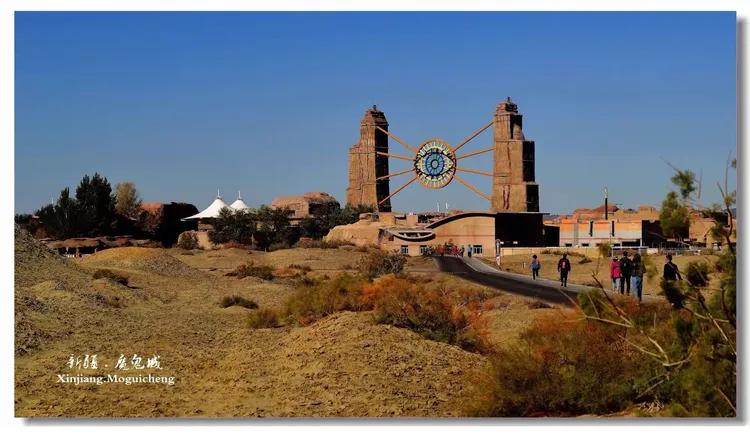
| Main festival venue | Lakeside Yardang scenic area, on Jili Lake’s northeast shore |
| Secondary venue | Golden Coast beach area |
| 2026 festival dates | January 24–25 (19th edition) |
| Working season | Roughly late December to late February |
| Ice thickness | Up to nearly 1 m at peak; snow cover around 30 cm |
| Net length | Over 1,000 m, fed through 200-plus ice holes |
| Time to close one net | 6–7 hours |
| Typical temperature | Daytime near −15°C; dawn readings of −25°C are normal |
| Nearest railway | Fuhai Station, about 26 km from the lake |
| Nearest airport | Altay Airport, about 100 km (2.5 hours by road) |
| Entry cost | Scenic area admission is low or waived on festival days; check on arrival |
What the haul actually involves
Ulungur is two connected bodies of water: the large Buluntuo Hai and the smaller Jili Lake, together forming the biggest wetland in China’s arid northwest. Fishermen here have been pulling nets under the ice for more than sixty years, and the method has barely changed.
The crew starts by chiselling holes roughly 20 centimetres across in a long arc across the ice. On a full-scale haul that means over two hundred holes. A net more than a kilometre long is fed in at one end and dragged along under the ice with poles, then pulled toward the exit hole by a mechanical capstan. Closing the net takes six to seven hours. Locals call the whole business ta xue xun yu, “treading snow to find fish”, which sounds poetic until you have watched someone clear slush out of a hole with bare hands at −22°C.
Timing matters more than most visitors realise. The chiselling and net-feeding happen in the dark, often starting before 6 a.m. The part everyone photographs — fish coming up through the exit hole in a churn of ice water — happens around midday. If you arrive at 11 a.m. you will see the finale and miss the craft.
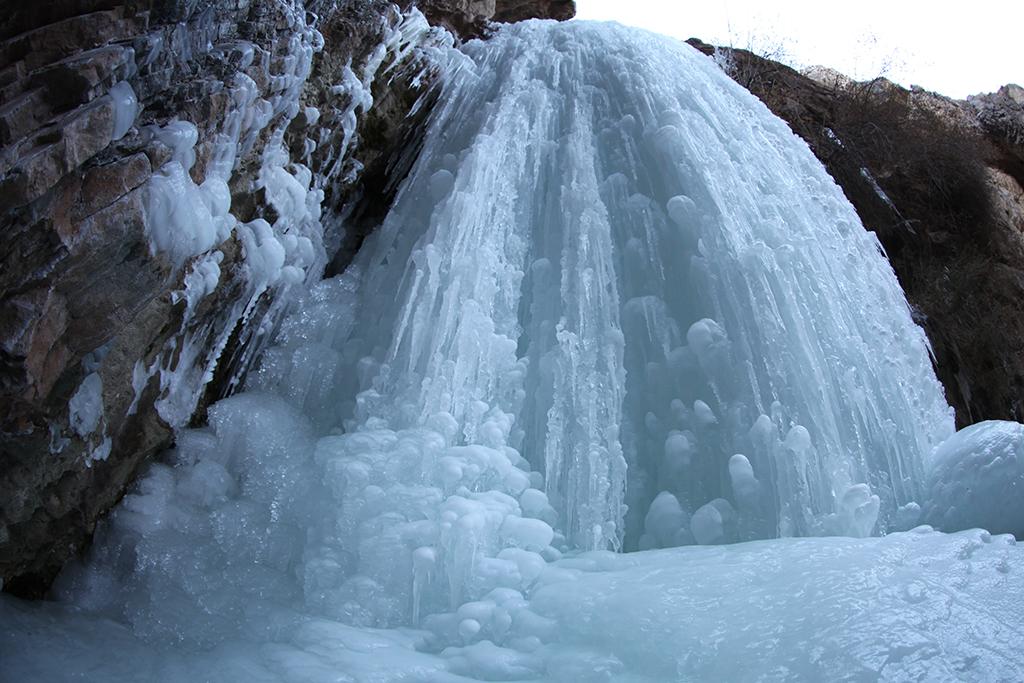
The morning we stood on the ice
Our first haul was during the festival, which meant a queue of cars, a drone overhead and a lot of people in rented sheepskin coats. The ceremony opened with drums, then the sacred fire collection, then the ritual the crew takes most seriously: honouring the lake and waking the nets. Fishermen in heavy coats poured spirits, said their words, and got to work. It is a working blessing, not a performance for cameras, and the crowd went quiet for it in a way I did not expect.
The second visit told us more. Early February, no festival, a smaller net, and a foreman named Wang who let us stand close enough to see how the winch cable was spliced. He explained that a bad haul is not the one with few fish. It is the one where the net snags on a submerged branch and the crew loses four hours getting it free. He also pointed out that our down jacket was a liability compared to his sheepskin, because down flattens when you kneel repeatedly on wet ice. He was right by hour four.
Fish came up in slow batches rather than one dramatic surge: pike first, then silver carp, then common carp, thrashing on the ice for a few seconds before being shovelled into crates. The temperature does the rest. A fish freezes solid within minutes, which is why Ulungur fish reach markets in decent condition without refrigeration trucks.
The 2026 festival, and one thing that changed
The 19th Ulungur Lake Winter Fishing Culture and Tourism Festival ran on January 24 and 25, 2026, with the theme “Blessings of Ulungur, Warmth of Altay”. Fuhai County has hosted it every year since 2005, and in 2025 the ice-fishing custom itself was added to the autonomous region’s list of intangible cultural heritage.
Scale is real. The county reported 97,755 visitors on January 24 alone, with comprehensive tourism income of about 37.15 million yuan for the day. Alongside the haul there were ice dragon boat races, ice football, snow horse racing, a winter market, embroidery demonstrations, Kazakh felt yurts, and a whole-fish banquet cooking competition.
The change worth noting: the festival preview announced an auction for the “fish king”, the ceremonial first catch, as in previous years. On the day, organisers sent it instead to a local elderly care service in Fuhai. Photographs of residents gathered around the fish circulated widely, and the auction did not happen. If you are planning a trip around seeing a bidding war for a giant carp, treat that as optional rather than guaranteed programming.
Fish, and the soup that comes with them
The dish built around the haul is yu yang xian, fish and mutton simmered together: Ulungur cold-water fish with Altay lamb, cooked in lake water over low heat. At the 2026 festival, roughly 1.5 tonnes of fish went into cauldrons over three metres across, and tasting was free. It is richer than it sounds and works remarkably well after four hours outdoors.
Beyond the free bowls, the market sells wind-dried fish, grilled fish skewers and local dry goods. Fuhai’s fish restaurants are unpretentious and good; ask for whatever came off the ice that morning rather than ordering from the photo menu. Our best meal was steamed carp with garlic and coriander at a place with plastic stools and a wood stove. If you want context on how the rest of the region treats freshwater fish, we compared regional styles in our piece on how Xinjiang cooks its freshwater fish.
Getting to Fuhai and the lake
By train, Fuhai Station sits on the Kuytun–Beitun line, with overnight services from Urumqi. From the station it is about 26 kilometres to the lakeside venue, roughly 50 minutes with winter road conditions. Beitun, the line’s northern terminus, is around 47 kilometres away by car and has more onward transport.
By air, Altay Airport is the practical choice at about 100 kilometres, or two and a half hours of driving in January. Fuyun Koktokay Airport also works if your route runs east.
Driving from Urumqi means roughly 400 kilometres north on the S21 desert expressway across the Junggar Basin, typically four and a half to five hours in good conditions and considerably longer if there is blowing snow. There is no scheduled bus to the scenic area, so plan on a car, a taxi from Fuhai town, or a festival shuttle if the county runs one. Read our notes on winter driving rules before you take a rental north; tyre requirements are enforced.
When to come: festival days or a quiet haul
Festival dates give you ceremony, food stalls, competitions and a crowd of nearly a hundred thousand. Ordinary working days in January and February give you access, silence and time with the crew, but no guarantee a large net is being pulled that morning.
Our honest recommendation: if this is your only trip north, come for the festival and accept the crowd. If you have flexibility, arrive two days early, ask at your hotel which crews are working and where, and see both. Hotel staff in Fuhai generally know. The broader Xinjiang winter festival calendar can help you stack this with other events.
Where to sleep
Fuhai town has a handful of serviceable hotels: Buluntuohai, Diyuan, Kangmei, Haiyue and Yilong among them. None are luxurious. All have heating, which is what matters. Rooms sell out for festival weekend, so book two to three weeks ahead or stay in Beitun and drive in. We stayed in Fuhai the first time and Beitun the second; Fuhai wins because a 6 a.m. departure is much easier from ten minutes away than from fifty.
If you are combining this with skiing, Altay City has better hotel stock and sits within reach of the lake for a day trip.
Staying warm and keeping your camera working
Cold on an open lake is not the same as cold in a city. Wind crosses several kilometres of flat ice with nothing to slow it.
- Boots rated to −30°C with a thick felt insole. Standard hiking boots fail after two hours of standing still.
- Two pairs of gloves: thin liners you can shoot with, thick mitts over them. Never handle metal tripod legs bare-handed.
- Wind shell over insulation, not the other way round.
- Keep spare camera batteries against your body. Ours dropped from full to dead in about forty minutes at −22°C.
- Bring your own water. Bottles left in the car freeze; an insulated flask of tea is better.
- Stay behind the crew’s marked lines. Cables under load and freshly cut holes are both genuine hazards.
- Sunglasses. Glare off fresh snow at midday is punishing.
For a fuller picture of the region’s lake in warmer months, see our guide to Fuhai and Ulungur Lake.
A two-day plan around the haul
Day 1: Arrive Fuhai by mid-afternoon, either overnight train or the drive from Urumqi. Walk the yardang boardwalk above the lake for the late light, when the red-brown cliffs sit against white ice. Early dinner of fish and lamb soup, then bed. Confirm the next morning’s start time with your driver.
Day 2: Leave at 6 a.m. for the ice. Watch the chiselling and the ceremony, warm up in a yurt with milk tea when your feet stop cooperating, then stay for the midday net-closing. Eat at the market. Afternoon at the winter fair or the ice games, and drive to Beitun or Altay in the evening if you are continuing north.
Questions travellers ask us
Can I fish myself? Not the big net, which is licensed commercial work. Some operators nearby set up recreational hole-fishing on the ice, which is a different and much quieter activity.
Is the ice safe to walk on? In peak season the ice runs close to a metre thick and vehicles drive on it. It is still a working site; walk where the crew and marshals indicate.
Do I need a permit? No special border permit is required for Fuhai. Carry your passport for hotel registration.
Will there be English? Almost none. A translation app and a hotel-arranged driver will cover most situations.
Can I buy fish to take away? Yes, fresh and wind-dried, sold at the market. Frozen fish travel fine in winter but check airline rules before you fly.
Is one day enough? One full day covers the haul. Two lets you see the lake in good light and avoid rushing the drive.
Disclaimer
Festival dates, ticket prices, programme details and transport times change year to year and are set by Fuhai County authorities. The figures here reflect the 2026 edition and conditions during our visits. Confirm dates through the Fuhai County culture and tourism bureau or your accommodation before booking flights. Ice conditions vary with the season; follow on-site instructions from the fishing crew and local marshals.
About the author
Karl Huang writes for Xinjiang Attractions and has travelled across northern Xinjiang in every season since 2019, including two winters spent specifically on the region’s frozen lakes. He has attended the Ulungur haul twice, once during the festival and once on a working day, and prefers the second. He reports what he saw and marks anything he did not verify himself.