Published: August 15, 2026 | Author: Karl Huang
Most visitors arrive in Xinjiang for the mutton, the hand-pulled noodles, and the long desert drives. I came for the fish. Xinjiang fish dishes caught me off guard on my second trip, because almost nobody outside the region mentions them. The two places that rewired my expectations were Bosten Lake, the biggest inland freshwater lake in China, and the Ili River valley in the northwest corner of the province. Both sit a thousand kilometres from any ocean, yet both put real fish on the table.
I am not a restaurant critic. I run a travel site and eat my way through every trip, and over three visits I have sat in enough Korla fish houses and Ili riverside grills to tell a farmed carp from a wild one. This guide is what I wish I had before my first plate: where the fish actually come from, which towns serve them well, and how to get there without wasting a day.
One thing worth saying up front: Xinjiang cooking is built on lamb, and a lot of travellers never look past it. Fish is the quiet alternative that resets your palate after a week of heavy肉串. On my third trip I started planning whole days around a single lake or river, and the meals ended up being the most memorable part of those stops. If you are the kind of person who orders the fish in a landlocked province just to see what happens, this guide is for you.
Quick Reference: Xinjiang Fish at a Glance
| Best fish regions | Bosten Lake (Bayingolin), Ili River (Yining) |
|---|---|
| Common species | Carp (鲤鱼), crucian carp (鲫鱼), pondsmelt (池沼公鱼), pike-perch (五道黑) |
| Signature styles | Whole-fish hotpot, riverside grilled fish, cold-smoked pondsmelt |
| Peak eating season | Late May to early September; ice fishing in January |
| Hub for Bosten Lake | Korla, about one hour by car |
| Hub for the Ili River | Yining city, on the river’s north bank |
My First Real Plate of Xinjiang Fish
I still remember the night in Korla. After two weeks of lamb skewers I walked into a crowded dining hall near the lake road and ordered the house fish hotpot without knowing what would arrive. What came was a wide brass pot of clear broth, a whole carp cut into sections, with tofu, winter melon, and a pile of coriander on the side. The broth was clean, almost sweet, and the meat flaked off the bone without that muddy taste you sometimes get from pond fish. A local engineer at the next table told me the lake fish are fed on the lake’s own plankton and pulled the same morning. I believed him after the second bowl.
Where the Fish Actually Come From
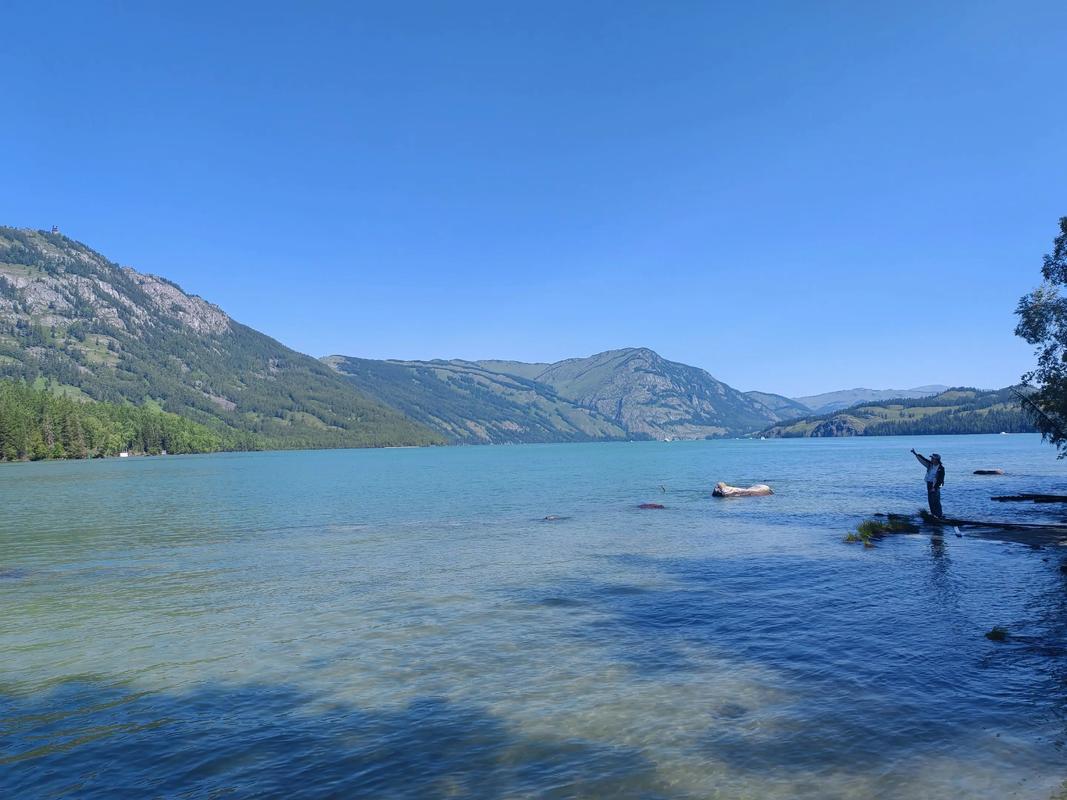
Bosten Lake sits in the BaYinGuoLeng Mongol Autonomous Prefecture, a short drive south of Korla. It is fed by the Kaidu River and is large enough that its fishery supplies much of southern Xinjiang. The lake is best known for two things: 鲤鱼 (common carp) raised in open water, and 池沼公鱼 (pondsmelt), a small silvery fish that is netted through the ice in winter and often smoked or dried. The pondsmelt trade is bigger than most visitors expect; the lake’s catch is exported frozen to Japan and Korea, where it is valued as a clean, mild white fish. Locally, the smoked version turns up as a cold starter in almost every lakefront house. If you want the lake itself, our Bosten Lake guide covers how to visit.
The Ili River tells a different story. It rises in the mountains of Kazakhstan, crosses into China near Yining, and supports wild carp and crucian carp that locals grill whole over charcoal at the riverside night market. The grilled version is closer to the famous western-Chinese 烤鱼 style: cumin, chilli, and a smear of oil, cooked until the skin blisters. It is loud, smoky, and far better than the version you find in a generic city food court. The crucian carp (鲫鱼) is smaller and bonier but richer, and older regulars at the Yining promenade tend to order it over the carp when they want flavour rather than convenience.
A Northern Bonus: Altay and the Irtysh
If your route reaches the far north, the Irtysh River (额尔齐斯河) around Altay produces 狗鱼, a true northern pike with pale flesh and a clean, almost sweet taste. It is outside the two main regions of this guide, but it is the one Xinjiang fish I would cross the province for. The pike is usually braised with tomato and onion, which softens the bones and keeps the meat moist. I mention it because travellers who love the Bosten and Ili fish often ask what else is out there, and the answer in the north is genuinely different.
Getting to the Fish
For Bosten Lake, fly or take the train to Korla, the capital of southern Xinjiang. From the Korla bus station, local buses and hired cars reach the lakefront towns of Bohu and Heshun in roughly an hour. Most fish restaurants cluster along the lake road, and many will show you the live tank before cooking.
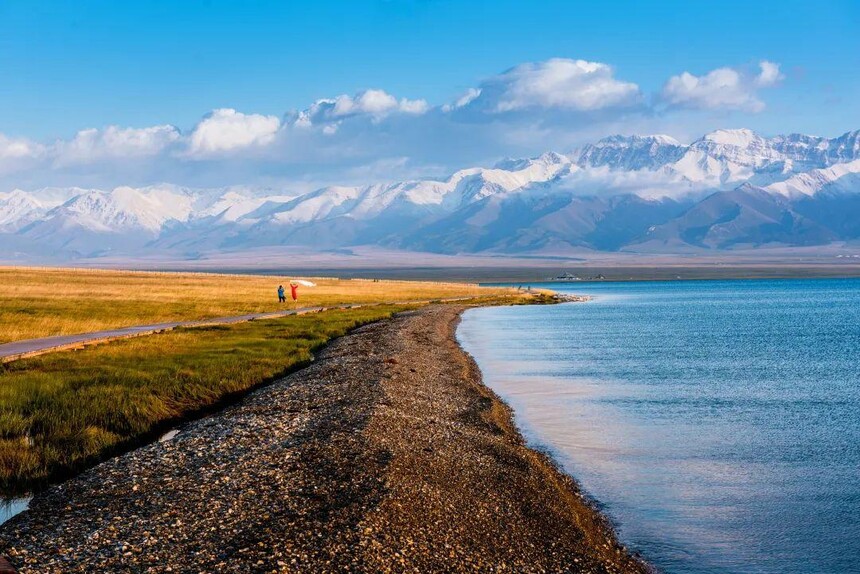
For the Ili River, fly to Yining (also called Ghulja). The riverside grills sit within a short taxi ride of the city centre, especially along the riverbank promenade in the evening. If you are already on a northern-Xinjiang loop, Yining works as a natural stop between Sayram Lake and the grasslands.
Best Time to Eat Xinjiang Fish
Late spring through early autumn is the easy answer. The lakes and rivers warm up, the fish feed actively, and the restaurants run at full strength. May and June are calm and the flesh is firm after the cold months. If you want something stranger, go in January for the ice fishing on Bosten Lake, when pondsmelt are pulled from holes cut in the frozen surface and eaten smoked the same day. I have not done the ice trip yet, and I would plan a separate winter visit rather than tack it onto a summer route.
Where to Stay
Korla has the full range, from international-chain hotels near the train station to cheap business hotels by the bus terminal. Stay in the city and make the lake a day trip. In Yining, pick a hotel within walking distance of the river promenade so you can drift down for a late grilled-fish dinner without worrying about taxis. Book ahead during the July and August peak; Korla fills up fast in summer.
What to Order
At a Bosten Lake house, ask for the whole-fish hotpot (鱼火锅) with carp, and try the smoked pondsmelt as a cold starter. The smoked fish keeps its tiny bones but the flavour is clean and salty in a good way. In Yining, order the riverside grilled fish (烤鱼) and tell them your spice level; medium is enough for most foreigners, and the kitchen will still lay on plenty of cumin. Expect to pay by weight: a typical carp hotpot for two runs somewhere in the lower double digits of yuan per jin, and a whole grilled river fish at the Yining promenade is usually priced per fish rather than per plate, so confirm the size before it goes on the coals. Pair either with naan to soak the broth, or branch out to big plate chicken if you want a heavier plate after a few days of fish.
Practical Tips for Ordering
Fish is sold by the jin (500 grams) or by the whole fish, so confirm the weight and price before it goes in the pot. Most places are halal and do not serve alcohol, which is normal across Xinjiang. Payment is usually via Alipay or WeChat; carry some cash for the smaller lake-road houses that still run on paper slips. Pointing at another table’s pot works better than describing it, and our ordering food without speaking Chinese piece has the phrases that got me through similar moments. If you like the bread-oven cooking style, the nang pit roast method shows up in fish houses too, where whole fish get sealed into the oven with spices.
A Two-Day Fish Itinerary
Day one: arrive in Korla, eat a light lunch, then drive to the Bosten Lakefront for an early dinner of fish hotpot and smoked pondsmelt. Sleep in Korla. Day two: take a morning train or flight north to Yining, drop your bags, and head to the riverbank promenade after sunset for grilled fish and a walk along the water. It is a relaxed pace, and it leaves room for the fruit and bread you will want between plates.
FAQ
Is Xinjiang fish halal? Yes. Fish houses are almost always halal kitchens, the same as the rest of the region’s restaurants.
I don’t eat mutton. Will I survive? Easily. Fish gives you a break from lamb, and the lake and river towns also serve vegetable hotpots and tofu.
Which city is best for fish? Korla for Bosten Lake carp and smoked pondsmelt; Yining for Ili River grilled fish. Both are worth a stop if your route allows.
Can I buy fish to take home? Smoked and dried pondsmelt travel well, but check the rules before flying with food. The dried version packs smallest.
Disclaimer
This guide reflects my own visits between 2024 and 2026. Prices, restaurant names, and seasonal openings change, and some lake-road houses close in the low season. Confirm weight, price, and opening hours locally before you commit. I was not paid by any restaurant mentioned here, and I have no affiliation with the places described.
About the author
Karl Huang is the founder of this Xinjiang travel site and has crossed the region by train, bus, and rental car on multiple trips. He writes from first-hand experience and focuses on practical, verifiable advice for foreign visitors. He can be reached through the contact page for corrections or updates.