Published: 19 October 2026 | Author: Karl Huang, Xinjiang Attractions
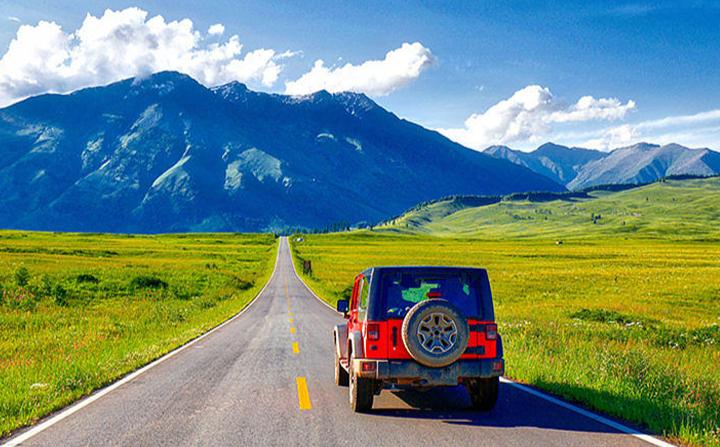
If you have one week and have never been to Xinjiang, don’t try to see everything — you’ll spend the whole trip on a train. The loop below is the route I send first-time friends on. It stays in the north (easier logistics, better roads, the scenery people actually picture), touches a lake, a desert oasis, a grassland and a forest, and loops back to Urumqi without backtracking. I’ve driven most of it and taken the high-speed rail for the long legs, and it has never let a visitor down.
At a glance
| Day | Base | Highlight | Travel time |
|---|---|---|---|
| 1 | Urumqi | City, museums, prep | — |
| 2 | Urumqi | Heavenly Lake (Tianchi) | 1.5 h each way |
| 3 | Turpan | Jiaohe ruins, karez, grapes | 2.5 h by rail |
| 4 | Yining (Ili) | Nalati grassland | fly or overnight rail |
| 5 | Yining | Sayram Lake, lavender | 2 h drive |
| 6 | Kanas area | Kanas / Hemu forest | fly to Altay + transfer |
| 7 | Urumqi | Fly out or buffer day | flight |
Why this loop and not the south
On my first trip I tried to bolt Kashgar onto a 7-day plan and spent two full days on transport for one afternoon of sightseeing. The north loop keeps daily drives under three hours (except the intentional long hauls) and strings together genuinely different landscapes. Save Kashgar and the Pamirs for a second trip of 10+ days — they deserve that much time.
Day 1: Arrive in Urumqi
Land in Urumqi and treat day one as logistics. The Xinjiang Regional Museum is genuinely worth half a day — the Tarim mummies and the Uyghur folk rooms explain more about the region than any blog post. Use the evening to book your Kanas shuttle tickets and confirm the Yining and Altay flights. Stay near the museum or the south gate; both are walkable to good hotels and the night-market strip on Minzu Daodao.
Day 2: Heavenly Lake (Tianchi)
Hire a car or join a tour to Heavenly Lake, a glacial lake at 1,900 m in the Tian Shan about 1.5 hours from the city. I went on a weekday in June and had the lakeside boardwalk nearly to myself by late afternoon; at weekends in July it’s a different, busier story. Take the cable car up for the panorama, then walk the western shore. Pack a windbreaker — it’s 10–15°C cooler than Urumqi even in August.
Day 3: Turpan’s oasis history
Take the rail two and a half hours east to Turpan, the hottest, lowest, most historically layered city in the region. The Jiaohe Ruins — a 2,000-year-old mud-brick city set on a cliff — were the highlight of my 2023 visit; go at opening (09:00) to beat both heat and tour buses. The karez underground irrigation system explains how anything grows in a place that barely sees rain.
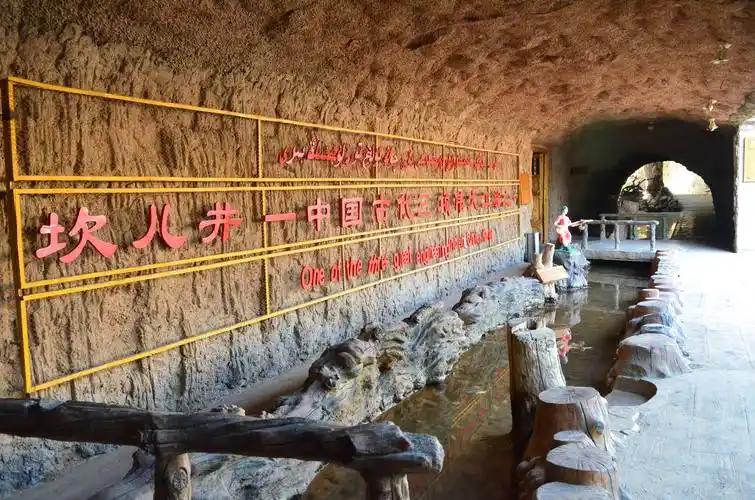
Stay overnight and eat at the night market — the grilled lamb and the cold noodle bowls (liang pi) are the best cheap dinner in the region. In summer, Turpan hits 40°C, so do outdoor sites before noon.
Day 4: Fly to Yining, drive to Nalati
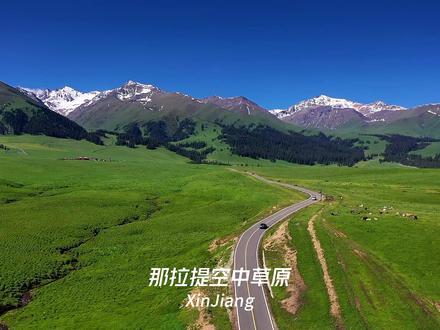
Fly or take the overnight rail to Yining, gateway to the Ili Valley, then drive two hours to Nalati grassland. The mountains roll into green pasture and Kazakh herders still move with the seasons. I stayed in a yurt camp one June night and woke to mist on the valley — worth the rough edges. Book the grassland ticket online; the shuttle from the gate to the high meadow is mandatory.
Day 5: Sayram Lake and lavender
Loop north to Sayram Lake, the largest alpine lake in Xinjiang, ringed by snow peaks — I’ve seen it mirror-still at sunrise and white-capped in an afternoon gale. Drive the lakeside road (about 90 km around) and stop at the wetland boardwalks. If you’re here in June–July, the lavender fields around Yining (Huocheng) are a detour worth making for the smell alone. Sleep in Yining.
Day 6: Kanas forest
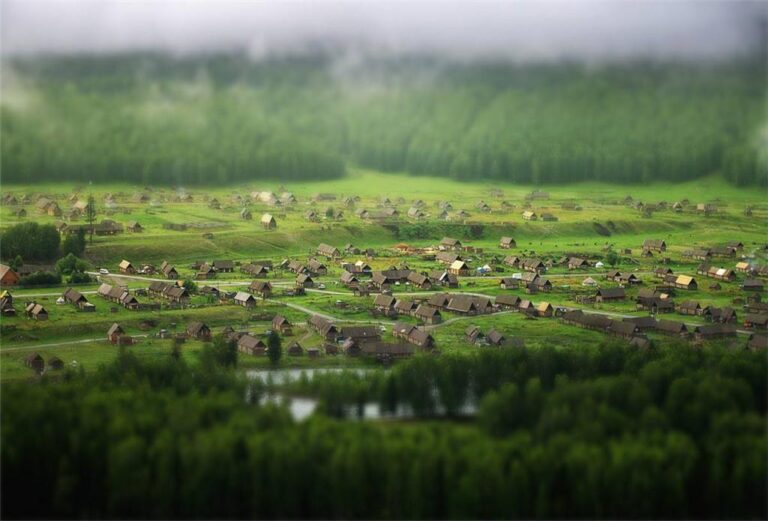
Fly from Yining to Altay and transfer 3–4 hours to Kanas (or the quieter village of Hemu). This is the postcard Xinjiang: a turquoise lake in a larch forest below glaciated peaks. I budgeted a full day and wished for two. The reserve runs a mandatory shuttle-bus system — book tickets ahead in July–August or you’ll queue for hours. Stay inside the reserve if you can; the morning light on the lake is why people come.
Day 7: buffer and fly out
Fly back to Urumqi and connect home. Build in this buffer day: northern weather and holiday crowds have stranded my plans more than once, and a slack day saves the trip. If your flight is fixed, use the morning for the Karamay area or a Urumqi food crawl instead of rushing.
What to eat on this route
Xinjiang food is the trip’s quiet highlight. In Urumqi, the hand-pulled noodles (laghman) and the spicy chicken-with-potatoes (da pan ji) at the bazaar; in Turpan, the seedless grapes and the baked flatbread; in Ili, the horse-milk drink (kumys) if you’re brave and the county-town kebabs everywhere. Carry small cash for the roadside stands — some don’t take cards.
Transport notes
The north loop works by high-speed rail plus one or two internal flights and a hired car for the grassland legs. A self-drive is rewarding if you’re confident on mountain roads, but the Kanas shuttle makes a private car less useful inside the reserve. Book the Urumqi–Yining and Altay flights early in summer — they fill fast in July–August.
Where to stay
Urumqi: a mid-range hotel near the museum. Turpan: anywhere central, it’s a small city. Yining: the city proper, not the grassland (save that for a yurt if you want the experience). Kanas: inside the reserve (Hemu or the Kanas village) books out months ahead in peak season — reserve the moment your flight is set.
Best season and rough cost
Best: June–early October (September for the golden larch). Cost: budget roughly ¥800–1,200 per person per day including mid-range hotels, trains/flights, and entries — less if you use overnight rail and hostels, more with a private car and lakeside lodges. I tracked about ¥9,000 for the week as a couple in September, mid-range.
Health, safety and connectivity
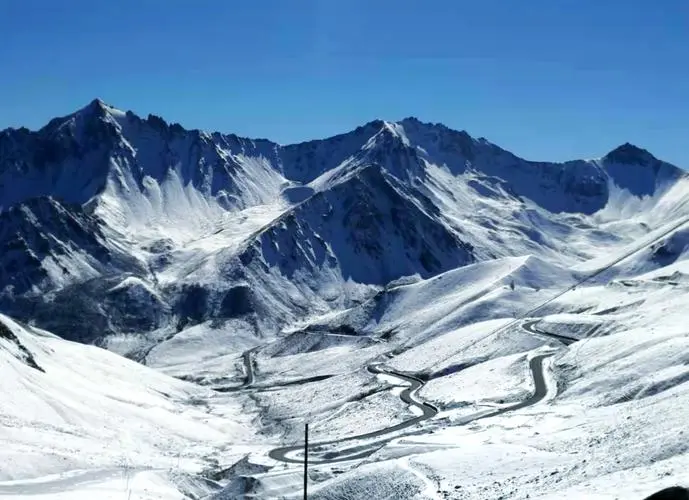
Altitude on this route stays low (Urumqi is 800 m; the passes top out around 3,000 m only if you add the Duku), so altitude sickness is rarely an issue. The real risks are sun and dehydration — the air is dry and the UV at altitude will burn you through a car window. Carry 2 litres of water a day in summer. Signal is fine in cities but drops on the grassland and forest roads; download offline maps in Yining and Altay before you head out.
Money, cards and apps
Bring a mix of cards and cash. International cards work at the big-city ATMs and chain hotels, but yurt camps, rural stands and some grassland shuttles are cash-only. Map and translation apps help, though in the Ili grasslands some signs are only in Chinese and Uyghur — a translation app with camera mode earns its keep. WeChat Pay and Alipay now accept some foreign cards, but don’t rely on it in the countryside.
What to pack for this exact route
Beyond the seasonal basics: comfortable walking shoes (Jiaohe and the Kanas boardwalks are uneven), a daypack, a refillable bottle, and a light rain shell even in August — afternoon storms hit the Tian Shan fast. A scarf or shawl covers both sudden cold and mosque dress codes. I also pack earplugs; the overnight rail and some lakeside lodges are noisy.
Souvenirs worth bringing home
Turpan raisins and the local seedless grapes (September only), Ili lavender products, and dried nuts from the bazaars are all easy to carry and genuinely local. Skip the “Xinjiang jade” sold at tourist stops unless you know what you’re doing — most is treated or imported. The regional museums sell proper replica artefacts and books if you want something with provenance.
Questions about this itinerary
Can I do this in 7 days without flying?
Technically yes via rail, but you’ll lose a day or two. The Yining–Altay flight is the one I wouldn’t drop — the overland alternative is long and scenic but slow.
Is the Duku Highway on this route?
Not in the base plan, but if you have a car and it’s open (June–September), the Urumqi–Kucha section can replace a rail leg. It’s one of the great drives in Asia and adds a red-canyon day.
What if I only have 5 days?
Cut Ili and Kanas, keep Urumqi + Heavenly Lake + Turpan, and add a day trip to the Karamay area. Save the full north loop for when you have a week.
Do I need a guide?
No. The route is signed and the rail is straightforward. A hired car helps in Ili and at Kanas, but you can also use the shuttle buses and local drivers.
Disclaimer
This itinerary is based on the author’s four personal trips (2021–2025) and standard transport schedules. Prices, train times, flight routes and Kanas shuttle rules change — verify with official sources and your booking platform before you travel. We are an independent travel-information publisher, not a tour operator.
About the author
Karl Huang founded Xinjiang Attractions after four trips across the region in every season. He writes first-hand, practical itineraries for independent foreign travellers and checks every route against current official schedules before publishing.