Published: August 15, 2026 | Author: Karl Huang
Why You Can Trust This Guide
Most “coffee in China” write-ups stop at Shanghai, Chengdu, or a trendy Beijing alley. Urumqi sits about 3,200 km west of the capital, and for a long time the city got its caffeine from brick tea and milky chay stalls rather than espresso machines. I have been back three times between 2022 and 2025, and on the last trip I made a point of mapping the Urumqi coffee scene one cup at a time. This is not a press-release version. It is what I saw by sitting in the chairs, talking to baristas, and overpaying for a bad pour-over so you do not have to.
If you are building the wider trip, our Urumqi City Guide covers neighborhoods, transport, and day-to-day safety in more depth.
Urumqi Coffee at a Glance
| Question | Short answer |
|---|---|
| Average price of a latte | ¥22–¥38; specialty pour-overs run higher |
| Where cafes cluster | Hongshan / People’s Square, near Xinjiang University, Tianshan riverside |
| Wi-Fi | Free in most spots; ask the counter for the password |
| Best months to visit | October–November and March–April are calm and walkable |
| International chains | A few Starbucks, many Luckin; local roasters are the interesting part |
| How to pay | Alipay or WeChat Pay; keep a little cash for tiny shops |
| English at the counter | Hit or miss; translation apps cover the gap |
My First Real Cup in Urumqi
I flew in on a late-October morning when the air was already sharp enough to see my breath. After dropping the bag at the hotel I walked south toward Hongshan Park looking for anything with a coffee smell. The first place I found was a narrow third-wave bar tucked between a dumpling shop and a phone-repair stall. A flat white was ¥32. The barista, a quiet guy who trained in Kunming, told me he rotates Yunnan and Colombian beans because local palates here still lean sweet. I stayed two hours, opened the laptop, and watched the Wi-Fi stall every twenty minutes until I gave up and tethered my phone. Before leaving I bought a bag of their house blend for ¥88 — more than I spend at home, but it tasted like the trip.
I came back the following January and the same bar had swapped its iced menu for hot chocolate and a dense walnut cake. The owner remembered the beans I bought and pulled a slightly different roast — “winter beans,” he called them — darker and rounder against the cold outside. That small continuity, a stranger recognizing a customer months later in a city of four million, is the part of Urumqi coffee no directory ever captures.
Where the Cafes Actually Cluster
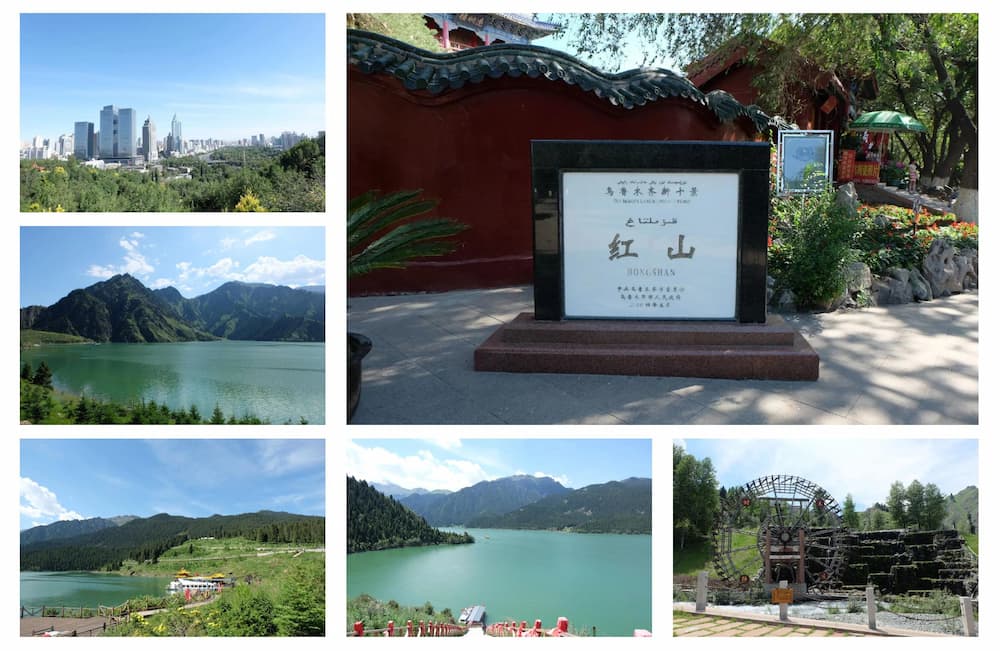
Urumqi is spread out, but the cafe life is not evenly distributed. The strip south of People’s Square and around Hongshan has the most independent rooms — small, warm, and built for lingering. Near Xinjiang University you get cheaper student spots where a latte is closer to ¥18 and the playlist is louder. Along the Tianshan district riverside there are window-seat cafes made for slow afternoons. Out in the northern suburbs and around the airport belt the pickings thin out, so plan your cafe days inside the ring road. And yes, the chains are everywhere: Luckin is on practically every corner, and you will spot a Starbucks or two inside the big malls like Youhao and Meijia. For character, though, skip the chains and walk five minutes off the main road.
Coffee Versus the Tea Tradition
It helps to understand why Urumqi’s coffee culture feels so new. For generations the default drink here was tea — milk tea in the north, brick tea in the south — served in bowls at the end of every meal and in nearly every home. Russian and Central Asian contact brought coffee earlier to some border towns, but the espresso-bar format is a post-2010 arrival, carried in by young Han Chinese returnees and a slow trickle of travelers. What I find interesting is the blend: a few cafes now offer a “Xinjiang latte” with local dried fruit or a hint of rose, a quiet nod to the region’s own pantry. You will not find it everywhere, and when you do it is more novelty than tradition, but it tells you the scene is still writing itself.
Getting There and Getting Around
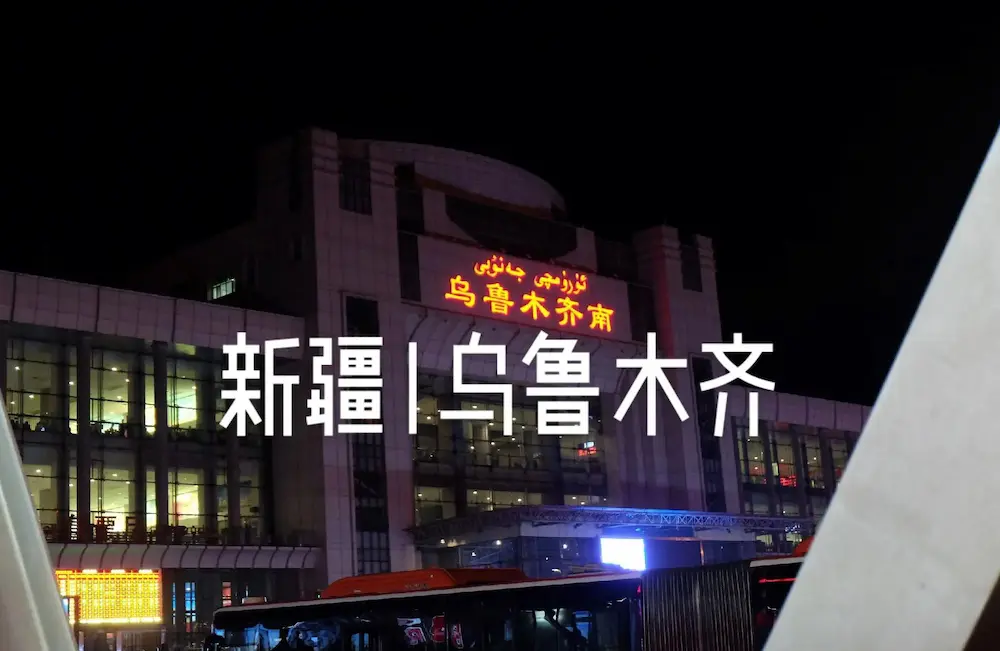
Most visitors arrive at Diwopu International Airport, about 20 km north of the center, then take the metro line 1 or an airport bus into town. Once you are in the city, ride-hailing apps are the easy way to hop between cafe districts; distances are long and the afternoon sun is unforgiving in summer. If you stay near Hongshan or People’s Square, you can leave the phone in your pocket and walk to a dozen spots.
Best Time to Cafe-Hop
Urumqi has a dry continental climate, which means real seasons. In deep winter (December to February) it can hit −15°C, and the cafes become the warmest, most welcome rooms in the city — perfect for a long black by the window. Summer (June to August) pushes past 30°C and iced coffee takes over. The shoulder months are best for walking between places without freezing or melting, and they are also when the tourist crowds thin out enough to actually hear the steam wand. One quirk: most indie cafes close around 21:00–22:00. This is not a late-night city, so plan your caffeine earlier than you would in Shanghai.
Where to Stay for Easy Mornings
If coffee is the point of the trip, book central. Staying around Hongshan or People’s Square puts a cafe on every block and saves you the ride-hailing math each morning. Our guide to booking Xinjiang hotels from abroad walks through the platforms that actually take foreign cards, which saves real headaches. Homestays are an option too — some Uyghur courtyard homestays sit close enough to the old streets that you can walk to a bakery and a coffee bar before nine.
What to Eat With Your Coffee
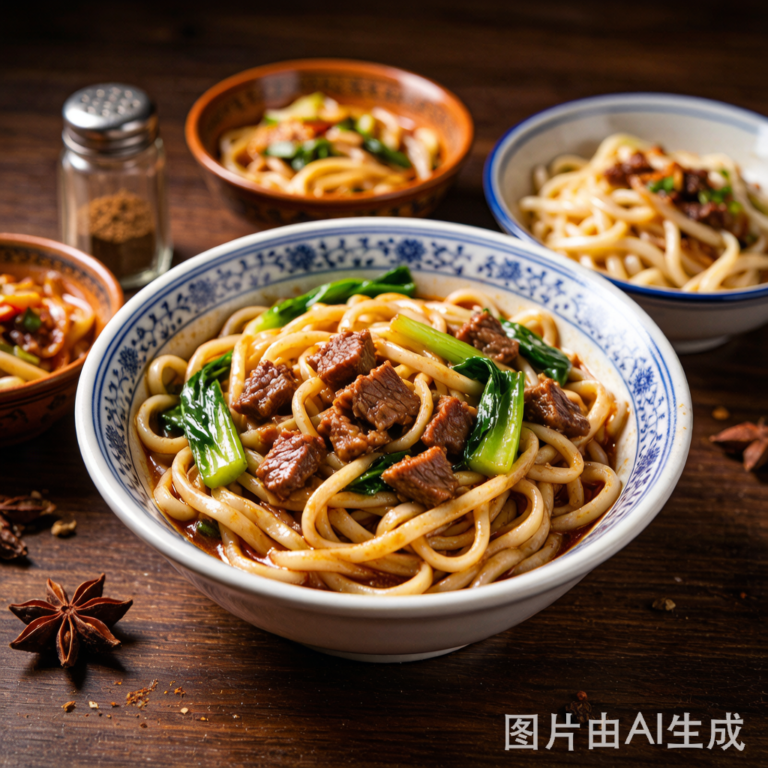
Xinjiang cafes usually sell a few pastries but rarely a full meal, so pair the coffee with the local food around them. A Xinjiang breakfast of milk tea, naan, and boiled eggs is the natural lead-in, and a flaky samsa (baked bun) beside a flat white is a combination I now crave. For lunch, walk to a noodle or big plate chicken spot — the chili-and-potato stew resets your palate for the afternoon pour-over. Coffee here is a complement to the food culture, not a replacement for it, and the best cafes know to keep the kitchen light so the beans stay the star.
Practical Tips Before You Order
A few things I wish someone had told me. Payment is mostly cashless: set up Alipay’s tourist version before you land, because some tiny cafes do not take notes at all. Menus are often app-based or in Chinese only, so a translation camera is worth more than phrasebook fluency. Outlets near the window are scarce, so grab a seat by the wall if you plan to work. Google Maps is unreliable in Xinjiang — use Amap (Gaode) or search “咖啡” on Meituan or Xiaohongshu to find what is open near you. Altitude is around 800 m, so unlike Lhasa there is no head-spin to worry about, just the dry air that will have you ordering a second cup. And tip nothing: tipping is not part of cafe culture here, so leaving coins only confuses the counter.
Bringing Beans Home
If you like what you drink, most indie cafes sell their beans by the bag, typically roasted the same week. Vacuum-sealed packs travel fine in checked luggage, and unlike fresh fruit they clear customs without fuss. I have carried home three bags over two trips and the worst that happened was one slightly crushed pouch in an overstuffed suitcase. Ask the barista for a medium roast if you brew at home with a drip machine, and a lighter one if you use a pour-over — they usually know their own beans better than any printed label, and most are happy to grind for you on the spot if you ask.
A One-Day Urumqi Coffee Itinerary
If you have a single day, here is a rhythm that worked for me. Start at 09:00 with a flat white and a samsa near Hongshan. Walk to the university district by 11:00 for a cheaper second cup and some people-watching. Break for a big plate chicken lunch around 13:00. At 15:00 settle into a riverside cafe with a book or laptop — this is the long, slow hour. Wrap up by 18:00 for dinner, since most cafes are closing by then. It is a low-key day, but that is exactly the point of the Urumqi coffee scene: slow, local, and unscripted.
Frequently Asked Questions
Is good coffee actually available in Urumqi?
Yes. Beyond the ubiquitous chains, a handful of local roasters pull real espresso and rotate single-origin beans. You will not struggle to find a decent cup.
Are there Starbucks?
A few, inside the major malls. Luckin is far more common. For something memorable, choose the independent bars instead.
How much does a cup cost?
A Luckin coffee can be ¥15 with a coupon; a specialty cafe latte is ¥22–¥38; pour-overs sit at the top of that range.
Can I work remotely from cafes?
Usually, yes. Wi-Fi is free but speeds vary, so keep a phone hotspot as backup. Wall outlets are limited, so pick your seat early.
Do baristas speak English?
Often minimal. A translation app handles ordering fine, and younger staff in specialty shops usually know a few words.
Disclaimer
This guide is independent and was not sponsored by any cafe, chain, or tourism body. Prices, opening hours, and even which shops survive were observed across visits in 2022–2025 and change often. Confirm details with the venue before you travel, and treat this as a starting point rather than a live directory.
About the Author
Karl Huang is a travel writer focused on Xinjiang and western China. He has traveled through all fourteen prefectures of the region, from the Pamir Plateau to the Dzungarian Basin, and writes practical, first-hand guides for visitors who want the real picture rather than the brochure. He pays for every cup himself.