Published: July 29, 2026 | Author: Carys Pritchard | Reviewed by the Xinjiang Attractions Editorial Team
I have run a small glamping site in Pembrokeshire for nine years. Three yurts, wood-burning stoves, memory foam mattresses, fairy lights on the guy ropes. My guests call it “the authentic nomad experience” and I have always felt slightly fraudulent taking their money for it. So in June 2025 my husband Huw and I flew to Xinjiang to find out what a real Xinjiang yurt stay involves, and whether the version I sell in Wales bears any resemblance to the original. Short answer: no. Longer answer: the real thing is colder, smellier, more chaotic and considerably better. Over thirteen nights we slept in six different yurts across four grasslands, from a tourist camp with electric blankets to a herder family’s felt house where a lamb wandered in at dawn and chewed the strap of my rucksack. This guide covers what we paid, how we booked, where the toilets were (a recurring theme), and which grasslands are worth the long drive.
Quick reference: Xinjiang yurt stay at a glance
| Item | Details |
|---|---|
| Typical cost | Tourist camps 100 to 200 RMB per person with dinner and breakfast; herder family yurts 100 to 150 RMB per person, meals included; private whole-yurt deals 400 to 600 RMB |
| Best regions | Sayram Lake, Kalajun, Nalati, Bayanbulak (Mongolian gers there, not Kazakh yurts) |
| Best months | Mid June to early September; herders dismantle and move down in late September |
| Booking | Almost nothing on international booking sites; arrange via WeChat, through drivers, or simply on arrival |
| Toilets and showers | Pit latrines at most camps, a walk from the yurt; showers rare, plan on paying 10 to 20 RMB in the nearest town |
| Night temperature | 5 to 10°C even in July at altitude; bedding provided but bring a sleeping bag liner |
What “yurt” actually means in Xinjiang
First, a correction I needed myself. The Kazakh families who hosted us do not call their homes yurts. The word is kiiz üy, felt house. The structure differs from the Mongolian ger in ways only a bore with a tape measure would notice, so naturally Huw brought a tape measure. The Kazakh roof poles curve where Mongolian ones run straight, which gives the kiiz üy a taller, more domed profile. In Bayanbulak, where the herders are Mongols rather than Kazakhs, you sleep in a proper ger with straight roof poles and a lower crown. Travellers call everything a yurt and everyone politely tolerates it.
The second correction: not everything round is felt. Scenic areas have sprouted concrete buildings shaped like yurts, with tiled bathrooms and karaoke machines. Some people want exactly that, and fair enough, but if you have come for felt walls and the smell of wool lanolin and woodsmoke, ask before you pay. The phrase that worked for us, shown on a translation app, was “real felt yurt, not a building.”
The six yurts we slept in
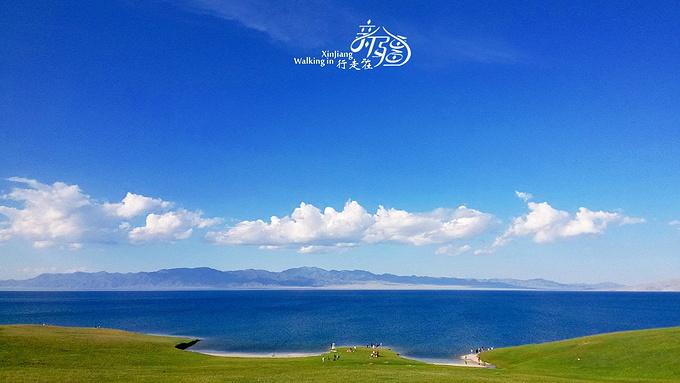
Our first two nights were at a tourist camp on the eastern shore of Sayram Lake, arranged by our driver with one phone call. 160 RMB each including dinner and breakfast, a row of white yurts on timber decking, proper beds, and an electric blanket that Huw declared cheating and then used both nights. This is the soft entry point. You get the felt walls and the crown of stars overhead, plus a lockable door and a latrine block only forty metres away.
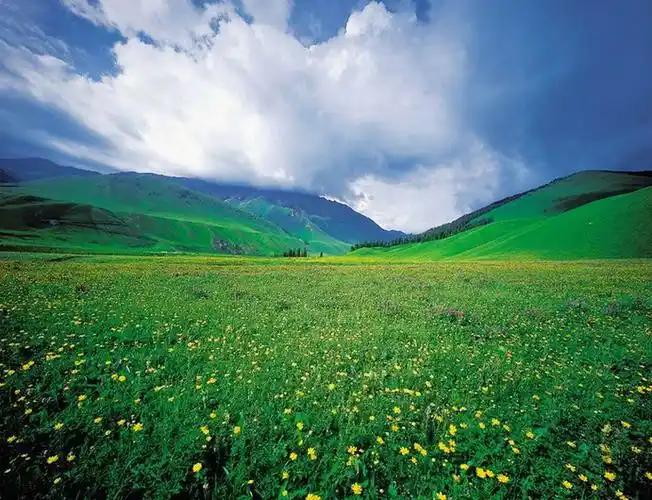
Nights three and four were the real recalibration. Through a contact from our Kalajun horse guide we stayed with a Kazakh family, Gulzhan and her husband Nurlan, in their summer pasture yurt. 130 RMB per person with all meals. We slept on layered felt and quilts alongside the family, feet toward the door as instructed. At half five the lambs started, at six the milking started, and at half six Gulzhan’s youngest was staring at me from a distance of roughly ten centimetres, waiting for the foreign woman to do something interesting. There is no privacy. That is not a flaw in the product; the shared circle is the product. If you would rather ease in with a family that hosts regularly, the Kazakh homestay experience we wrote about separately covers the etiquette in more depth.
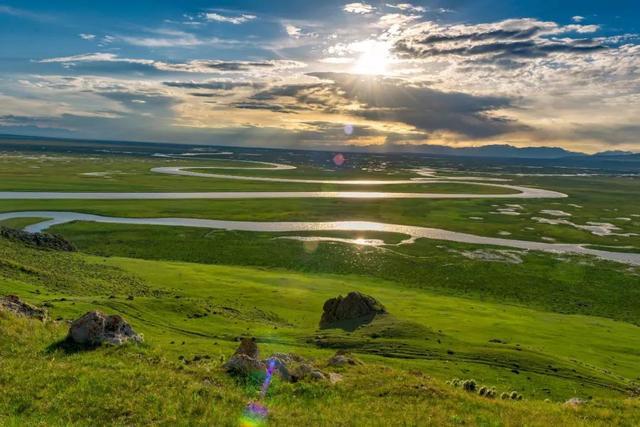
Night eight was a Mongolian ger at Bayanbulak, 150 RMB per person, booked on arrival at the edge of the protected area. Different structure, different tea (they salt it more generously), same astonishing quiet once the generator went off at eleven. The remaining nights were split between a Nalati camp and a second, larger commercial camp near the Sayram south shore that I would skip next time; forty yurts, tour buses, dinner served at trestle tables with a hundred strangers and a man doing amplified covers of Chinese pop songs until midnight.
How to book a yurt without speaking Chinese or Kazakh
Forget Booking.com. Of our six yurts, exactly none appeared on any international platform. The reliable methods, in order of how well they worked for us:
1. Ask your driver. Anyone driving tourists around Ili or Bayanbulak has a phone full of yurt camp contacts and earns a small commission. Ours never marked the price up more than 20 RMB that we could detect, and we checked by asking other guests.
2. Ask one host to arrange the next. Gulzhan set up our Bayanbulak ger through a cousin of a cousin. The nomad WeChat network is faster than any OTA.
3. Just turn up. Outside the July peak, camps at Sayram and Nalati had space every day we passed. During Chinese public holidays this fails completely, so check the holiday crowd calendar before you rely on it.
Getting there is the usual Xinjiang arithmetic: distances are huge and buses drop you on main roads, not in pastures. Most yurt regions sit along the Ili loop, and a hired car with driver runs 600 to 800 RMB per day split between passengers. Full numbers are in our Xinjiang travel cost breakdown.
When to go
The season is short and it is real, not a marketing window. Families move up to summer pasture in late May or June and come down in late September, and when they go, the yurts literally cease to exist. We went in the second half of June: wildflowers absurd, nights 6 to 8°C, mosquitoes present but not yet organised. July and August bring warmer nights and the domestic tourism wave. Early September is quieter and golden, but pack for frost. Winter yurt tourism exists only in a handful of staged settings; the actual herders are in brick winter houses at lower altitude, which is the sensible place to be.
What sleeping in a yurt is really like
Bedding at every stop was a stack of felt mats and heavy quilts, and every camp provided more quilts on request. Cleanliness varied from freshly aired to honestly musty; a silk or cotton sleeping bag liner weighs nothing and solved the question for us. At altitude the temperature drops fast once the sun goes, and the dung-fired stove that heats the yurt at dinner time will be stone cold by 3am. I sleep warm in Wales. I wore a wool hat to bed in Kalajun and was glad of it.
Toilets: pit latrines, usually a two-panel shelter a discreet distance away, sometimes just the far side of a hillock. Bring a head torch, paper, and hand sanitiser, and lower your expectations to somewhere around 1975. Showers barely exist on the grasslands. We paid 15 RMB each at a public shower house in Zhaosu town on day five and it was among the finest experiences of my life.
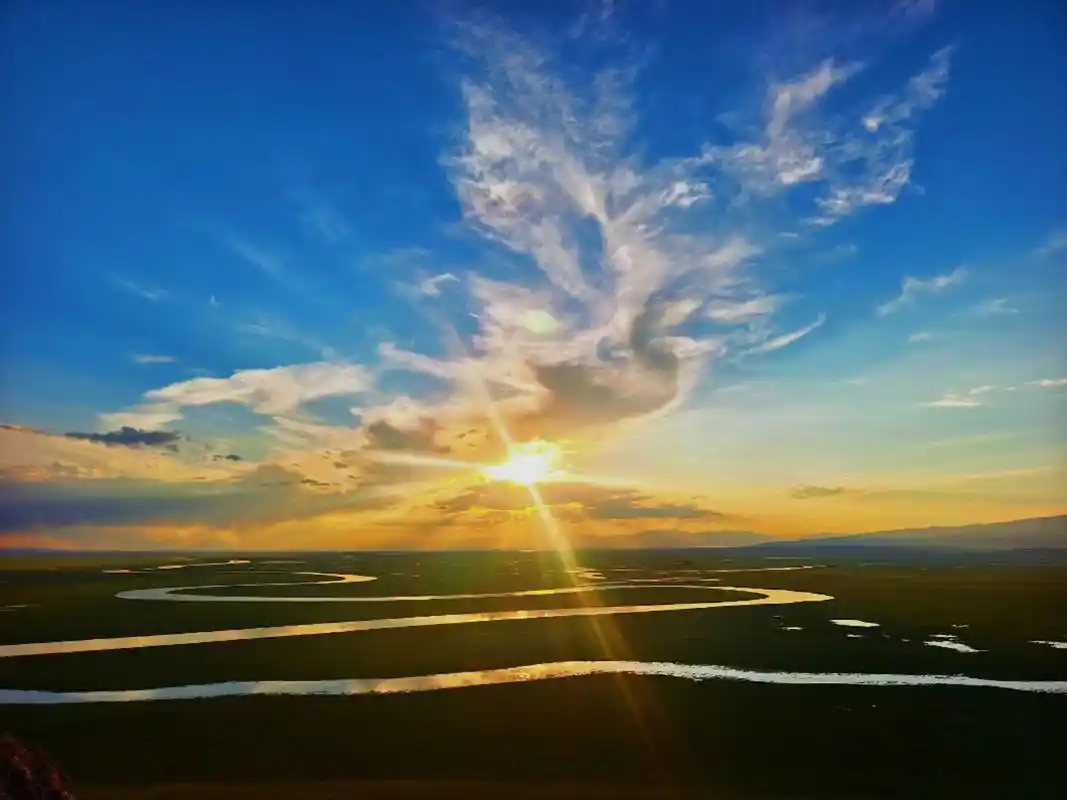
And the stars. On our second Kalajun night I got up at two, stood among the tethered horses, and watched the Milky Way from horizon to horizon with no artificial light in any direction. If that is a priority, our stargazing field guide lists which grasslands have the darkest skies, and campers should read the camping in Xinjiang rules first, because pitching your own tent is more restricted than you might assume.
What you will eat
Meals come with the bed and follow a pattern: milk tea with salt (better than it sounds by day three), fresh flatbread, homemade butter and kaymak, then an evening dish of hand-pulled noodles or, if the family is celebrating or you have paid for it, boiled mutton served with the fat regarded as the best part. Vegetarians can survive on bread, dairy, noodles and eggs but should say so early and expect puzzled kindness. You may be offered kumis, fermented mare’s milk, which I found sour, fizzy and borderline alcoholic in a way nobody warns you about; there is a full tasting report in our Xinjiang beverages guide. Refusing a second bowl is acceptable. Refusing the first is harder.
Practical tips from thirteen nights on felt
Cash in small notes; nobody on a pasture can change a 100. Download an offline translator before you lose signal, which you will. Carry your passport, as grassland scenic areas check IDs at entry gates. Gifts for host families work better as fruit or tea than money on top of the agreed rate. Keep your bag zipped against ambitious lambs. If you plan to combine your stay with riding, and you should, read our horse trekking guide for what a fair daily rate looks like. Finally, learn three words of Kazakh: rakhmet (thank you) earned more smiles than anything else we did. Context on the culture behind all this hospitality is in our Kazakh culture guide.
A realistic 8-day yurt itinerary
Day 1: Fly into Yining (Ghulja), city hotel, arrange driver.
Day 2: Drive to Sayram Lake, first night in a lakeside tourist camp to acclimatise.
Day 3: Sayram morning, then south to Zhaosu; town hotel and the sacred shower.
Days 4 and 5: Kalajun grassland, two nights with a herder family; ride out with a local guide on day 5.
Day 6: Drive east to Nalati, one night at a small camp away from the main gate.
Day 7: Cross to Bayanbulak, Mongolian ger night, evening at Swan Lake viewpoint.
Day 8: Long drive out to Korla or back to Yining, depending on your onward route.
Xinjiang yurt stay FAQ
How much does a Xinjiang yurt stay cost?
Budget 100 to 200 RMB per person per night including dinner and breakfast at both tourist camps and family yurts. Whole-yurt private arrangements run 400 to 600 RMB. Prices spike during Chinese public holidays.
Can I book a yurt online in advance?
Rarely, and almost never on English-language platforms. Use a driver, a previous host, or a Chinese app if you can navigate one. Turning up works outside peak weeks.
Are yurt stays suitable for children?
Yes, arguably ideal; host families usually have kids and the entertainment is mutual. The latrine situation and cold nights are the honest downsides.
Is there electricity and phone signal?
Tourist camps run generators or solar until around 11pm. Family yurts often have a single solar-charged bulb and a power bank economy. Signal ranged from full 4G at Sayram to nothing at all in upper Kalajun.
Yurt or ger, which should I choose?
Sleep in both if you can. Kazakh kiiz üy stays around Ili are easier to arrange; Mongolian gers cluster at Bayanbulak. The differences are architectural and culinary rather than one being better.
Disclaimer
We paid for every night, meal and horse ourselves and have no commercial relationship with any camp, family or driver mentioned. Prices are what we personally paid in June 2025 and will drift; grassland access rules and scenic area policies change, so confirm locally. Conditions at family yurts vary enormously and no two stays will match ours.
About the author: Carys Pritchard has owned and run a three-yurt glamping site in Pembrokeshire, Wales since 2017, and has slept in canvas, felt or fibreglass in eleven countries. She travelled through Xinjiang for three weeks in June 2025 with her husband Huw, a retired quantity surveyor who now measures other people’s roof poles. This article was edited and fact-checked by the Xinjiang Attractions editorial team.