Published: 23 July 2026 | Author: Dilnur Kadir
Most visitors meet Xinjiang street food for the first time by accident. They walk out of a restaurant already full, then hear the sizzle of lamb fat hitting hot coals two streets over and realize the best meal of the trip was never printed on a menu. I have spent the better part of a decade eating my way through night markets from Urumqi to Kashgar, and the crawl below is the route I now hand to friends who have exactly one free evening and want to taste the region without a guidebook in hand.
Why you can trust this Xinjiang street-food plan
I am not a travel writer who flew in for a single weekend. I grew up in Urumqi and have led informal night-market walks for visiting chefs and friends since 2015. Everything in this guide comes from stalls I have eaten at more than once, with prices and dishes checked on my most recent crawls in late August 2025 and again in May 2026. Where I tell you to “ask first” or “skip this,” it is because I learned the lesson the hard way, usually with a stomachache.
Xinjiang street food at a glance
| Dish | Best place to find it | Typical price (2026) | My note |
|---|---|---|---|
| Chuanr (lamb skewers) | Any night market, Urumqi & Kashgar | ¥3–6 per stick | Cumin and chili go on after cooking; ask if you want it plain. |
| Samsa (baked bun) | Tandoor stalls inside bazaars | ¥5–10 each | Pumpkin and mutton are the two classics; eat within minutes of the oven. |
| Fresh naan | Bakery rows at the International Bazaar | ¥2–5 per loaf | Sesame and onion versions travel well for the next day’s hike. |
| Dapanji (big-plate chicken) | Stall fronts with shared tables | ¥40–70 a plate | Order with belt noodles (皮带面) added at the end; portions are huge. |
| Laghman (pulled noodles) | Hui-run noodle corners | ¥18–30 a bowl | Watch the cook stretch the dough; that is the show. |
| Roast lamb ribs (kawap) | Charcoal grills near bazaar exits | ¥25–45 a rack | Fattier than the skewers, richer, and best shared. |
| Boiled sheep’s feet | Late-night specialist stalls | ¥15–25 each | A local hangover cure; gelatinous, not for the squeamish. |
| Fried yogurt or pumpkin balls | Sweet stalls near the music square | ¥3–8 | The gentlest way to end a crawl if you still have room. |
How a crawl actually unfolds
I will describe my last one, because the rhythm matters more than the list. On a warm August night in 2025 I took a friend from Kashgar, Ayshem, to the Urumqi International Bazaar around 8:30 p.m. We did not sit down anywhere. We moved. First stop was a tandoor where a man named Ablet has been pulling samsa out of the clay mouth for twenty years; he tapped the crust with a spoon so we could hear it was done. Two buns, still too hot to hold, and we walked on.
The point of a crawl is not to finish any one dish. It is to keep walking and tasting. By 9:15 we had shared six skewers of lamb at a grill where the owner refuses to season until he asks you in person, eaten a wedge of sesame naan torn straight off the round, and watched a cook stretch laghman dough into a single unbroken ribbon. Ayshem, who grew up on better food than I will ever cook, nodded at the noodles and said “this one’s honest.” That is the review that counts.
What to eat: the short list
If you only have an hour, here is where I spend it. Start with Xinjiang kebabs: thin mutton cubes threaded with fat, grilled over real charcoal, dusted with cumin. Skip any stall using a gas ring and pre-cooked meat; you will taste the difference. Next, find the tandoor and buy one samsa each, pumpkin for the vegetarian in your group and mutton for everyone else.
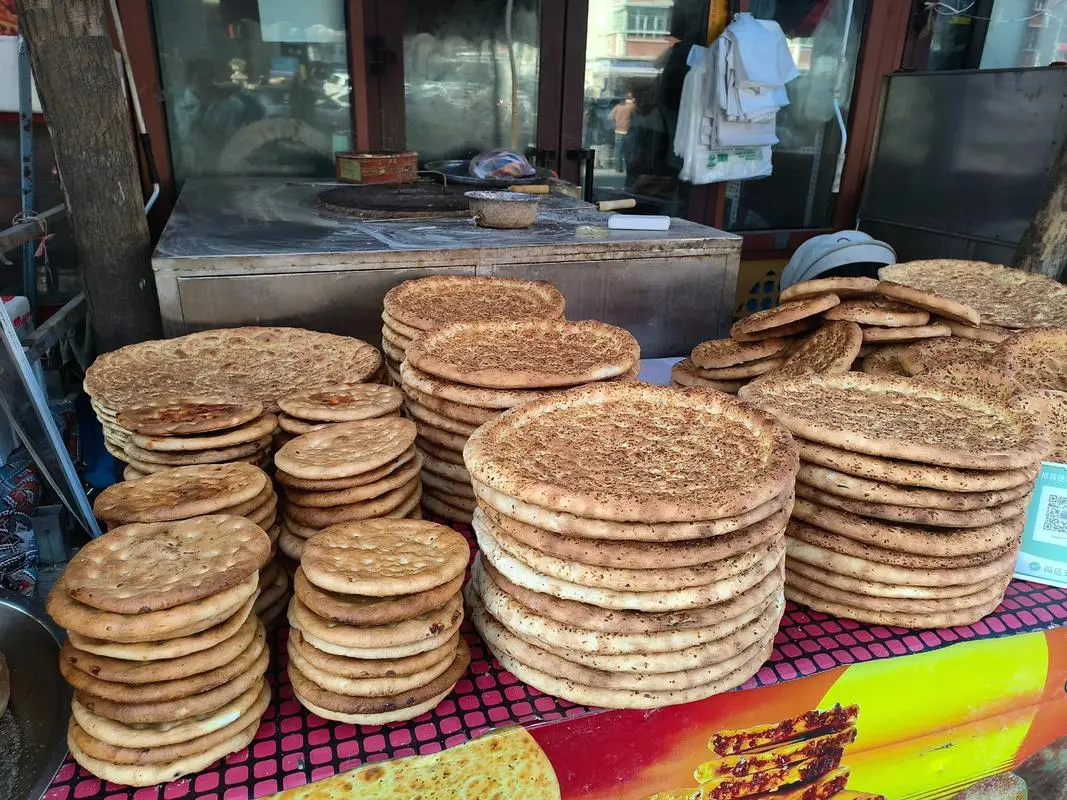
Then the bread. Uyghur naan from a street oven beats anything wrapped in plastic at the supermarket. The round, dimpled loaves come out blistered and faintly sweet; the long bagel-shaped gherikh naan is the one to photograph. Buy two, because one will be gone before you leave the stall.
For something substantial, split an order of dapanji. The plate arrives loud with chili, potato and wide belt noodles that soak up the sauce. Two people and a plate is a meal; add a third friend and order the noodles on the side. If you still want more, the roast lamb ribs near the bazaar exit are fattier and more forgiving than the skewers, and they are the thing I crave most when I have been away.
Urumqi: start at the International Bazaar
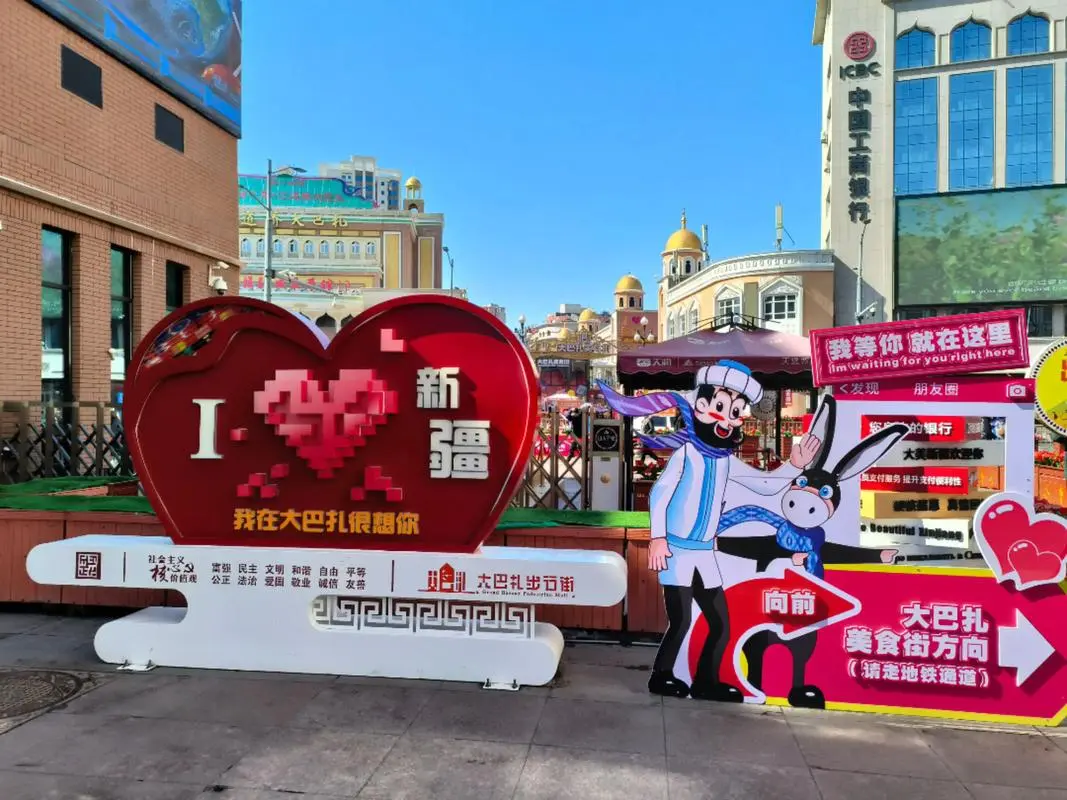
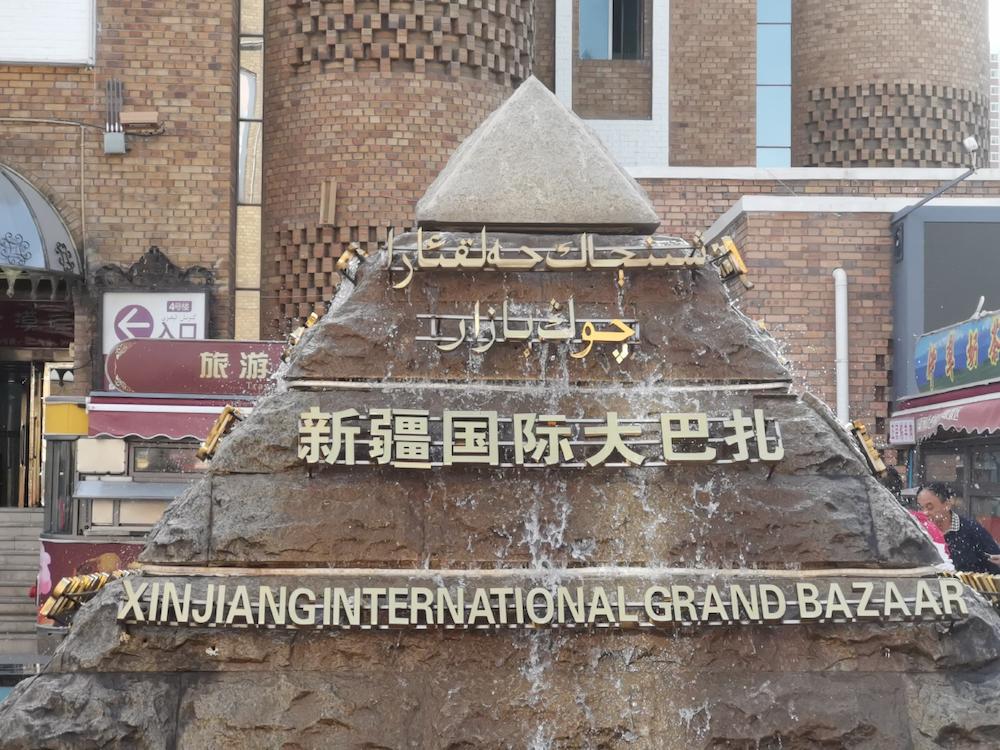
The bazaar night market is the obvious first stop and it earns the reputation. Rows of grills run the length of the square, the smell of cumin hangs in the air, and there is a music stage at one end most evenings in summer. Go on a weeknight if you can; Friday and Saturday crowds pack the lanes shoulder to shoulder and the good stalls sell out before ten.
After the bazaar, walk fifteen minutes east toward the pedestrian streets off Jiefang South Road, where smaller Hui-run noodle shops stay open past midnight. That is where I take people who want food without the tourist framing. The best food markets in the city are the ones with plastic stools and no English sign at all.
Getting to the markets
In Urumqi, the bazaar is a cheap taxi ride from anywhere central, and the metro gets you within a ten-minute walk. In Kashgar, the old city fills with stalls after sunset and you can simply wander from the Id Kah Mosque outward. Smaller towns such as Turpan and Yining set up seasonal night markets in summer squares; ask your hotel which one is running that week, because the location moves. If you are on a longer loop, our first-time visitor guide covers how the regions connect by road and rail.
Best time to go
Markets run year-round, but the experience changes with the season. Summer (June to August) is the high point: long daylight means stalls fire up around 8 p.m. and keep going past midnight, and the fruit stands add Hami melon and seedless grapes. Spring and autumn are cooler and calmer, with shorter hours. Deep winter is quiet; only the big-city bazaars keep a full spread, and you will eat faster to stay warm. Aim to arrive between 8 and 9 p.m. in summer, an hour earlier in the colder months.
Where to stay nearby
In Urumqi, any hotel in the Tianshan district puts you a short ride from the bazaar, and several hostels near the pedestrian street rent rooms above the noodle shops themselves. In Kashgar, staying inside or next to the old city means you can roll out of bed and into a breakfast naan line the next morning. Book somewhere you can walk back to; after a crawl, the last thing you want is a 40-minute taxi in the cold.
A sample one-night crawl (Urumqi)
- 8:30 p.m. – Arrive at the International Bazaar; buy two hot samsa from the first working tandoor.
- 8:50 p.m. – Six lamb skewers at a charcoal grill where the cook seasons to order.
- 9:10 p.m. – One sesame naan, torn and shared, plus a wedge of pumpkin samsa.
- 9:30 p.m. – Split a dapanji with belt noodles at a stall with shared tables.
- 10:00 p.m. – Walk east to the Hui noodle street; one bowl of laghman each.
- 10:30 p.m. – End at a sweet stall with fried yogurt balls, then walk back.
Staying safe and eating well
Street food here is generally safe, but a few habits keep it that way. Eat at stalls with a fast turnover; a queue of locals is the only hygiene rating you need. Watch meat come off a live fire rather than a warming tray. Carry small bills, because the skewer vendors rarely break a hundred and the bazaar ATMs run dry on busy nights. And read up on local etiquette before you go: offering to share your plate and using the right hand are noticed and appreciated.
FAQ
Is Xinjiang street food safe for tourists?
Yes, at busy stalls. I have eaten at these markets hundreds of times without a problem. Stick to high-turnover grills and you will be fine.
How much does a night-market crawl cost?
A full, satisfied crawl in Urumqi runs ¥60–120 per person if you share plates. Skewers add up, so pace yourself.
Are there vegetarian options?
Pumpkin samsa, plain and sesame naan, grilled corn, and noodle dishes without meat are easy to find. Truly vegan choices are thinner, so read our vegetarian guide before you travel.
Do stalls take cards or Alipay?
Most take Alipay or WeChat; some take cash only. Foreign cards rarely work at a skewer grill, so keep cash handy.
What time do markets close?
In summer, the big bazaars run past midnight. In winter, most stalls pack up by 11 p.m. Arrive early in the evening for the fullest spread.
Disclaimer
Prices and stall locations in this article were checked in 2025–2026 but change often. Opening hours shift with the season and with public holidays, and individual vendors move or close without notice. This is a personal account, not medical or dietary advice. If you have allergies, food sensitivities, or a condition affected by rich or undercooked food, ask each vendor directly about ingredients before you eat. The author and publisher are not responsible for any illness, expense, or inconvenience arising from following this plan.
About the author
Dilnur Kadir is a Urumqi-based food writer and night-market guide who has led informal culinary walks for visiting chefs since 2015. She writes about the everyday eating of Xinjiang — the stalls, the bakers, and the people behind the coals — and contributes to regional food guides. She can tell you which grill uses real charcoal from half a street away.