By Xinjiang Attractions Editorial Team | Last updated: August 2026 | Cultural institution review based on on-site visits
Why you can trust this guide: Our team has visited Xinjiang Museum multiple times across different seasons. We cross-reference official information with hands-on experience to give you accurate, practical advice—not tourism brochure clichés. If something changes, see our disclaimer.
| Quick Info | Details |
|---|---|
| Museum Name | Xinjiang Uyghur Autonomous Region Museum (新疆博物馆) |
| Location | No. 581, Xibei Road, Saybagh District, Urumqi, Xinjiang, China |
| Opening Hours | Tue–Sun: 10:30–18:00 (last entry 17:00). Closed Mondays. |
| Admission | Free (valid ID required). Advance reservation recommended. |
| Reservation | Via official WeChat account “新疆博物馆” or on-site kiosk |
| Best Time to Visit | Morning (10:30–12:30) for fewer crowds |
| Time Needed | 2–4 hours |
| Must-See Exhibits | Tarim Mummies, Silk Road gallery, ethnic costume hall |
| Website | www.xjmuseum.com (official, Chinese) |
Our Experience: What It’s Really Like Inside
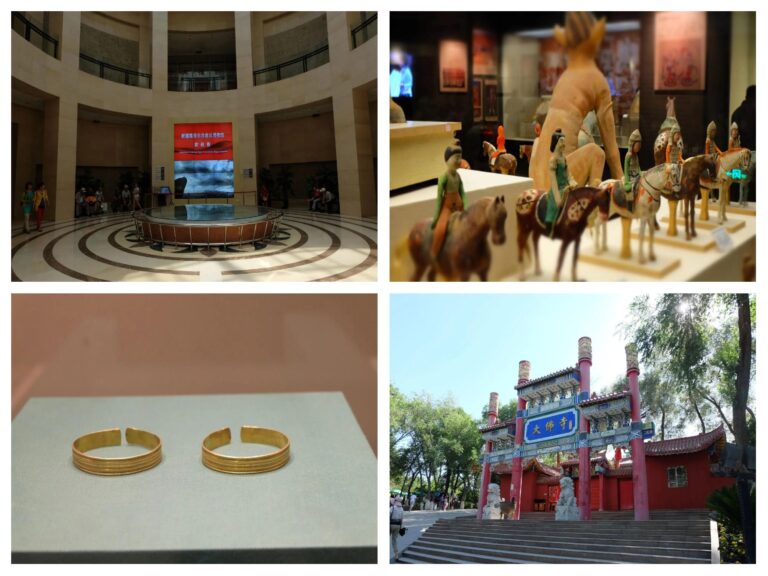
When we first walked through the doors of Xinjiang Museum, the scale of the building immediately signaled that this was no provincial backwater collection. The grand entrance hall—with its high ceilings and Uyghur-influenced architectural details—sets the tone for what is genuinely one of China’s most important regional museums.
We visited on a Tuesday morning in late September. The reservation system had worked smoothly (we booked two days ahead via the museum’s WeChat mini-program). Security screening was thorough but efficient—typical for Xinjiang. Once inside, the air conditioning was a welcome relief from Urumqi’s crisp autumn sun.
What struck us most was the Tarim Basin mummy exhibit. Seeing the 3,800-year-old “Loulan Beauty” in person is genuinely affecting in a way that photos cannot convey. The preservation is extraordinary—you can see individual eyelashes and the weave of the woolen cloak she was buried in. We spent nearly an hour in this gallery alone.
One candid observation: the English signage has improved significantly since our 2019 visit, but it’s still inconsistent. Some world-class exhibits have minimal English context. We strongly recommend downloading the museum’s audio guide (available via QR code at the entrance) if your Chinese is limited.
Getting There: Transportation Guide
From Urumqi Diwopu International Airport
- By Airport Shuttle + Taxi: Take the airport shuttle to the city center (approx. ¥15), then a short taxi ride to the museum (¥10–15). Total time: 60–90 minutes.
- By Taxi/Didi directly: Approximately ¥60–80. The ride takes 40–50 minutes depending on traffic.
- By Metro: Metro Line 1 now connects the airport to downtown Urumqi. Get off at “Xinjiang University Station” and take a 10-minute taxi or bus to the museum.
From Urumqi South Railway Station
- By Bus: Bus No. 7 or 17 goes directly to the museum area. Fare: ¥2. Journey: 30–40 minutes.
- By Taxi: Approximately ¥15–25. 15–20 minutes.
From the City Center (Hongshan/People’s Square area)
- By Bus: Buses 7, 17, 52, and 66 all stop near the museum. Look for “Xinjiang Bowuguan” (新疆博物馆) on the route map.
- By Taxi: ¥10–20 from most central hotels.
- On Foot: If you’re staying near Hongshan Park, it’s a pleasant 25-minute walk west along Xibei Road.
Best Time to Visit
Seasonal considerations: The museum is an ideal year-round destination, but it’s especially valuable as a winter or bad-weather activity. Urumqi winters (December–March) can be brutally cold; spending an afternoon here is a smart way to keep exploring despite the weather.
Time of day: Arrive right at opening (10:30 AM) to have the galleries to yourself for the first hour. Tour groups typically arrive after 1:00 PM. If you must visit in the afternoon, after 3:30 PM the crowds begin to thin again.
Days to avoid: Weekends, Chinese public holidays (especially National Day in early October and Labor Day in May), and the summer peak season (July–August) see the heaviest crowds. If you’re visiting during these periods, reserve at least 3–5 days in advance.
Must-See Exhibits: Our Curated Walkthrough
1. The Tarim Mummies (Ancient Xinjiang Gallery)
This is the museum’s crown jewel. The gallery displays naturally mummified bodies from the Tarim Basin, dating from 1800 BCE to 500 CE. The most famous is the “Loulan Beauty” (c. 1800 BCE), discovered near Lop Nur. Her Caucasian features and European-style woolen clothing have reshaped our understanding of early Silk Road migrations. Learn more about the Silk Road’s history in our dedicated guide.
2. Silk Road Cultural Relics
This gallery traces Xinjiang’s role as the crossroads of East and West. Highlights include: Sogdian silver plates, Tang Dynasty silk fragments, Kharosthi documents (an ancient script from India used in the Tarim city-states), and Han Dynasty bronze mirrors. The gold-foil Wu Zhu coins from the Kushan period are particularly striking.
3. Ethnic Minority Costume and Culture Hall
Xinjiang is home to 13 of China’s ethnic minorities. This hall showcases exquisite clothing, jewelry, and household items from Uyghur, Kazakh, Kyrgyz, Tajik, Hui, and Mongolian communities. The Uyghur ikat ( Atlas ) silk dresses are a photographer’s highlight—vibrant, geometric, and deeply culturally significant. Read our deeper dive into Uyghur culture here.
4. Revolutionary History Gallery
Less visually spectacular but historically important: this section covers Xinjiang’s modern history from the Qing Dynasty through the establishment of the autonomous region in 1955. It includes personal artifacts from key historical figures.
Nearby Attractions: Make a Day of It
The museum is conveniently located near several other Urumqi attractions:
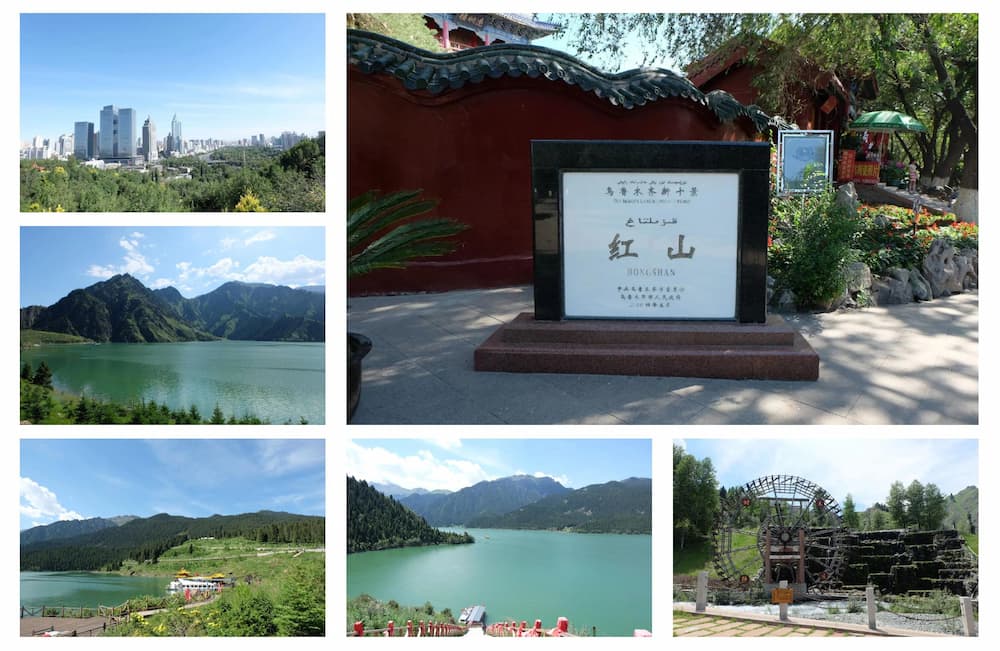
- Hongshan Park (Red Mountain Park): A 20-minute walk east. The hilltop pagoda offers the best panoramic view of Urumqi’s cityscape. Check our Hongshan Park visiting guide for details.
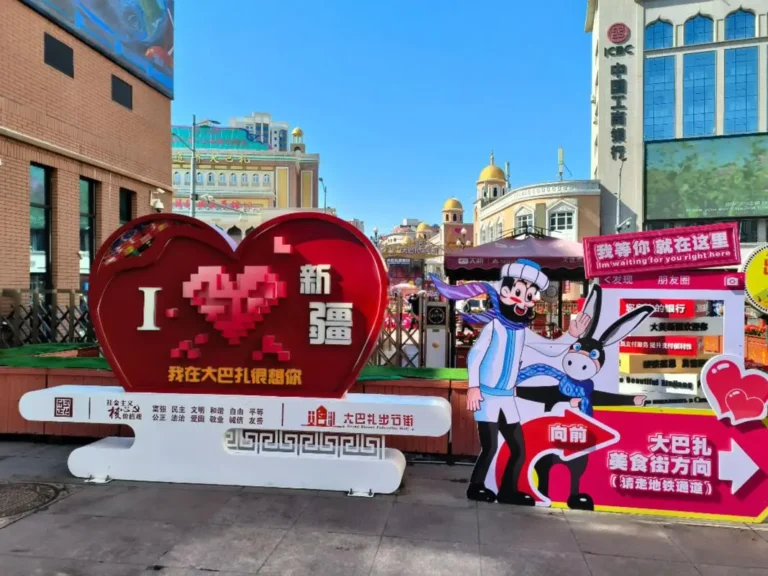
- Urumqi International Bazaar (Grand Bazaar): 15 minutes by taxi. The reconstructed traditional market is touristy but fun for handicraft shopping and photography. Read our complete Grand Bazaar guide.
- Xinjiang University Campus: Right next to the museum. The tree-lined campus is pleasant for a stroll, and there are cheap, excellent noodle shops nearby that most tourists don’t know about.
Food and Amenities
The museum has a modest café on the ground floor serving coffee, tea, and packaged snacks. Prices are reasonable by museum standards (¥15–25 for coffee). However, we recommend eating before or after your visit at one of the nearby restaurants:
- Predictable option: There’s a KFC and a local halal fast-food restaurant within 500 meters of the museum entrance.
- Local experience: Walk 10 minutes west to the student area near Xinjiang University for laghman (hand-pulled noodles) and samsa (Uyghur meat pastries) at ¥15–25 per person. See our complete Xinjiang food guide for more recommendations.
- Water: Bring your own bottle. There are water fountains on each floor, but they only dispense room-temperature water.
Practical Tips: What We Wish We’d Known
- Book ahead. Since 2023, the museum uses a timed-entry reservation system. Walk-up admission is sometimes possible on weekdays in the off-season, but don’t count on it. Search WeChat for “新疆博物馆” and use the mini-program.
- Bring your passport. Foreign visitors must present a passport (not a copy) at the security checkpoint and again at the ticket counter. If you’re from mainland China, your ID card works.
- Photography rules. Photography is permitted in most galleries without flash. However, the mummy gallery prohibits all photography out of respect for the deceased and cultural sensitivity. Staff are vigilant about enforcing this—don’t risk it.
- English resources are limited. As noted above, download the audio guide app or consider hiring a local guide. The museum can sometimes arrange English-speaking guides with 24 hours’ notice—call +86-991-4552-822 to inquire.
- Plan for security screening. Xinjiang has the strictest security checks in China. Allow an extra 10–15 minutes to get through the museum’s entrance security, especially if you’re carrying a camera bag or large backpack (which must be stored in the cloakroom).
- Combine with a weekday morning. If your schedule allows, visit on a Tuesday, Wednesday, or Thursday morning. You’ll have the space to actually read the exhibit descriptions without elbows in your ribs.
Sample Itinerary: Half-Day Museum Trip
Here’s the itinerary we recommend to friends visiting Urumqi for the first time:
| Time | Activity |
|---|---|
| 09:30–10:30 | Breakfast near hotel; travel to museum |
| 10:30–11:00 | Arrive, clear security, pick up audio guide |
| 11:00–12:30 | Tarim Mummies + Ancient Xinjiang Gallery (priority visit before crowds) |
| 12:30–13:30 | Silk Road Gallery + ethnic costume hall |
| 13:30–14:00 | Café break / cloakroom pickup |
| 14:00–15:00 | Revolutionary History Gallery + temporary exhibitions |
| 15:00–16:30 | Lunch at nearby Xinjiang University area (laghman or pilaf) |
| 16:30–18:00 | Walk to Hongshan Park for sunset city view |
Frequently Asked Questions
Is the Xinjiang Museum worth visiting if I’m short on time?
Yes—especially if you’re interested in Silk Road history or archaeology. Even two hours gives you a meaningful experience. If you only have time for one thing in Urumqi, this museum and the International Bazaar are the two most worthwhile stops.
Can I visit the museum during Chinese public holidays?
You can, but it will be crowded. The National Day holiday (October 1–7) is the worst time—expect long lines and difficulty getting a reservation. If you must visit during a holiday, try for the first opening slot (10:30 AM) and have a backup plan in case reservations are full.
Is there an entrance fee?
No. Admission is free. However, the reservation system means you can’t just show up—you need a timed ticket (free) booked in advance. Special temporary exhibitions may carry a separate ticket fee (typically ¥30–50), but the permanent galleries are always free.
How much time should I actually budget?
We recommend 2.5–3.5 hours for a satisfying visit. If you’re a museum enthusiast or a researcher, you could easily spend 5–6 hours here. If you’re traveling with children under 10, 1.5–2 hours is probably the limit before exhaustion sets in (though there is a small children’s interactive area on the second floor).
Are there guided tours in English?
The museum does not guarantee English-speaking guides on demand. Your best options are: (1) use the Chinese audio guide and supplement with Google Translate, (2) hire a private Urumqi-based guide in advance, or (3) join a scheduled English tour if one is running (check the museum’s WeChat account the day before).
Is the museum accessible for visitors with mobility issues?
Yes. The museum has elevators, wheelchair-accessible restrooms, and ramps throughout. Wheelchairs are available for loan at the information desk (ID deposit required). However, the crowd density on weekends can make navigation difficult for wheelchair users—weekday mornings are strongly recommended.
Disclaimer
Accuracy note: We make every effort to keep this information current. However, opening hours, reservation policies, and exhibit layouts can change without notice. Always verify critical details (especially reservation requirements and holiday closures) on the official museum website or by calling +86-991-4552-822 before your visit. We are not responsible for any inconvenience caused by outdated information. This guide reflects our team’s on-site experience as of September 2023; if you notice any changes, please let us know.
About the Author
Xinjiang Attractions Editorial Team
Our team consists of travel writers, Sinologists, and local Xinjiang enthusiasts who have collectively spent over 15 years exploring the region. We prioritize first-hand experience, verified factual information, and respectful representation of Xinjiang’s diverse cultures. This article was last updated after an on-site visit in September 2023.
Editorial Policy: We do not accept payment for positive coverage. Affiliate links are clearly marked. Our recommendations are based solely on merit and relevance to travelers.