Published: June 25, 2026 | Author: Xinjiang Attractions Editorial Team
Why you can trust us: This guide is based on eating kebabs at over 40 stalls across Xinjiang (Kashgar, Urumqi, Hotan, Yining), interviews with Uyghur grill masters, and verified food safety information. We have personally taste-tested chuanr in every major city.
Quick Reference: Xinjiang Kebabs at a Glance
Aspect
Details
Local name
烤串 (kǎochuàn) or Chuanr (串儿)
Main ingredient
Lamb (most common), beef, chicken, vegetables
Price range
3-8 RMB per skewer (lamb)
Where to find
Night markets, street corners, restaurant entrances
Halal status
Always halal (Uyghur cuisine)
Best time
After sunset, especially in summer (9:00 PM+)
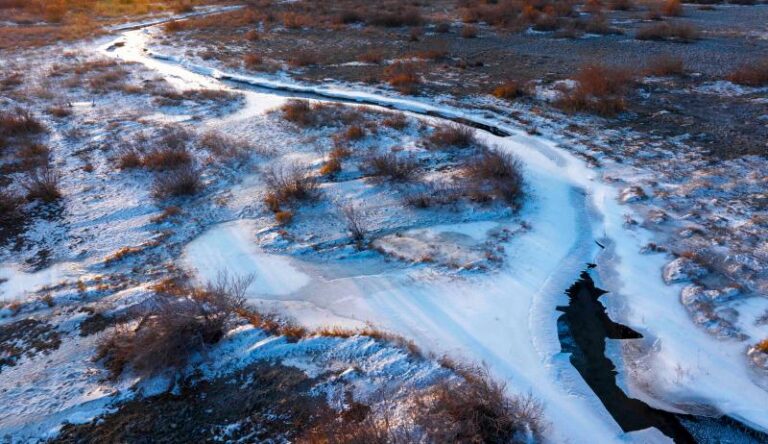
Xinjiang travel scenery
Our Experience: The Sizzle of Kashgar at Night
When we first stepped into Kashgar’s night market, the air was thick with cumin smoke and the rhythmic sizzle of meat hitting the grill. We ordered a dozen lamb skewers from a vendor who’d been grilling on the same corner for 20 years. The first bite — charred edges, juicy center, cumin hitting all the right notes — made us understand why Xinjiang kebabs are legendary.
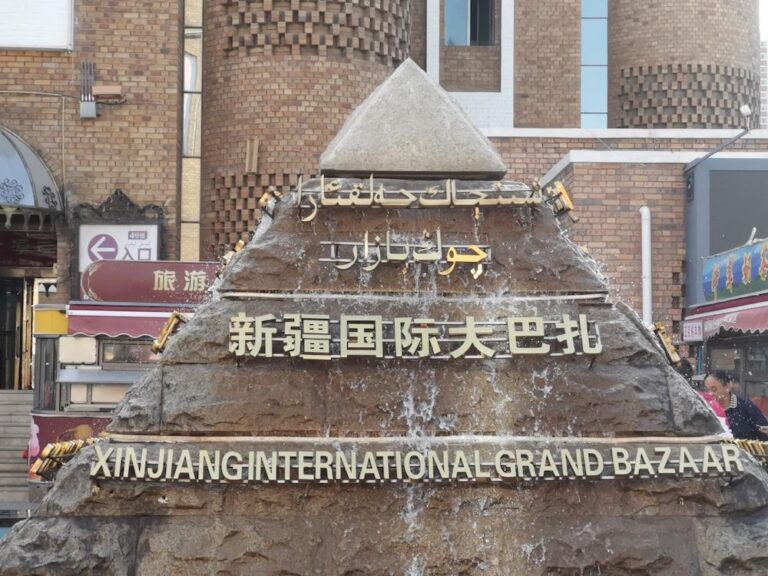
In Urumqi, we discovered the amazing range: not just lamb, but beef heart, chicken wings, even grilled vegetables. The International Bazaar food court has dozens of grilling stations, each with its own spice blend. Our rule: follow the longest line.
One night in Hotan, we stayed at a street stall until 2:00 AM, talking with the grill master (usto) about wood selection (fruit wood gives the best flavor). That conversation — over endless skewers — is one of our fondest Xinjiang memories.
What Makes Xinjiang Kebabs Unique?
Unlike Middle Eastern kebabs (which use flatbread and tahini), Xinjiang chuanr is all about the meat and the spice. Key differences:
Cumin-heavy: Xinjiang kebabs use cumin, chili, and salt — no tahini, no yogurt sauce
Small skewers: Typically 3-5 pieces of meat per skewer (unlike large Turkish kebabs)
Charcoal grilled: Always over charcoal (fruit wood preferred), never gas
Eat off the skewer: Bite the meat off (or slide it onto naan). No plates, no cutlery.
Types of Xinjiang Kebabs — A Complete Guide
1. Yang Rou Chuan (Lamb Skewers, 羊肉串)
The classic. Cubes of lamb (with fat interspersed) grilled over charcoal, brushed with oil, dusted with cumin and chili. The fat crisps up — that’s the best part. Price: 3-6 RMB per skewer.
2. Niu Rou Chuan (Beef Skewers, 牛肉串)
Slightly tougher than lamb, but more intense flavor. Often marinated in soy sauce and spices before grilling. Price: 4-7 RMB.
3. Ji Rou Chuan (Chicken Skewers, 鸡肉串)
Chicken thigh or wing pieces. Often glazed with a slightly sweet-savory sauce. Price: 3-5 RMB.
4. Yang Shen Chuan (Lamb Kidney, 羊肾串)
For the adventurous. Grilled lamb kidney —strong flavor, prized by locals as an energy booster. Price: 5-8 RMB.
5>Shu Chuan (Vegetable Skewers, 蔬菜串)
Eggplant, pepper, tomato, mushroom — grilled with the same spices. Perfect for vegetarians (but check the grill — sometimes meat and veg share the same surface). Price: 2-4 RMB.
6. Da Chuan (Big Skewers, 大串)
Larger portions — big chunks of lamb on a thicker skewer. Often sold at specialty stalls. Price: 10-15 RMB per skewer.
How To Eat Chuanr Like a Local
Order in dozens: Locals don’t order “one skewer.” Minimum is usually 5-10. We typically order 20+ for two people.
Eat with naan: Slide the meat off onto a piece of naan. Carb + protein = perfect.
Beer pairs well: In non-halal settings, beer is the classic chuanr companion. In halal areas, try fresh naan and yogurt instead.
Don’t rush: Chuanr is social food. Order, eat slowly, order more. It’s about the atmosphere as much as the food.
Top Kebab Streets by City
Kashgar — Night Market (Seminar Street Area)
The best in Xinjiang. Dozens of stalls, all grilling at once. The smoke, the noise, the sizzle — it’s intoxicating. Our favorite stall: look for the one with the longest line of locals (it changes, so ask around).
Urumqi — Minzhu Road Night Market
A dedicated night market with hundreds of stalls. Kebabs, noodles, desserts — all in one place. Very tourist-friendly, but still authentic. Open from 8:00 PM to 2:00 AM.
Hotan — Night Market Near the Jade Market
Smaller but more intimate. The grill masters here use a slightly different spice blend (more chili, less cumin). Excellent food scene near the jade market.
Yining (Ili) — Kazanqi District
Kazakh-influenced kebabs. Sometimes served with a side of fermented milk (ayran). The atmosphere here is more relaxed than Kashgar’s bustling market.
Kebab Etiquette and Tips
Point to order: Many vendors don’t speak English. Point at what you want, hold up fingers for quantity.
Spice level: “La” (spicy) or “Bu la” (not spicy). Default is medium-spicy.
Watch for smoke: The cumin smoke gets everywhere. Tie your hair back, don’t wear your best white shirt.
Carry cash: Most stalls don’t take cards or mobile pay (though Alipay is catching on in bigger cities).
Kebabs and Food Safety
Street food carries some risk. Our tips for safe chuanr eating:
Choose busy stalls — high turnover means fresher meat
Watch it grill — if it sits after grilling, skip it
Avoid undercooked meat — it should be browned all over
Carry diarrhea medication (just in case)
Kebabs in Winter
Don’t think kebabs are only a summer thing. In winter, the grills move indoors or into semi-enclosed spaces. There’s something magical about eating hot kebabs in -10°C weather — the contrast makes it taste even better. Winter in Xinjiang has its own street food charm.
Frequently Asked Questions
Q: Are there vegetarian kebabs?
A: Yes — vegetable skewers (eggplant, pepper, tomato) are widely available. But they may share the grill with meat, so if you’re strict vegetaran, ask about separate grilling.
Q: How much should I budget for kebabs?
A: 50-80 RMB per person gets you very full. 100 RMB is a feast.
Q: Is it safe to eat street kebabs?
A: Generally yes, especially at busy stalls with high turnover. Use your judgment — if a place looks clean and popular, it’s safe.
Q: Can I find kebabs outside Xinjiang?
A: Yes! Most Chinese cities have “Xinjiang kebab” stalls (run by Uyghur migrants). But the real deal is in Xinjiang — the spices are fresher, the meat is better, and the atmosphere is unmatched.
Disclaimer
This guide is for informational purposes only. Food safety, prices, and stall locations can change. We encourage respectful engagement with street food vendors — they work hard and take pride in their craft. Verify halal status personally if you have dietary restrictions. Our descriptions are based on our experiences, but individual stalls may vary.
About the Author
Xinjiang Attractions Editorial Team
Our team includes street food specialists, Uyghur cuisine experts, and travelers who have eaten kebabs in every corner of Xinjiang. We combine first-hand tasting experiences with cultural research to bring you the most flavorful (and accurate) food guides.
Found a kebab stall we missed? Contact us — we’re always hungry.
Hiring a Xinjiang local guide opens real Silk Road culture, safer border trips, and better food. Learn 2026 costs, languages, and how to book right one.
Xinjiang jade shopping guide by a retired gemmologist: where to buy in Hotan’s jade bazaar, how to spot fakes, real prices and bargaining tactics tested.
Honest Xinjiang wildlife watching guide from a 12-day trip: where to find wild Przewalski’s horses, Bayanbulak’s swans, and why snow leopard promises fail.