Published: August 16, 2026 | Author: Karl Huang
Most people come to Xinjiang for the lakes and the mountains, then leave without ever seeing the thing that has shaped this land longer than any border on the map. I mean Xinjiang transhumance – the twice-yearly movement of hundreds of thousands of sheep, horses and cattle as Kazakh, Kyrgyz and Mongol families shift their herds between winter and summer pastures. We first ran into it by accident on a June drive near Nalati, and it turned into the most memorable thing we did in three weeks on the road. That morning we had planned for the canyon viewpoint and almost skipped the side road that led to it; the turnoff carried no sign in any language we could read, and we only took it because the GPS had lost its mind.
Why you can trust this guide
I’ve crossed the Tianshan and the Altai on four different trips, usually in a rented SUV with a paper map and too much instant coffee. This article comes from those drives plus a couple of long evenings spent in herder yurts, and I’ve been careful to mark where my own guesswork stops and the official line begins. Xinjiang’s pastoral migration isn’t a show you buy a ticket to – it’s a working routine – so the practical parts below matter more than they usually would.
Xinjiang transhumance at a glance
| Question | Short answer |
|---|---|
| Best time to watch | Late May–June going up; September–October coming down |
| Who moves the herds | Kazakh, Kyrgyz and Mongol (Torgut) herding families |
| Main regions | Ili (Nalati, Kalajun), Altai (Hemu, Kanas), Bayingolin |
| What you’ll actually see | Sheep, horses, cattle plus yurts carried on trucks |
| How close you can get | Roadside in open valleys; guided stays with families elsewhere |
| Permits | None for most Ili valleys; border zones need paperwork |
What the movement actually looks like
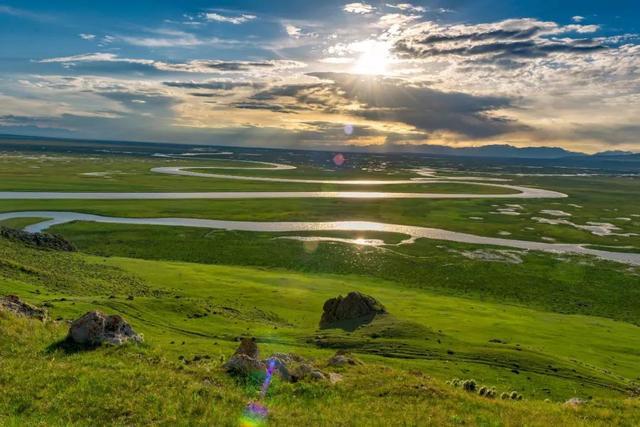
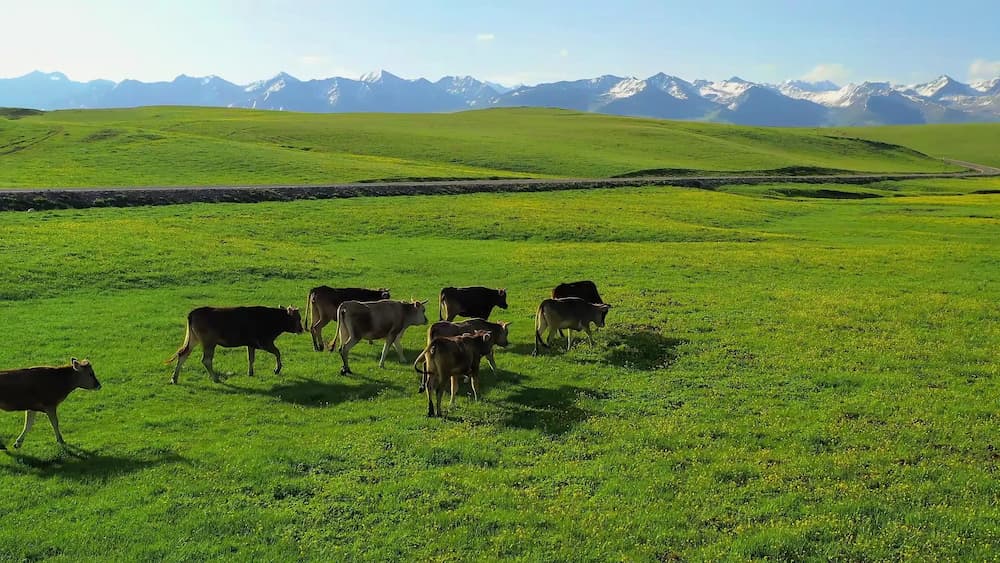
We were coming back from a morning at the Kalajun meadow when the road simply filled with sheep. Not a flock you could walk around – a brown river of them, maybe four thousand head, moving at the pace of the slowest lamb, with two riders on motorbikes herding the back and a boy on a pony holding the front. The family was relocating from their winter camp near the river to the high summer grass above the treeline. Nobody waved us through or asked us to leave; they just kept moving, and after a while we turned the engine off and watched.
The scale is what gets you. Official figures put the seasonal movement across Xinjiang in the millions of livestock. In the Ili valleys it’s mostly Kazakh families; up in the Altai it’s the same pattern with different faces, and down in Bayingolin the Torgut Mongols still drive their own version of the old return.
We later learned the family we watched had left their winter camp at first light and would not reach the high meadow until after dark – a walk of close to twenty kilometres with the whole household, including the yurt frames, loaded onto a battered pickup that followed the sheep at walking pace. Nothing about it was performed for visitors; we were simply in the way, politely ignored.
How to reach the migration routes
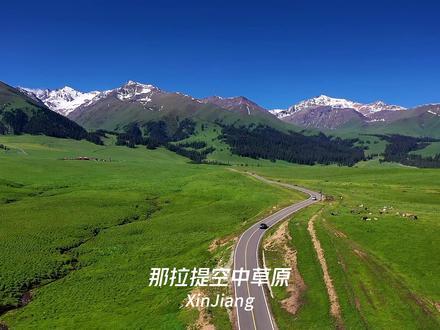
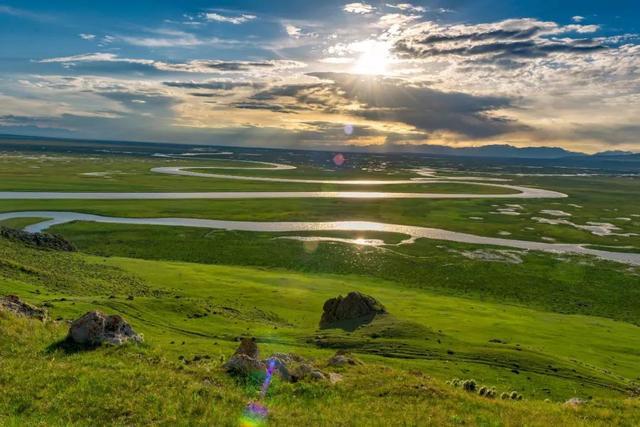
Most of what’s worth seeing sits along the northern silk-road corridor, west of Urumqi. From Yining you can reach the Nalati and Kalajun pastures in three to four hours by car; the Kalajun Grassland above Tekes is the single best place I know to catch the upward move in early June. The Altai side takes longer – fly to Altay city, then drive toward Hemu and Kanas, where the herders use the same valleys the tourists do.
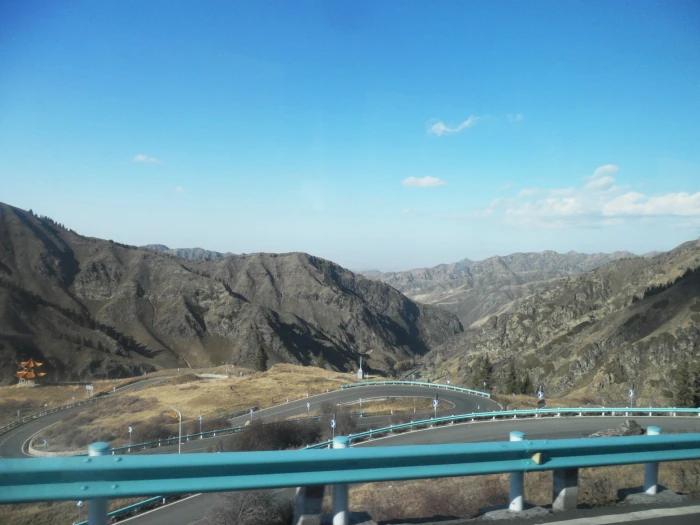
Trains get you to Yining and Altay, but once you’re in the mountains a car is non-negotiable. We rented in Urumqi and returned it there; the one time we tried to do the whole loop on buses we missed the migration by two days, which still bothers me. The access road up to Kalajun is paved and easy, but the final track to the herder camps is loose gravel where our sedan’s exhaust scraped more than once. A higher car and a full tank before the last village will save you a long, slow walk.
When the herds actually move
Timing is everything and the window is short. Spring movement starts as the snow pulls back from the high meadows – usually late May in Ili, a bit later up north. Autumn reversal begins in September as the grass dies and the first cold comes in. Visiting Xinjiang in May puts you right at the front edge of it, before the summer crowds arrive. In Bayingolin the descent runs later, often into early October, because the grass holds longer on the southern slopes and the families can afford to wait.
Where to sleep
You’ve got two options and they’re very different. The easy one is a hotel in Yining or a resort near the Nalati entrance, then a day trip out to the pastures. The better one, if you can arrange it, is a night in a herder’s yurt. We did this above Bayanbulak and woke to the sound of a hundred cattle being led past the tent flap at first light – the family was already two hours into their descent.
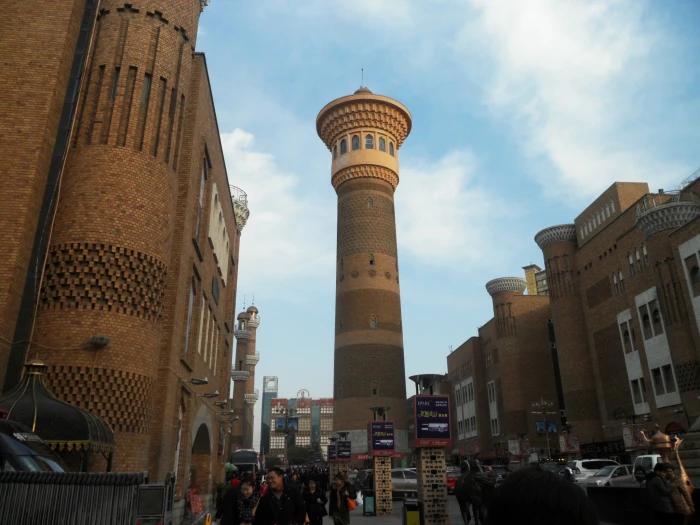
If you go the yurt route, agree on the price and the meals before you arrive, because mobile signal is thin out there and arguing in the cold is no fun. The Kazanqi Quarter in Yining is also worth a night on the way in – it’s where many of the Kazakh and Russian families who keep summer homes in the hills actually live.
Food on the move
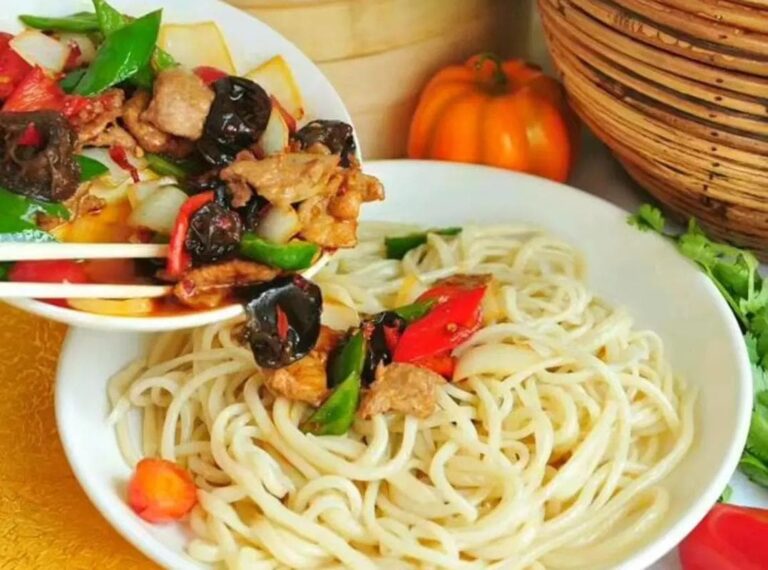
Out in the pastures the menu is short and good: boiled lamb with noodles, fresh cream (kaymak) on bread, and endless cups of milk tea with salt. We ate at a family camp near Nalati where the host sliced a tomato onto a bowl of hand-pulled noodles as if it were the most natural thing in the world – which, on a mountainside at 2,400 metres, it somehow was. Bring snacks from the city anyway; the herders don’t run a shop.
One thing we got wrong: we arrived thirsty and the only drinks on offer were milk tea or plain water from a melted snow stream. The family also set out small dried yogurt balls (kurut) that taste like sharp cheese – I ate six before realizing they were meant to last the household a week. Bring your own water and don’t empty their stores; the next camp may be a full day’s drive away.
Practical things to know before you go
- Ask before photographing people. Most herders are fine with it, a few are not, and a quick gesture costs nothing.
- Don’t block the animals. A sheep panicking near a cliff is your problem as much as theirs.
- Carry cash. Out past the last village, cards and payment apps stop working.
- Pack for two seasons. Mornings on the high pasture can be near freezing even in July.
- If you’re heading toward any border area, sort your documents in Urumqi first – see the Ili versus Altai breakdown for which side needs what.
A three-day plan that worked for us
Day 1: Fly or train to Yining, spend the evening in the Kazanqi Quarter, eat well, sleep low.
Day 2: Drive to Kalajun or Nalati (3–4 hours). Arrive mid-morning and position yourself on the access road – the upward move tends to pass between 9am and noon. Stay at a pasture yurt if you can.
Day 3: Follow the herders as far as the treeline, then drive back down and onward to your next stop.
Frequently asked questions
Is the migration a fixed date I can plan around?
No. It follows the weather and the grass, so it moves by a week or two each year. Late May to mid-June for the spring move is your safest bet in Ili.
Can I ride along with the herd?
Not formally, but families sometimes let visitors walk beside the sheep for a stretch. Ask the herder directly and accept a no.
Is it safe?
The pastures are calm and the roads are fine. The only real risks are altitude, cold, and getting your rental stuck on a wet track.
Do I need a guide?
For the main Ili valleys, no – a car and a map are enough. For border-zone routes or a yurt stay, a local guide saves time and misunderstanding.
Can I fly a drone over the herd?
The open pastures sit outside the usual no-fly zones, but a drone scatters the sheep and the herders dislike it. We kept ours packed and shot from a distance with a long lens instead – the pictures were better and nobody’s day was ruined.
A note on what this is
This guide describes a living tradition based on my own travels and publicly available information from regional tourism offices. Routes, timing and access can change with weather, policy and seasonal closures. Confirm current conditions with local tourism authorities before you set out, and treat the herders and their animals with the patience they deserve.
About the author
Karl Huang is a travel writer who has spent several seasons driving Xinjiang’s mountain corridors. He focuses on slow, first-hand reporting of the region’s pastoral life and lesser-known routes, and prefers a warm yurt to a polished hotel when the two are offered.