Published: 15 August 2026 | Author: Karl Huang
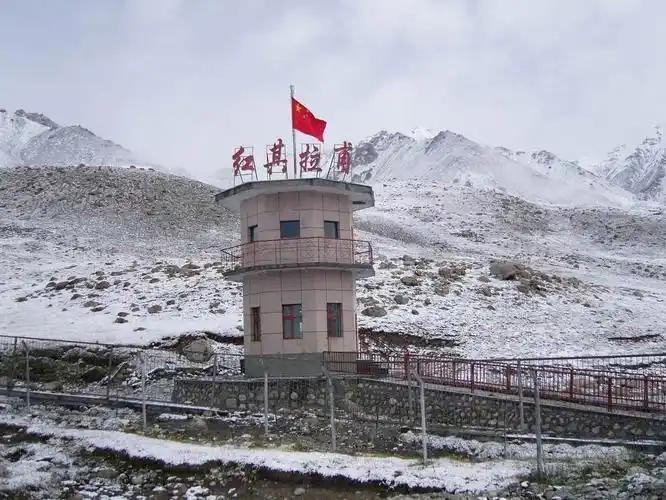
Most people who plan a trip to Xinjiang start with the scenery: the lakes, the deserts, the snow peaks. They underestimate the history, and they are surprised by it. Xinjiang Silk Road history is not stored in glass cases here. It is the reason the towns exist where they do, the reason a watchtower stands alone in the dry wind, and the reason a tea house in Kashgar still runs on a schedule set by the caravans. I have driven both the northern and southern routes, walked the clay streets of cities abandoned a thousand years ago, and eaten hand-pulled noodles in villages that have been crossroads since Roman glass reached China. This Silk Road Xinjiang timeline moves straight through the centuries and tells you what happened, where you can still stand in the footprints, and how to plan a route that makes the past physical instead of abstract.
How to read Xinjiang Silk Road history on the ground
A timeline is only useful if it changes how you travel. I have organised the periods below so each one points to a place you can actually visit. When you reach Turpan, you are not looking at “old stuff”; you are standing inside the Tang dynasty’s western administration. When you walk the lanes of Kashgar’s old city, you are inside the last great junction of the overland trade before the mountains of Central Asia. Keep the dates loose in your head and keep the places fixed. The dates are debated by historians; the walls are still there. The history of Xinjiang for tourists is best absorbed by standing in it, not by reading a plaque.
| Period | What changed | Where you can see it |
|---|---|---|
| 2nd c. BCE | Han dynasty opens the route west; first Chinese administration in the Tarim | Beacon towers near the eastern desert; ruins at Loulan (restricted) |
| 1st c. BCE | Western Regions Protectorate established (60 BCE) | Bezeklik caves, Turpan museums |
| 4th–10th c. | Buddhist kingdoms flourish; Kucha is the intellectual centre | Kizil caves (near Kucha), Kumtura caves |
| 7th c. | Xuanzang passes through on his journey to India | Gaochang ruins, Turpan |
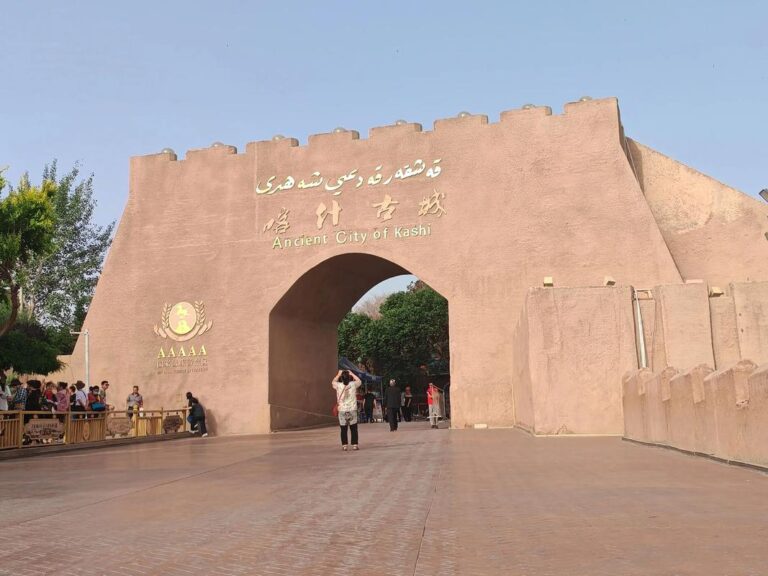
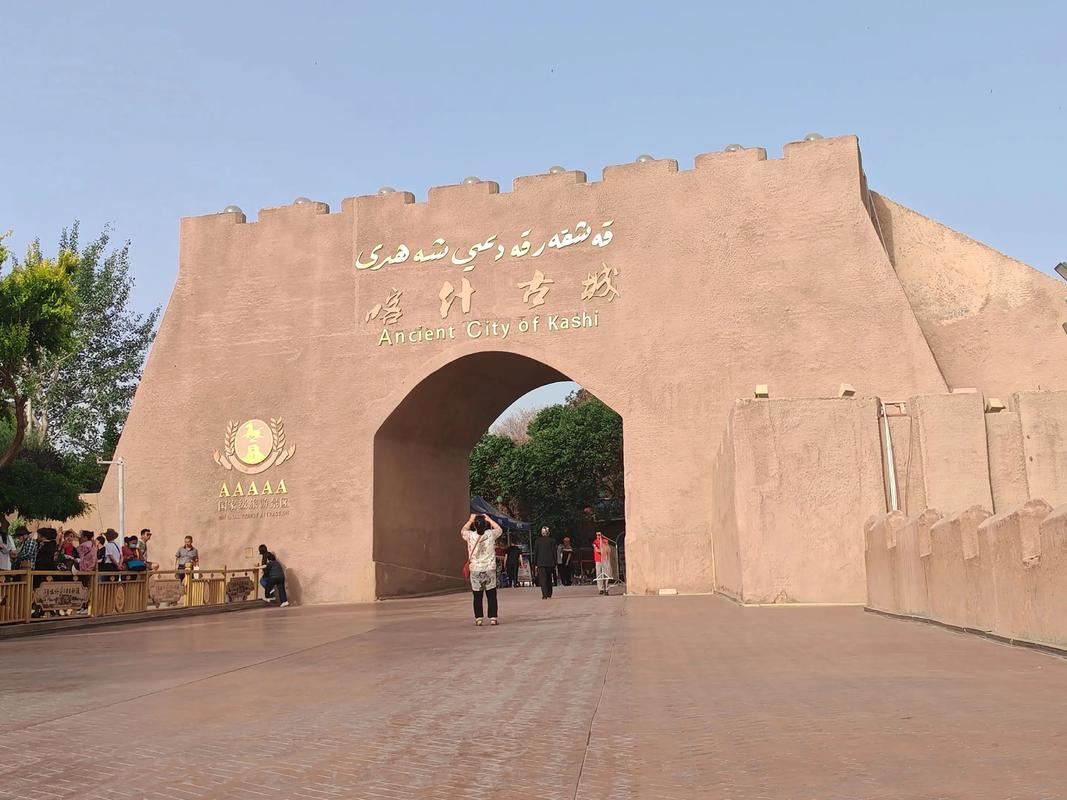
| 9th–11th c. | Uyghur migration south; Islam arrives via the Karakhanids | Kashgar’s old city and Id Kah Mosque |
| 13th–14th c. | Mongol empire unifies the route; travellers write it down | Caravanserais, Tashkurgan |
| 1759 / 1884 | Qing consolidation; Xinjiang becomes a province | Urumqi, Huiyuan (Yili) garrison towns |
The first time I stood at Han-era beacon towers outside the Turpan basin, I expected a ruin. What I found was a baked-mud wedge about four metres tall, still sharp at the edges, with the wind cutting straight off the Gobi. My driver, who had done this road dozens of times, shrugged and said the tower had seen more empires than either of us would read about. That is the feeling this timeline is built to produce: the past is not a chapter, it is the ground.
The Han frontier: opening the west (2nd century BCE)
Zhang Qian’s missions west, traditionally dated to 138 and 119 BCE, are where the written Silk Road story begins for China. The Han court wanted horses and allies; what it got was a map of a connected world. By 60 BCE the Western Regions Protectorate administered the oasis states of the Tarim basin. The practical legacy for a modern traveller is the line of beacon towers, some still standing, that once relayed signals across the dry country. They are easy to miss from a fast car, which is exactly why they matter: slow down and they appear.
The Buddhist centuries: Kucha and the cave monasteries (4th–10th century)
Long before Islam reached the Tarim, the oasis kingdoms were Buddhist, and Kucha (modern Kuqa) was the region’s intellectual capital. Monks there translated Sanskrit texts into Chinese; the caves at Kizil, with their Indic-style murals and ceiling patterns, are the oldest major Buddhist cave complex in Xinjiang. When the monk Xuanzang travelled west in 629 CE, he stopped in Kucha and recorded its wealth and its debates. I spent a morning at the Kizil site with almost no other visitors, watching the filtered light move across figures whose eyes had been scratched out centuries ago. It is a quiet, slightly uneasy place, and that is honest.
The desert capitals: Gaochang and Jiaohe (7th–9th century)
Two cities near Turpan tell the Tang story better than any museum. Gaochang ruins sit on open ground, a grid of streets and temple foundations you can walk without a guide breathing down your neck. Jiaohe is the more spectacular of the two: a city carved from a single mud cliff between two rivers, abandoned rather than destroyed, silent in a way that is hard to describe. The Turpan city guide I wrote covers how to reach both and what to bring, because shade and water are not optional out there.
The Uyghur turning point and the arrival of Islam (9th–11th century)
After the Uyghur Khaganate collapsed in 840 CE, its people moved south into the Tarim and mixed with the oasis populations we now call Uyghur. Around the same time, the Karakhanid rulers of the western Tarim converted to Islam; Satuq Bughra Khan of Kashgar is the name most often attached to that shift. By the 11th century Kashgar was a centre of Islamic learning, and the region’s religious identity began its long turn. This is also when the languages of the old kingdoms gave way to the Turkic tongue that, in changed form, is spoken today.
The Mongol century and the travellers who wrote it down (13th–14th century)
The Mongol empire did what no earlier power had: it made the whole route safe enough for merchants and missionaries to cross end to end. That is why this period leaves written accounts. Marco Polo, if you trust the book, passed through the southern Tarim in the 1270s. Later, the Moroccan scholar Ibn Battuta rode the same roads. Their descriptions of Kashgar, of Khotan’s jade, and of the Pamir crossing are still readable as travel writing. The Tuyoq village near Turpan, with its mud mosques and pilgrims’ cave, is one of the few places where that older, pre-modern religious landscape is still lived in.
From Qing frontier to modern province (18th–20th century)
The Qing court took firm control of the region in 1759 after the Dzungar campaigns, and in 1884 Xinjiang (literally “new frontier”) was organised as a province of the Qing empire. The Republic and then the People’s Republic continued to administer it; the Xinjiang Uyghur Autonomous Region was established in 1955. For travellers, this recent layer is the easiest to see: the Qing garrison towns of Yili, the Russian and Soviet footprint in Urumqi and Yining, and the railway lines that have finally made the old journey a matter of hours rather than months.
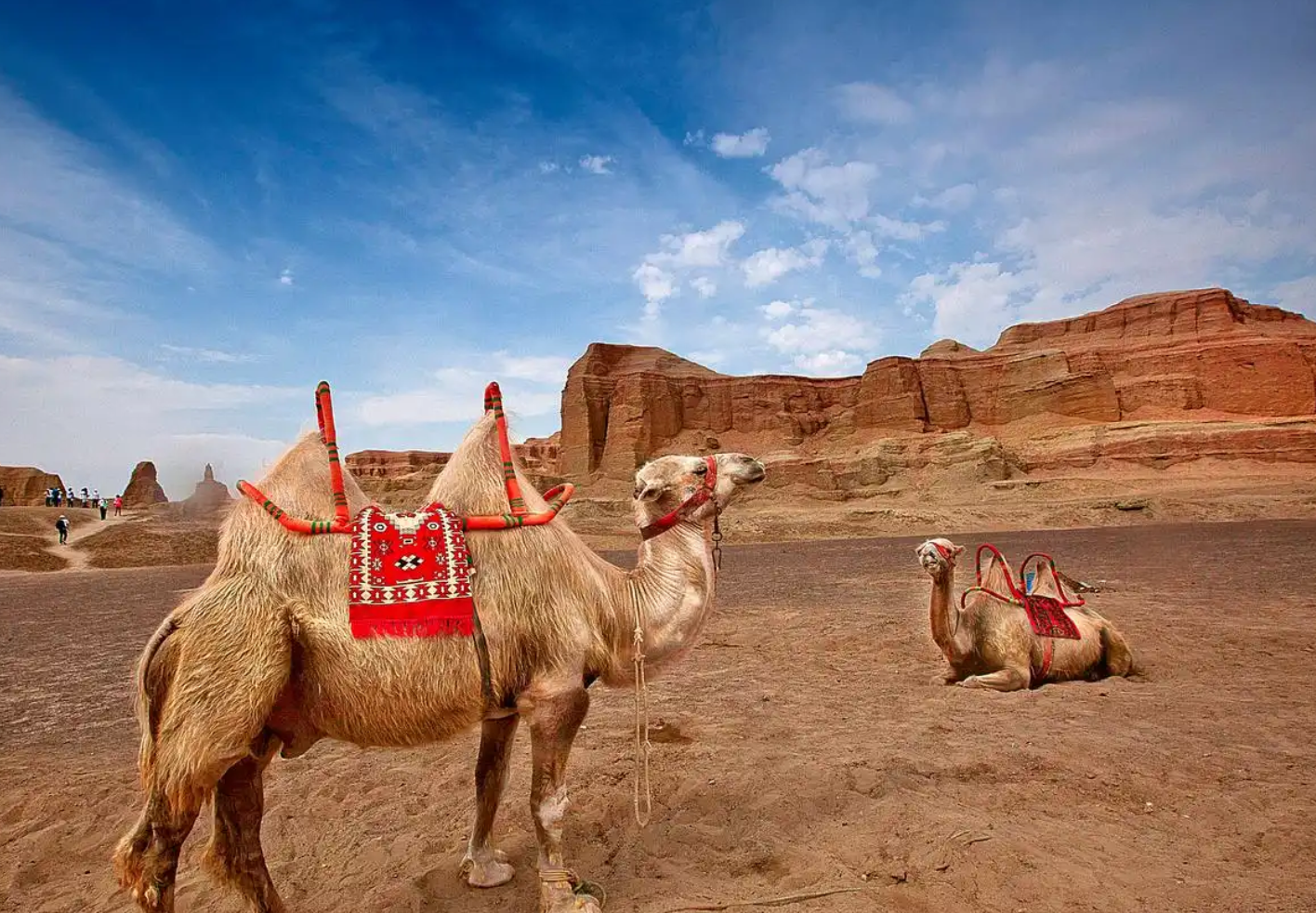
Crossing the desert today: the route itself
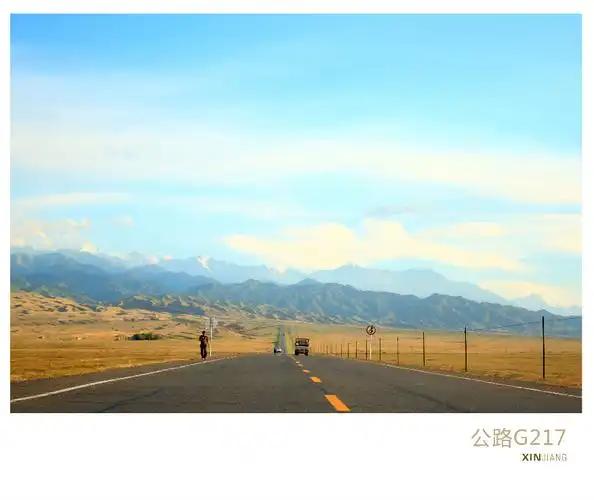
The geography that made the Silk Road is still the geography that shapes your trip. The Taklamakan Desert splits the oasis towns into a northern line (Turpan, Urumqi, Aksu, Kucha) and a southern one (Khotan, Niya, Cherchen). Crossing the Tarim Basin is no longer a gamble with death, but the distances are real: a straight drive from Kashgar to Turpan is more than a full day, and the desert highway is empty for long stretches. The old saying that you go into the Taklamakan but do not come out was about the sand, not the road.
Getting to the Silk Road sites
Urumqi is the usual entry point, with the fastest rail and flight links, but Kashgar has its own airport and is the better base if your interest is the western end of the route. The high-speed and conventional rail network now reaches Turpan, Kashgar, and most oasis towns, which means you can build a history trip around trains and local drivers rather than one long self-drive. Internal flights save time but skip the geography; I prefer the train for the simple reason that the landscape between stops is the lesson.
Best time to trace the route
Spring (April–May) and autumn (September–October) are the windows I recommend. Summer in the Tarim basin is brutal, regularly above 40°C, and the desert sites offer no relief. Winter is cold but clear, and Kashgar’s old city is at its quietest; if you can handle the temperature, January and February are the least crowded months to walk the history without tour groups. Avoid the weeks around major holidays if you want hotels and trains to yourself.
Where to stay along the way
In Kashgar, guesthouses inside or beside the old city put you within walking distance of the history; the lanes are alive in the early morning and dead quiet after dark, and both states are worth seeing. Turpan has a range of hotels near the ruins, and the oasis towns of Kucha and Khotan have workable mid-range options. For the Pamir (Tashkurgan), book ahead and remember that altitude and border permits apply. Courtyard guesthouses, where a family cooks your dinner, are the most direct way to understand how hospitality on this route has not changed in essence for a very long time.
What to eat on a history trip
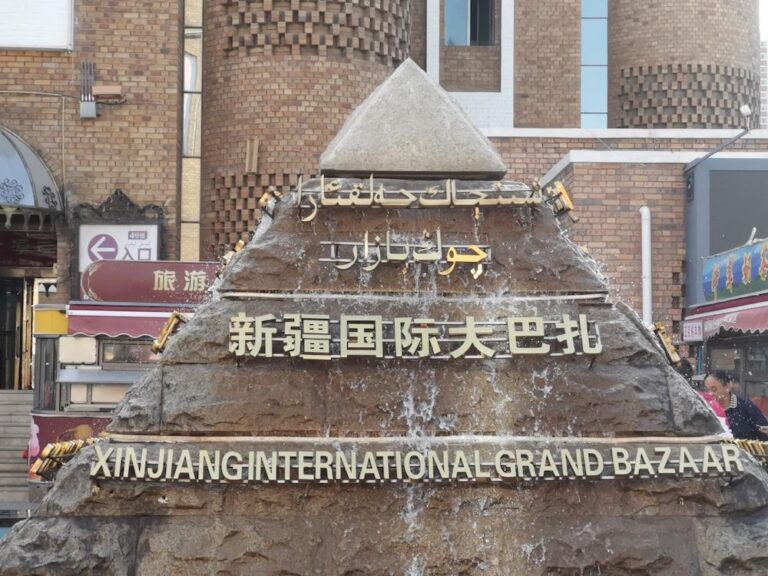
The food is part of the evidence. Laghman (hand-pulled noodles), samsa (oven-baked pastries), polo (rice with carrot and mutton), and the flat bread called naan are all caravan foods: portable, filling, built for long travel. In Kashgar’s Sunday livestock market you can watch the whole economy of the route in one morning, from sheep to skewers. Eating in a small oasis town is not a break from the history; it is the history continuing, with you as a customer.
Practical tips before you go
- Permits: Tashkurgan and the Pamir require a border-area permit obtainable in Kashgar; sort this before you book the mountain leg.
- Water and shade: the ruined cities have almost none. Carry both, and more than you think.
- Cash: small oasis towns and market stalls do not always take cards or foreign apps.
- Footwear: the sites are uneven earth and loose sand; closed shoes save ankles.
- Respect: active mosques and pilgrims’ sites are not backdrops. Ask before photographing people.
A sample 7-day Silk Road timeline trip
This is the route I would give a first-time visitor who wants the history without the exhaustion:
- Day 1–2: Urumqi arrival, Xinjiang Regional Museum, train to Turpan.
- Day 3: Gaochang and Jiaohe ruins, Bezeklik caves, overnight Turpan.
- Day 4: Fly or train to Kucha; Kizil caves, Kuqa bazaar.
- Day 5: Long drive or flight to Kashgar; old city walk at dusk.
- Day 6: Kashgar Sunday market, Id Kah Mosque, brief Pamir permit errand.
- Day 7: Day trip toward Tashkurgan (Stone Fortress) if permits allow, return and fly out.
Frequently asked questions
Do I need a guide for the Silk Road sites?
Not for the major ruins, which are signed and have paths. A guide adds context at Kizil and Jiaohe, but you can visit independently.
Is it safe to travel the route?
The oasis towns and tourist sites are calm and heavily travelled. The main risks are heat, distance, and underestimating the sun, not personal security.
How many days do I need?
A serious sweep of the northern route takes 7–10 days. Kashgar alone deserves two full days.
Can I see Buddhist and Islamic history in one trip?
Yes. The northern route from Turpan through Kucha to Kashgar moves from Tang Buddhist ruins to a living Islamic old city in about four travel days.
Disclaimer
This article is based on the author’s personal travel in Xinjiang and on widely published historical sources; it is a travel planning resource, not an academic study. Dates for early periods are debated among historians and are given as accepted approximations. Opening hours, permit rules, and transport links change; confirm current conditions with official sources and your accommodation before you travel. The author and publisher are not responsible for any inconvenience, cost, or risk arising from reliance on this information.
About the author
Karl Huang is a travel writer focused on Xinjiang and Central Asia. He has driven the northern and southern Silk Road routes, documented the oasis towns for foreign visitors, and writes practical, first-hand guides aimed at independent travellers. His work emphasises what you can actually see and do, not just what you should know.