Published: August 5, 2026 | Author: Warwick Hensley, reviewed by Reyila Aini
Tuyoq sits in a slash of red canyon east of Turpan. Most visitors pass it on the way to somewhere larger, but we have come to think of it as one of the most compact cultural walks in the region. In one morning you can walk through a canyon, a rammed-earth village, and a set of Buddhist caves that predate much of what you will see elsewhere in Xinjiang.
What Tuyoq Actually Is
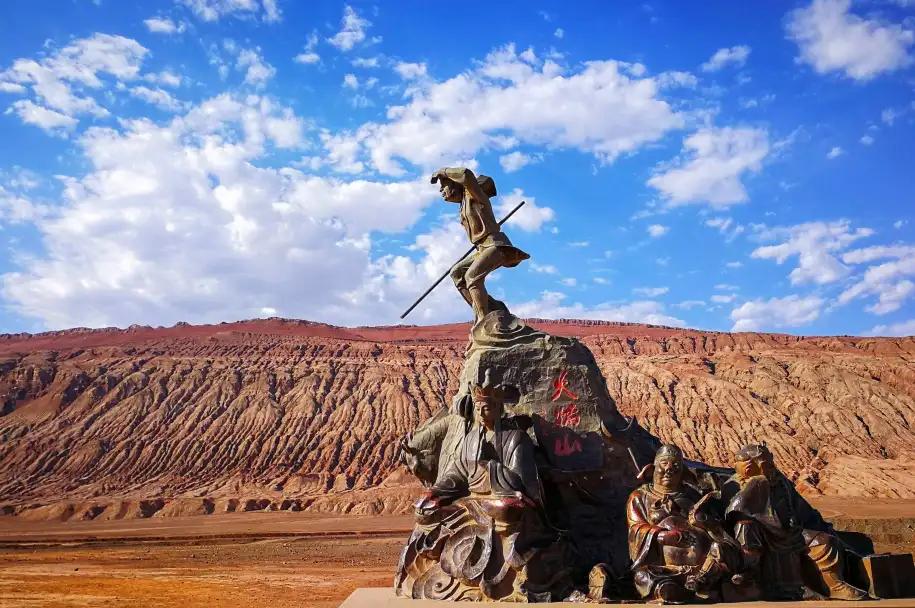
The name covers three things that share the same valley. Tuyoq Grand Canyon is the geological feature: a deep cut through the Flaming Mountains with exposed red and ochre walls. Mazar Village is the settlement inside the canyon mouth, a 1,700-year-old Uyghur village built almost entirely from rammed earth. Tuyoq Grottoes are the Buddhist caves carved into the cliff above the village, among the earliest in Xinjiang.
That combination is unusual. Most canyon walks in Xinjiang are empty scenery. Most ancient villages have lost their setting. Tuyoq keeps both together.
How Tuyoq Fits into Turpan’s Religious History
Turpan was once one of the most Buddhist regions on the Silk Road. From the 3rd to the 9th centuries, cave monasteries and merchant donors supported a flourishing religious culture. Tuyoq’s caves were part of that network. They also show something rarer: a site where Buddhist practice and later Islamic pilgrimage markers coexist in the same canyon.
The village’s name in older sources was Dinggu. In Uyghur, “Tuyoq” refers to the steep gorge below the cliffs. The caves were first carved during the Jin and Northern-Southern dynasties, around the 5th century, and expanded under Tang influence. Archaeologists have found manuscripts here in Chinese, Sanskrit, Turkic and other languages, evidence that the valley was a multilingual religious center.
This matters because Tuyoq is not just scenery. It is a place where you can see how the Tarim Basin shifted from one religious world to another over a thousand years, with the landscape itself as the constant.
The Canyon You Walk Through
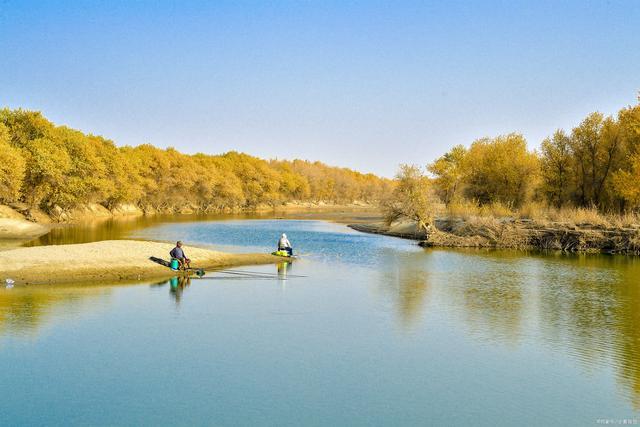
The canyon floor is narrow enough that the cliffs feel close on both sides. A small stream runs through it for part of the year, unusual for the Turpan basin. The light changes quickly: in late afternoon the walls turn from rust to orange, and shadows fall across the path in stripes. We walked it in early October and had to stop every few minutes for photographs.
The hike from the ticket gate to the village is gentle, roughly twenty minutes on a maintained path. If you want to continue deeper into the canyon beyond the village, ask locally about trail conditions. Flash floods are rare but possible after rain.
The Village of Rammed Earth
Mazar Village is the reason most people stop. The houses are built from the same yellow-brown earth as the ground, so the settlement seems to rise out of the canyon rather than sit on top of it. Narrow lanes wind between courtyard walls. Wooden doors and grape trellises add the only green.
It is still inhabited. That is both its strength and its complication. We asked before photographing people or doorways, and we kept our voices down in residential lanes. Some houses sell dried fruit and cold drinks; prices are modest. The village is not a museum, and treating it like one would miss the point.
The construction technique is worth noticing. Walls are rammed earth, roofs are timber and reed covered with more earth. Courtyards are sunken or half-sunken to escape summer heat. The result is a village that changes color with the day: warm yellow at noon, rose in late light, grey-blue after sunset.
The Grottoes and Their Limits
The caves above the village date to around the 5th century, with later Tang-period work. They were damaged during the early 20th-century expeditions and by later neglect, so the murals that remain are fragments rather than complete compositions. Still, the location matters: this is one of the places where Buddhism first took hold in the Tarim Basin.
Access is limited. The caves require advance booking through a tourism platform and daily visitor numbers are capped at 300. If you definitely want to enter, book before you leave Turpan. We have visited twice without entering the caves and still found the village and canyon worth the trip.
Even without the interior, the exterior stairways and cave mouths are visible from below. They give a clear sense of how monks chose this cliff for retreat and meditation, looking down on the village and the canyon mouth.
Getting There and Getting Out
Tuyoq is about 55 kilometers east of Turpan and 25 kilometers from Shanshan. The road is paved but narrow in places. Public buses reach Tuyoq township; from there you may need a short taxi or a walk to the ticket office. A private car or arranged driver is the easiest option.
We usually combine Tuyoq with the Flaming Mountains and Gaochang Ruins into a single east-line day. The driving loop makes sense geographically and keeps you moving during the hottest hours.

Best Season, and the Season to Skip
April, May, September and October are pleasant. Spring brings apricot and other fruit blossoms into the canyon. September is grape harvest season; drying houses along the road smell sweet.
Skip mid-summer. Surface temperatures around Turpan can exceed 60°C, and Tuyoq’s canyon traps heat. We tried once in July and retreated to the car after half an hour. If you must come in summer, arrive at opening time and leave before 11 a.m.
Photography and Respect
The canyon is the obvious photographic draw, but the village offers stronger human-interest shots if you are respectful. We avoid sticking cameras into doorways and instead ask residents selling fruit if we can photograph their courtyards. A few have said yes; most prefer not to be photographed at all.
Early morning and late afternoon are best. The red cliffs glow, and the village is in shadow or golden light depending on the hour. A standard zoom lens is enough; a tripod is useful inside the grottoes if you manage to book a visit.
What to Pack
Even in spring, the sun is intense. We bring a wide-brimmed hat, sunglasses, SPF 50 sunscreen, and more water than expected. Sturdy shoes with grip matter more than hiking boots; the path is easy but dusty. A light scarf helps against wind and sun, and a small bag for purchased raisins or apricots keeps your hands free.
If you have a grotto reservation, bring a small flashlight. The caves are dim, and phone lights are not always allowed inside.
What We Got Wrong
Our first Tuyoq visit was in early August. We arrived at 10 a.m. and the canyon felt like an oven. Since then we have only come in spring or autumn, or in summer at 8 a.m. The experience changed completely.
We also assumed we could enter the grottoes without a reservation. We were wrong. On a second trip we booked two days ahead through the official channel and got in. The fragments of murals were worth the planning.
Where to Stay and Eat
Stay in Turpan or Shanshan. There are a few basic stalls near the village entrance, but no reliable restaurants. We pack water and fruit, then eat properly back in town. For a broader Turpan food and lodging guide, see our Turpan city guide.
A Half-Day Itinerary
- Leave Turpan by 8 a.m. and reach Tuyoq by 9 a.m.
- Walk the canyon path to Mazar Village.
- Spend an hour wandering the lanes and visiting the small viewpoint above the village.
- If you have a grotto booking, join the timed visit.
- Return to the car by noon and drive to Gaochang or Bezeklik for the afternoon.
FAQ
How long should I plan?
Half a day is enough for the canyon and village. Add another hour if you enter the grottoes.
Is Tuyoq suitable for children?
Yes, with supervision. The canyon path is easy, but cliff edges are unfenced.
Can I stay overnight in the village?
Not easily. Most visitors day-trip from Turpan or Shanshan.
Are the grottoes open year-round?
No. Seasonal closures and daily caps apply. Book ahead in peak season.
Do I need to cover up?
Dress for sun and heat, not modesty. Short sleeves are fine in the canyon, but shoulders and knees are advisable if you plan to visit any active religious site.
Can I buy grapes at the village?
Yes, in season. Seedless white grapes and raisins are the local specialty. Prices are reasonable if you buy from the grower.
Disclaimer
Opening hours, cave booking rules and ticket prices can change. Confirm locally before travelling. This guide reflects personal visits and should not replace official safety advice.
About the Author
Warwick Hensley has travelled the Silk Road sections of Xinjiang since 2017, with a focus on archaeological sites and overland logistics. Reyila Aini, a Uyghur researcher based in Urumqi, reviewed the cultural and historical details.