By Xinjiang Attractions Editorial Team | Last Updated: June 2026
Turpan’s Grape Valley is one of Xinjiang’s most famous attractions. Here’s everything you need to know before your visit.
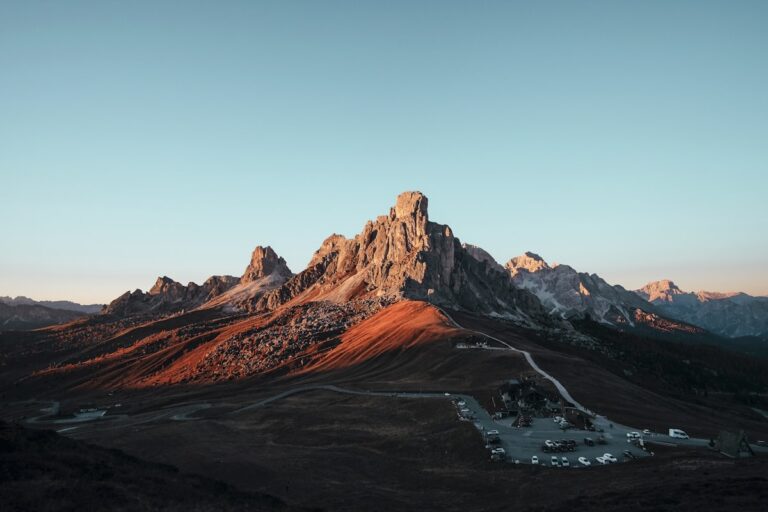
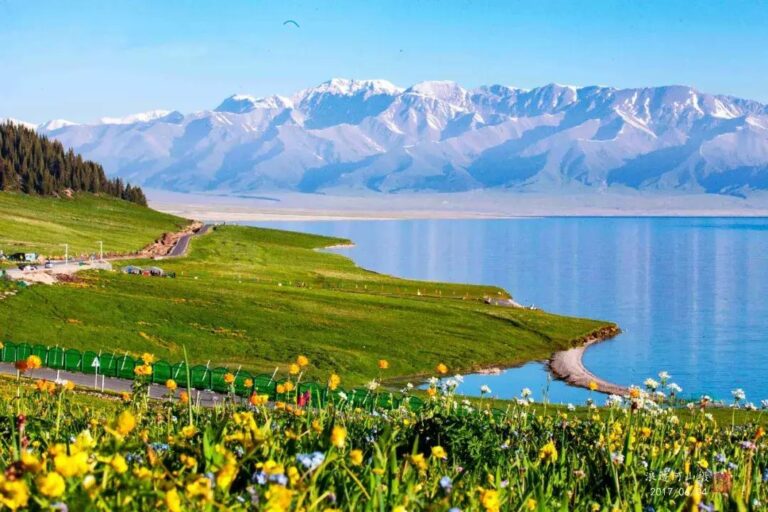
Xinjiang landscape scenery
Quick Reference
Aspect
Details
Attraction Name
Turpan Grape Valley (吐鲁番葡萄沟)
Location
Turpan City, Xinjiang, China
Opening Hours
8:30 AM – 7:30 PM (April–October), 10:00 AM – 6:00 PM (November–March)
Entrance Fee
70 RMB (as of 2024; may change)
Best Time to Visit
August–September (grape harvest season)
Time Needed
3–4 hours
Our Experience at Turpan Grape Valley
When we first visited Turpan in early September, we timed our trip for the grape harvest. The Grape Valley did’t disappoint. Rows upon rows of grape vines stretched as far as the eye could see, heavy with purple and green clusters. The air smelled sweet — a mix of ripening grapes and the dust of the desert.
We found the site to be more than just a vineyard. It’s a cultural experience. Uyghur families have been growing grapes here for generations, and some of them still live in the valley. We were invited into a family’s courtyard for tea and fresh grapes. They explained how they dry grapes to make raisins — a process that’s been unchanged for centuries.
The highlight was walking through the “raisin drying houses” — low mud-brick structures with slatted walls that allow air to circulate. Thousands of grape bunches hang inside, slowly drying into sweet, wrinkled raisins. It’s an iconic image of Xinjiang.
Traditional Xinjiang architecture
Getting to Turpan Grape Valley
Turpan is well-connected by rail and road from Urumqi (about 2–3 hours by car).
From Urumqi: Take the high-speed train (1.5 hours) or drive via the G30 expressway (2.5–3 hours).
From Turpan City center: The Grape Valley is about 10 km east of the city. Take bus 4 or a taxi (20–30 RMB).
By tour: Many Turpan tours include Grape Valley as a stop.
Opening Hours & Entrance Fees
Opening hours:
April–October: 8:30 AM – 7:30 PM
November–March: 10:00 AM – 6:00 PM
Entrance fee: 70 RMB per person (as of 2024). Students and seniors may receive discounts — bring valid ID.
Best time to visit: August–September is grape harvest season. The valley is lush, and you can taste fresh grapes. Spring (April–May) is also pleasant, with fewer tourists.
What to See & Do
1. The Vineyards
Walk through the grape trellises. The valley has over 100 varieties of grapes, including some you’ve never seen before. Tasting is encouraged (small samples are often free).
2. Raisin Drying Houses
These are the most photogenic structures in the valley. Learn how grapes are dried naturally in the desert climate.
3. Uyghur Family Courtyards
Some families open their courtyards to visitors. You can sit on a carpeted platform (supa), drink tea, and eat fresh fruit. A small tip (20–50 RMB) is appreciated.
4. The Grape Museum
A small museum explaining the history of grape cultivation in Turpan, which dates back over 2,000 years to the Han Dynasty.
5. Cultural Performances
During peak season (July–September), there are occasional Uyghur dance performances in the valley. Check with the ticket office for schedules.
Where to Eat Nearby
The Grape Valley has several restaurants and food stalls. Try:
Fresh grapes: Sold by the kilogram (10–20 RMB/kg depending on variety).
Raisins: Buy directly from drying houses. Prices: 30–80 RMB/kg depending on quality.
Uyghur snacks: Samsa (baked pastry with meat), naan bread, and polo (pilaf) are available at food stalls.
Restaurant recommendation: There’s a restaurant in the valley serving Uyghur family-style meals. Expect to pay 50–80 RMB per person.
Best Time to Visit Turpan Grape Valley
Grape harvest season (August–September): This is the best time. The grapes are ripe, the weather is hot but dry, and the valley is at its most vibrant.
Spring (April–May): The vines are green again, and the weather is pleasant (20–30°C). Fewer tourists.
Avoid: Winter (December–February) — the valley is brown and dormant, and it can be quite cold.
Nearby Attractions
Turpan has several other attractions worth visiting:
Flaming Mountains (Huoyan Shan): The red mountains made famous by Journey to the West, 30 km away.
Karez Wells: Ancient underground irrigation system, 5 km from the city center.
Emin Minaret: The largest Islamic minaret in China, located in Turpan City.
Sample Itinerary: One Day in Turpan
9:00 AM: Arrive at Turpan Grape Valley when it opens.
10:30 AM: Explore the vineyards and raisin drying houses.
12:00 PM: Lunch at a restaurant in the valley.
1:30 PM: Visit a Uyghur family courtyard for tea.
3:00 PM: Visit Jiaohe Ancient City (10 km away).
5:00 PM: Watch the sunset at the Flaming Mountains (if visiting in summer).
Frequently Asked Questions
Q: Can I pick grapes myself?
A: Usually not — the grapes are for commercial harvest. But you can buy fresh bunches at the exit.
Q: Is the entrance fee worth it?
A: If you’ve never seen a grape valley before, yes. If you’re on a tight budget, you can see grapes growing in other parts of Turpan for free (though not as extensively).
Q: How hot does it get in summer?
A: Turpan is one of the hottest places in China. In July–August, temperatures regularly exceed 40°C. Bring water, sunscreen, and a hat.
Disclaimer
This guide is based on our team’s personal visits to Turpan Grape Valley and extensive research. However, opening hours, entrance fees, and local conditions can change. The information provided here is for general planning purposes only. We are not responsible for any issues arising from reliance on this information. Always verify current conditions before your trip.
About the Author
Xinjiang Attractions Editorial Team
Our team consists of travel writers and photographers who have spent extensive time exploring Xinjiang. We combine first-hand travel experience with deep local knowledge to bring you accurate, practical, and engaging travel guides.
Drive the Pamir Plateau circuit from Kashgar: Karakul Lake, Tashkurgan and the 600-bend Panlong road. Permits, route stages and tips from two recent trips.
Discover Kanas Lake, Xinjiang’s stunning alpine lake. Complete travel guide with transportation, best time to visit, entrance fees, accommodation, and…
We walked the Wusun Ancient Road across the Tianshan from Tekes to Bayinbulak. Our guide covers permits, the best season, horses, camps, and trail costs.
Bortala travel guide: visit Sayram Lake, the Strange Stone Valley and Alashankou port, meet Mongol herders in Xinjiang’s quiet Kazakh-border prefecture.